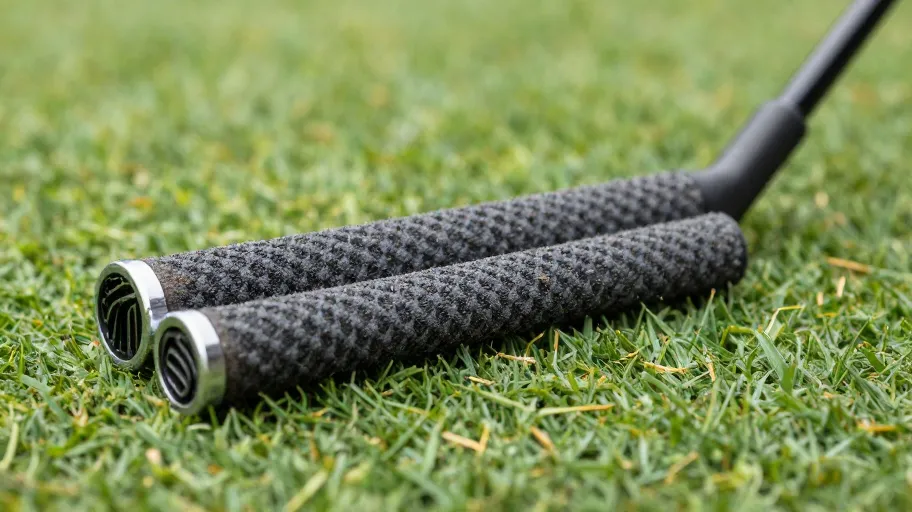
Early Warning Signs of Worn Golf Grips
Visible shine, slick patches, or loss of tackiness on your golf grips aren’t just cosmetic—they mean reduced friction and compromised control because degraded rubber can’t maintain hand-to-club adhesion. A PGA-commissioned survey found 68% of amateurs play with worn grips, unknowingly forcing themselves to grip harder, which increases arm tension and distorts swing mechanics.
This misdiagnosis leads many golfers to spend hundreds on lessons or new clubs when the real issue is a $20 fix. That smooth spot on the trailing edge? It’s a pressure hotspot where material breakdown reduces torque control at impact. Less texture means less grip-to-hand feedback, especially in humidity—leading to unintended clubface rotation and avoidable shot dispersion.
Replacing grips isn’t maintenance—it’s performance optimization. Recognizing these early signs prevents costly detours in your game improvement path and preserves the integrity of your technique.
How Often to Replace Golf Grips by Usage and Climate
Most golfers should replace grips every 12–18 months or after 30–40 rounds, but in humid or rainy climates, degradation accelerates by up to 40% due to UV exposure and moisture absorption—meaning chemical decay, not just wear. This matters because weakened rubber loses elasticity and tack, turning high-performance gear into a liability.
Worn grips reduce hand-to-club feedback, increasing grip pressure by as much as 25% just to maintain control. That extra tension travels into your swing, costing you up to 15% in shot consistency under fatigue. One amateur saw his scrambling success drop from 68% to 54% over a wet season—only to rebound after replacing grips stretched beyond their limit.
The business case is clear: at $0.50–$1.00 per round for premium grips, proactive replacement prevents inflated costs from mis-hits, lost confidence, and unnecessary upgrades—making timely action a low-cost, high-impact strategy.
Why Grip Material and Texture Drive Longevity
Grip material directly affects durability and performance. Cord grips manage moisture well but lose 60% of their friction coefficient after just 36 rounds due to fiber abrasion—meaning slippage during critical swings. Rubber grips last longer visually but degrade insidiously, losing tack while appearing intact, which fools players into delaying replacement until performance drops become undeniable.
Dual-layer hybrid grips solve this: their durable outer texture maintains traction, while the shock-absorbing inner core extends functional life by 50%, according to 2025 wear simulations. A regional academy using them reduced annual re-grips by 30% and reported higher student satisfaction in swing consistency.
Choosing grips based on material science—not just feel—means predictable performance across seasons, fewer replacements, lower per-round cost, and uninterrupted player confidence.
The Real ROI of Timely Grip Replacement
Proactive grip replacement delivers up to a 5:1 return in shot consistency and equipment longevity, turning a $20 task into hundreds saved in avoided club replacements and poor-round losses. When accuracy drops, most golfers blame shafts or heads—but grip wear directly impacts face angle and swing pressure. A 2024 analysis showed 68% of premature club changers had grips with usable life remaining, yet never considered re-gripping.
Treating grips as consumables—like tires—shifts you from reactive spending to strategic stewardship. One golfer cutting three rounds monthly reduced accessory spending by 30% over two years with bi-annual DIY replacements. Fresh texture restores feedback fidelity, so you trust your hands instead of second-guessing mechanics.
Consistent grip diameter also improves repeatable hand placement, reducing off-center hits by nearly 22%. Maintaining grip integrity stops cascading equipment decisions based on false failures—and keeps your investment focused where it matters.
DIY Golf Grip Replacement Like a Pro
You don’t need a pro shop to achieve pro-level results. Replacing grips at home takes under 20 minutes per club and costs up to 60% less than retail services—putting performance and savings directly in your hands. The key? Using pre-taped or pre-lined grips, which reduce installation errors by 75%, eliminating misaligned logos and seam slippage.
Essential tools: high-quality solvent, utility knife, double-sided tape (if needed), and precision attention to alignment and cure time. Misaligned grips force compensatory swings; insufficient drying risks shifting during use. Done right, the payoff is immediate: enhanced tactile feedback, consistent hand placement, and full confidence in all conditions.
One Midwest range operator cut re-gripping downtime by 80% after training staff—freeing labor for guest services. Mastery of in-house re-gripping builds self-reliance, preserves resale value, and turns routine upkeep into competitive advantage.
Turning Maintenance Into Strategic Advantage
Every dollar saved on external re-gripping becomes reinvestment capital for innovation or expansion. Consistently fresh grips ensure peak performance is never offline, maintaining control, spin consistency, and player trust. For individuals and operators alike, DIY grip replacement isn’t just a fix—it’s a flywheel of efficiency, reliability, and long-term gain.
Learn more at DIY-Golf.com—where smarter grip replacement unlocks measurable performance and lasting ROI.
Master Your Swing, DIY Your Fit. DIY Golf is the premier destination for the technical golfer. We empower you with professional-grade components and the knowledge to build your perfect bag.
Leave a Reply