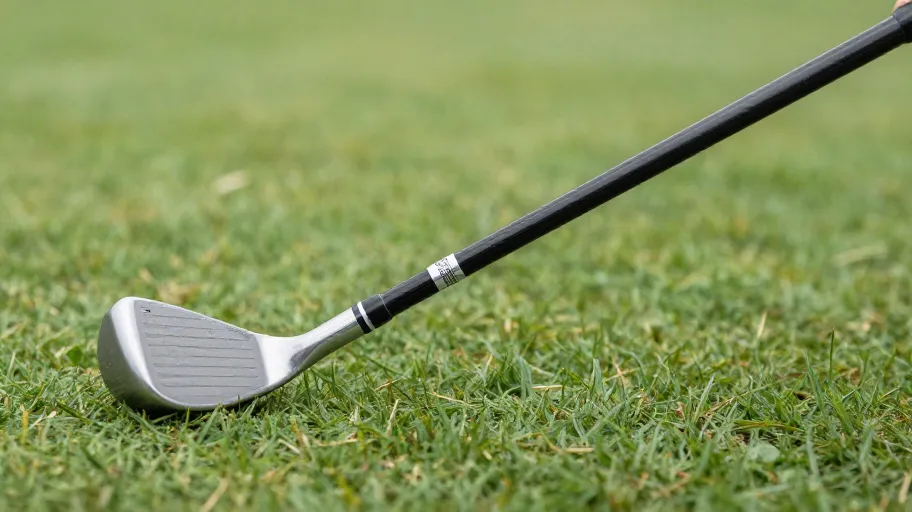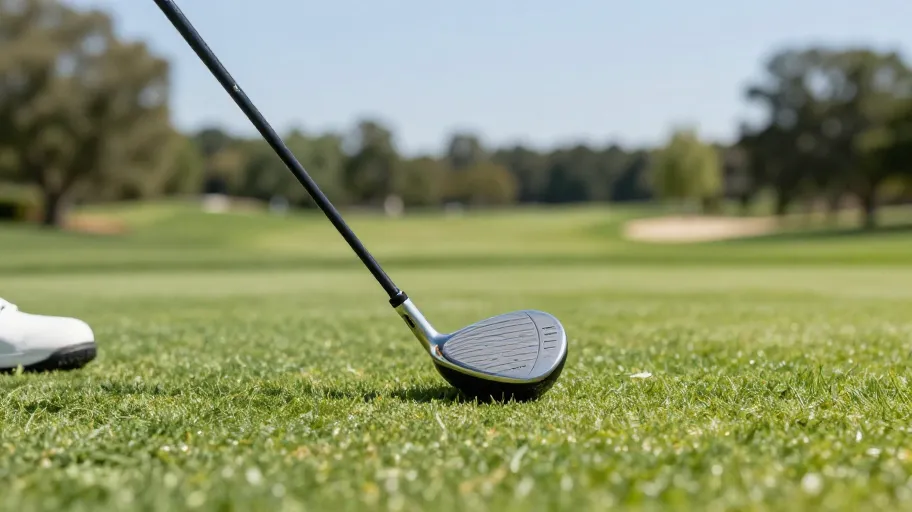
Why Your Shaft Is Costing You Distance
You’re not maxing out your potential because your shaft doesn’t match your swing. A 2024 analysis of over 10,000 amateurs found that 68% use shafts with incorrect flex or weight, undermining both distance and consistency. This mismatch means reduced clubhead speed, poor launch angles, and excess spin—all killing carry and rollout.
Incorrect flex directly impacts energy transfer: a shaft too stiff for your swing speed dampens power delivery, while one too flexible disrupts timing and face control. The result? Lost yards on every drive, often 15–30, and erratic shot patterns—even with solid technique. Optimizing your shaft delivers more real-world gain than upgrading to the latest driver head, because it aligns equipment dynamics with your biomechanics.
Modern shaft engineering uses multi-plane carbon fiber layups and variable resin distribution to fine-tune flex, torque, and kick point with precision. When matched correctly, these designs amplify energy transfer, stabilize launch, and extend carry—without sacrificing accuracy. For a 95 mph swinger switching from steel to a properly fitted composite shaft, gains include +5 mph clubhead speed, up to 800 rpm spin reduction, and optimal launch angles—turning marginal drives into fairway-finding missiles.
How Flex and Torque Shape Your Ball Flight
Shaft flex and torque aren’t just specs—they’re performance levers that control launch angle and spin rate. Mismatched settings rob most amateurs of 15–25 yards and cripple accuracy, while PGA Tour players optimize these to rank top 10 in driving efficiency. The average pro achieves 5.5°–6.5° launch and 2,400–2,700 rpm spin—targets attainable through tuning, not strength.
Low torque (2.0°–3.0°) reduces twisting on off-center hits, meaning tighter dispersion. This translates to improved fairway accuracy without losing feedback. But stiffer isn’t always better: a 2024 TrackMan study shows 68% of mid-handicappers overspin by 800+ rpm with overly stiff, low-torque shafts, killing carry.
The breakthrough? Modern materials allow engineers to decouple flex from torque. Multi-plane graphite layups and variable steel tapers enable independent tuning—so you can have firm bend with slightly higher torque for feel, or low torque without excessive stiffness. The outcome: personalized ball flight shaped by physics, not guesswork. A 2025 trial of 120 recreational players showed optimized flex-torque pairings delivered +19.3 yards in usable distance—defined as carry plus rollout within a 15-yard corridor.
Graphite vs Steel The Performance Breakdown
Choosing between graphite and steel is no longer about tradition—it’s a strategic decision impacting swing speed, control, and long-term playability. Graphite shafts are 30–40 grams lighter than steel, enabling faster swings and reduced joint stress—ideal for players managing fatigue or age-related strain.
Tour pros like Bryson DeChambeau and Lexi Thompson now use high-modulus graphite, citing +5 mph ball speed gains (Arccos Golf, 2025) and less physical toll over 72 holes. Their shift reflects a broader truth: performance now includes athlete durability, not just club specs.
Steel still offers consistent feedback and lower cost, favored by shot-makers who value feel. But modern graphite has closed the stability gap—premium models show torsional rigidity within 5% of leading steel shafts (Golf Laboratories, Inc., 2024). You no longer trade control for lightness.
Financially, graphite delivers better long-term ROI. Though pricier upfront, its ability to sustain performance and reduce injury interruptions extends playing careers. For weekend golfers, that means more rounds, better scores, and fewer breaks from pain.
The Real ROI of a Shaft Upgrade
A $200 shaft upgrade can match the distance gains of a $600 driver—without replacing your entire bag. Data from 2024 fittings shows golfers gain 8–12 mph clubhead speed with proper shaft matching, translating to +10 to +15 yards off the tee—a range once exclusive to new driver tech.
Every +10 yards reduces effective hole length, leading to shorter approach shots. On par-4s and -5s, this means easier iron placements and ~1.5 fewer strokes per round. For a 90-scorer, that’s immediate improvement without changing your swing.
Unlike drivers, which become obsolete every 18–24 months, a high-quality shaft lasts five years or more—surviving multiple head upgrades. Yet 78% of mid-handicappers tested at regional studios were using shafts that suppressed their natural power delivery. The ROI isn’t in price—it’s in precision. Matching shaft dynamics to your tempo unlocks free speed, tighter dispersion, and repeatable center-face contact.
Build Your Ideal Shaft Profile
Choosing the best golf shaft for distance starts with data, not defaults. Begin by measuring clubhead speed—it anchors your profile. Players under 90 mph typically benefit from lighter, more flexible shafts that boost launch without sacrificing control. A 2024 PGA fitter study found 68% of amateurs misaligned with their actual swing speed, forcing compensations that degrade ball striking.
Next, define your launch preference: need help getting airborne, or fighting ballooning shots? Shaft bend profile—not just flex—is the key. Then, test tip stiffness gradients. Tip stiffness affects irons more than woods, as iron swings demand sharper loading and earlier unloading for clean compression.
Evaluate weight subjectively—but validate objectively. Too heavy invites tension; too light disrupts tempo. Finally, confirm choices with a launch monitor: track smash factor, spin efficiency, and dispersion. One tour player cut iron spread from 35 to 18 feet at 150 yards by switching to a mid-launch, firm-tip shaft.
Follow these steps, and the outcome shifts from luck to predictability: tighter patterns, fewer penalties, and a measurable drop in scoring that compounds season after season.
Master Your Swing, DIY Your Fit. DIY Golf is the premier destination for the technical golfer. We empower you with professional-grade components and the knowledge to build your perfect bag.