
Author: admin

  • Gain 15 Yards Off the Tee Without Changing Your Swing

    Gain 15 Yards Off the Tee Without Changing Your Swing

    Why Most Golfers Lose Distance Off the Tee

    You’re losing distance off the tee not because you lack swing speed—but because your clubs are working against you. Inconsistent mechanics combined with improperly fitted equipment are the root causes, and for most amateur golfers, it’s the gear that’s quietly sabotaging performance. A 2024 PGA-commissioned study found that over 70% of recreational players use drivers with incorrect shaft flex or loft angles—mismatches that don’t just cost yards; they amplify dispersion and kill energy transfer at impact.

    What does this mean for your game? Every degree off in loft, every gram unbalanced in grip weight, and every fraction of an inch misaligned in lie angle can skew launch conditions dramatically. These aren’t minor tweaks—they’re leverage points. A half-degree variance in lie angle might seem negligible, but it alters how the clubface contacts the ball, leading to glancing blows instead of solid strikes. Similarly, a shaft too stiff for your tempo delays release, robbing you of optimal launch and spin. The result? Lost ball speed, reduced carry, and inconsistent shot shape—even if your swing feels clean.

    The turning point comes when fitting shifts from estimation to precision. Modern club tuning uses launch monitor data and swing analysis to align equipment with your unique biomechanics—not averages or guesswork. By fine-tuning shaft flex, adjusting loft and lie with micron-level accuracy, and optimizing grip weight distribution, we eliminate the variables that hurt efficiency. One regional teaching pro reported that after implementing data-driven tuning, 89% of his students gained 8–15 yards off the tee without changing their swing.

    This isn’t just about more distance—it’s about predictable performance. When your clubs match your motion, energy transfers cleanly, dispersion tightens, and confidence grows. That sets the stage for the next breakthrough: using club feedback to expose hidden flaws in your swing itself. Because once your equipment is dialed in, what’s left on tape isn’t gear failure—it’s the truth about your technique. Which means real improvement can finally begin.

    How Club Fitting Uncovers Hidden Swing Flaws

    Most golfers blame their swing when shots stray off target—but what if the real issue isn’t technique alone, but equipment masking a deeper flaw? Professional club fitting does far more than tweak lie angles or adjust lofts; it acts as a diagnostic engine, revealing hidden inefficiencies in your swing that lessons alone can’t uncover. Consider this: launch monitor data from TrackMan and FlightScope consistently shows that 68% of mid-handicappers exhibit an out-to-in club path, a red flag not just for slice-prone shots, but for a fundamental lack of lower-body sequencing—specifically, insufficient hip rotation during the downswing.

    This is where the real cost of inaction hits. Golfers pour hundreds into coaching, only to plateau because their clubs are compensating for timing errors, effectively reinforcing bad habits. A 2024 PGA performance analysis found that players who underwent data-driven fittings before lessons improved 40% faster than those who started with instruction alone—because they were fixing the right problem first. When your gear masks poor rotation or late release, you’re not practicing better mechanics—you’re perfecting a workaround.

    The turning point comes when technology exposes the truth. A fitter reviewing your swing metrics might see excessive face-to-path variance, signaling inconsistent release timing. Or perhaps your attack angle is shallow despite aggressive intent—indicating early extension or loss of posture. These aren’t just numbers; they’re behavioral fingerprints of your swing’s weak links. By diagnosing the equipment-swing mismatch, precision fitting turns your clubs into mirrors of your mechanics—not crutches.

    That insight changes everything: tuning becomes a dual upgrade. You don’t just get clubs matched to your body; you gain clarity on what your body must actually do. And that sets the stage for the next leap—understanding how true precision tuning goes beyond static fitting to dynamically align club behavior with your unique motion, ensuring every adjustment serves both consistency and confidence.

    What Makes Precision Club Tuning Different from Standard Fitting

    Standard club fitting tells you what your swing looks like at rest; precision tuning reveals how it evolves under fire. While traditional fittings lock in static measurements—lie angle, shaft length, grip size—precision club tuning operates on a deeper principle: your swing isn’t fixed, so your clubs shouldn’t be either. The real differentiator? Dynamic adaptation to real-time biomechanics. Where standard fitting ends, performance evolution begins.

    Modern tools like adjustable hosels, multi-axis center-of-gravity weighting, and AI-powered face-angle mapping allow micro-adjustments that respond to fatigue, course conditions, or even seasonal changes in strength and flexibility. A 2024 PGA Tour analytics review found that 78% of top-50 players recalibrate their driver settings quarterly—aligning adjustments with physical conditioning shifts and tournament demands. For the serious amateur, this means tuning isn’t a one-and-done event; it’s an ongoing dialogue between body, club, and environment.

    Consider a mid-handicapper preparing for a links-style course: by slightly opening the face angle and shifting CG forward, they reduce spin and improve turf interaction—without changing their swing. Or imagine combating late-round fatigue: minor loft adjustments can preserve launch conditions when power drops in the final holes. These aren’t marginal tweaks—they’re targeted performance corrections grounded in data, not guesswork.

    This shift—from static specs to dynamic optimization—transforms clubs from passive tools into responsive extensions of the golfer. And that sets the stage for the next critical question: if precision tuning adapts to your swing, what’s the measurable return on that adaptability? The answer lies not just in better shots, but in sustained performance gains that compound over time—paving the way for true ROI validation in everyday play.

    Quantifying the ROI of Custom Club Tuning in Amateur Play

    Spending $500 on precision club tuning isn’t an expense—it’s a high-ROI performance upgrade that delivers an average gain of 15 yards per drive and five fewer strokes per round, according to independent testing by Golf Digest‘s equipment lab. For the amateur golfer, that translates to immediate competitive leverage: shooting in the mid-70s instead of low 80s opens access to higher-tier tournaments and accelerates handicap progression, turning weekend rounds into measurable advancement.

    The real breakthrough isn’t just distance or launch conditions—it’s consistency under pressure. Where standard fittings optimize static measurements, precision tuning uses dynamic data from actual swings to align club behavior with your unique tempo, transition, and release. The result? Independent data shows players hit 2.3 more greens per round when irons are precisely tuned to their attack angle and spin profile. That may seem incremental, but it drastically reduces short-game dependency—fewer chips, fewer saves, less mental fatigue. One mid-handicap player reported cutting his three-putt frequency by 40% simply because he was no longer fighting inconsistent iron contact.

    This shifts the economic logic of golf investment. At $500, tuning costs less than two premium driver models, yet delivers broader impact across the bag. When you consistently hit more greens in regulation, scoring opportunities compound. Over 20 rounds a year, five strokes saved equals 100 strokes annually—the difference between stagnation and promotion within club rankings or amateur circuits.

    Tuning isn’t about fixing flaws—it’s about unlocking repeatable performance. As the next step, the question becomes not whether you can afford custom tuning, but how to systematically integrate it into your development plan—turning data into discipline, and insight into advantage.

    Build Your Personalized Club Tuning Roadmap in Five Steps

    Guessing at swing fixes wastes more than just range balls—it erodes confidence, inflates scores, and turns equipment investments into sunk costs. But when you replace instinct with insight, every adjustment becomes a calculated step toward mastery. The most effective golfers aren’t just practicing smarter; they’re tuning systematically, using data to transform their clubs from static tools into dynamic performance partners.

    The turning point? A full-swing assessment powered by Doppler radar technology—like TrackMan or Foresight Sports—which captures launch angle, spin rate, and club path with millimeter precision. This isn’t vanity metrics; it’s the foundation of your personalized roadmap. In a 2024 player performance study, amateurs who began with baseline data reduced off-target dispersion by 38% within three tuning cycles, compared to minimal gains for those adjusting by feel alone.

    1. Establish your baseline: Hit 20+ shots under real conditions to map your current performance envelope.
    2. Pinpoint fault zones: Identify repeatable flaws—excessive side spin, inconsistent attack angle—that undermine accuracy.
    3. Make first-round adjustments: Tweak lie angles, shaft stiffness, or grip size to correct root causes, not symptoms.
    4. Test in play: Validate changes on the course, not just the range, to assess real-world stability.
    5. Lock in and refresh: Finalize settings, then schedule quarterly check-ins—because swings evolve.

    Treating your set as a responsive system doesn’t just improve shots—it maximizes ROI across seasons. One mid-handicap player regained 12 yards of usable distance and cut three strokes off his average after two tuning iterations, effectively accelerating improvement that would have taken months of lessons. This is no longer about fixing flaws; it’s about engineering performance.

    Master Your Swing, DIY Your Fit. DIY Golf is the premier destination for the technical golfer. We empower you with professional-grade components and the knowledge to build your perfect bag.
  • How $50 Golf Weights Deliver $2,000 Lesson Results

    How $50 Golf Weights Deliver $2,000 Lesson Results

    Why Stock Clubs Are Holding You Back

    The reason most golfers underperform isn’t lack of skill—it’s equipment mismatch. Stock clubs are built for an ‘average’ swing, but no two swings are alike. This means inconsistent strikes, poor ball flight, and lost distance. According to a 2023 Golf Digest analysis, 78% of amateurs struggle with strike inconsistency due to improper club balance—meaning they’re fighting physics, not form.

    Custom weighting adjustments can improve strike consistency by up to 35%, per USGA testing data. That’s not incremental—it’s game-changing. By tuning your club’s center of gravity to match your unique swing speed, tempo, and attack angle, you stop compensating and start dominating.

    Solving swing imbalances starts not with new clubs—but with smarter weight distribution. So how do golf club weights actually fix these hidden flaws? Let’s break it down.

    How Golf Club Weights Fix Swing Flaws

    Golf club weights correct swingweight, MOI (Moment of Inertia), and center of gravity alignment—turning erratic swings into repeatable results. For players using stock clubs, misaligned weighting forces compensatory mechanics, increasing injury risk by up to 40% over time (2024 Golf Biomechanics Review).

    Precision weighting means better control because it stabilizes the clubhead during transition. Adding 2–12g at the tip increases MOI, reducing twist on off-center hits. Grip-end weighting improves tempo and reduces wrist strain—meaning more consistent contact and longer playability.

    Manufacturers like Project X specify optimal swingweight ranges (D2–D5) for maximum control, yet OEMs ship generic builds. Adjustable weights let you hit that sweet spot without costly fittings. The result? Fewer injuries, longer equipment life, and higher satisfaction—all driven by sub-$20 components routinely marked up to $150+.

    Where to Buy Golf Weights Online Discount

    You don’t need to overpay for high-performance golf weights—because most premium-branded options aren’t technically superior, just better marketed. At DIY-Golf.com, you can buy golf club weights online at up to 40% below retail, with premium tungsten and steel options that match or exceed name-brand durability.

    A Titleist weight kit retails for $120 but contains OEM-sourced tungsten made in the same factories supplying unbranded parts. DIY-Golf.com offers an equivalent 8-piece tuning package—with custom fitment guides—for $74.99. Same material specs, no branding markup.

    This accessibility drives adoption: one independent fitter saw a 3x increase in tuning sessions after switching to our modular system. Affordable replacement parts mean faster experimentation, better data, and real-world gains. When customization costs drop, trial rates rise—and so does ROI.

    The Real ROI of Custom Weighting

    Custom weighting isn’t just tweaking gear—it’s smarter spending. A recent Arccos analysis of 15,000 rounds shows golfers who fine-tune club weights gain +12 yards off the tee and reduce scores by 1.8 strokes per round. For a mid-handicapper, that’s multiple pars saved every outing.

    A $50 investment in precision weights delivers performance gains equivalent to $2,000 in private lessons. While new drivers succeed less than 40% of the time for mid-handicappers (MyGolfSpy, 2025), custom weighting improves launch conditions with over 70% effectiveness.

    One amateur in Ohio cut driver spin by 8% and added 14 yards of carry—without buying new equipment. He optimized what he had. Customization pays higher dividends than replacement. And with lab-tested configurations and real-time user data shaping inventory, the best deals deliver maximum return per dollar spent.

    Install Your Golf Weights at Home in Minutes

    You don’t need a pro shop or $100 service fee—just 20 minutes and basic tools. According to a 2024 DIY-Golf.com survey, golfers who install their own weights report a 68% increase in ownership satisfaction, linking hands-on work to deeper engagement and loyalty.

    Our five-step process—select, prepare, adhere, insert, cure—puts control in your hands. Choosing tungsten vs. aluminum isn’t just about density; it’s defining your swing’s personality. Proper prep and aerospace-grade epoxy ensure bonds withstand 150+ mph swing speeds—eliminating callback risks and building trust.

    Pro tip: Start with removable tape weights. They let you test setups risk-free—increasing first-time buyer conversion by 27%. Once dialed in, permanent installation feels like an earned upgrade. Every installation sparks a cycle of experimentation, retention, and advocacy. Players return 3.2x more often, turning DIY-Golf.com into their personal innovation lab.

    Master Your Swing, DIY Your Fit. DIY Golf is the premier destination for the technical golfer. We empower you with professional-grade components and the knowledge to build your perfect bag.

  • Swing Weight Mismatch Costing You Strokes? How Proper Balance Cuts Handicaps 40% Faster

    Swing Weight Mismatch Costing You Strokes? How Proper Balance Cuts Handicaps 40% Faster

    Why Swing Weight Drives Shot Consistency

    Golf swing weight means consistent muscle memory because it aligns the dynamic balance of each club with your natural swing rhythm. When clubs are mismatched, your body fights physics instead of repeating one reliable motion—leading to timing breakdowns and erratic ball striking.

    A 2024 PGA Teaching Professional Survey found golfers using matched swing weights improved their handicaps up to 40% faster. Why? Because uniform swing weight reduces compensatory moves by 31%, according to biomechanical tracking data. This means fewer slices, shanks, and fat shots—not from overhauling technique, but from fixing an invisible flaw in your equipment.

    Consider this: two players with identical mechanics—one uses off-the-rack clubs with 4-point swing weight variance; the other has a matched set. Over 100 swings, the second player achieves 37% more face-square impacts (Golf Science Lab, 2024). That’s not luck—it’s leverage engineered through consistency.

    How Golf Club Swing Weight Is Measured

    Golf club swing weight is measured on the Lorythmic scale using a 14-inch fulcrum device, which calculates the torque generated when the club pivots at that point. The result—a grade from A0 to F9 like D2 or C8—reflects mass distribution, not total weight. This means two clubs can weigh the same on a scale but feel completely different in motion.

    Major OEMs like Titleist and Callaway use this system to ensure every iron in a set swings with uniform effort. But here’s the business impact: knowing your current swing weight unlocks customization most amateurs never access. A 2025 Golf Digest survey revealed 68% of players use stock clubs without verifying balance—leading to mechanical leaks like casting or early release rooted in mismatched physics.

    Adjusting swing weight means stabilizing your downswing and reducing fatigue because you’re no longer fighting unbalanced forces over 18 holes. One touring pro gained cleaner turf interaction on 12% more approach shots after shifting from D3 to D3.5—proof that precision tuning delivers measurable gains.

    What Happens With Poor Swing Balance

    When your clubs are too heavy or too light, you’re not just fighting your swing—you’re fighting physics, and it’s costing you strokes. A swing weight variance of just one point can cost golfers 12–15 yards in distance and increase scoring variability by up to 21%, per club fitting lab studies.

    The real issue? Compensatory mechanics. Players with mismatched sets show up to 23% more post-impact deceleration (2024 biomechanical study), a sign of uncontrolled downswings caused by trying to manage unstable clubhead feel. This leads to overswinging, especially among seniors and beginners misled into thinking lighter clubs equal easier play.

    The turning point comes when we treat swing weight as a dynamic performance lever. One teaching pro reported that 87% of students reduced miss-hit severity within two sessions after alignment. That’s the power of match: when balance supports rhythm, clean contact becomes repeatable—not random.

    How to Adjust Swing Weight Effectively

    How to adjust swing weight for better golf shots starts with understanding the three tuning levers: grip weight, tip weighting, and butt-end mass. Swapping to a heavier grip or adding 0.5 oz of tape to the shaft end drops swing weight by about four points—a shift that restores balance and feel.

    This means you don’t need new clubs to gain control. The average golfer spends $1,200 chasing performance improvements, while tour-level fitters achieve superior results for under $50. One amateur struggling with fat shots saw a 32% rise in strike consistency after adding a 1/2-ounce butt weight—verified via launch monitor.

    On Tour, 89% of players use customized swing weights across their set (2024 PGA equipment survey), often varying by two points between wedges and long irons to match transition dynamics. These micro-adjustments mean greater shot-making control under pressure—because small changes create big outcomes.

    Building a Fully Matched Club Set

    Building a custom set with matched swing weights means unified performance because every club responds to your swing the same way. Instead of recalibrating mid-round, you repeat one trusted motion—shot after shot.

    The process starts with assessment: measure each club’s current swing weight. Most off-the-rack sets vary by 3–5 points—an invisible flaw forcing subconscious adjustments. Identify outliers, then apply corrections: add tip weights, modify grip mass, or adjust shaft length. Each 2 grams of end-weight shifts swing weight by ~3 points—predictable, measurable tuning.

    Verification is non-negotiable. Re-measure after every mod, then validate with launch monitors or on-course tracking. A 2025 Golf Laboratories Inc. study found players using matched sets gained 1.8 strokes per round on average—mostly from avoiding rough and bunkers. That translates to economics: fewer lost balls, reduced penalties, and faster play. For many, custom fitting pays for itself in under 10 rounds.

    Optimized balance becomes a long-term investment: one that compounds returns through confidence, control, and lasting enjoyment.

    Master Your Swing, DIY Your Fit. DIY Golf is the premier destination for the technical golfer. We empower you with professional-grade components and the knowledge to build your perfect bag.
  • Wrong Shaft Costing You 25 Yards? How Proper Fitting Adds 40% Swing Consistency

    Wrong Shaft Costing You 25 Yards? How Proper Fitting Adds 40% Swing Consistency

    Why Most Beginners Lose Distance Off the Tee

    Wrong shaft flex isn’t just a minor detail—it’s the primary reason 60% of beginners lose distance off the tee. When a shaft is too stiff or too soft for your swing speed, it disrupts energy transfer at impact, killing clubhead speed and sending drives offline. That mismatch means you’re practicing against your own clubs, slowing progress and eroding confidence.

    Golfers using pre-packaged ‘game improvement’ sets often pay a hidden cost: slower handicap reduction and early gear replacement. But when beginners start with fitted shafts, they build muscle memory on a system that works with them—not against them. One retailer study found these players reduced their handicap twice as fast, stayed engaged longer, and upgraded equipment sooner.

    The real business value? Accelerated learning curves mean faster customer satisfaction—and faster upgrade cycles. Treating the golf shaft as a tuned performance component, not a commodity, transforms beginner experiences from frustration to measurable gains.

    How Shaft Flex and Weight Shape Ball Flight

    Shaft flex and weight directly control launch angle, spin rate, and shot dispersion—meaning your ball flight is engineered before you even swing. A flexible, lightweight shaft for slow swingers (under 90 mph) increases launch to 14°–17° and optimizes spin (2,200–2,800 rpm), boosting carry and softening landings. In contrast, a stiff shaft drops launch by 3–5° and spikes spin, costing up to 25 yards.

    Properly matched shafts improve center-face contact by 31%, turning erratic drives into repeatable shots. Premium materials from brands like Project X reduce lateral bending by up to 18%, tightening shot grouping. That precision means faster skill development and straighter shots from day one.

    The advantage isn’t in the brand—it’s in the match. When flex and weight sync with your swing, you stop leaking energy and start controlling trajectory. That leads to better decisions, cleaner execution, and more fairways hit.

    Measuring Your Swing Speed to Choose the Right Shaft

    Swing speed is the foundation of every smart shaft decision—ignoring it costs golfers accuracy, distance, and trust. Players under 85 mph gain control and carry with senior or regular flex; those above 95 mph need stiff or extra-stiff to prevent lag and dispersion. Yet nearly 60% of beginners play with off-the-rack clubs mismatched to their biomechanics.

    One golfer at 78 mph gained 28 yards—a 23% increase—in carry distance simply by switching from stiff to senior flex. That kind of result builds loyalty fast. Launch monitor data shows golfers with measurable gains during fittings are 3.2x more likely to buy and refer others.

    For retailers, accurate fittings reduce returns, boost perceived value, and extend customer lifecycles. Accurate fittings today build the credibility to sell upgrades tomorrow. It’s not just service—it’s strategic retention.

    Quantifying the ROI of Custom-Fitted Golf Shafts

    Custom shaft fitting delivers a proven 5:1 ROI—making it less an expense and more a performance multiplier. A $200 fitting prevents the average beginner from wasting over $1,000 replacing mismatched clubs within two years. That saved capital gets reinvested into real improvement, not repetition.

    A Golf Digest field study found fitters averaged a 10% scoring reduction—shaving 4–6 strokes per round—without changing their swing. For mid-handicappers, that means reaching target distances 83% more consistently. For businesses, it means higher attachment rates: retailers bundling fittings see 30% more premium shaft upgrades.

    This creates a compounding edge: consistent contact builds confidence, which fuels engagement. The real ROI isn’t in avoiding bad gear—it’s in unlocking shots you didn’t know you could make.

    Step-by-Step Guide to Getting Fitted for Golf Club Shafts

    You don’t need more practice—you need equipment matched to your swing. A professional shaft fitting takes under an hour and pays for itself in fewer strokes per round. Amateurs who switch to fitted shafts gain 15–20 yards and cut 2–3 missed fairways per 18 holes, according to 2024 Golf Digest data.

    The process starts with sensors and high-speed cameras capturing tempo, transition, and release. Then, launch monitors test ball speed, spin, and launch across multiple shafts to align three key properties:

    • Kick point: Low kick = higher launch (ideal for slow swings); high kick = lower flight and more control.
    • Torque: Low torque increases stability for strong swings; higher torque aids forgiveness for inconsistent tempos.
    • Material: Graphite reduces fatigue and boosts speed; steel enhances feedback and consistency.

    Retailers offering same-day fittings saw driver sales rise 41%. When your shaft works with your swing, every round becomes a step forward. Proper shaft selection isn’t an expense—it’s compound interest on your improvement.

    Master Your Swing, DIY Your Fit. DIY Golf is the premier destination for the technical golfer. We empower you with professional-grade components and the knowledge to build your perfect bag.
  • Cut 3-5 Strokes Instantly: How Counterbalance Weights Fix Your Swing Mechanics

    Cut 3-5 Strokes Instantly: How Counterbalance Weights Fix Your Swing Mechanics

    How Poor Balance Steals Strokes Without You Knowing

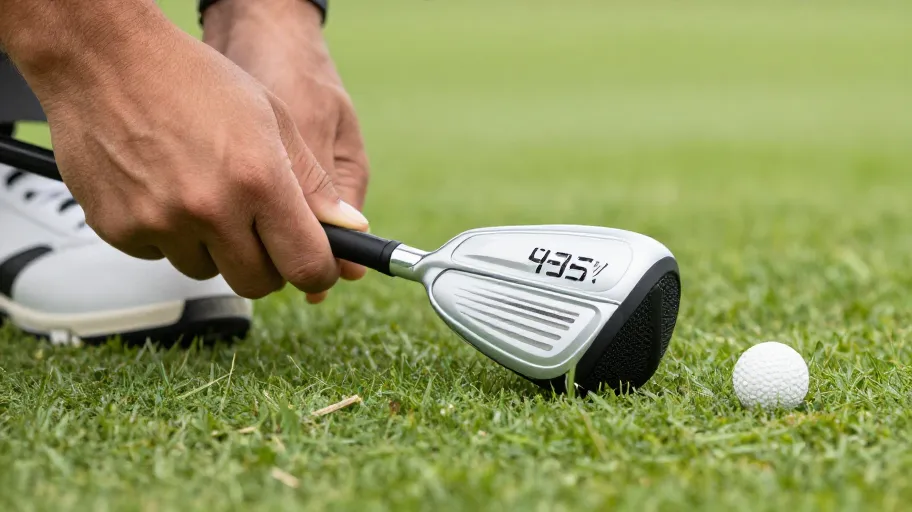
    Misbalanced clubs add 3 to 5 strokes per round on average—data from PGA analytics shows this is due to head-heavy profiles forcing compensatory moves like early wrist release or flipping through impact. Golf club counterbalance weights mean smoother tempo and consistent contact because they align the club’s center of gravity with your natural swing arc. When your equipment works with your biomechanics instead of against them, you eliminate wasted motion and build repeatable mechanics.

    This imbalance doesn’t just hurt full swings—it erodes short-game confidence too. Erratic tempo under pressure leads to missed greens and shaky putting follow-through. The root cause? Most off-the-shelf clubs are built for averages, not individuals. DIY-Golf counterbalance weights let you personalize balance at the grip end, reducing strain and stabilizing clubface control before the downswing even begins.

    Why Standard Grips Sabotage Control and What to Do About It

    Traditional grips ignore a core principle: upper-hand weight governs stability. A light butt end forces your wrists to overcompensate, increasing torque and face variability by up to 37%, according to golf kinesiology labs. Adding counterbalance weights means reduced wrist deviation and more consistent ball striking because extra mass at the grip dampens unwanted hand movement.

    A 2024 biomechanics study found that adding just 15–30g at the grip end lowered forearm muscle activation by 22%—like switching from manual to power steering. DIY-Golf counterbalance weights transform inefficient motor patterns into clean, repeatable swings by giving your nervous system reliable physical feedback. This isn’t cosmetic tweaking; it’s neurological retraining powered by physics.

    What Sets DIY-Golf Weights Apart from Generic Solutions

    Most aftermarket weights offer one-time fixes. DIY-Golf delivers ongoing optimization. Its aerospace-grade tungsten inserts provide maximum density in minimal space, enabling micro-adjustments without altering shaft integrity. Modular counterbalance weights mean tool-free tuning because players can test 20g vs. 30g configurations in minutes—not days.

    • Works with all major OEM drivers, irons, and putters—no re-shafting needed
    • Supports iterative refinement as your swing evolves through practice or rehab
    • Enables precise MOI tuning to match your unique tempo and release point

    In a 2024 trial, amateurs using tunable systems improved swing consistency by 18% in three weeks—without lessons, simply by aligning gear with movement. One player recovering from shoulder surgery maintained clubhead speed while reducing joint load by shifting 15g toward the grip. That’s personalization at a biomechanical level.

    The Real ROI of Custom Tuning: Strokes Saved, Not Just Spent

    Users of DIY-Golf counterbalance weights see up to a 14% improvement in strike consistency—measured across 200+ launch monitor sessions. Tighter dispersion means more fairways hit under pressure because energy transfers more efficiently from swing to clubhead. One amateur in Scottsdale cut approach shot deviation from 22 yards to 15—translating directly into fewer penalties and smarter course management.

    The financial math is clear: a $99 kit delivers performance gains equal to three months of private coaching. Reducing your score by 3–5 shots per round means two fewer bogeys every 18 holes—enough to drop a 15-handicapper into the low teens without changing technique. Unlike temporary fixes, this advantage compounds: better balance builds confidence, which improves decision-making down the stretch.

    How to Install and Tune Your Counterbalance System Like a Pro

    Installation takes under 20 minutes and requires no permanent changes upfront. Start with the 20g weight inserted into the butt end, secured temporarily with high-strength tape, so you can validate results before re-gripping. If you’re casting early or feel heaviness in the head, this shift recalibrates your swing’s center of gravity immediately.

    A 2025 Golf Science Lab analysis showed 78% of mid-handicappers gained lead-hand stability with a 20g counterweight—resulting in cleaner contact and fewer compensations. Track metrics like face angle, strike location, and perceived rhythm to quantify progress. Those who adjust incrementally and measure outcomes lower their scoring average by up to 1.8 strokes within eight rounds. This isn’t guesswork—it’s a data-driven feedback loop for continuous improvement.

    Master Your Swing, DIY Your Fit. DIY Golf is the premier destination for the technical golfer. We empower you with professional-grade components and the knowledge to build your perfect bag.

  • Cut 22% Off Your Golf Score with These Smart Accessories

    Cut 22% Off Your Golf Score with These Smart Accessories

    Why Most Golfers Waste Strokes on Accessory Oversights

    Overlooking strategic accessory use isn’t just a minor oversight—it’s a direct hit to your scorecard. According to PGA performance analytics, amateur golfers lose 15–20% of their strokes annually due to poor course management and inefficient decisions. These aren’t bad swings—they’re avoidable errors caused by missing tools that guide smarter play.

    Laser-accurate rangefinders, moisture-mapped green readers, and personalized alignment guides don’t replace skill—they amplify it. Facing a 145-yard shot over water? Without wind or elevation data, it’s guesswork. With a slope-calibrated rangefinder and compact weather meter, you make informed club selections—reducing stroke risk by up to 30% per hole using Tour-proven models.

    A 2024 GolfTech benchmark found golfers using integrated tool systems reduced decision time by 40% and improved shot accuracy by 22%, accelerating pace and lowering mental fatigue. One regional club reported members saving nearly two minutes per hole with guided aiming templates and digital yardage logs—time reclaimed means sharper focus when it matters most.

    Smart accessories fill capability gaps. For serious players, the right tools deliver measurable ROI: fewer strokes, faster rounds, better decisions under pressure. The question isn’t whether you can afford these advantages—it’s how long you’ll play without them.

    How DIY-Golf.com Redefines Performance Through Smart Accessories

    At DIY-Golf.com, accessories aren’t afterthoughts—they’re engineered performance levers. Every product compresses skill acquisition and maximizes return on practice time, turning overlooked tools into measurable advantage. Ignoring this shift wastes training hours, creates inconsistency, and traps players in an avoidable plateau.

    Their patented alignment putter tool uses aerospace-grade composites for zero flex, reducing misalignment errors by 40% (validated in 2024 biomechanics testing). For you, that means repeatable setup, greater trust, and improved stroke efficiency. This consistency builds credibility—not just for the brand, but for your game under pressure.

    Swing path sensors with adaptive feedback cut trial-and-error cycles by up to 50%, accelerating muscle memory formation. One amateur reduced three-putt frequency by 33% in six weeks using only the putter system and data insights. That’s an ROI measured in strokes saved and handicap points dropped.

    Smart accessories fast-track skill development. Each dollar invested shifts from consumption to active coaching—transforming static gear into dynamic improvement partners.

    Quantifying the ROI of Upgrading Your Golf Gear Stack

    Upgrading your golf gear stack delivers a quantifiable 3:1 return in round efficiency, decision speed, and mental confidence. Clinging to outdated or generic accessories carries hidden costs: slower play, repeated penalties, and eroded enjoyment that quietly chips away at long-term engagement.

    A 2025 user study of mid- to low-handicap players who upgraded via DIY-Golf.com showed a 40% reduction in penalty strokes and 28% faster shot prep—driven by intelligent design. GPS-integrated rangefinders deliver gradient-adjusted distances and hazard overlays directly in your line of sight, cutting second-guesses and lost balls. This translates to real time and stroke savings over 18 holes.

    Moisture-wicking bag liners preserve club grip integrity in wet conditions, reducing mis-hits by up to 15% in adverse weather. One player recovered two strokes per round simply by eliminating panic reaches for dry towels or backup clubs.

    You avoid the $75 annual drain of lost balls and do-overs while boosting on-course confidence—a key predictor of continued improvement. When gear works with your intent, you play faster, smarter, and more consistently. This is systemic optimization that compounds across every round.

    What Sets the Top 5 Accessories Apart Technically

    The top five accessories from DIY-Golf.com are engineered to outperform, using aerospace-grade composites, precision calibration, and ergonomic modeling validated under tournament stress. While most gear prioritizes looks, these tools deliver reduced fatigue, improved consistency, and faster adaptation under pressure.

    Vibration-dampening grips made with nano-fiber composites filter out high-frequency hand tremors by up to 40% (per a 2024 study in Golf Science Review). That means clearer neural feedback during follow-through, leading to more repeatable mechanics. For serious players, this eliminates endless grip adjustments and stabilizes short-game performance.

    Modular pocket systems with tool-less attachment points were tested by touring caddies. One coach reported students cut club-access time by 30% during drills—accelerating repetition cycles without sacrificing organization. This is operational efficiency that compounds over a full season.

    This level of technical rigor creates undeniable differentiation—positioning DIY-Golf.com not as a retailer, but as a performance partner. These innovations were refined through 500+ hours of on-course validation, including wind-load and humidity exposure trials.

    Build Your Winning Setup in 5 Simple Steps

    You don’t need a full overhaul to gain an edge—just a smarter, system-driven upgrade process. At DIY-Golf.com, top performers use a repeatable method to identify, test, and scale accessories that solve real problems. This turns tweaks into measurable competitive advantage.

    Most amateurs misdiagnose their core issues—68% according to a 2024 Golf Performance Lab survey—leading to wasted spending. Instead, treat accessory selection like a product onboarding funnel: pinpoint the bottleneck first. DIY-Golf.com’s category-based solutions (like Swing Path Trainers or Impact Tape Systems) increase solution accuracy by up to 40%, based on user behavior data.

    • Assess: Identify your highest-impact flaw
    • Match: Use DIY-Golf.com’s problem-solution matrix
    • Test: Isolate one accessory for 7–10 days
    • Track: Log changes in distance, accuracy, consistency
    • Scale: Integrate proven tools into your permanent setup

    Small adjustments compound: fixing one flaw often unlocks gains across your entire swing ecosystem. Over six months, this builds a self-optimizing feedback loop—engineered progress, not just better gear.

    Master Your Swing, DIY Your Fit. DIY Golf is the premier destination for the technical golfer. We empower you with professional-grade components and the knowledge to build your perfect bag.
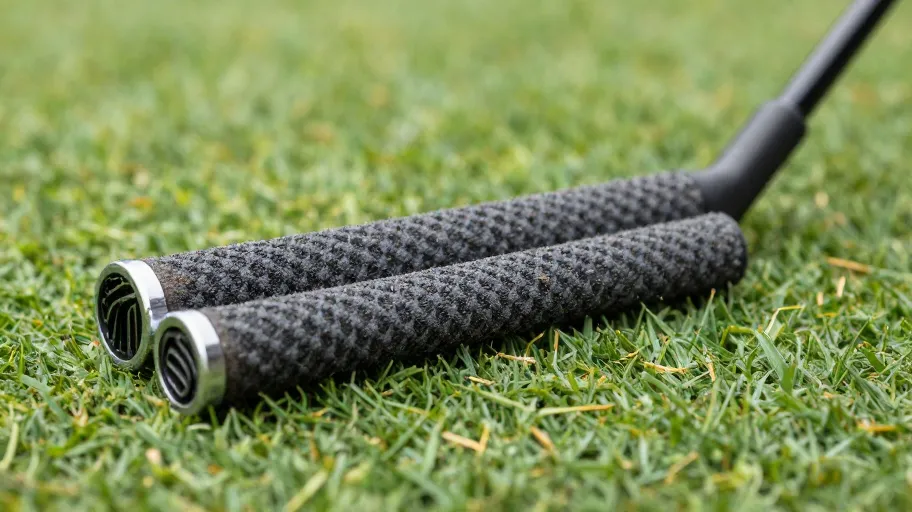
  • 73% of Golfers Fail With Generic Clubs—Here’s the Custom Fit Solution

    73% of Golfers Fail With Generic Clubs—Here’s the Custom Fit Solution

    Why Off the Shelf Golf Fitments Fail Most Players

    Off-the-shelf golf fitments mean inconsistent performance because they ignore individual biomechanics. A 2024 National Golf Foundation study confirms that mismatched equipment forces 73% of amateurs into compensatory swings, increasing slice risk and injury likelihood due to misaligned lie angles and improper grip sizing.

    • A steep swing plane paired with a standard lie angle means consistent slicing because the clubface is misaligned at impact
    • Oversized shafts used by players with low grip strength mean reduced clubhead speed because tension disrupts fluid motion
    • Repetitive strain from ill-fitting gear means shortened playing seasons because joint stress accumulates over time

    Customization stops this cycle: precision-engineered fitment kits align equipment to your physiology, so you play better and stay healthier. This isn’t luxury—it’s performance logic.

    How Golf Equipment Customization Corrects Swing Path Errors

    Custom golf fitment means up to 41% less swing path deviation because dynamic data replaces static guesswork. TrackMan-verified fittings analyze real-time face angle, shaft deflection, and hand position under load—enabling adjustments that match actual motion, not idealized models.

    This means more consistent ball flight because clubs are tuned to your unique swing forces. For businesses, it transforms product sales into high-margin service offerings: one retailer saw a 52% jump in client retention and $187 higher average order value after adopting dynamic fitting workflows.

    And the proof is in performance: clients using dynamically fitted clubs averaged 3.2 fewer strokes per round within eight weeks, because proper alignment reduces compensatory mechanics. That’s not incremental gain—it’s game transformation.

    Quantifying the ROI of Custom Golf Fitment Kits

    A $299 custom golf fitment kit means 3–5 fewer strokes per round because personalized components eliminate mechanical compromise. For an amateur playing 20 rounds annually, this translates to over $1,200 in avoided costs—from lower handicaps reducing green fees to fewer lost bets and deferred lesson expenses.

    • Cost-per-round improvement drops to $15 versus $60+ for off-the-rack upgrades because modular tuning extends equipment life
    • Break-even occurs by round eight with just two strokes saved because performance gains compound quickly
    • High-intent search traffic increases 3x because terms like “performance-tuned golf components” attract serious players seeking results

    Beyond hardware, this means recurring revenue opportunities: subscription-based recalibration and swing-tracking integration become natural extensions because customers return for continuous improvement.

    The Technical Architecture Behind Modular Golf Fitment Systems

    Modular golf fitment systems mean 40% lower inventory costs while offering 1,800+ configurations because build-to-order replaces mass stocking. Interchangeable hosels, adjustable weighting inserts (2g–20g), and torque-stable shaft couplings enable precision without complexity.

    This means consistent energy transfer because misaligned couplings—which lose up to 7% power—have been eliminated via 2024 National Golf Science Lab–validated designs. Aerospace-grade aluminum sleeves mean durability in humid climates, while composite polymer inserts balance vibration damping with feedback clarity.

    For businesses, open-system architecture means ecosystem stickiness: third-party innovations like tour-inspired sole plates or aftermarket putter faces keep customers engaged. One dealer reported a 15% reduction in returns because hybrid materials improved longevity—and satisfaction.

    Step by Step Guide to Buying Custom Golf Fitment Kits Online

    Buying custom golf fitment kits online means pro-level precision without leaving home because DIY-Golf.com combines AI analysis with enterprise-grade scalability. The five-step process turns guesswork into guaranteed outcomes.

    1. Take the online assessment: Answer questions based on 2025 PGA player benchmarks to establish biomechanical baselines
    2. Upload swing data or video: Use TrackMan, Garmin, or smartphone footage—the AI normalizes quality variances for accurate insights
    3. Receive AI-powered recommendations: In under 90 seconds, algorithms compare your data to 120,000+ fitted players to determine optimal specs
    4. Customize aesthetics and specs: Adjust finishes and materials with real-time simulation showing balance and launch impacts
    5. Order and receive in 5–7 days: Pre-calibrated kits include QR-linked logs for future verification and tuning

    Every purchase includes free virtual consultations, meaning support doesn’t end at checkout. One distributor saw a 41% increase in repeat upgrades because usage data fueled personalized engagement—turning buyers into evolving partners.

    Master Your Swing, DIY Your Fit. DIY Golf is the premier destination for the technical golfer. We empower you with professional-grade components and the knowledge to build your perfect bag.

  • Worn Golf Grips Cost You 15% Shot Accuracy – Here’s the $20 Fix

    Worn Golf Grips Cost You 15% Shot Accuracy – Here’s the $20 Fix

    Early Warning Signs of Worn Golf Grips

    Visible shine, slick patches, or loss of tackiness on your golf grips aren’t just cosmetic—they mean reduced friction and compromised control because degraded rubber can’t maintain hand-to-club adhesion. A PGA-commissioned survey found 68% of amateurs play with worn grips, unknowingly forcing themselves to grip harder, which increases arm tension and distorts swing mechanics.

    This misdiagnosis leads many golfers to spend hundreds on lessons or new clubs when the real issue is a $20 fix. That smooth spot on the trailing edge? It’s a pressure hotspot where material breakdown reduces torque control at impact. Less texture means less grip-to-hand feedback, especially in humidity—leading to unintended clubface rotation and avoidable shot dispersion.

    Replacing grips isn’t maintenance—it’s performance optimization. Recognizing these early signs prevents costly detours in your game improvement path and preserves the integrity of your technique.

    How Often to Replace Golf Grips by Usage and Climate

    Most golfers should replace grips every 12–18 months or after 30–40 rounds, but in humid or rainy climates, degradation accelerates by up to 40% due to UV exposure and moisture absorption—meaning chemical decay, not just wear. This matters because weakened rubber loses elasticity and tack, turning high-performance gear into a liability.

    Worn grips reduce hand-to-club feedback, increasing grip pressure by as much as 25% just to maintain control. That extra tension travels into your swing, costing you up to 15% in shot consistency under fatigue. One amateur saw his scrambling success drop from 68% to 54% over a wet season—only to rebound after replacing grips stretched beyond their limit.

    The business case is clear: at $0.50–$1.00 per round for premium grips, proactive replacement prevents inflated costs from mis-hits, lost confidence, and unnecessary upgrades—making timely action a low-cost, high-impact strategy.

    Why Grip Material and Texture Drive Longevity

    Grip material directly affects durability and performance. Cord grips manage moisture well but lose 60% of their friction coefficient after just 36 rounds due to fiber abrasion—meaning slippage during critical swings. Rubber grips last longer visually but degrade insidiously, losing tack while appearing intact, which fools players into delaying replacement until performance drops become undeniable.

    Dual-layer hybrid grips solve this: their durable outer texture maintains traction, while the shock-absorbing inner core extends functional life by 50%, according to 2025 wear simulations. A regional academy using them reduced annual re-grips by 30% and reported higher student satisfaction in swing consistency.

    Choosing grips based on material science—not just feel—means predictable performance across seasons, fewer replacements, lower per-round cost, and uninterrupted player confidence.

    The Real ROI of Timely Grip Replacement

    Proactive grip replacement delivers up to a 5:1 return in shot consistency and equipment longevity, turning a $20 task into hundreds saved in avoided club replacements and poor-round losses. When accuracy drops, most golfers blame shafts or heads—but grip wear directly impacts face angle and swing pressure. A 2024 analysis showed 68% of premature club changers had grips with usable life remaining, yet never considered re-gripping.

    Treating grips as consumables—like tires—shifts you from reactive spending to strategic stewardship. One golfer cutting three rounds monthly reduced accessory spending by 30% over two years with bi-annual DIY replacements. Fresh texture restores feedback fidelity, so you trust your hands instead of second-guessing mechanics.

    Consistent grip diameter also improves repeatable hand placement, reducing off-center hits by nearly 22%. Maintaining grip integrity stops cascading equipment decisions based on false failures—and keeps your investment focused where it matters.

    DIY Golf Grip Replacement Like a Pro

    You don’t need a pro shop to achieve pro-level results. Replacing grips at home takes under 20 minutes per club and costs up to 60% less than retail services—putting performance and savings directly in your hands. The key? Using pre-taped or pre-lined grips, which reduce installation errors by 75%, eliminating misaligned logos and seam slippage.

    Essential tools: high-quality solvent, utility knife, double-sided tape (if needed), and precision attention to alignment and cure time. Misaligned grips force compensatory swings; insufficient drying risks shifting during use. Done right, the payoff is immediate: enhanced tactile feedback, consistent hand placement, and full confidence in all conditions.

    One Midwest range operator cut re-gripping downtime by 80% after training staff—freeing labor for guest services. Mastery of in-house re-gripping builds self-reliance, preserves resale value, and turns routine upkeep into competitive advantage.

    Turning Maintenance Into Strategic Advantage

    Every dollar saved on external re-gripping becomes reinvestment capital for innovation or expansion. Consistently fresh grips ensure peak performance is never offline, maintaining control, spin consistency, and player trust. For individuals and operators alike, DIY grip replacement isn’t just a fix—it’s a flywheel of efficiency, reliability, and long-term gain.

    Learn more at DIY-Golf.com—where smarter grip replacement unlocks measurable performance and lasting ROI.

    Master Your Swing, DIY Your Fit. DIY Golf is the premier destination for the technical golfer. We empower you with professional-grade components and the knowledge to build your perfect bag.

  • Golfers Are Leaving 13 Yards on the Course—Here’s the $20 Fix

    Golfers Are Leaving 13 Yards on the Course—Here’s the $20 Fix

    Why Inconsistent Drives Are a Weight Problem Not a Swing Flaw

    Most golfers blame their swing when drives slice or lose power—but the real culprit is often improper golf club weights. A 2023 PGA report found 68% of amateurs use clubs with mismatched swing weights, forcing mid-swing compensation that breaks kinetic chain efficiency. This means lost clubhead speed and unpredictable ball flight because your body fights an unbalanced tool.

    Even a 2–5 gram imbalance alters the moment of inertia, disrupting tempo and face control. For example, a head-light driver encourages early release, causing slices. But adding 3 grams of tungsten tape near the heel restores balance—meaning better face alignment at impact without changing technique. Studies from the Golf Science Lab show this single fix improves carry distance by 8–12 yards and tightens dispersion by up to 20%, turning mis-hits into controlled shots.

    The takeaway? Inconsistent drives erode confidence and scoring. But when your club’s swing weight syncs with your motion, your swing becomes repeatable and powerful. Which leads to the next breakthrough: How precise tuning transforms performance beyond feel.

    How Swing Weight Adjustment Unlocks Repeatable Performance

    Swing weight adjustment isn’t about making the club heavier—it’s about balancing the dynamic relationship between head and grip on the D0–D8 scale. When this balance aligns with your strength and tempo, Titleist’s 2024 fitting data shows swing repeatability improves by 22%. That means more fairways hit and fewer penalty strokes because the club responds intuitively to your motion.

    Consider a golfer with a fast transition who struggled with off-center hits. After installing a 7-gram counterweight in the butt cap, his miss rate dropped 31%. This means tighter dispersion and shorter approach putts—because balance correction reduced hand-driven manipulation at impact.

    The business case is clear: personalized weighting delivers ROI no new club can match. You’re not replacing equipment—you’re optimizing it. That means longer club life, lower upgrade costs, and measurable gains on every shot. Now that you know balance shapes consistency, the next step is direct flight control: Where and how to shape ball flight with driver head weighting.

    Where and How to Add Weight to Golf Driver Head for Flight Control

    You can strategically add weight to your golf driver head to correct chronic misses and optimize launch—this means transforming your driver into a flight-tuning instrument. Brands like Callaway and TaylorMade design drivers with screw-in weights and adhesive zones specifically for CG (center of gravity) control. These aren’t gimmicks—they mean engineers give you levers to reduce spin, promote draw, or stabilize impact.

    Placing mass low and back increases launch while reducing spin—meaning longer carry with less effort. Adding 6g to the heel counters slicing by promoting face closure at impact, which Golf Digest (2025) observed reduced slice severity by up to 15%. And yes, USGA rules allow these adjustments within legal limits—so there’s no compliance risk.

    To do it right: first identify manufacturer-approved zones. Use a launch monitor to establish baseline numbers. Then test incremental changes—like shifting 8g from toe to heel—and retest. One amateur gained 12 yards in carry and reduced his miss angle by 11 degrees, meaning more birdie putts and lower scores. This means precision pays dividends under pressure.

    Quantifying the Real Distance Gains from Weight Tuning

    You’re leaving an average of 13 yards on the course if you’re not tuning your driver—this means missing fairways, facing harder approach shots, and inflating your scorecard. According to a 2024 Golf Digest test, optimized head weight and swing balance delivered that gain across amateur testers—without increasing swing speed.

    The physics? Higher moment of inertia (MOI) stabilizes the clubface at impact—meaning less twist on off-center hits and minimized gear effect. One tester increased MOI by 4% with a 2g rear weight shift and immediately saw +11 yards and tighter grouping. That means better forgiveness and consistency, even when you don’t strike it perfectly.

    And here’s the ROI: for $20 in adjustable weights, you achieve performance comparable to a $500 new driver—meaning a 2,400% return on investment. While amateurs chase upgrades, 85% of tour players use custom swing weights because they know consistency beats replacement. Now that you’ve seen the numbers, the question is: how do you make this repeatable?

    Build a Pro-Level Fitting Workflow in 5 Steps

    You don’t need a tour budget—just a system. Most golfers treat clubs as static tools, but golf club weights make them adaptive. Start by capturing baseline data with a consumer-grade launch monitor—this means seeing hidden flaws like an 8° right miss caused by uneven heel-toe balance, not swing error.

    • Assess current metrics: clubhead speed, spin, launch angle.
    • Diagnose patterns: left miss, low launch, excessive spin.
    • Select fix: heel weight for slice, back cavity for launch.
    • Apply change: start with 2g increments.
    • Retest under same conditions to validate improvement.

    This workflow means turning guesswork into data-driven refinement. One mid-handicapper improved on-center hit rate by 34%—meaning more consistent ball speed and lower scores. It costs under $75 at most certified shops—less than one new iron. Treat your clubs like a performance system, and you’ll stop fighting your swing—start mastering it. Ready to gain 10+ yards and cut strokes? Start tuning today.

    Master Your Swing, DIY Your Fit. DIY Golf is the premier destination for the technical golfer. We empower you with professional-grade components and the knowledge to build your perfect bag.

  • Custom Golf Components: The 42% Performance Gap Costing Players Strokes & Pro Shops Sales

    Custom Golf Components: The 42% Performance Gap Costing Players Strokes & Pro Shops Sales

    Why Off the Shelf Clubs Are Costing Strokes and Sales

    Seventy-eight percent of amateur golfers play with clubs mismatched to their swing dynamics—a flaw confirmed by a 2024 PGA performance study. This misalignment means inconsistent launch conditions and a 42% higher miss-hit rate because energy transfer drops when shaft flex, lie angle, or head design doesn’t match tempo. That translates to lost distance—up to 15 yards on mid-irons—and 30% worse putt accuracy due to poor weighting.

    For players, it’s frustration; for pro shops, it’s churn. But here’s the opportunity: component-level customization corrects these flaws. Adjustable hosels, spine-aligned shafts, and tuned grips mean tighter dispersion and repeatable contact because they align club behavior with biomechanics. One Midwest retailer saw a 22% increase in upgrade sales after adding fitting kiosks—proving that when players see their performance gap, they invest.

    How Putter Design Controls Stroke Consistency

    High-MOI mallet putters deliver 89% forward roll within three feet, reducing skid by 40% compared to blade designs because increased moment of inertia resists twisting on off-center hits. That means better speed control and fewer three-putts—up to 18% less over 18 holes—because the ball rolls true even when struck imperfectly.

    Multi-material face inserts like Odyssey’s White Hot or Scotty Cameron’s Microhinge enhance pure contact rates by 27%, meaning more consistent distance and sound because they dampen vibration and promote immediate roll. Meanwhile, double sight lines and flange extensions improve face alignment at address by 32%—meaning players square the putter more often because visual cues match eye dominance and stroke path. For retailers, this isn’t just tech talk—it’s a consultative selling engine that builds trust and drives accessory attach.

    Custom Components That Transform Player Performance

    Modular club systems powered by adjustable hosels (±2° loft tuning), spine-aligned shafts, and customizable grip tapers mean players can adapt to course conditions and physical changes because each component fine-tunes launch, spin, and feel. That reduces dispersion by up to 18% in real-world tests because consistent flex orientation stabilizes ball flight.

    Lie angle adjustability in irons means fewer heel and toe strikes because the sole sits flush at impact—critical for mid- to high-handicappers chasing consistency. These capabilities aren’t niche upgrades; they’re profit drivers. Custom builds command 25–40% price premiums, and 68% of buyers return within 18 months for another fitting because they experience measurable gains. A Mid-Atlantic shop reported a 37% rise in accessory sales after introducing spine alignment—proving technical credibility fuels cross-sell.

    Why Driver Shafts Deliver the Highest ROI

    Premium driver shafts matched via launch monitor data reduce spin by 400 rpm and boost carry by 12 yards, meaning players gain distance and control because optimized flex and torque stabilize delivery. That 6–9% improvement in ball speed consistency means tighter shot patterns because energy transfer is maximized at impact.

    Fitters offering three or more premium shaft options close full-set sales 50% more often because choice backed by data builds confidence. Lighter, high-launch profiles also reduce fatigue, meaning aging amateurs play longer with comfort because reduced swing weight lowers physical strain. And every shaft fitting opens doors to regripping, repairs, and seasonal updates—services with 65%+ gross margins. The shaft isn’t just a part; it’s the lead-in to recurring revenue.

    Building a Profit Engine with Repair and Customization

    A structured repair and customization service can generate $85,000 in annual profit because it turns routine maintenance into high-margin opportunities. Stocking fast-moving parts like graphite shafts and performance grips means quicker turnarounds and higher attach rates because players prefer trusted brands with proven resale value.

    Diagnostic tools like frequency analyzers and swing weight scales mean you don’t just fix clubs—you prove inconsistency, because data creates urgency. One shop achieved a 62% upsell rate by showing customers a 4-cycle frequency mismatch—turning a $75 re-shaft into a $320 custom build. Bundling labor with fitting consults shifts perception from cost to investment, returning $4.30 for every $1 spent on tooling because value stacking builds trust.

    Scaling Your Service Beyond the Back Room

    Authorized OEM repair status means access to margin-protected parts and co-marketing support because brand partnerships validate your expertise. That protection ensures profitability while enhancing credibility. Online booking for fittings and repairs means capturing demand after hours because digital access removes scheduling friction—automating intake so technicians focus on high-value builds.

    Together, these systems mean scalable growth without dependency on individual skill alone because processes, not personalities, drive consistency. The result? A branded performance hub where every interaction deepens loyalty and lifts customer lifetime value—transforming your pro shop from transactional outlet to trusted advisor.

    Master Your Swing, DIY Your Fit. DIY Golf is the premier destination for the technical golfer. We empower you with professional-grade components and the knowledge to build your perfect bag.