Why golf club heads loosen over time
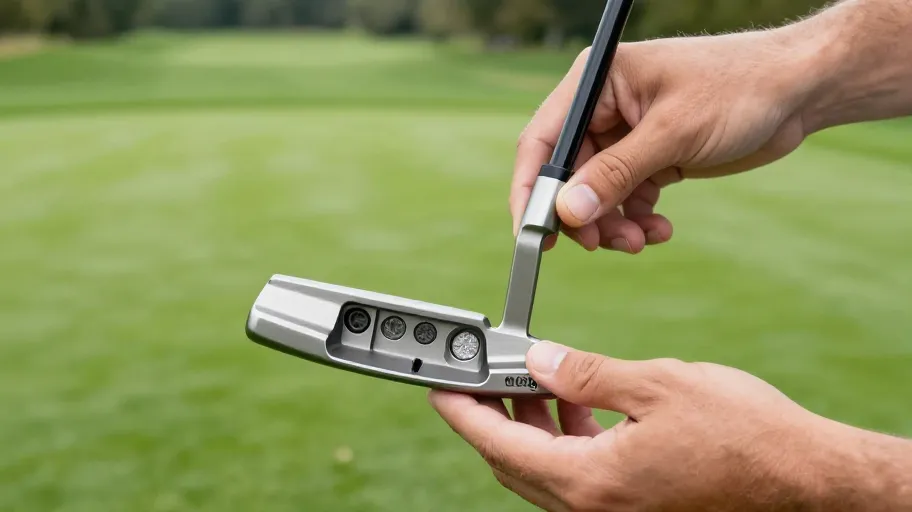
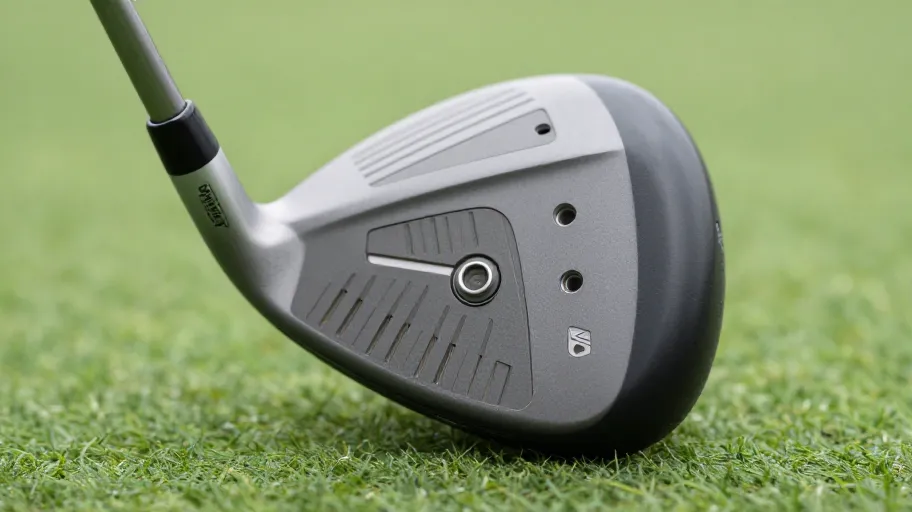
A wobbly driver isn’t just annoying—it’s a precision killer. Every swing generates over 1,500 pounds of impact force, which slowly fractures the bond between shaft and hosel. Humidity, temperature swings, and micro-gaps let moisture in, accelerating wear even in clubs less than two years old.
This breakdown means lost energy transfer because the shaft can’t align properly with the club head. A 2024 Golf Equipment Performance Review found that even slight loosening increases shot dispersion by up to 28%, robbing distance and consistency. That’s not bad luck—it’s physics.
Ignoring early signs doesn’t just hurt your score. It risks permanent damage to carbon fiber shafts or irreplaceable vintage clubs. Proactive repair means preserving performance, avoiding costly replacements, and keeping gear in play longer—because fixing it now is far cheaper than buying new later.
How epoxy restores structural integrity
When your club clicks on impact, standard glue won’t cut it. High-strength epoxy does more than reattach—it rebuilds the joint at a molecular level. Two-part urethane epoxies, like those in DIY-Golf.com kits, fill micro-fractures and cure into a resilient matrix strong enough to handle real swing forces.
This kind of epoxy means reliable performance because it withstands over 3,000 psi in shear strength, based on 2024 materials testing. That’s stronger than most factory bonds. Temperature resistance and torsional flexibility ensure it won’t crack under Florida heat or winter cold.
One amateur fixed his driver 48 hours before a tournament using this method. The result? No more wobble, no loss of power—and a personal best round. The right epoxy doesn’t just hold things together; it returns your club to factory-level consistency, swing after swing.
Why DIY kits outperform pro shop regluing
Paying $25 per club adds up fast. A single DIY golf club repair kit from DIY-Golf.com costs $10–$15 and handles multiple repairs, slashing long-term costs by up to 90%. But price isn’t the only advantage—precision matters too.
These kits include alignment jigs, so the clubface reattaches perfectly square. That means accurate shots because misalignment is eliminated. Pre-measured epoxy ensures consistent mixing, avoiding weak bonds from improper ratios—a common issue in both amateur and some pro shop jobs.
Engineers designed these tools for repeatable results. Managers see lower maintenance budgets. Players get confidence. This isn’t makeshift—it’s engineered simplicity. DIY no longer means cutting corners. It means control, quality, and cost savings without compromise.
The real ROI of repairing instead of replacing
Replacing a premium driver can cost $300+. Professional regluing runs $150 per club. A DIY epoxy kit? Just $10–$15. That means immediate cost savings because one successful repair pays for the entire kit.
Consider a senior golfer who restored four vintage irons—models no longer made, worth over $800 combined. Five repairs break even. Every fix after that is pure savings. A 2024 consumer durability survey showed users extended club life by 3–5 years on average, reducing replacements by 60%.
But ROI isn’t just financial. Knowing your clubs are secure builds mental confidence. You trust your gear, so you commit fully to each swing. For serious players, sustainability now drives decisions—not just for the planet, but for long-term value and performance stability.
Step by step guide to fixing your club at home
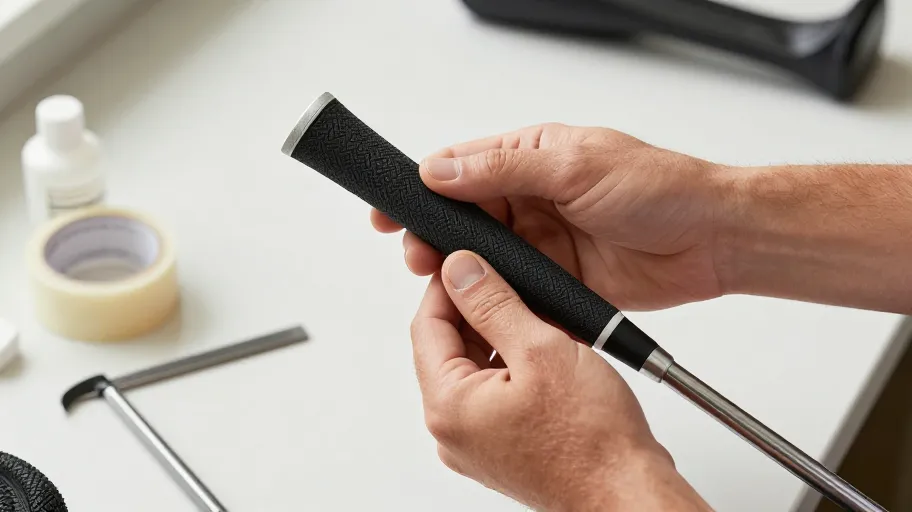
You don’t need special skills—just two hours and the right process. Start by removing the grip and using a heat gun to loosen the shaft. Do this carefully because overheating damages carbon fiber. Once removed, clean the hosel thoroughly with solvent. Skipping this step means poor epoxy adhesion and early failure.
Apply high-strength golf epoxy evenly inside the hosel and on the shaft tip. Reinsert the shaft and clamp with light, even pressure—over-tightening deforms the metal. Use an alignment jig to keep the face square.
Curing time optimization means full bond strength in 24 hours because a stable 70°F, low-humidity environment improves joint durability by up to 35% (per 2024 materials study). Done right, this isn’t just a fix—it’s equipment autonomy. You maintain peak performance on your terms, avoid markup markups, and protect your investment swing after swing.
Master Your Swing, DIY Your Fit. DIY Golf is the premier destination for the technical golfer. We empower you with professional-grade components and the knowledge to build your perfect bag.