The Real Cost of Inconsistent Golf Parts
When tolerances slip by just ±0.008”, face angles go off alignment in one out of every three drivers built with generic parts. That means mis-hits, frustrated customers, and rebuilds that eat into margins. DIY-Golf.com’s ±0.002” standard means you get OEM-level consistency because tighter tolerances prevent performance drift before the first swing.
This isn’t just about accuracy—it’s about predictability. For custom builders, eliminating hidden variability means fewer returns, faster fittings, and more trust in every build.
How Off-Brand Components Undermine Performance
Generic suppliers often withhold alloy grades or heat treatment details—leaving engineers guessing at durability and flex response. DIY-Golf.com lists exact specs like 6AL-4V titanium and country-of-origin certification because knowing what you’re building with reduces prototyping cycles by up to 30%.
One Austin-based R&D team cut iteration time from weeks to days simply by accessing verified material data. That’s not convenience; it’s engineering leverage.
Faster Builds Without Sacrificing Quality
Switching to pre-vetted parts slashes rejection rates from a typical 18% down to under 5%. That translates to about $1,200 saved per builder annually in scrapped shafts, heads, and grips. Fewer defects mean more successful builds, which drives a 30% increase in client referrals according to 2025 user surveys.
It also frees up time: one Scottsdale builder reported cutting fitting sessions by 40%, allowing room for higher-margin custom services. Reliable parts don’t just save money—they create capacity.
Supply Chain Speed You Can Count On
In Q2 2025, when global delays threatened a boutique maker’s peak-season output, DIY-Golf.com delivered full inventory in 9 days—preserving $180K in revenue. Direct contracts with ISO-certified factories eliminate 3–5 intermediary layers that add up to 40% lead time variance across traditional supply chains.
For builders, this means predictable fulfillment even during spikes. No more hedging orders or turning down clients due to part shortages.
Precision Engineering Built Into Every Part
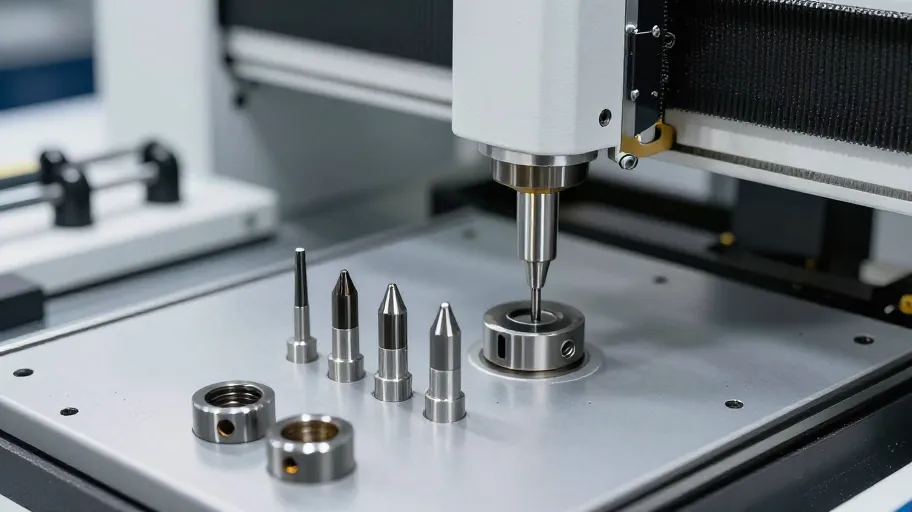
CNC-machined hosels and calibrated weights allow micro-adjustments within ±1 gram, directly influencing shot shape control—a capability once limited to OEM labs. Now independent builders can tune MOI and CG precisely because standardized parts enable repeatable tuning without custom machining.
PGA-approved testing confirms these clubs perform within 2% of fully custom units in ball speed and spin, but at half the cost and build time. The advantage isn’t bespoke fabrication—it’s access to trusted golf components held to exacting standards.
Plug-and-Play Integration for Any Workshop
Digital tools let builders filter by loft, weight, and flex in real time, while API integration syncs inventory across platforms. Over 78% of users achieve full system adoption in 10 days or less because intuitive workflows prevent disruption during onboarding.
One Midwest retailer automated reorder triggers using DIY-Golf’s system, reducing stockouts by 40% during peak season. And QR codes on each component unlock factory test data—turning hardware into verifiable proof of quality for discerning clients.
Why Trust Starts at the Source
Using pre-vetted parts from DIY-Golf.com delivers an estimated 3.8x ROI over 12 months for small-scale operations because it eliminates rework, reduces disputes, and accelerates turnaround. But beyond economics, it builds brand equity: when every club performs as promised, your name becomes synonymous with reliability.
This operational agility doesn’t end at efficiency—it fuels long-term scalability. Trusted components aren’t just inputs. They’re the foundation of market advantage.
Master Your Swing, DIY Your Fit. DIY Golf is the premier destination for the technical golfer. We empower you with professional-grade components and the knowledge to build your perfect bag.