Why Off the Rack Clubs Fail Serious Players
Mass-produced golf clubs are built for an average player who doesn’t exist. That means if your swing is outside the statistical norm—whether due to height, tempo, or physical limitations—you’re playing with misaligned specs from day one.
Incorrect lie angles and shaft flex mismatches aren't minor quirks—they cost real strokes. The PGA’s 2024 Fitting Report found 78% of recreational players use clubs with wrong lie angles, and over 60% have mismatched shafts. TrackMan data confirms this leads to more off-center hits, lower ball speed, and inconsistent launch conditions—adding 15+ strokes per round for some golfers.
This isn’t just poor performance—it’s systemic inefficiency. Factory-built clubs can’t adapt, but your body does. When equipment fails to keep up, you pay the price in frustration and scorecards.
How Modular Components Redefine Custom Fit
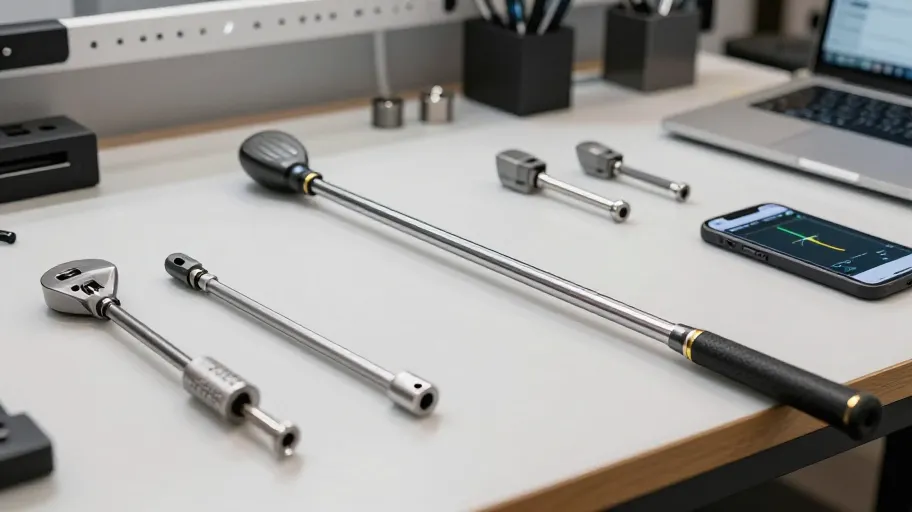
Modular DIY golf components turn customization into a repeatable process, not a luxury service. Adjustable hosel sleeves let you fine-tune loft and lie to match your attack angle. Interchangeable weights shift center of gravity based on your swing path—so you can dial in draw bias or reduce spin without buying a new head.
These parts use ISO-standard threading and CNC-machined interfaces, meaning sub-millimeter accuracy is guaranteed. True Temper and Tour Edge systems deliver the same repeatability used in tour vans. That precision means measurable gains: Golf Digest’s 2025 study showed matching driver loft to attack angle added 12 yards of carry on average.
You gain direct control over every variable—loft, lie, balance, spin profile—without recurring fitting fees. One amateur tested five shafts over a weekend using a single head, saving $400 and gaining 8 mph in ball speed. When fit becomes iterative, results become predictable.
The Hidden Costs of Professional Custom Builds
A custom driver from a pro shop averages $475, even though parts cost only $160. That 65% markup covers technician labor and proprietary software—not better materials or outcomes. You're paying for access, not advantage.
Now, that edge is available at home. Smartphone-compatible launch monitors under $200 capture the same data as $5,000 TrackMan units. Pair them with free swing weight calculators and torque-rated tools, and you’ve closed the feedback loop: test, adjust, validate—all without service fees.
This isn’t just cheaper—it’s smarter. You own the data, the process, and the improvements. Custom golf club building shifts from passive purchase to active optimization, putting performance engineering in your hands.
Step by Step Assembly of a Custom Driver
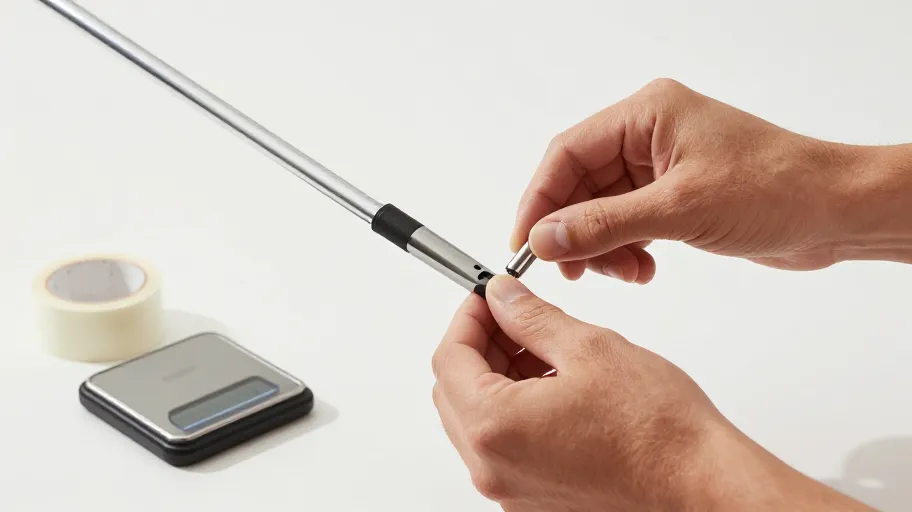
Building a high-performance driver at home takes less than two hours. Start with a torque wrench set to 5–6 in-lbs: USGA’s 2023 guidelines show face angle deviations beyond 1.5° cause over 10 feet of lateral dispersion at 250 yards. Proper torque prevents this, keeps warranties intact, and meets tournament standards.
Use heat-activated epoxy and a precision heat gun to install the shaft. Align the shaft spine—a tour-level technique that reduces torsional deflection. Misaligned shafts increase shot dispersion; proper alignment tightens it by up to 18%. Then set loft and lie via the adjustable sleeve, and verify swing weight matches your biomechanics.
You’re not just assembling parts—you’re creating a data-driven prototype. Each build refines your understanding of what works, turning your garage into a personal R&D lab.
Tuning Your Club for Long Term Performance Gains
Your swing changes. Temperature, fitness, and even fatigue affect mechanics. A static club can’t adapt—but yours can. Using interchangeable weights and ongoing launch monitor integration, you maintain optimal launch conditions year-round.
The 2025 Arccos Performance Index found golfers who adjust gear based on shot data lower their bogey rate by 18%. Adding a 10g sole weight in winter restores draw bias lost to stiffness. Small tweaks prevent long-term flaws—just like predictive maintenance in industrial systems.
This continuous calibration turns your how to build custom golf clubs at home project into a living system. It’s not a one-time build. It’s a personalized performance engine that evolves with you.
Master Your Swing, DIY Your Fit. DIY Golf is the premier destination for the technical golfer. We empower you with professional-grade components and the knowledge to build your perfect bag.