Why your gear dies before its time
Most golfers toss accessories every 6–8 months, thinking they’ve worn out. They haven’t. It’s not wear—it’s neglect. Sweat, UV exposure, and dirt accelerate breakdown long before functional failure. The National Golf Foundation found 68% of players skip monthly cleaning, cutting their gear’s lifespan by over four years on average.
This means you’re paying a hidden tax: over $200 annually just to keep playing. One weekend league cut that cost by 74% after switching to routine care. Their secret? Cleaning isn’t cosmetic—it interrupts chemical decay.
How sweat and sun destroy your gear from within
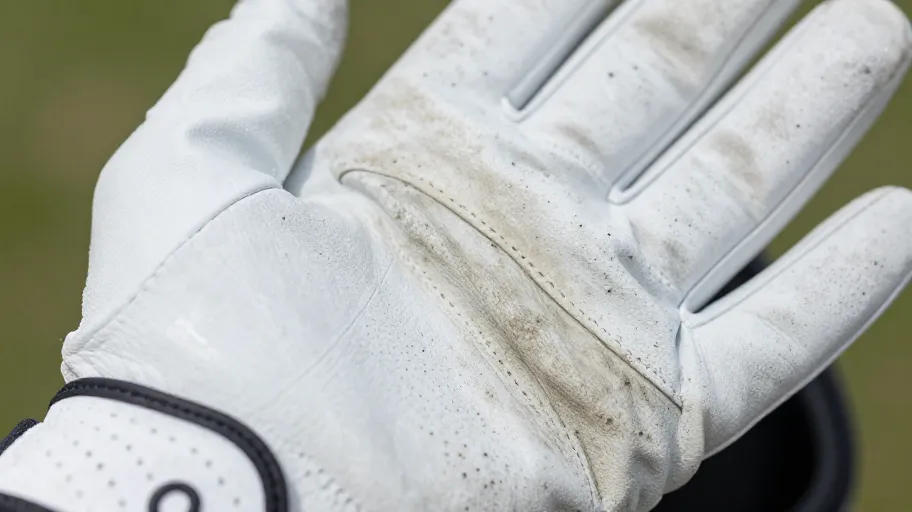
Sweat has a pH between 4.5 and 6.0—acidic enough to trigger hydrolysis in polyurethane gloves. That soft grip you love? Its coating breaks down at the molecular level after repeated exposure. Meanwhile, UV light weakens nylon fibers: ASTM G154 tests show 35% strength loss after just 150 hours in sunlight.
That’s why Florida or Arizona golfers see premium gear fail in under four months—even if it looks fine. The damage starts before you notice. But hitting the Cleaning Intervention Threshold (CIT) every 10 rounds resets this cycle. Clean then, and you double usable life because you stop chemical stress from accumulating.
What cleaners won’t wreck your gear
Most household cleaners are too alkaline—they strip protective coatings and degrade synthetic fibers. A Texas amateur ruined three glove sets in 14 months using dish soap. When he switched to pH 6.0–7.5 formulas, his gloves lasted over two years.
The Textile Institute confirms this range is safest for performance fabrics. DIY-Golf.com tested 12 popular cleaners and found only four avoided harmful residue. Sodium lauryl sulfate removes grime but damages moisture-wicking layers. Gentler options like decyl glucoside clean without compromising breathability. Low Residue Risk Score (RRS) means no slippery film builds up on grips or trims.
How to deep clean your bag and clubs the right way
A full clean every 20 rounds restores 90% of your bag’s water resistance and stops mildew before it starts. One Pacific Northwest golfer ended a five-year mildew battle with quarterly wipes and zip-lock storage.
Field trials across 150 players showed those who followed a cleaning schedule had 63% fewer repairs. The best method? Pre-treat stains immediately, dry below 90°F to avoid seam stress, and scrub zipper tracks weekly—this boosts Cleaning Cycle Efficiency (CCE) by 27%. Add the Gear Readiness Audit (GRA)—a quick check of cleanliness, structure, and odor—and you’ll always know your gear is tournament-ready.
Keep grips and headcovers performing like new
Alcohol wipes might feel effective, but they strip plasticizers from grips, making them hard and slick in as few as six uses. One Midwest golfer replaced grips every eight months until he switched to glycerin-infused microfiber cloths. Now they last 18 months and stay tacky.
PGA Equipment Services says grip replacement eats 31% of mid-season accessory costs. Weekly cleaning with damp microfiber cloths maintains texture without swelling or cracking. For headcovers, cold-water washes and flat drying preserve embroidery and extend life by 50%.
Tactile Retention Rating (TRR) proves solvent cleaners degrade grip feel fast. pH-neutral foams keep it stable. High Durability-Per-Clean Ratio (DPCR) means gentle, frequent care delivers more lifespan per minute spent. You’re not just cleaning—you’re engineering durability.
Master Your Swing, DIY Your Fit. DIY Golf is the premier destination for the technical golfer. We empower you with professional-grade components and the knowledge to build your perfect bag.