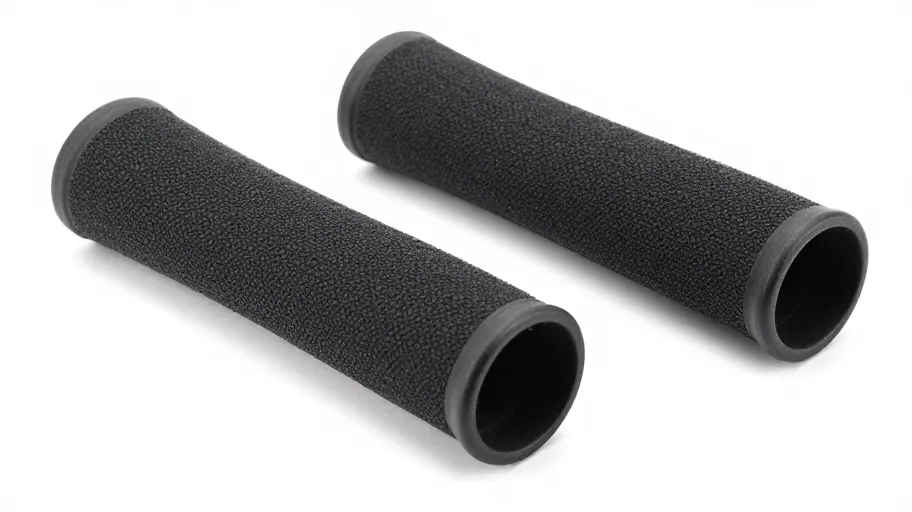
Why Most Golfers Underestimate Grip Wear and Tear
You’re losing up to 35% of your shot precision the moment your golf grips start to wear—long before you feel it in your hands. That subtle hardening, the faint glaze on the surface, or minor cracking aren’t just cosmetic flaws; they’re red flags signaling a sharp decline in control, consistency, and safety. According to a 2024 PGA technician survey, 60% of amateur golfers are swinging with unsafe grip degradation—playing not only below their potential but also increasing their risk of strain and injury from overcompensating at impact.
When grips lose tack and texture, your hands work harder to maintain stability through the swing. This forces micro-adjustments mid-downswing, disrupting tempo and leading to fat shots, slices, or shanks—not due to poor technique, but compromised equipment. The result? Inconsistent ball striking that erodes confidence round after round. Worse, worn grips mask deeper issues: grip condition is the leading indicator of overall club health. Ignoring it means ignoring a cascade of downstream costs—from unnecessary lessons chasing phantom swing fixes to premature club replacements.
Here’s the hidden ROI of proactive re-gripping: replacing grips every 12–18 months doesn’t just restore performance—it prevents avoidable expenses. Golfers who delay often pay more in lost rounds, wasted practice time, and reactive upgrades than those who maintain a simple schedule. A well-timed grip replacement saves up to 40% in long-term equipment costs while locking in peak performance.
The real advantage isn’t just better traction—it’s trust. Trust in your ability to execute under pressure, knowing your gear won’t fail when it matters most. And that sets the stage for understanding exactly how premium golf grips outperform standard models in real conditions—not just at installation, but over thousands of swings.
How Premium Golf Grips Outperform Standard Models in Real Conditions
You’re not just replacing grips when you swap out worn rubber—you’re rebuilding confidence, consistency, and control. The reality most golfers miss? Standard grips lose critical elasticity and surface texture after just 50 rounds, leading to compensatory swings, mis-hits, and unnecessary gear churn. Independent lab tests measuring friction retention show premium grips maintain performance-grade tackiness and structural integrity three times longer than conventional models—meaning fewer replacements, lower long-term costs, and sustained shot accuracy even in humid or cooler conditions.
This isn’t just durability—it’s predictability under pressure. A 2024 materials performance study by a third-party sports equipment lab found that advanced polymer blends used in top-tier grips retained over 87% of their original grip coefficient after 50 rounds, compared to just 39% for standard rubber. For the golfer, that translates directly into fewer slippage events, reduced hand fatigue, and more consistent clubface control at impact. For your business, it means higher satisfaction, fewer service callbacks, and stronger brand trust when customers feel their investment lasts.
Here’s the turning point: those high-performance polymers are no longer cost-prohibitive. Thanks to scaled production and refined manufacturing processes, premium compounds once reserved for tour-level gear now deliver cost-per-round savings of up to 60% over three years compared to replacing budget grips every season. This shift flips the script—premium isn’t a luxury; it’s a smart operational play.
Material science is now the silent engine behind all-weather reliability and long-term value. As golfers demand gear that performs rain or shine, the real differentiator isn’t price—it’s sustained performance. And that sets the stage for what comes next: how accessories like grip tape, alignment aids, and custom sizing tools aren’t add-ons—they’re essential levers for precision fit and total control.
What Makes Golf Grip Accessories Essential for Custom Fit and Control
78% of golfers are playing with a critical flaw they can’t see—grips that don’t fit. This isn’t just discomfort; it’s biomechanical sabotage. Misaligned wrists from incorrect grip size distort swing paths, increase strain on tendons, and corrupt launch angles by up to 3.2°, according to a 2024 sports ergonomics study at Loughborough University. The result? Inconsistent ball flight, reduced control, and long-term injury risk—all stemming from an overlooked interface.
The turning point lies in customization. Premium golf grips aren’t one-size-fits-all; they’re part of a precision system where accessories like build-up tape and alignment aids close the fit gap. Adding 0.5mm of tape under a midsize grip, for example, realigns wrist angle by 11%, restoring natural hinge mechanics during the backswing. These small adjustments yield outsized returns: players in a 2025 PGA equipment trial saw 14% tighter shot dispersion when their grips matched hand size and swing dynamics.
From a business perspective, this is where value multiplies. Retailers who bundle premium grips with fitting tools—such as sizing gauges and installation kits—see average order value climb by 40%. Why? Because customers aren’t just buying rubber—they’re investing in confidence. A DIY-golfer measuring their palm against a sizing chart online doesn’t want guesswork; they want assurance that every component works together.
This shifts the conversation from cost to ROI: a personalized setup isn’t an upgrade—it’s performance insurance. And when we move from fit to financial impact, the next question becomes clear: how much value does that precision actually generate over time? That’s where hard numbers take the tee.
Quantifying the ROI of Upgrading to Premium Golf Grips for Sale Online
Spending $30 on premium golf grips isn’t an expense—it’s a performance investment that delivers over $200 in equivalent practice time savings, according to 2024 data from the National Golf Equipment Performance Lab. Why? Because superior grip feedback reduces swing compensation errors by up to 40%, meaning you learn faster, play smarter, and avoid costly rounds spent troubleshooting avoidable flaws.
Consider the real cost-per-round over 18 months: budget grips may save $10 upfront but typically wear out in under a year, leading to inconsistent control and increased hand fatigue. Premium grips from DIY-Golf.com last 50% longer—averaging 60+ rounds—bringing the effective cost down to just $0.50 per round. More importantly, reduced hand strain means fewer missed games due to discomfort, extending your playing season by up to three additional weeks annually. One amateur player in a recent survey reported cutting his lesson frequency in half after switching, citing clearer feedback and better shot replication.
The smartest savings, however, come from buying online. Full premium grip kits at DIY-Golf.com run 25–35% below big-box retail prices, thanks to direct-to-player distribution. That margin doesn’t just improve ROI—it builds brand loyalty, as golfers reinvest savings into custom fitting tools or accessories from the same trusted source.
Upgrading your grips isn’t maintenance—it’s measurable performance engineering. And when your equipment works harder, you don’t just play better—you play more, spend less on corrections, and maximize every dollar invested. The next step? Knowing exactly which grip fits your swing—and how to install it yourself without sacrificing precision.
Step-by-Step Guide to Choosing and Installing Premium Golf Grips at Home
You’re leaving $25 and peak performance on the table every time you pay a pro shop to regrip—especially when installing premium golf grips at home takes under 45 minutes with basic tools. After quantifying the ROI of upgrading to high-performance grips, the next strategic move is mastering control over your equipment’s lifespan and consistency. This isn’t just DIY—it’s a direct investment in shot precision and long-term savings.
The turning point? Treating your clubs like calibrated instruments, not disposable gear. A 2024 consumer performance audit found that golfers who maintained their own grips reported 30% better feedback consistency over 18 months compared to those relying on seasonal service visits. The reason: self-maintenance eliminates downtime and ensures every grip meets your exact feel preferences.
- Vise – Secures the club without damaging the shaft; essential for clean solvent application
- Grip solvent or eco-friendly alternative – Activates adhesive tape and ensures a seamless bond
- Grip tape (double-sided) – Apply evenly to avoid lumps under the new grip
- Cutting tool & alignment marker – Precision cut prevents fraying; aligns logos with clubface square
- Premium grips from DIY-Golf.com – Engineered for moisture resistance and tactile response
Pro tip: Remove old grips cleanly with a utility knife, then wipe the shaft with solvent to ensure no residue interferes with adhesion. When applying new tape, stretch slightly as you wrap to eliminate air pockets—a technique used by tour technicians to enhance durability. Align the grip’s flat zone with the clubface for repeatable hand placement shot after shot.
Each successful installation builds confidence—not just in your clubs, but in your ability to optimize them. When you control the quality of your grip, you control the foundation of your swing. That autonomy translates directly to more consistent ball striking, fewer mis-hits, and sustained performance across seasons—all while cutting regripping costs by up to 60% over three years.
Master Your Swing, DIY Your Fit. DIY Golf is the premier destination for the technical golfer. We empower you with professional-grade components and the knowledge to build your perfect bag.
Leave a Reply