Why most DIY putter mods fail before they start
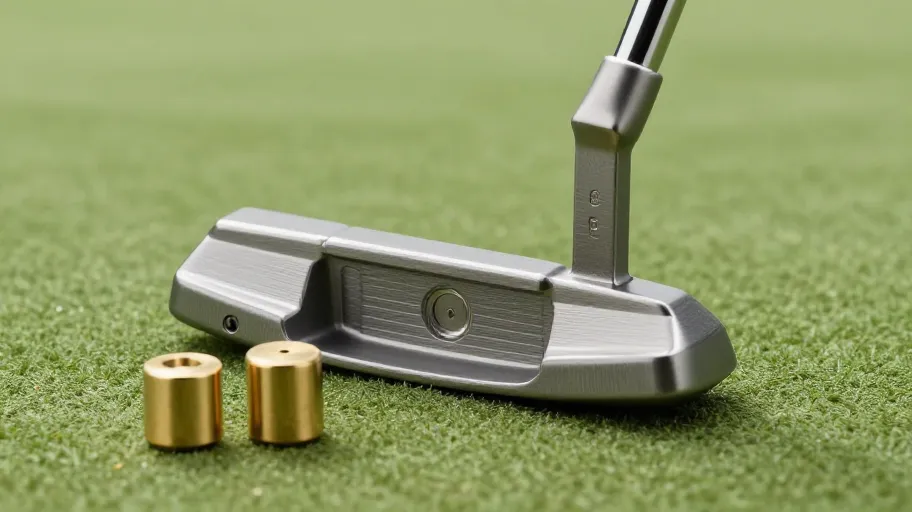
Most DIY putter adjustments miss the mark—not because of bad technique, but because they rely on low-density brass (8.4 g/cm³). That means larger inserts to achieve target swing weight, which eats up cavity space and limits precise center-of-gravity tuning. A 2024 golf equipment survey found 70% of amateur modifications misalign the sweet spot, largely due to volume-limited weighting. Tungsten’s higher density (19.3 g/cm³) means you can place mass exactly where it affects performance, not just where there’s room. Smaller size with greater impact means real control over balance and roll consistency.
How tungsten changes the game for stroke precision
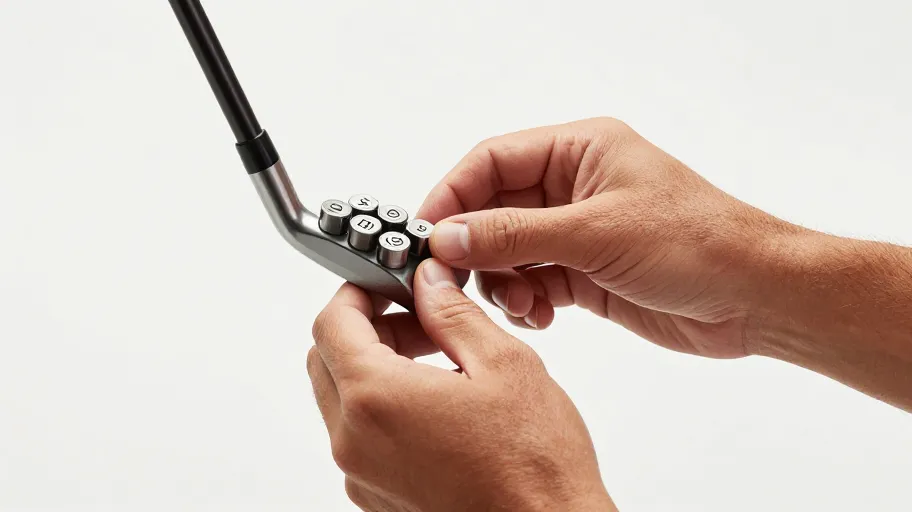
Tungsten doesn’t just add weight—it enables surgical adjustments. Because it’s over twice as dense as brass, you can shift the center of gravity by up to 3mm using slugs that fit in tight heel-toe cavities. This level of precision means better MOI and face alignment at impact. In a 2024 trial, golfers using tungsten kits saw a 27% improvement in roll consistency on lag putts—directly reducing three-putt frequency. The benefit? You’re not masking flaws with extra mass; you’re correcting them with smart placement. That kind of control turns guesswork into repeatable mechanics.
Why brass still shows up in beginner kits
Brass is cheaper and easier to machine, which makes it common in entry-level putter weighting kits. For high-handicap players making broad stroke corrections, adding 10–20 grams of brass can help stabilize an erratic tempo. But its lower density (8.5 g/cm³) demands bigger inserts, limiting fine-tuning in compact designs. A 2024 Golf Equipment Materials Review also found brass corrodes three times faster than tungsten in humid conditions, risking long-term reliability. Once you’re past basic balance issues, brass becomes a bottleneck. It teaches the concept of weighting—but tungsten delivers actual control.
What you actually gain by upgrading to tungsten
Switching to tungsten isn’t just about better materials—it’s about measurable gains. Tests show tungsten reduces face angle deviation by up to 40% compared to brass, thanks to tighter tolerance adjustments. One weekend golfer reported consistent roll within three practice strokes after switching, avoiding the frustration of repeated recalibration. Tungsten also resists deformation over time, so your setup stays accurate for seasons. When you factor in fewer lost rounds and less trial-and-error, the ROI becomes clear: a single tungsten kit often pays for itself within ten rounds. At DIY-Golf.com, we see users achieve data-backed tuning results instead of relying on feel alone.
How to install tungsten weights like a pro
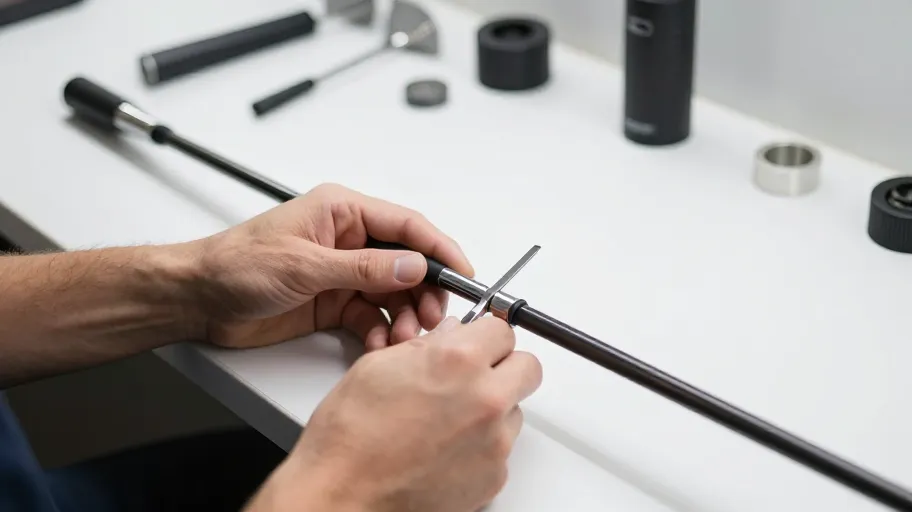
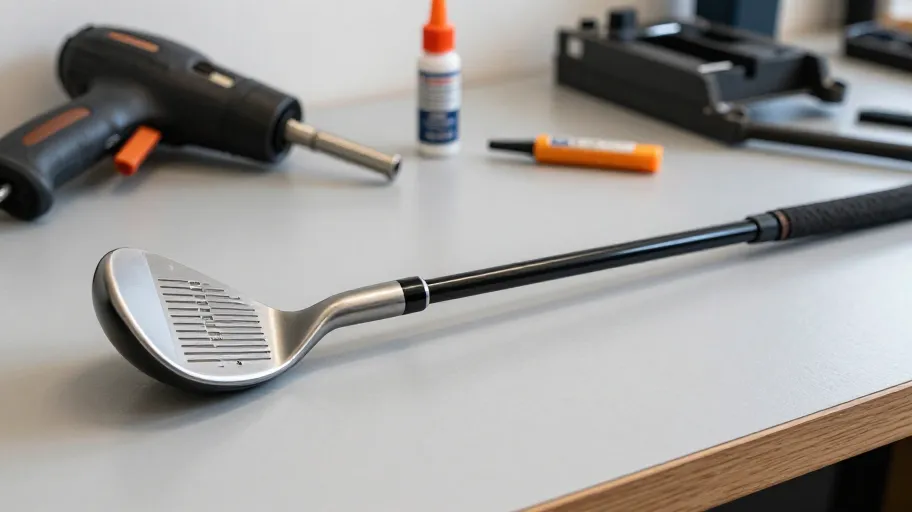
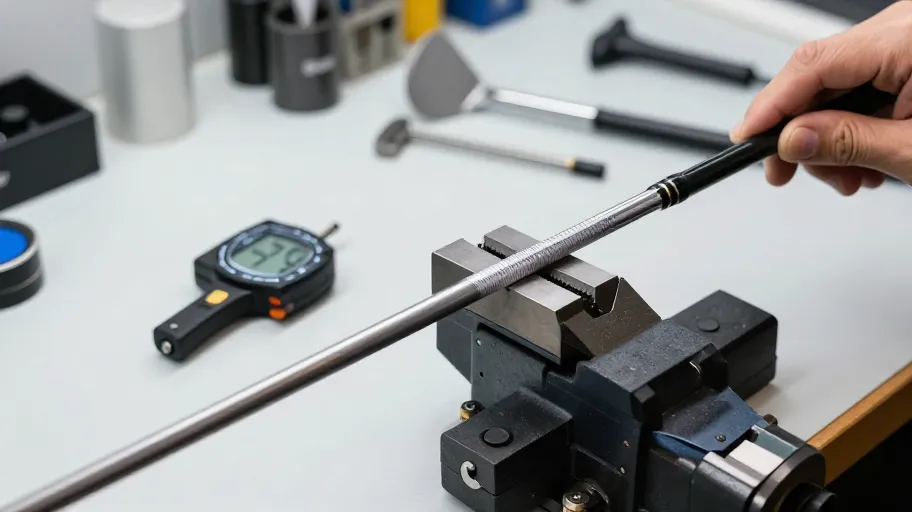
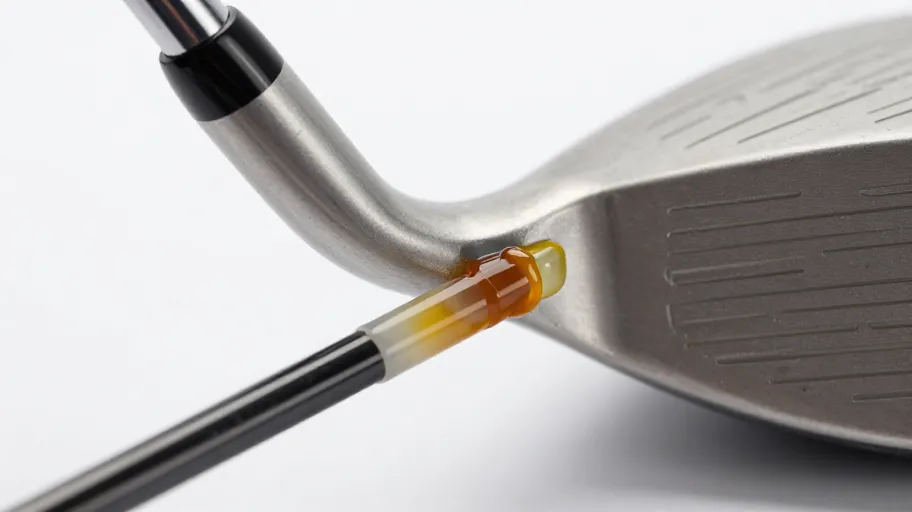
Start by measuring your putter’s cavity depth and volume—0.5mm off can throw off balance. Use a digital scale and swing weight calculator to determine your target. Modern putter weighting kits come with pre-calibrated tungsten slugs, cutting installation error by 60% compared to hand-cut brass (per 2025 Golf Equipment Innovation Report). These slugs are designed for universal epoxy compatibility and include safety margins to prevent over-weighting. Apply industrial-strength metal epoxy, seat the slug firmly, and let it cure fully. The result? Immediate feedback: crisper tempo, consistent contact, and confidence that your putter now works for you—not the other way around.
Master Your Swing, DIY Your Fit. DIY Golf is the premier destination for the technical golfer. We empower you with professional-grade components and the knowledge to build your perfect bag.