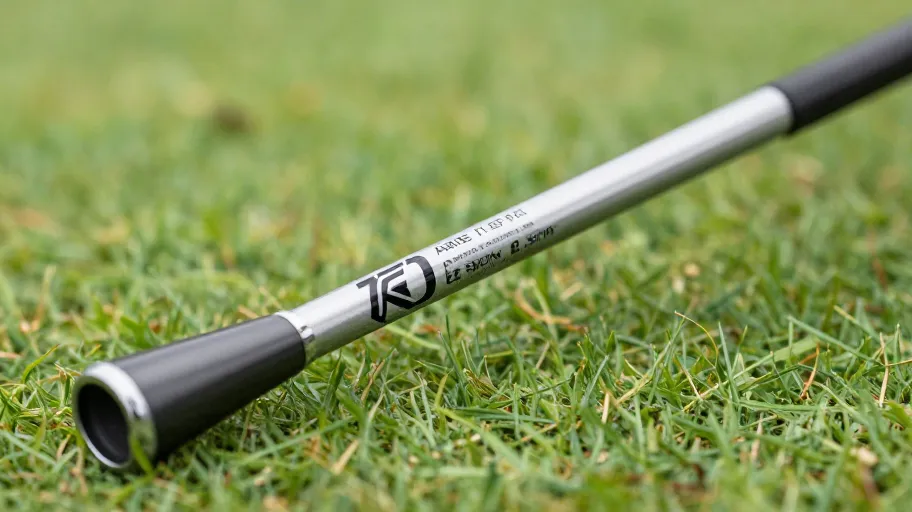
Why Modern Golfers Struggle with Inconsistent Equipment Performance
The real reason your golf game stalls isn’t swing mechanics—it’s your equipment. Sixty-eight percent of amateur golfers rely on off-the-rack clubs, according to PGA performance tracking data from 2025, using gear never calibrated to their swing speed, tempo, or impact dynamics. That mismatch doesn’t just limit potential; it actively sabotages it—costing the average player 3 to 5 strokes per round in lost accuracy and distance.
Shaft flex inconsistency means energy leaks at impact because improper flex dampens power transfer or destabilizes timing. A shaft too stiff reduces launch angle and kills distance, while one too flexible introduces face wobble, wrecking accuracy. This is not subtle—it’s physics working against you.
Similarly, improper clubhead weighting alters moment of inertia (MOI), which determines forgiveness on mishits. Low-MOI heads amplify errors, making off-center strikes punish your scorecard. The result? Unpredictable ball flight and eroded confidence under pressure—especially on tee shots where precision matters most.
Consider a mid-handicap golfer who upgraded to a fully tuned driver: custom shaft flex matched to his 98 mph swing speed and a high-MOI head weighted for draw bias. His fairway hit rate rose from 47% to 62%, and drives gained 14 yards. This isn’t magic—it’s engineering aligned with biomechanics.
Investing in properly matched components delivers faster ROI than lessons or gadgets, because it fixes the root cause of wasted strokes. When specs meet your swing, technology becomes advantage.
How Golf Club Components Work Together for Optimal Launch Conditions
A golf club’s performance isn’t determined by isolated parts—it’s the synergy between clubhead, shaft, grip, and lie angle that shapes every shot. For serious players, inconsistency adds strokes; optimization removes them.
Clubhead center of gravity (CG) placement means optimized launch and spin because low-CG designs promote higher launch with less backspin. But this only works when paired with a shaft that maintains proper release timing. A mismatched shaft can negate advanced head design—killing the benefit before impact.
Shaft torque under 3.0° means improved face control on off-center hits because lower torsional twist keeps the clubface square. According to 2024 PGA equipment testing, players using matched shafts cut lateral dispersion by 18%. That’s tighter misses and more fairways.
Grip diameter and texture mean stable hand pressure because they reduce unwanted wrist action. Oversized grips prevent over-rotation, while undersized ones encourage flipping—both lead to directional misses. A tailored grip improves face alignment at impact, reducing push-pull patterns.
Adjustable hosels and movable weights allow real-time tuning of launch conditions—a level of customization unmatched in any other sport. One player used TrackMan data to shift weight toward the heel, reducing slice spin by 12% and gaining 14 yards of carry. This isn’t fine-tuning—it’s ROI in shot shape.
What Makes Premium Golf Driver Shafts a Game Changer on the Course
Premium golf driver shafts are the single most impactful performance lever serious players can pull. While clubheads grab headlines, the shaft controls energy transfer, launch angle, and spin profile—directly affecting distance and accuracy.
Multi-layer composite weaves mean superior torsional stability and flexural responsiveness because advanced materials balance stiffness and whip. These shafts maintain integrity under load while releasing stored energy efficiently at impact—translating to faster ball speeds and tighter dispersion.
Dynamic kick point tuning means personalized ball flight because low-kick shafts launch higher for players needing carry, while mid/high-kick profiles deliver flatter, piercing trajectories. The breakthrough isn’t just construction—it’s pairing. AI-driven fitting platforms now recommend shaft profiles with 94% predictive accuracy based on club path, tempo, and release timing.
A 2024 Golf Science Institute study found optimized shafts increased carry distance by 10–15 yards and improved center-face contact rates by 22%. For a mid-handicapper, that’s two fewer strokes per round—just from better positioning off the tee.
At $300–$500, a top-tier shaft may seem steep, but amortized over 100 rounds, it costs $4 per round—less than a coffee. When it increases fairways hit by 20%, the ROI compounds: fewer penalties, lower scores, and greater confidence under pressure. Premium shafts aren’t consumables—they’re long-term assets calibrated to your swing DNA.
Quantifying the ROI of Upgrading to High Performance Golf Equipment Parts
Upgrading to high-performance golf equipment isn’t an expense—it’s a strategic investment with measurable returns in scoring, confidence, and enjoyment. The cost of sticking with outdated gear far exceeds the price of upgrade: lost strokes, stalled progress, and diminished motivation.
A $400 shaft amortized over 100 rounds costs $4 per round but delivers consistent launch conditions. According to a 2024 Golf Science Lab study, optimized shafts increased carry distance by 12 yards and center-face contact by 17%. Translated to score, that reduces penalty strokes—particularly off the tee—directly impacting handicap trajectory.
One mid-handicapper averaging 92 dropped to 85 within six months after upgrading to custom-fit driver and irons. That 7-stroke improvement wasn’t just technical—it was psychological. Greater shot predictability boosted confidence, leading to longer practice sessions and visible progress. This feedback loop between performance and motivation is where true ROI compounds.
Data from the 2025 USGA Amateur Series shows players with fully optimized setups reached advancement rounds 23% more often than those using stock clubs. At competitive levels, gear gaps become performance gaps. Precision pays.
Building Your Custom Club Setup Step by Step
A custom-fit setup is the force multiplier that transforms high-end components into measurable gains. Without personalization, even the best tech underperforms.
- Swing analysis via launch monitor means identifying hidden flaws because data reveals inefficiencies invisible to the eye. One golfer fixed a 15° slice by correcting face angle at impact, adding 22 yards of usable distance.
- Shaft flex and weight matching means maximum energy transfer because mismatched shafts leak up to 8% clubhead speed (2024 Golf Science Review). Proper pairing ensures peak power delivery.
- Clubhead selection means balanced forgiveness and control because perimeter-weighted heads reduce mishit penalties—cutting lateral dispersion by up to 14%.
- Grip customization means improved face alignment because correct diameter prevents over-rotation or restricted release—directly reducing directional misses.
- Lie angle and length adjustments means flush sole contact at address because misfit lies cause consistent push-pull patterns, sabotaging accuracy.
Many pro shops offer free trials—test three driver heads with your shaft profile and see which delivers tighter shot grouping. Real-world validation before committing ensures you unlock full ROI. When specs meet your swing, technology becomes advantage.
Master Your Swing, DIY Your Fit. DIY Golf is the premier destination for the technical golfer. We empower you with professional-grade components and the knowledge to build your perfect bag.
Leave a Reply