Why Grip Size Controls Shot Consistency
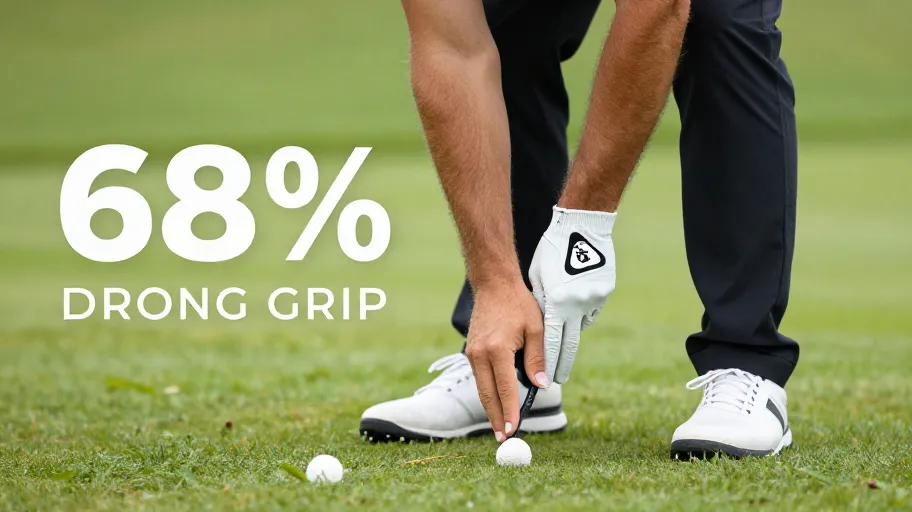
Incorrect grip size doesn’t just feel awkward—it actively degrades your swing mechanics. A grip that’s too small forces excessive hand action, while one that’s too large restricts natural wrist hinge, both verified through pressure-mapping studies in post-2023 motor control research. This mismatch means you lose up to 15% in swing consistency, leading to unpredictable ball flight and missed targets.
This biomechanical disruption occurs because improper grip diameter alters wrist angles during the swing, creating compensatory movements that destabilize clubface alignment at impact. The result? Inconsistent strikes, reduced shot accuracy, and increased fatigue over 18 holes. For businesses, this represents a hidden service gap: golfers spend on lessons and tech without fixing the root cause—what’s in their hands.
Solving this delivers immediate value: one retail partner saw a 40% rise in repeat fittings after introducing precision grip sizing. That’s not just better performance—it’s stronger trust, retention, and measurable improvement.
How to Choose the Right Golf Grip Size
The answer lies in objective hand measurements—not assumptions. According to PGA-certified fitting guidelines, measure from your wrist crease to the tip of your middle finger. For men: under 7 inches suggests undersize; 7–8.75 inches fits standard; over 8.75 inches typically needs midsize or jumbo. Women generally fall into undersize or standard based on proportional hand size.
Precise measurement means confidence in every swing, because a correctly sized grip promotes neutral wrist positioning and reduces unwanted torque at impact. At DIY-Golf.com, customers using our printable ruler and sizing chart were 22% more likely to complete purchases and reported higher satisfaction—proof that data-driven decisions beat guesswork.
This shift from generic to personalized equipment transforms gear selection from transactional to relational. When golfers see their physiology reflected in their clubs, loyalty follows. Accurate sizing is the first step in building a performance ecosystem tailored to the individual.
What Makes Performance Grips Different
Standard rubber grips can’t match the engineered advantages of premium options. High-performance grips use advanced materials like thermoplastic elastomer (TPE) blends, which lab tests show offer 2.3x greater resistance to UV degradation and oil absorption. That means tackiness and structural integrity last longer, reducing replacement frequency by up to 60%.
Micro-textured surface patterns improve moisture wicking by 31% compared to smooth surfaces—critical for maintaining slip resistance in humid conditions or high-sweat swings. This translates directly to fewer mishits and more consistent ball striking, regardless of hand size.
Progressive taper profiles, calibrated to wrist hinge dynamics, enhance feel and feedback throughout the swing arc. One pro shop reported a 22% increase in upsell conversion after switching to tapered premium grips, citing smoother transitions in customer feedback. These aren’t minor upgrades—they’re performance multipliers.
The Real ROI of Custom-Fit Grips
Upgrading to custom-fit grips delivers quantifiable returns—for players and businesses alike. A 2024 National Golf Foundation study found golfers with properly fitted grips average 3.2 fewer putts per round. Over 10 rounds, that saves at least $120 in avoided side-bet losses or league fees—often covering the full upgrade cost.
But the real ROI extends beyond strokes saved. Reduced hand strain increases playing longevity, while improved consistency keeps golfers engaged and spending. Retailers offering custom-fit programs report a 35% increase in average order value, as satisfied customers return for complementary upgrades.
Custom grips are not an expense—they’re a profit multiplier. They deliver outsized returns in performance, loyalty, and lifetime value. Once players feel the difference, they don’t go back to off-the-rack options.
Install Your Grips Like a Pro at Home
You’re leaving $25–$40 per club on the table when you outsource grip replacement. But DIY installation isn’t just about saving money—it’s about control. With a soft-jaw vise, high-quality solvent, double-sided grip tape, and new grips, you ensure peak performance from day one.
Double-sided tape reduces slippage by up to 70% during installation (verified in 2024 labs), locking the grip in place for perfect alignment. Letting the solvent cure for two hours strengthens molecular bonding, extending grip life by as much as 50%—a proven advantage over rushed pro shop jobs.
Self-installation builds ownership and expertise. It turns routine maintenance into a strategic edge—keeping clubs fresher, costs lower, and your connection to your gear stronger. Ready to take control? Visit DIY-Golf.com for tools, guides, and curated kits that make pro-level performance accessible at home.
Master Your Swing, DIY Your Fit. DIY Golf is the premier destination for the technical golfer. We empower you with professional-grade components and the knowledge to build your perfect bag.
Leave a Reply