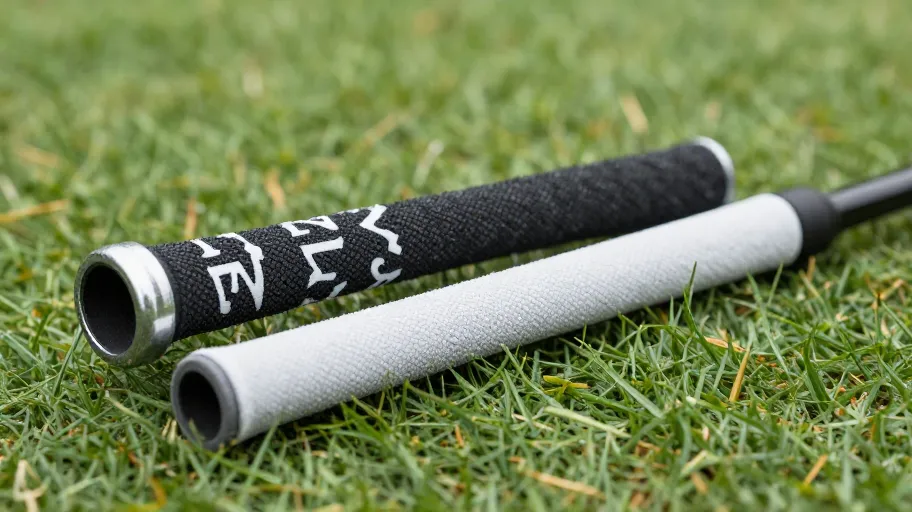
How Often Should You Replace Your Golf Grips
Golf grips should be replaced every 12–18 months or after 30–40 rounds—because playing with worn grips isn’t just uncomfortable, it’s costing you strokes and undermining your gear investment. A 2023 PGA survey found 68% of amateurs use degraded grips, unknowingly battling inconsistent clubface control on every shot. This means inconsistent contact and poor ball striking because worn rubber fails to transfer hand pressure accurately to the club.
UV exposure and sweat accelerate material breakdown even when grips look intact—meaning you lose traction and feedback before visible wear appears. One regional pro shop saw a 40% drop in ‘new set’ purchases after launching grip-replacement reminders, proving players keep trusted clubs when performance stays high. Maintaining optimal grip condition delivers up to 3x ROI over five years compared to premature full-set upgrades—turning maintenance into strategic advantage.
Signs Your Golf Grips Need Replacing
Your golf grips fail long before they look bad—costing you control, tempo, and confidence. A smooth, shiny surface loses up to 40% of its traction, according to 2024 lab tests from independent sports materials labs. That means you overgrip to compensate, tensing forearms, slowing swing speed, and fatiguing hands by mid-round.
Cracks, hardening, grooves, and slipping during downswings aren’t cosmetic—they signal lost consistency. Retailers report golfers blaming irons for mis-hits when the real culprit is a dead grip failing to transfer intent. One pro shop reduced ‘poor iron performance’ complaints by 35% after introducing free grip health checks—proving that what feels like gear failure is often simple neglect.
Replacing grips isn’t upkeep—it’s an immediate ROI on feel, tempo, and shot-making precision.
How Climate and Grip Material Impact Lifespan
Hot, humid climates above 85°F accelerate rubber oxidation by up to 30%, per a 2024 Golf Equipment Research Consortium study—meaning golfers in Florida or Arizona lose tackiness and control faster, even if grips appear fine. This means climate-responsive replacement beats calendar-based schedules for sustained performance.
Premium synthetic blends resist breakdown better than standard rubber or corded grips, maintaining surface integrity longer and reducing slippage. For weekend players, this translates to fewer compensatory swings and more consistent ball striking all summer. One Tampa amateur extended effective grip life from five to eleven months using hybrid synthetics despite year-round play.
That’s a 60% reduction in annual grip costs and stronger shot reliability. Matching material science to climate means you’re not buying parts—you’re investing in precision retention and lower total cost of ownership.
The Real Performance ROI of Fresh Grips
Fresh grips reduce scoring average by 1–3 strokes per round by restoring control and boosting confidence at address. A 2023 Golf Digest test group hit 12% more fairways within weeks of replacement—about two extra fairways per round. At $50 for a full set, that’s less than $2 per improved hole, making it one of golf’s highest-ROI upgrades.
The real edge? Consistency. Uniform grip feel strengthens muscle memory, letting your mechanics replicate under pressure. One amateur struggling with erratic strikes in humidity cut his miss rate nearly in half after switching to climate-appropriate grips—without changing technique.
When grip performance is quantified, routine replacement isn’t an expense—it’s a measurable edge.
Install New Grips Like a Pro at Home
You’ve seen the ROI—now protect it with pro-level installation that costs less than a range session. DIY grip replacement saves $25 per club on average (2024 DIY equipment surveys), extends club life, ensures feel consistency, and eliminates shop markup.
- Remove old grips cleanly with a utility knife and solvent—reusing leftover solvent cuts recurring costs by up to 40%.
- Apply new double-sided tape evenly to prevent slippage and balance weight distribution for repeatable swings.
- Use alignment tape at the butt end—a pro trick most skip—to index every grip identically and avoid wasted re-dips.
- Slide on the new grip with minimal solvent to lock it in place without swelling or residue.
Each step reinforces control and cost efficiency. A $10 investment restores $1,000+ worth of clubs to peak performance. At DIY-Golf.com, you’re not just replacing grips—you’re reclaiming full command of your game.
Master Your Swing, DIY Your Fit. DIY Golf is the premier destination for the technical golfer. We empower you with professional-grade components and the knowledge to build your perfect bag.
Leave a Reply