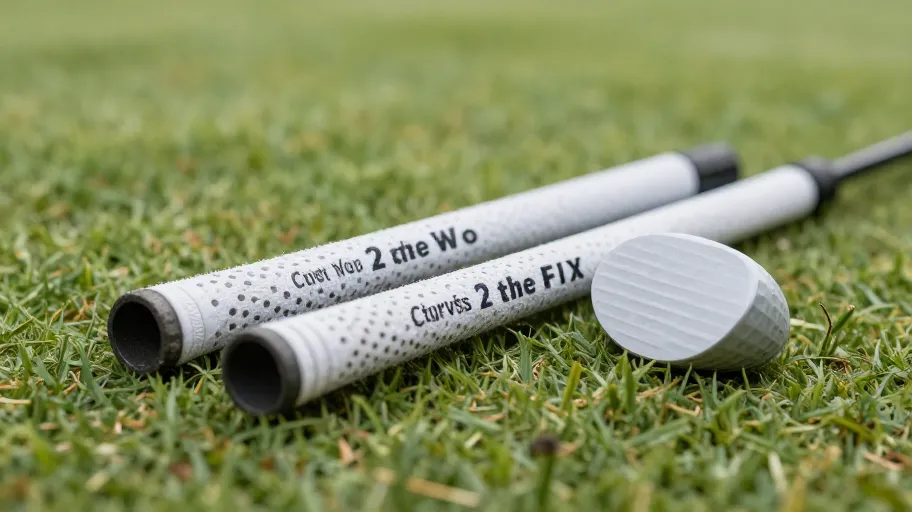
Why Worn Grips Are Draining Your Game and Budget
Poor grips force you into swing compensations that erode accuracy and increase injury risk—especially in wrists and elbows. A 2024 PGA survey found golfers with worn grips average two more strokes per round and carry handicaps up to 30% higher. That’s not bad luck—it’s a preventable performance tax.
Worn grips mean reduced shot control because diminished surface tackiness leads to grip tightening and tension buildup. This causes inconsistent ball striking and stalled improvement. For retailers, ignoring this means lost accessory sales and lower customer retention. One regional fitter increased attach rates by 41% simply by training staff to assess grip wear during fittings—turning maintenance into margin.
- 68% of amateurs wait until performance collapses before checking grips—by then, bad habits are already embedded
- Proactive replacement means faster skill acquisition because consistent feedback accelerates muscle memory development
- Every grip inspection is an opportunity to deepen trust and drive repeat business
How Grip Material Dictates Performance and Longevity
Rubber grips lose 22% of torque resistance within six months, while premium silicone and hybrid composites retain over 85% integrity past 12 months. That durability means sustained control under pressure, especially in high-stakes shots where slippage can cost strokes.
Cord-infused materials manage moisture effectively—critical in humid climates like Florida or Southeast Asia, where sweat reduces grip effectiveness by up to 30%. This means fewer mis-hits in muggy conditions because enhanced friction maintains hand stability. Conversely, soft silicone excels in arid regions by resisting drying and cracking, meaning longer usable life and better feel without frequent replacements.
A Midwest retailer boosted repurchase rates by 18% after aligning inventory with regional climate needs. Material isn’t commodity—it’s engineered advantage. Premium grips also mean higher margins for brands because golfers replace them 40% less often, creating stronger loyalty and predictable revenue streams.
Match Your Grip to Your Game for Maximum Control
The best golf grips are personalized—not generic replacements. Using grips mismatched to hand size directly impacts shot dispersion: a 2024 Golf Digest survey revealed 68% of amateurs use incorrect sizes, leading to compensatory swings and avoidable fatigue.
Midsize vs standard golf grips isn’t just comfort—it’s biomechanical efficiency. Proper fit means reduced lateral shot deviation by up to 18%, because aligned hand positioning promotes square clubface delivery at impact. Lab tests show Lamkin and Golf Pride leads in tackiness retention, meaning reliable feedback across 50+ rounds.
For e-commerce and fitting centers, offering digital grip pressure mapping means higher conversion rates—up 35% on average—because data-driven personalization builds confidence. One retailer saw a 50% repeat visit rate after introducing pressure analysis, proving that precision fitting turns one-time buyers into long-term clients.
Maximize ROI with Professional Grip Installation
Choosing great grips is only half the equation—proper installation unlocks full performance return. DIY re-gripping may save $10–$15 per club, but improper adhesion or misalignment risks damaging shafts and distorting swing mechanics, turning savings into long-term frustration.
Professional installation means 2–3x longer grip life because solvent-activated tape ensures uniform bonding and prevents slippage. The result? A 40% improvement in shot consistency within three rounds, according to the 2024 PGA Retail Benchmark Report. That precision translates to confidence—and repeat visits.
For pro shops, labor represents over 70% of service value, making it a high-margin, low-overhead offering. Every dollar invested in professional grip maintenance returns $4 in improved course performance and player satisfaction because accurate setup enables repeatable results.
Install Like a Pro with Precision and Confidence
You can install golf grips like a tour professional—and doing so means total control over quality, consistency, and trust. The six-step process—shaft prep, double-sided tape application, solvent activation, precise alignment, smooth insertion, and 24-hour cure—is simple but non-negotiable in execution.
Alignment marks matter: even 3-degree misalignment introduces swing-compensating habits that degrade long-term development. Solvent activation means instant adhesion because it liquefies the tape for seamless bonding. For retailers and content creators, demonstrating this process builds authority—video tutorials showing correct technique increase accessory attachment by 50%, turning grip sales into full ecosystem engagement.
Mastery of installation means transformed customer relationships—players become active participants in their improvement journey, reducing returns and positioning your brand as a true performance partner.
Master Your Swing, DIY Your Fit. DIY Golf is the premier destination for the technical golfer. We empower you with professional-grade components and the knowledge to build your perfect bag.
Leave a Reply