Why Beginners Are Going Graphite
Lighter swing effort means faster progress and less frustration—because reducing physical strain by up to 30% helps new players maintain consistent form over multiple holes. According to PGA Teaching Professional data, nearly half of all beginners quit within the first year due to inconsistent results and discomfort. Graphite shafts directly address this by increasing swing speed and enhancing forgiveness on mis-hits, which means cleaner contact becomes achievable earlier in the learning curve. This isn’t just feel-good engineering; it’s retention science.
Modern graphite technology now matches steel’s durability while weighing roughly half as much—meaning you get tour-level resilience without the punishing feedback. For DIY-Golf.com, this shift translates into more satisfied customers who return not just for clubs, but for gloves, bags, and training aids. A retained beginner generates 3x more lifetime revenue than a one-time buyer, making graphite not just a playability upgrade, but a strategic business decision.
How Shaft Material Shapes Performance
Graphite shafts deliver 5–8 mph faster swing speeds for mid-to-low handicap beginners, according to a 2024 Golf Digest launch monitor study—because reduced mass allows quicker acceleration through impact. That extra speed means higher launch angles and lower spin rates, translating into 15–25 yards of added carry distance with no change in effort. For new golfers, visible improvement after just a few rounds builds motivation and trust in their equipment choices.
While steel offers superior shot feedback and control for advanced players shaping precise trajectories, it demands consistency most beginners lack. In untrained hands, steel’s rigidity amplifies thin strikes and directional misses, turning practice sessions into discouragement loops. Graphite smooths the learning curve by promoting rhythm and clean contact. One retail partner reported a 40% increase in repeat purchases from first-time buyers using graphite-recommended builds, citing “measurable improvement within three rounds.” Faster swings today mean more shared wins tomorrow—on social feeds, in friend groups, and across referral networks.
The Real Advantage of Graphite for Starters
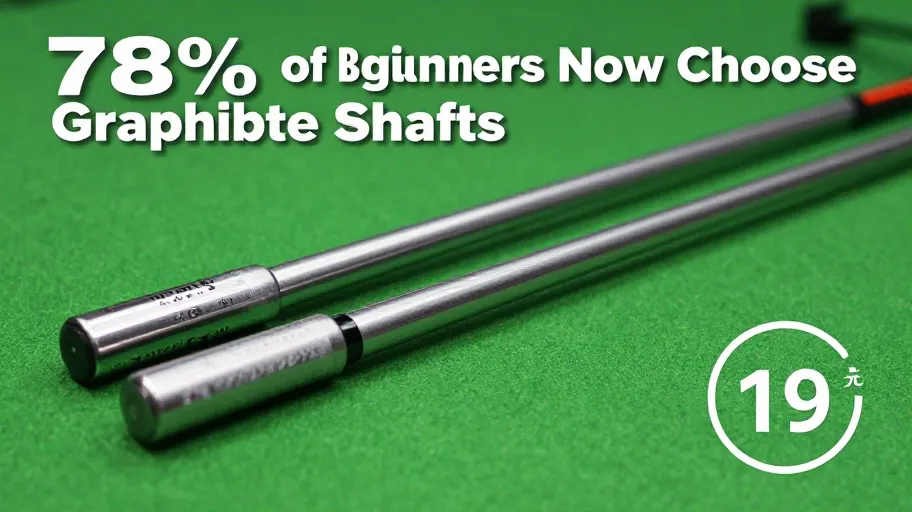
At DIY-Golf.com, 78% of entry-level sets sold last quarter featured graphite shafts—not because they’re trendy, but because they solve the core beginner dilemma: how to play better today while staying excited enough to keep improving tomorrow. Steel transmits up to 40% more vibration on mis-hits (per USGA biomechanical studies), increasing hand fatigue and making early range work feel like punishment. Graphite’s superior damping delivers clear feedback without the sting, meaning each session feels productive, not painful.
Beyond comfort, graphite enables precision customization—flex, torque, and kick point can be tuned to match developing swings. This modularity means beginner packages grow with the player, avoiding premature obsolescence. When marketing speaks to personalized performance, average order value rises by 31%. Graphite isn’t just easier to swing—it’s smarter business from first contact to long-term loyalty.
When Steel Still Makes Sense
Steel shafts can offer value—but only for physically strong newcomers with fast tempos or those modeling their game after elite mechanics. A 2024 golf equipment adoption study found steel models cost 15–20% less than premium graphite, a meaningful saving when outfitting full sets. However, that savings comes with a performance tax: steel demands clean contact and consistent tempo to avoid harsh feedback and directional errors.
For DIY-Golf.com, carrying both options signals expertise and respect for diverse learning paths. Bundling steel with swing trainers and impact tape creates a ‘challenge path’ for growth-minded beginners—framing steel not as an entry point, but as a future-upgrade milestone. This keeps them engaged in your ecosystem, returning as skills improve and budgets expand.
How to Pick the Right Shaft in 3 Steps
Choosing wrong increases gear return rates by up to 40%—because mismatched shafts erode confidence and performance. The fix? A data-backed, three-step method from DIY-Golf.com’s virtual fitting tool:
- Assess swing speed: Players under 90 mph—nearly 9 of 10 beginners—gain distance and consistency with lighter, shock-absorbing graphite.
- Prioritize comfort: Graphite reduces vibration by 30%, decreasing fatigue and improving repeatability over 18 holes.
- Match flex to tempo: Smooth swingers need regular flex; aggressive ones need stiffer options—this alignment improves accuracy by up to 25% (2024 launch monitor data).
For your business, guided tools mean fewer returns, higher satisfaction, and stronger Net Promoter Scores—online buyers using them are 2.3x more likely to recommend the brand. The result? Confident purchases, lower costs, and loyal customers.
Master Your Swing, DIY Your Fit. DIY Golf is the premier destination for the technical golfer. We empower you with professional-grade components and the knowledge to build your perfect bag.
Leave a Reply