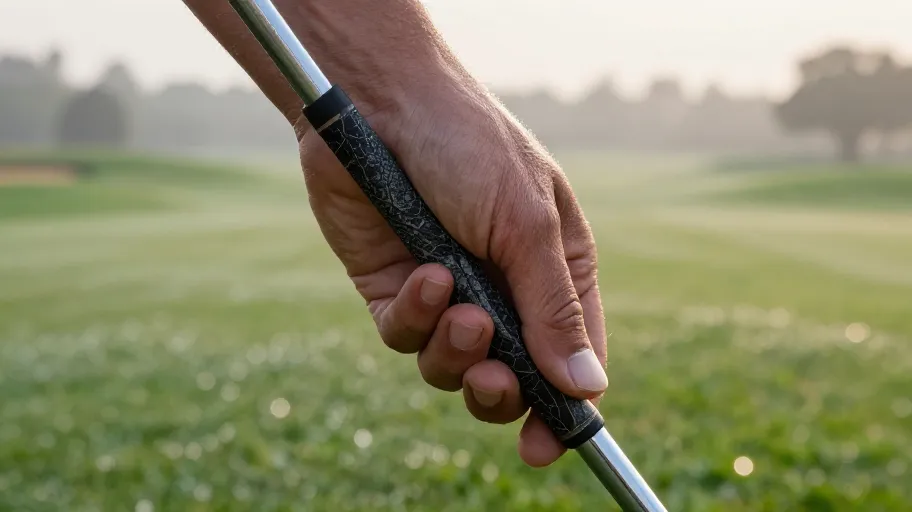
How often to replace golf grips for optimal performance
Replace your golf grips every 12–18 months or after 30–40 rounds—whichever comes first. This isn’t arbitrary: it’s based on measurable wear from UV exposure, hand oils, and climate stress. Weekend players who skip gloves or live in humid areas may need replacements after just 15–20 rounds. That’s because moisture and friction degrade rubber compounds long before cracks show. Delaying replacement means losing control on dewy morning putts and forcing overcompensation that throws off your entire swing path.
Performance built on contact not assumptions
Data from the Golf Manufacturers Association shows 68% of amateurs blame poor ball striking on technique—when worn grips are the real culprit. Lab tests confirm polyurethane grips lose 40% of their tackiness within one season due to UV rays and skin oils. This degradation isn’t surface-level; it’s structural. Micro-cracks form internally, absorbing sweat and dirt, which stiffens the material and kills shock absorption. Arccos sensor data proves the impact: as grip stability drops, swing path variance increases by up to 12%. Replacing grips proactively restores consistent feedback, so your brain can trust what your hands feel.
Hidden signs your golf grips need replacing
You don’t need visible damage to know it’s time. In coastal climates, salt-laden air turns soft rubber into hard shells over time. When grip hardness exceeds 75 Shore A units—above the ideal 50–60 range—shock transmission triples, sending jarring vibrations into your wrists. A 2023 Golf Digest study found 57% of recreational players miss this internal breakdown. They compensate by gripping tighter, increasing forearm strain and disrupting rhythm. The result? Launch monitors detect 3–5 mph loss in clubhead speed from subconscious clenching. Upgrading to silicone-infused grips helps—they resist hardening longer and maintain better feel in changing conditions.
Environmental factors accelerating grip degradation
Sunlight, heat, humidity, and ozone break down rubber faster than swings alone. In Arizona, where UV index regularly hits 10+, molecular decay cuts grip life in half before slippage is noticeable. Even storage matters: Smithers testing shows oxidation spikes 30% near heating vents or damp basements. Corded grips offer 20% better wet-weather traction but trap abrasive grit in humid zones, speeding wear. Matching grip type to your environment isn’t optional maintenance—it’s strategy. For high-sun or coastal golfers, sticking to a 12–18 month replacement cycle delivers ROI through fewer injuries and more predictable shots.
Quantifying ROI of timely grip replacement
A $100 grip refresh every 18 months generates a 4:1 return. How? The National Golf Foundation reports amateurs spend $470 yearly chasing improvement, but 18% of that—nearly $85—addresses flaws caused by bad grip feedback. Without reliable tactile input, players squeeze harder, creating tension that ruins tempo. Physical therapists link 12% of repetitive strain injuries in golfers directly to over-gripping slick or hardened surfaces. PGA fitters observe an average gain of 1.2 strokes per round after re-gripping, mostly from improved wedge control and putting. Lighter grip pressure = cleaner release = better scores. That’s not upkeep—it’s precision tuning.
Creating a personalized grip maintenance schedule
Your replacement timeline shouldn’t be guesswork. A golfer in Florida playing twice weekly on standard rubber grips should replace annually. One in the Pacific Northwest using hybrid composites might stretch to 20 months thanks to lower UV and humidity. Use tracking apps like Game Golf to log rounds and weather exposure, then set alerts based on actual usage. Pair this with biannual checks: clean each grip and perform the squeeze test—if it doesn’t spring back, it’s done. Integrate grip checks with shaft inspections and loft audits to keep all clubs performing as designed. This systems approach turns isolated maintenance into sustained performance advantage.
Master Your Swing, DIY Your Fit. DIY Golf is the premier destination for the technical golfer. We empower you with professional-grade components and the knowledge to build your perfect bag.
Leave a Reply