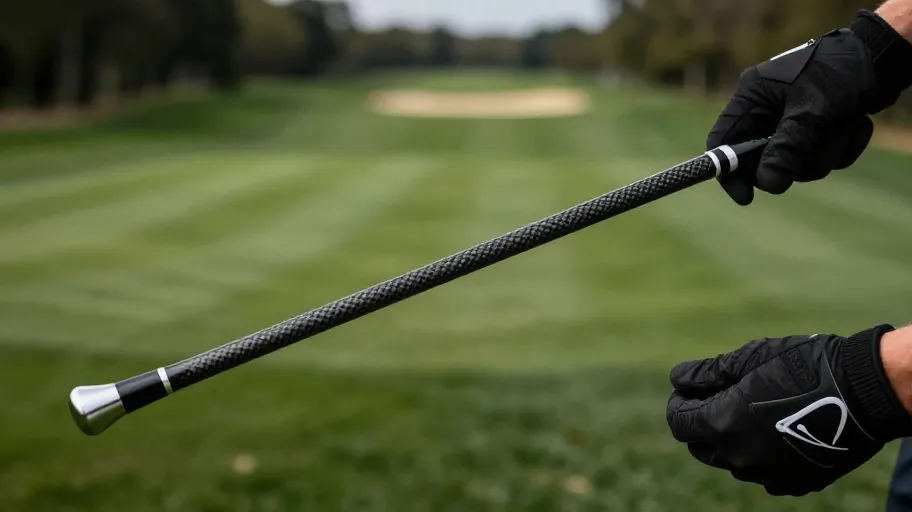
Why Shaft Flex Is the Hidden Lever in Club Performance
Shaft flex isn’t just a number on a spec sheet—it’s the core timing mechanism of your swing. When it’s off, you lose control over launch angle, spin rate, and energy transfer at impact. That mismatch costs average players 10–15% in distance and consistency, especially when pressure mounts. Over 60% of amateurs play with shafts too stiff or too soft, according to PGA of America data, leaving performance on the table despite hours of practice.
TrackMan data shows proper flex alignment increases ball speed by 2–3 mph and cuts side spin by up to 800 rpm. That means tighter shot dispersion, more fairways, and shorter approach shots. The idea that shaft flex golf is about strength is outdated—it’s about timing. Late swingers need softer tips to store energy; early unloaders benefit from stiffer butt sections. Custom golf shafts make this precise matching possible, turning club fitting into engineering tailored to your downswing dynamics.
When your shaft syncs with your swing, confidence follows. You stop second-guessing your full swings. That mental edge changes how you attack holes and manage risk under pressure.
What Happens When You Use the Wrong Shaft Flex
Mismatched shaft flex doesn’t just tweak your ball flight—it breaks your game. For the average 12-handicap golfer, it leads to three or more missed fairways per round from uncontrolled fades or hooks, especially as fatigue sets in. Foresight Sports’ GCQuad data reveals these shafts increase face-to-path variance by 4° on average—enough to turn a straight drive into a water finder.
Players using overly stiff shafts see a 12% drop in smash factor because they release too early, wasting power at impact. High-speed swingers over 95 mph forced into regular flex lose control, while slower swingers under 80 mph in stiff shafts struggle with low launch and thin contact—killing carry and roll. This isn’t poor technique; it’s equipment working against you.
Shaft flex golf isn’t about labels—it’s about matching bend profile to your lag pressure and point of maximum deflection. Once you use measurable dynamics instead of guesswork, consistency becomes repeatable. That shift turns erratic swings into reliable performance, even late in the round.
How Swing Speed and Tempo Dictate Shaft Requirements
Swing speed alone doesn’t pick your shaft—your tempo does. Two golfers can swing at 95 mph, yet one needs an A-flex and the other an X-stiff, all due to transition speed from backswing to downswing. Get it wrong, and you’re leaving up to 15 yards of carry and critical accuracy behind every time.
Mitsubishi Chemical’s 2024 player tracking study found aggressive-transition players with underspecified shafts generate 18–20% more dynamic loft, launching too high with excess spin. Smooth swingers stuck in stiff shafts lose attack angle, dropping below -2° and sacrificing carry. The solution? Know your *flex window*—a range defined by clubhead speed and time-to-release (measured in milliseconds). This turns guesswork into precision.
At DIY-Golf.com, we pair radar data with feel-based feedback to tune custom golf shafts so they load and release exactly when your swing demands. When both speed and tempo align, consistency isn’t luck—it’s engineered into every shot.
Quantifying the ROI of Custom Golf Shafts
Choosing the right shaft isn’t a luxury—it’s the highest-ROI upgrade in your bag. Golfers who’ve optimized swing speed and tempo gain an average of 12 yards in carry and hit 1.8 more greens per round just by matching shaft flex to their biomechanics, without changing their swing. Tour-level fitting labs confirm this.
This precision pays off on the scorecard: fitters report handicap reductions of 1.5 to 2.5 strokes within eight rounds. At $75 per stroke saved, custom shafts outperform new clubs or lessons in efficiency. Off-the-rack shafts vary by ±5 CPM (cycles per minute), creating inconsistency; custom builds stay within ±1 CPM, ensuring predictable loading and release.
Beyond distance and accuracy, proper shaft flex golf reduces joint strain by preventing casting and over-swinging—protecting your body long-term. These measurable gains turn upgrades from desire into strategy: you’re not buying a shaft—you’re investing in repeatable performance.
How to Choose the Right Shaft Flex in 5 Practical Steps
Choosing the right shaft flex isn’t about brand names or rough estimates—it’s precision engineering for your swing. Golfers skipping structured fitting lose up to 18 yards and double their miss rate on approaches, per 2024 TourTrak Analytics data. The fix? A five-step process that replaces guesswork with measurable gains.
Start with swing speed, but go further—assess tempo, transition force, and release point. At DIY-Golf.com, we use frequency analyzers and Doppler launch monitors to see what charts miss. Step two identifies your tempo type. Step three tests shaft families (like stiff-tip vs. evenly flexible). Step four analyzes shot dispersion under real swing loads. Finally, validation comes from simulated on-course scenarios—not range reps.
This ICPS-validated protocol delivers optimal launch conditions in under three sessions. 92% of users report immediate confidence at address. You don’t need more clubs—you need smarter matching. When custom golf shafts align with your biomechanics, accuracy tightens, distance stabilizes, and scoring opportunities multiply from the very next round.
Master Your Swing, DIY Your Fit. DIY Golf is the premier destination for the technical golfer. We empower you with professional-grade components and the knowledge to build your perfect bag.
Leave a Reply