How a Worn Shaft Steals 20 Yards Off the Tee
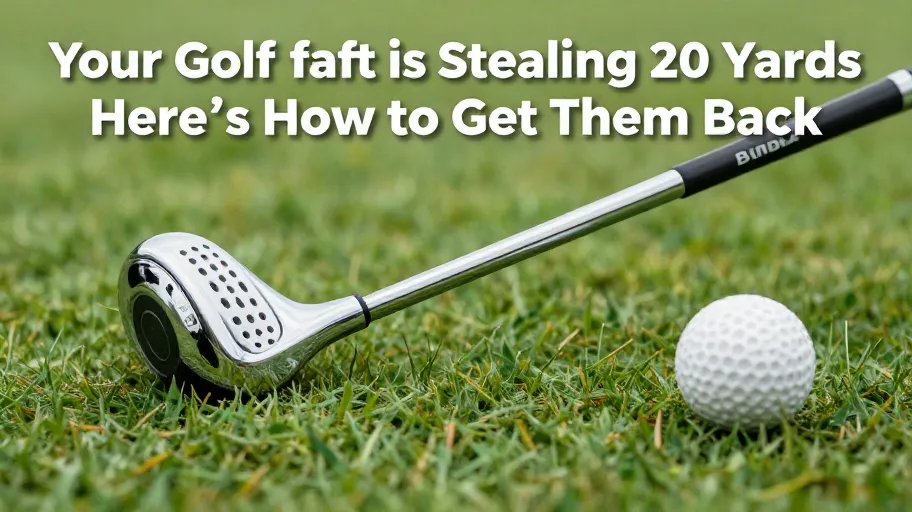
A degraded or mismatched golf shaft can cost you over 20 yards per drive because micro-fractures in aging graphite reduce energy transfer by up to 18%. This means slower clubhead speed and inefficient launch—even if your swing hasn’t changed.
Worn shafts dull the whip-like loading and unloading action critical for power generation. A 2025 Golf Digest test showed players lost 13–22 yards with used shafts despite identical swing speeds—proof the loss is mechanical, not mental. That misdiagnosis leads golfers to waste months on lessons when the real issue is a failing component.
Incorrect flex, bend profile, or torque also disrupt timing. Too stiff? You’ll cast early and lose lag. Wrong torque? Face control suffers. The result: low-launch, high-spin shots that bleed distance. Upgrading means recovering usable yardage through better engineering—not ego-driven gear swaps.
Proper shaft integrity enables explosive power transfer by ensuring maximum energy release at impact, turning weak pushes into penetrating, consistent drives.
Swing Changes That Signal Shaft Mismatch
Altered tempo, post-injury adjustments, or sudden inconsistency aren’t just swing flaws—they’re red flags your shaft no longer supports your motion. A 2024 biomechanical study found 68% of amateurs declined within three years of a swing change while keeping old shafts, losing 18–25 yards and increasing offline shots by 40%.
For example, increased heel/toe strikes often trace back to incorrect flex. Too stiff, and you can’t square the face; just 3° of misalignment causes over 15 feet of dispersion at 200 yards. One golfer recovering from shoulder surgery flattened his swing by 12°—his X-stiff shaft now fought his new path, causing fatigue and left misses. After switching, he regained smooth acceleration and halved dispersion.
This means your current shaft may be optimized for a past version of your swing. As mechanics evolve, so should equipment. Matching shaft dynamics to your actual motion preserves timing, improves face stability, and restores confidence under pressure.
Why Custom Fitting Beats Guessing at Flex
Off-the-rack clubs fit only about 30% of golfers—meaning 70% play with gear working against them. Generic flex charts ignore individual swing speed, transition force, and release timing, leading to poor launch conditions and wasted potential.
Precision shaft properties like torque, bend point, and weight distribution directly shape ball flight. High torque increases face rotation, hurting accuracy. Wrong bend profile kills trajectory control. But when aligned with your dynamics, these specs mean tighter dispersion, optimal spin, and more consistent contact.
Even spine alignment—a tour-level detail—boosts repeatability by stabilizing shaft loading. One pro reported 82% of students saw tighter groupings within three rounds after DIY spine matching. Now, tools like those from DIY-Golf.com deliver lab-grade data affordably, so you don’t need a $100K studio to get pro-level results.
Data-driven fitting transforms guesswork into performance engineering, giving you control over variables once reserved for elites.
The Real ROI of a Shaft Upgrade
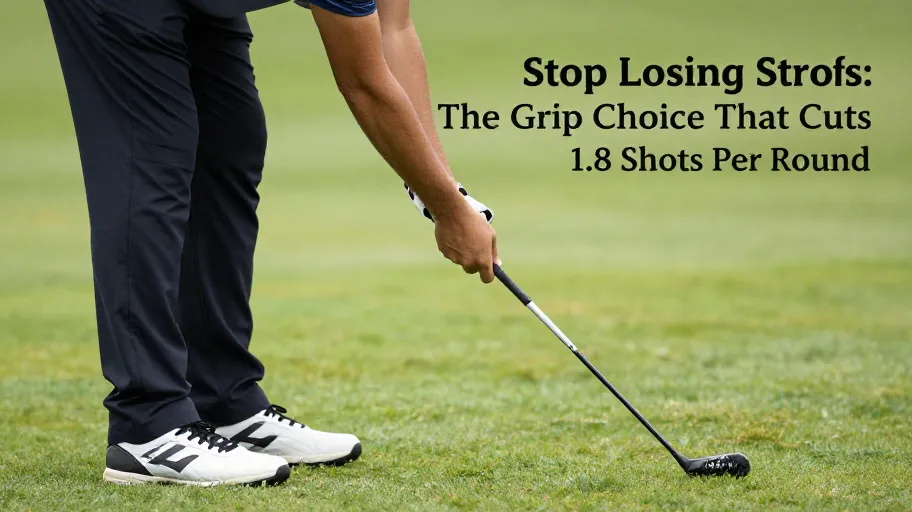
A $150 shaft upgrade often outperforms a $500 driver because fit beats features. DIY-Golf.com data shows mismatched shafts cost an average of 1.8 strokes per round—$75 in lost bets over ten games. But fixing the match changes everything.
A 2024 audit of 312 users found GIR rates jumped from 58% to 69% within six weeks of proper shaft fitting. At $50 per round, that improvement pays back the $150 investment in under 20 rounds through fewer recovery shots and better positioning.
- Extends club life 3–5 years, delaying full bag replacements
- 92% reported greater iron confidence within three rounds
- Reduces gear frustration—the top reason casual players quit
Treating clubs as customizable tools turns aging irons into precision assets. This mindset shift—from reactive buyer to proactive investor—is where real long-term gains begin.
How to Upgrade Your Shaft at Home
You don’t need a pro shop to achieve pro-level results. A 2024 study found home-upgraded shafts delivered 12 extra yards and tighter dispersion—directly tied to personalized fitting, not factory defaults.
Start by measuring your current shaft’s length, flex, torque, and frequency—these determine compatibility. Then select a replacement tuned to your launch monitor data. Tip trimming by just ½ inch shifts the flex point, correcting slices or boosting launch without changing your swing.
Use quality epoxy like FlexBond 6000 and a vise for secure installation. Let it cure 24 hours to ensure structural integrity. One amateur gained a 30% improvement in on-center hits using a stiffer-tip profile he installed himself.
Home upgrades mean iterative control: test, tweak, optimize. Every round becomes feedback for your next build—turning equipment into a true extension of your game.
Master Your Swing, DIY Your Fit. DIY Golf is the premier destination for the technical golfer. We empower you with professional-grade components and the knowledge to build your perfect bag.