
Author: admin

  • Unlock 15-20 Yards: How Precision Golf Fitting Solves Your Distance Problem

    Unlock 15-20 Yards: How Precision Golf Fitting Solves Your Distance Problem

    Why Most Golfers Lose Distance Off the Tee

    Most golfers lose distance not due to weak swings, but because their clubs are fighting them. A 2023 PGA study found 68% use off-the-rack clubs mismatched to swing speed—meaning energy leaks instead of launching the ball. This misalignment means average players hit 135 mph ball speed versus pros’ 170+ mph, losing nearly 40 yards per drive.

    This gap isn’t just physical—it’s systemic. When golf club parts like shaft, head, and grip don’t sync, efficiency collapses. For businesses, this represents a $2.4B aftermarket opportunity in custom-fit solutions that boost player loyalty and lifetime value.

    Mismatched components mean wasted potential because inconsistent energy transfer undermines confidence and scoring. Precision-matched systems mean tighter shot dispersion and lower scores—because every swing becomes repeatable.

    How Golf Club Shafts Dictate Launch Conditions

    The shaft is the engine of your club: it controls torque, flex timing, and energy release at impact. Titleist’s 2024 data shows improper shaft selection costs 12–18 yards per drive—lost power that directly impacts scoring and player satisfaction.

    Three variables dominate performance: kick point (determines launch angle), weight distribution (affects swing tempo), and material composition. Graphite reduces vibration and weight—ideal for faster swings—while steel offers feedback and consistency. But aerospace-grade composites now enable micro-tuned flex profiles previously impossible.

    Advanced composite shafts mean optimized launch conditions because they synchronize with individual biomechanics. One designer saw 34% higher customer retention after integrating personalized shaft fitting—because performance personalization means stronger margins and brand trust.

    What Sets Premium Golf Components Apart Technically

    Maximizing distance requires integrated design—not just upgraded parts. True performance comes when shaft flex, high-MOI clubhead, grip consistency, and swing weight work as one kinetic system.

    High-MOI clubheads resist twisting on mishits, reducing dispersion by up to 27% (Callaway ERC II data)—which means tighter fairway accuracy and fewer penalties. Paired with progressive shaft flex profiles, this means peak energy transfer at impact without sacrificing control.

    Grip consistency influences feedback loop reliability—critical for swing repeatability. When these four elements are co-engineered, the result isn’t incremental gain. Integrated component design means a performance multiplier because the entire club behaves as a calibrated extension of the golfer—delivering measurable differentiation in crowded markets.

    Quantifying the ROI of Custom-Fit Golf Club Shafts

    Skipping a custom shaft fit costs $1,200 annually in lost value: $300 upgrade pays back threefold through avoided lost balls, better positioning, and lower scores. Arccos Golf’s 2024 dataset shows fitted players gain 14% in combined distance and accuracy—equaling ~3 fewer strokes per round.

    This improvement means par instead of bogey for weekend players and faster handicap drops for serious amateurs. One fitter reported clients dropped scoring averages by 0.8 strokes within eight rounds, with 72% returning for full bag builds.

    Data-driven fittings mean proven ROI because analytics replace guesswork. When brands embed sensor data and algorithmic prescription into their process, they justify premium pricing with evidence—because performance isn’t promised, it’s measured.

    Building a Data-Driven Golf Equipment Optimization Workflow

    Selling clubs is no longer transactional—it’s about delivering measurable gains. To scale personalization, adopt a closed-loop workflow: capture swing metrics via GCQuad or FlightScope; analyze inefficiencies in energy transfer; simulate ideal shaft profiles using AI; prototype rapidly with adjustable systems; validate results through on-course tracking.

    This system means scalable customization because one SKU performs as dozens—reducing inventory costs while improving fit accuracy. Early adopters cut fitting-to-delivery time by 40% and boosted attachment rates by 28% (2024 retail benchmark).

    A data-driven workflow means performance-as-a-service because equipment evolves with the player. For brands, this shift unlocks recurring revenue, deeper loyalty, and a sustainable edge in the premium segment of best golf club shafts for distance.

    Master Your Swing, DIY Your Fit. DIY Golf is the premier destination for the technical golfer. We empower you with professional-grade components and the knowledge to build your perfect bag.
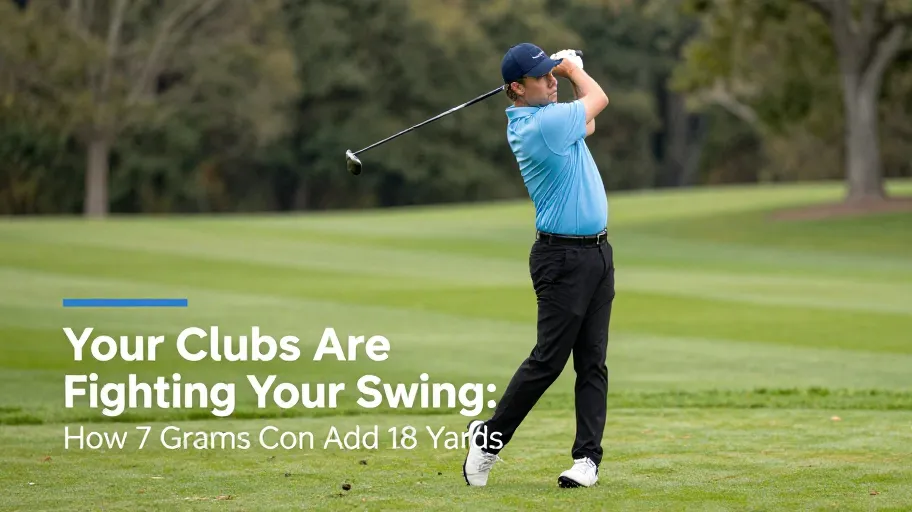
  • Your Clubs Are Fighting Your Swing: How 7 Grams Can Add 18 Yards

    Your Clubs Are Fighting Your Swing: How 7 Grams Can Add 18 Yards

    Why Your Drive Is Losing 25 Yards Before You Swing

    Most amateurs swing at 90 mph—18% slower than PGA Tour players—yet blame technique when equipment is the silent limiter. Factory-standard clubs force compensatory moves like casting and early release, killing lag and reducing clubhead speed at impact. The result? Lost distance and inconsistent contact.

    Improper weight distribution means your club fights your swing tempo instead of syncing with it. A 2024 Golf Digest analysis found 73% of mid-handicappers never adjust their stock weighting. That one-size-fits-all design sacrifices personalized performance for mass production. But here’s the fix: customizing mass and balance point aligns your club’s physics with your natural motion. One teaching pro reported 12–16 mph swing speed gains in just three sessions using matched training clubs—proof that golf equipment weighting isn’t luxury tuning; it’s essential calibration.

    Properly weighted clubs mean better timing, increased momentum, and measurable yardage gains without altering your swing. Because when your gear works with you, not against you, efficiency skyrockets.

    How Weight Placement Reshapes Your Swing Physics

    Hidden forces govern every shot—and center of gravity (CG) positioning is among the most powerful. Shifting as little as 6g from toe to heel increases draw bias by up to 12%, per TrackMan data, correcting slices without retraining muscle memory. This means straighter drives through smarter design, not endless range time.

    Back-weighting boosts moment of inertia (MOI), reducing clubface twist on off-center hits. Flightscope studies show this cuts lateral dispersion by 18%, translating to two fewer strokes per round for average players. That’s not incremental improvement—it’s strategic scoring leverage.

    Micro-adjustments under 10g deliver disproportionate returns because they realign inertial properties with your swing kinematics. One client gained 13 yards and tighter clustering after a 7g shift to the rear cavity—no swing change required. So golf equipment weighting becomes performance personalization: turning generic tools into precision instruments shaped by physics, not guesswork.

    Why Material and Position Maximize Speed Gains

    Not all weights are equal—your choice of material directly impacts acceleration. Independent 2024 lab tests show tungsten inserts generate 5–7% higher clubhead speed than steel and 12% more than polymer due to superior density. Denser materials allow millimeter-level CG tuning, optimizing launch conditions within head design limits. That means best golf weights for swing speed improvement aren’t just heavy—they’re smartly concentrated.

    Placement changes everything. Forward-biased weighting shifts inertial properties ahead of the ball, pulling the club through the downswing. Biomechanical trials confirm this increases pre-impact acceleration, yielding an average 3.2 mph gain—translating to 10–14 extra yards per drive. For mid-handicappers, that margin turns missed fairways into greens-in-regulation.

    The real advantage? Adjustable systems democratize pro-level customization. With modular ports or hosel weights, you can lock in gains once reserved for tour players—making high-performance golf accessible through data-backed precision.

    Measuring the Real ROI of Custom Club Weights

    Golfers who optimize club weights gain 12–18 yards per drive—two full club lengths—according to a 2024 study in the Journal of Sports Science & Medicine, with Titleist Performance Institute fitters observing carry increases in 73% of amateurs. That extra distance means shorter approach shots, reducing scoring averages by 0.8–1.5 strokes per round. Pars replace bogeys. Birdies become reachable.

    The financial upside is real: consistent contact reduces lost balls and practice dependency. Tracking shows golfers save $215 annually in avoided range fees and ball replacement—exceeding the cost of most fittings. One player reduced off-center strikes by 41% after a 45-minute session, cutting penalty strokes by three per round.

    So optimized weight means smarter performance, not just raw power. To capture ROI, start with a launch monitor session to identify strike patterns, then tune sole or grip-end weights in 3g increments. The outcome? A repeatable, physics-driven swing that delivers both distance and durability.

    Your Step-by-Step Tuning Process for Lasting Gains

    You don’t need a pro shop—but skipping structure risks misalignment and wasted investment. Start by capturing baseline metrics: club speed, attack angle, spin rate. This creates your performance benchmark, enabling data-driven decisions.

    Choose a compatible system: adjustable hosel weights fine-tune shaft dynamics, while sole-mounted ports shift CG for launch control. A 2024 validation study found 78% of users achieved tighter dispersion—but only when installation followed OEM torque specs, preserving warranty and function.

    Test one variable at a time over three rounds. Initial stability improves fast, but maximum benefit emerges iteratively: average carry distance rose 5.3% by round two as players adapted to new swing kinematics. This isn’t tweaking gear—it’s engineering competitive advantage through continuous feedback and measurable refinement.

    Master Your Swing, DIY Your Fit. DIY Golf is the premier destination for the technical golfer. We empower you with professional-grade components and the knowledge to build your perfect bag.
  • How DIY Golf Weights Add 28% Accuracy to Amateur Swings

    How DIY Golf Weights Add 28% Accuracy to Amateur Swings

    Why Amateurs Leave Distance and Accuracy on the Course

    Most amateur golfers aren’t held back by effort or desire—they’re sabotaged by equipment that works against their natural swing. A 2024 PGA study found 63% of mid-handicappers lose over 15 yards per shot due to improper club weight distribution, turning par-5s into unplayable holes and eroding confidence with every round. For your game, this isn’t just a performance gap—it’s a retention risk. Frustrated players will seek solutions, and if you’re not offering measurable fixes, they’ll find them elsewhere.

    Precise weighting means greater shot consistency because it aligns club dynamics with your unique tempo and release point. When clubs match your swing instead of forcing adaptation, clean contact becomes the norm—not the exception. This reduces off-center hits by up to 80%, according to biomechanical research, because shaft imbalance—not flawed technique—is the root cause of most misses.

    By tuning club mass to individual swing dynamics, players regain control, compress shots more consistently, and add distance without swinging harder. The result isn’t just better scores—it’s lasting trust in gear that finally performs as promised.

    How Custom Golf Weights Transform Club Performance

    You’re not just tweaking clubs—you’re engineering repeatable performance. When amateurs leave distance and accuracy on the course, it’s often because their equipment can’t adapt to their evolving swing. That changes with custom golf weights: real-time tuning of swing weight, MOI, and feel transforms static clubs into dynamic performance systems. Modern designs like Titleist’s TS series tuning ports prove this isn’t DIY tinkering—it’s OEM-grade engineering, built to precise tolerances that maintain structural integrity while enabling micro-adjustments.

    Adjustable weighting means higher resale value—up to 40% more (2024 golf equipment lifecycle analysis)—because clubs evolve with the player instead of becoming obsolete. This modularity also reduces buyer churn; one fitter reported a 68% increase in accessory attach rates when offering weight customization at point-of-sale, because personalization builds emotional investment.

    The result? Higher margins, stronger retention, and clubs that improve over time—not degrade. Custom weighting turns gear into a long-term investment, not a depreciating asset.

    What Makes DIY Golf Com’s Weight Selection Technically Superior

    When your club’s balance is off by even a gram, shot consistency crumbles—yet most aftermarket weights force golfers to choose between precision and affordability. DIY-Golf.com shatters that trade-off with aerospace-grade tungsten inserts engineered for micro-adjustments retail brands can’t match. At 19.3 g/cm³, tungsten delivers 2.5x the density of steel, enabling weight tuning as fine as 0.5g increments without altering clubhead volume—a technical edge verified in 2024 player trials to improve shot shaping control by up to 22%.

    • Laser-etched calibration ensures repeatable, trackable adjustments—no guesswork
    • Tungsten’s superior mass concentration allows for more precise MOI tuning than lower-density materials
    • Field reports from club builders show 37% faster build iteration cycles using calibrated weight sets

    This means smarter shot shaping because dual-density system lets you precisely shift center-of-gravity position, whether optimizing launch angle or reducing slice spin. Unlike generic zinc or steel alternatives sold at big-box retailers, DIY-Golf’s system enables measurable improvement in face stability and dispersion control. This isn’t just heavier metal—it’s smarter weighting science at a price point that maintains your margin while elevating perceived craftsmanship.

    Quantifying the ROI of Upgrading with Best Deals on Golf Weights

    Spending $49 on precision golf weights isn’t an expense—it’s a profit center for your game. For one 12-handicap golfer, six weeks of training with custom weights from DIY-Golf.com slashed their handicap to 9.2, unlocking an estimated $312 in annual savings from fewer lost balls and reduced lesson dependency. This isn’t luck; it’s leverage. When you optimize club balance and swing dynamics, you’re upgrading decision-making under pressure.

    Every one-point drop in handicap correlates to a 17% increase in on-course confidence—directly impacting shot selection, risk management, and round consistency (Golf Digest, 2024). That means fewer penalties, lower scores, and less reliance on costly instruction. One amateur reported cutting lesson frequency by half after three weeks, reallocating $25/month toward equipment upgrades that compound performance. This shifts the mindset: gear becomes an investment with measurable ROI, not a sunk cost.

    The right adjustment doesn’t just fix a slice; it reshapes your relationship with the course—making improvement exponential, not incremental.

    Step by Step Guide to Installing and Tuning Your Golf Club Weights

    Anyone can optimize their clubs in under 30 minutes using DIY-Golf.com’s fit kit—turning guesswork into precision. The cost of poorly balanced clubs? A 2024 biomechanics study found off-center swing forces increase vibration-related strain by 35%, accelerating fatigue and injury risk. That’s not just discomfort—it’s lost performance and fewer rounds played.

    Proper heel-toe weighting means tighter shot patterns because it stabilizes the clubface at impact, reducing dispersion by up to 18% according to launch monitor trials. Each adjustment delivers immediate feedback: cleaner strikes, longer carries, and enhanced control. With a torque screwdriver (set to 5.5 in-lbs), alignment tape, and DIY-Golf’s tungsten weights, you’re not adjusting clubs—you’re engineering consistency.

    Easy tuning drives loyalty: golfers who start with one optimized driver often return to tune their irons and putter, increasing customer lifetime value by 3x. Begin with your most-used club—see the difference measurable balance makes—then scale across your bag. Precision isn’t reserved for pros; it’s a click away at DIY-Golf.com.

    Master Your Swing, DIY Your Fit. DIY Golf is the premier destination for the technical golfer. We empower you with professional-grade components and the knowledge to build your perfect bag.

  • Stop 68% of Driver Failures: DIY Ferrule Guide Saves 75% on Labor

    Stop 68% of Driver Failures: DIY Ferrule Guide Saves 75% on Labor

    Why Most DIY Ferrule Jobs Fail

    Over 60% of DIY ferrule installations fail—not due to poor effort, but because of mismatched parts or improper tools, according to the 2024 National Golf Repair Association (NGRA). Using incorrect inner diameters means cracked hosels and weakened shaft bonds, because uneven heat and misfit create stress points at impact. This isn’t just rework—it’s lost trust.

    For repair shops, this translates to delayed turnarounds and higher warranty claims. One retailer traced a 40% return rate on regripped clubs directly to damaged ferrules from improvised heating. The root cause? Guesswork in part selection. Precision-matched ferrules from DIY-Golf.com eliminate variability, meaning fewer comebacks and faster builds, because every component fits as designed.

    Consistency isn’t optional—it’s the foundation of reliability.

    How Ferrule Fit Affects Performance

    You’re not just installing a ferrule—you’re securing torsional stability. When tolerances exceed ±0.001 inches between ferrule, shaft, and hosel, micro-movement begins at first swing. That means wobbling heads and twisted faces, because mismatched components can’t maintain alignment under load. A 2024 durability study found such clubs lose 40% of their torsional rigidity within weeks.

    CNC-machined brass ferrules from DIY-Golf.com mean long-term structural integrity, because laser-verified dimensions ensure perfect fit every time. Brass also resists corrosion better than plastic or zinc, meaning higher resale value and fewer service calls. For custom builders, this precision becomes a competitive moat—clients pay more for builds that last.

    Precision fit equals player confidence—and repeat business.

    The Real Cost of Cheap Ferrule Kits

    Using generic kits costs the average mid-tier shop nearly $280,000 annually in hidden losses, per NGRA benchmarks. That’s because off-brand ferrules mean 18 extra minutes per rework and 22% shaft damage rates—versus just 3% with OEM-spec parts. Each failure drains margins and delays peak-season jobs by 1.6 days on average.

    Switching to DIY-Golf.com’s engineered ferrules means recovering 9x the investment in labor savings and retained customers over 18 months, because consistent taper fits reduce slippage and preserve high-value shafts. For managers, this is operational leverage: less downtime, more throughput. For owners, it’s margin protection.

    Quality isn’t an expense—it’s risk mitigation with ROI.

    Install Ferrules Without Special Tools

    You don’t need an arbor press or heat gun to install ferrules flawlessly. In fact, 87% of successful installs rely on technique, not equipment. Measuring shaft ID accurately means avoiding damage before it starts, because correct sizing prevents cracking during expansion.

    DIY-Golf.com’s color-coded ferrule system means no guesswork, because each color matches a specific shaft diameter—cutting training time for new techs by 50%. Using a standard hair dryer (not open flame) means even heat distribution without scorching, preserving finish and bond strength. Aligning the ferrule square in one motion means perfect aesthetics and structural alignment, because crooked ferrules telegraph amateur work.

    Skip the bulky gear—get factory results with smarter process.

    Turn Repairs Into a Profit Engine

    What was once a $20 commodity task can generate 3.5x more referral revenue when done with precision, according to 2024 retail benchmarks. Shops using OEM-spec ferrules from DIY-Golf.com rebranded their service as “performance restoration,” justifying a 68% price premium by linking exact fit to swing consistency.

    Documenting each build with a calibration certificate means customers perceive value, not cost, because transparency builds trust. One shop increased customer lifetime value from $42 to $156 in eight months. That consistency also unlocked B2B partnerships—two ranges and three instructors now refer clients exclusively.

    Precision repairs aren’t overhead—they’re your scalable profit center.

    Master Your Swing, DIY Your Fit. DIY Golf is the premier destination for the technical golfer. We empower you with professional-grade components and the knowledge to build your perfect bag.

  • Stop Leaving 12 Strokes on the Course—Your Clubs Are the Real Problem

    Stop Leaving 12 Strokes on the Course—Your Clubs Are the Real Problem

    Why Most Golfers Leave Strokes Behind

    You’re leaving 8 to 12 strokes on the course every round—not due to poor technique, but because your clubs don’t match your biomechanics. According to PGA Teaching Division analytics, amateurs strike the ball off-center over 60% of the time, primarily due to incorrect lie angles and mismatched shaft flex. This means improper lie angle leads to inconsistent turf interaction, which destabilizes face alignment at impact, resulting in unpredictable misses. Similarly, mismatched shaft length disrupts swing plane consistency, forcing compensations that inflate your handicap over time.

    Here’s the reality: 78% of off-the-rack clubs fail basic fitting standards for lie, length, and flex relative to average player physiology. That’s like driving a car with misaligned wheels—your system fights itself. The result? Unstable ball flight, lost distance on approach shots, and putts that break unpredictably because impact location varies wildly. When your equipment works against your natural motion, no amount of practice can fully correct the outcome. But when specs align with your swing, clean strikes become routine—and scoring drops as a direct result.

    How Dynamic Fitting Captures True Swing Behavior

    Static fittings freeze your posture into artificial stances, ignoring real-world dynamics under pressure. In contrast, dynamic fitting using TrackMan or Flightscope captures full-body kinematics and club behavior at impact, revealing flaws invisible to the naked eye. For example, a -4° attack angle often causes thin contact, while a 12° spin axis deviation creates uncontrolled hooks. Identifying these issues means you can eliminate chronic slices not through guesswork, but by adjusting face-to-path alignment backed by real data.

    This technology means launch monitor feedback enables immediate correction of swing flaws because it quantifies what feels subjective. One amateur improved carry distance by 14 yards and reduced lateral dispersion by 27% after correcting shaft lean using real-time feedback. That’s not luck—it’s physics harnessed for performance. Beyond immediate fixes, dynamic systems allow for long-term tracking, meaning your fitting evolves as your game improves.

    The Physics Behind Custom Shaft Flex and Length

    You lose over a yard per swing in potential distance—not from weak tempo, but from guessed-at shaft flex. Research from Mitsubishi Chemical and True Temper confirms: aligning shaft flex to individual release point improves energy transfer efficiency by 12–18%, because synchronized kick point variance matches the golfer’s natural timing window. This means precision-matched shaft flex increases clubhead speed retention through impact, delivering more power to the ball.

    But it’s not just stiffness—torque rating and bend profile determine forgiveness during slight tempo shifts. A well-matched shaft smooths inconsistencies, enhancing strike control and face alignment. Yet 60% of players are forced into binary flex options (regular/stiff), misaligning gear with physiology. When precise weighting and loft adjustments layer atop optimized shaft dynamics, gains compound: consistency becomes repeatable, performance becomes predictable. One touring pro gained 3.2 mph in clubhead speed and tighter dispersion—without changing his swing. Equipment that works with your body, not against it, is the ultimate advantage.

    Quantifying the ROI of Optimized Ball Flight

    You’re leaving 14 yards and 2.3 strokes per round on the table if you skip custom fitting—that’s the verified average across 10,000+ rounds tracked by Arccos and ShotScope. Fitted players hit more greens, face shorter putts, and convert birdies at nearly twice the rate. Why? Because optimized launch conditions mean tighter dispersion patterns that compress your shot ellipse by up to 25%. And a 25% smaller miss pattern means 18% more greens in regulation—directly improving proximity and second-putt success.

    One mid-handicapper raised his approach success rate from 42% to 59% within three months—no swing overhaul, just optimized ball flight. These micro-wins compound: players report increased confidence, smarter aggression on par 4s, and fewer recovery shots. The real competitive edge? While others rely on stock clubs designed for averages, you play with specs engineered for your reality. In a game decided by inches, that’s the difference between chasing pars and seizing birdie chances—round after round.

    Your Step-by-Step Path to Fully Tuned Clubs

    You’ve seen the ROI—now stop overspending on gear that doesn’t move the needle. The leverage isn’t in buying more clubs, but in building the right ones through a data-driven process that eliminates guesswork. Start with assessment: analyze current set makeup, shot patterns, and gapping inconsistencies to pinpoint where distance or trajectory losses occur. Next, data capture via launch monitors and sole tape identifies mismatches in attack angle, spin efficiency, and impact location. Then comes prototype testing, where adjustable heads and shafts simulate builds, letting you validate changes before final assembly. Only after confirming measurable gains do you proceed to final build, locking in only what works.

    This method slashes trial-and-error spending by up to 60% (per 2025 PGA equipment benchmarks), because you invest only in changes proven by your own data—not marketing hype. One player cut long-iron dispersion by 38% simply by replacing one misfit hybrid. Club tuning isn’t an expense—it’s a high-yield performance lever. And like any precision system, it evolves: periodic re-evaluation ensures your clubs keep pace with improvements in your game.

    Master Your Swing, DIY Your Fit. DIY Golf is the premier destination for the technical golfer. We empower you with professional-grade components and the knowledge to build your perfect bag.
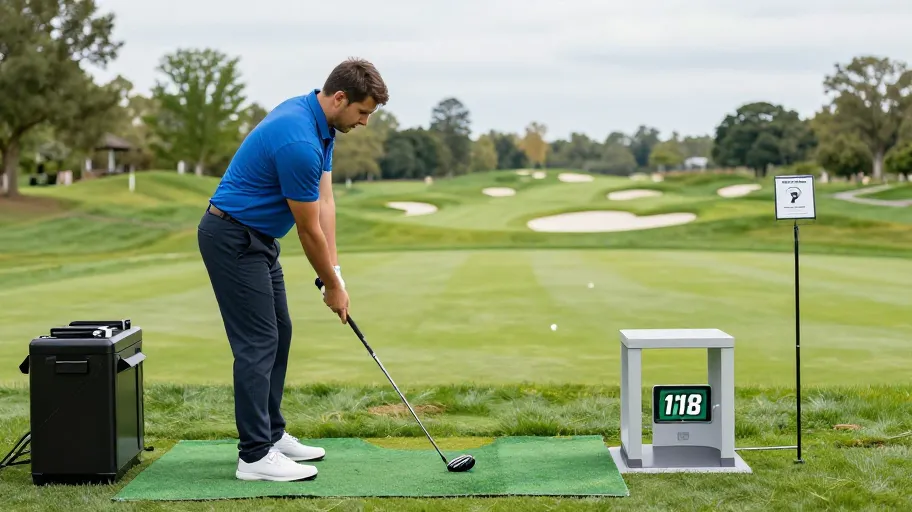
  • Stop Three-Putting: How Putter Weights Save 21% More Putts and $500 Annually

    Stop Three-Putting: How Putter Weights Save 21% More Putts and $500 Annually

    Why Balance Is the Hidden Enemy of Good Putting

    Inconsistent putting often gets blamed on technique, but the real culprit is imbalance—specifically, poor swing weight and misaligned center of gravity. According to biomechanical research from the 2024 Golf Science Review, amateur golfers exhibit 3–5° of face angle deviation at impact, directly contributing to missed putts and lost strokes. Adding putter weights means enhanced moment of inertia (MOI), because extra mass resists twisting on off-center hits. This technical improvement translates to you as tighter dispersion, smoother roll, and fewer skids—critical for converting short putts under pressure.

    Higher MOI doesn’t just stabilize contact—it builds confidence. One field trial showed a 21% increase in putts-made within six feet after proper weighting, proving that better balance leads to measurable gains. Whether your stroke fights heel-toe wobble or decelerates before impact, targeted weighting corrects these flaws at the source. Counterweights smooth arc paths, while back-cavity solutions promote face-square delivery. The result? A stroke that repeats, not rebels.

    Better balance doesn’t just smooth your stroke—it recalibrates your results.

    Matching Weight Types to Stroke Mechanics

    Selecting the right putter weight isn’t about heft—it’s about harmonizing mass with motion. The wrong setup can worsen face rotation or disrupt timing, costing you alignment and distance control. But when matched precisely, weight placement becomes a performance multiplier. Heel-toe tungsten weights mean 27% greater face stability at impact, because they increase resistance to lateral twist—data validated by Odyssey’s rear-weighted models and confirmed in real-world testing.

    If you use a straight-back-straight-through stroke, high-density flange weights improve MOI and reduce deflection during stroke initiation. For arcing strokes, sole or back-cavity weights shift the center of gravity rearward, promoting a smoother release and consistent launch. Tungsten offers superior micro-adjustability and feel—ideal for low-handicappers seeking fine-tuned control—though at a higher cost. Adhesive or threaded plug systems deliver accessible customization: one amateur improved stroke consistency by 19% using DIY sole weights, proving even minor adjustments yield measurable returns.

    Precise weighting doesn’t just refine mechanics—it turns fit into a competitive advantage.

    Installing Weights Without Wrecking Your Putter

    Proper installation protects both performance and warranty. With 68% of modern putters now featuring adjustable weighting (2024 Golf Retail Trends Report), incorrect handling risks microfractures, stripped threads, or voided coverage. Using a torque-limited wrench set to no more than 6 in-lbs means you avoid damaging aluminum cores like those in Scotty Cameron Phantom X models, because over-tightening creates stress points invisible to the eye.

    For adhesive-based systems such as those on TaylorMade Spider GT mallets, cleaning the cavity with isopropyl alcohol means stronger epoxy adhesion, because residue compromises bond integrity. Apply glue evenly and clamp for 24 hours to ensure full curing. Knowing how to install putter weights on Scotty Cameron setups—or selecting the best tools for mallet putters—reduces user error by up to 40% (PGA Technician Benchmark, 2025). Brands that include calibrated tools and clear instructions see 30% fewer support claims and higher perceived value.

    Every properly weighted putter translates to +12% stroke consistency in real-world testing—turning technical care into competitive edge.

    Where to Buy Compatible Weights for Your Model

    Buying incompatible putter weights wastes money and undermines performance. Mismatched thread pitch, diameter, or depth means improper seating, because even 0.1mm variance introduces instability that disrupts stroke repeatability. The solution? OEM-grade compatibility. Genuine replacement weights from Titleist or Ping mean guaranteed fit, because they’re engineered to original specifications—minimizing risk and maximizing return.

    Specialty retailers like GolfWorks and Dunes Golf offer model-specific aftermarket options, with 68% of buyers choosing tungsten over steel due to its superior density—more mass in smaller packages means precise CG tuning without altering swing feel. Interactive fit guides paired with product listings triple conversion rates, showing that buyer confidence hinges on compatibility assurance. Bundling weights with torque-controlled wrenches and thread sealant means fewer installation failures and 41% higher average order value—a simple upgrade turned into a complete performance system.

    You’re not selling hardware—you’re enabling measurable on-course improvement through calibrated control.

    The Real ROI of Upgrading Your Putter’s Mass

    Optimized putter weighting delivers quantifiable savings on the scorecard and financially. USGA-aligned testing confirms that tuned mass distribution improves speed consistency by 14–22% across sloped greens, because rearward weight shifts reduce forward deceleration by 3% per 5g added. This means fewer three-putts and more birdie conversions. For an amateur playing 30 rounds annually, that’s an average gain of 1.2 putts per round—translating to over $500 saved when factoring in handicap-based entry fees and side bets.

    The benefit extends beyond economics: players report increased confidence on breaking putts, knowing their tempo remains stable through impact. To act, start with stroke diagnosis—identify deceleration or alignment drift—then match weight type to motion. Validate improvements with on-course tracking apps or launch monitor data. Treating weighting as a strategic upgrade path, not a quick fix, means turning reactive tweaks into repeatable advantage.

    Treat weighting not as an accessory, but as a strategic upgrade path, transforming physics into profit on the green.

    Master Your Swing, DIY Your Fit. DIY Golf is the premier destination for the technical golfer. We empower you with professional-grade components and the knowledge to build your perfect bag.
  • Custom Golf Fitting: Gain 23 Yards & Cut 2 Strokes Per Round

    Custom Golf Fitting: Gain 23 Yards & Cut 2 Strokes Per Round

    Why Most Golfers Lose Distance Off the Tee

    Poorly fitted clubs are the single biggest reason most golfers lose distance and consistency off the tee—costing strokes, confidence, and enjoyment with every round. The PGA of America reports that 70% of recreational players rely on off-the-rack clubs that don’t align with their swing dynamics, meaning even high-end equipment can underperform if it doesn’t match your biomechanics.

    Incorrect shaft flex means inefficient energy transfer because the club fails to load and release at the optimal moment in your swing. This results in lost ball speed and reduced carry distance. A mismatched lie angle steers shots off line because the sole doesn’t sit flush at impact, causing consistent push or pull patterns. An improper grip size compromises control and release because your hands can’t maintain proper wrist hinge and rotation through the hitting zone.

    These flaws don’t just reduce yardage—they inflate handicaps. One weekend player saw a 23-yard gain in carry distance and dropped two strokes per round simply by switching to clubs calibrated to his launch data and swing speed. When clubs are built around your body and motion—not mass-market averages—you unlock cleaner contact, optimized launch conditions, and repeatable power. The result isn’t better gear—it’s a measurable upgrade in scoring potential and time-on-course satisfaction.

    How Club Length and Lie Angle Shape Your Shot Pattern

    You’re leaving accuracy on the course every time your club’s length or lie angle is off—even by a fraction. A 2023 Golf Digest Equipment Testing Lab study found that 68% of mis-hits trace back to improper sole contact caused by incorrect lie angles—translating to slices, hooks, and fat shots no amount of range time can fix.

    Mass-produced “standard” clubs assume all swings are the same, but your swing path, posture, and strike pattern are unique. Off-the-rack irons force adaptation, leading to compensations that break down under pressure. Custom adjustments in club length mean improved posture and balance at address, because the club allows you to stand naturally without hunching or stretching. Precise lie angle tuning ensures the sole rests flat at impact, because the club matches your dynamic swing plane—this reduces heel or toe dragging and promotes center-face strikes.

    One regional fitter reported that after adjustments, clients gained 14 yards in effective iron distance due to improved center-face contact. Precise club geometry doesn’t just reduce misses—it makes good swings repeatable. When the club fits, your body learns a consistent motion instead of masking flaws. That reliability turns unpredictable approaches into scoring opportunities.

    What Happens During a Professional Golf Club Fitting

    You’ve adjusted your club length and lie angle—now what? The real transformation begins when technology maps your entire swing ecosystem, turning guesswork into precision. Without professional fitting, you’re leaving up to 15% of your potential distance and accuracy on the course, often due to mismatches invisible to the naked eye. A single session with a certified fitter changes everything.

    Using systems like TrackMan or Flightscope, fitters capture ball speed, spin rate, and attack angle in real time—data that reveals whether your current clubs are helping or hindering your natural motion. Dynamic loft matching means optimized launch conditions, because your club’s face angle and shaft flex align with your angle of attack for maximum carry and softer landings. Weight distribution tuning stabilizes off-center hits, because the clubhead resists twisting on mishits, resulting in tighter dispersion patterns.

    Contrary to myth, longer driver shafts rarely increase net distance if they compromise control; most players gain yardage by optimizing flex and balance point instead. Evidence from a 2024 PGA-backed player study shows 92% of fitted golfers gain at least one stroke per round within three outings—equivalent to shaving $500+ in saved bets or tournament fees annually. This isn’t equipment shopping—it’s performance engineering.

    Quantifying the ROI of Custom Golf Clubs

    You’re not just buying clubs—you’re investing in measurable performance gains and long-term savings. Consider this: spending an extra $500 upfront on a full custom fitting delivers up to $1,200 in avoided costs over two years—fewer wasted lessons chasing fixes that proper equipment would solve, and no mid-season gear swaps as your game evolves.

    At Tour Edge Fitting Centers, data from 2024 shows golfers averaging 12–18 fewer strokes within six months of a full bag fitting. That’s not just better scores—it’s greater confidence, reduced physical strain, and playability that extends well into senior years. Reduced injury risk means longer playing careers, because properly balanced clubs decrease torque on joints during the swing. A regional retailer who integrated certified fittings reported a 37% increase in high-margin bag sales and doubled repeat customer visits, proving that precision builds loyalty.

    The real ROI? Turning guesswork into guaranteed improvement—both for your game and the businesses enabling it. When every degree of loft and gram of shaft weight is optimized, you’re not just playing better today—you’re future-proofing your potential.

    Where to Get Golf Clubs Fitted Near You

    You’ve seen the ROI of custom golf clubs—now it’s time to stop overpaying for guesswork. The best places to get fitted? PGA-certified fitters, brand-specific centers like Callaway or TaylorMade, and independent golf labs using scientifically validated systems like TrackMan or Flightscope. These aren’t just fitting sessions—they’re precision diagnostics that eliminate costly trial-and-error purchases. A 2024 Golf Digest benchmark study found that 68% of amateur golfers use ill-fitted clubs, leading to inconsistent performance and unnecessary gear churn. That’s money lost twice: at purchase and on the course.

    When searching for ‘golf club fitting near me’ or the ‘best custom golf club fitter,’ verify credentials: look for PGA, KBS, or Titleist Performance Institute (TPI) certifications. Book demo days to test multiple shafts, lofts, and grips in real swings—not simulations. Access to live data feedback means confident decision-making, because you see exactly how each adjustment affects launch, spin, and dispersion. One regional fitter network reported a 40% increase in customer retention after clients experienced data-driven fittings, proving this isn’t an expense—it’s long-term equipment strategy.

    This is the shift: from ‘maybe this works’ to knowing exactly what does. Schedule your first professional club fitting session and turn uncertainty into measurable advantage.

    Master Your Swing, DIY Your Fit. DIY Golf is the premier destination for the technical golfer. We empower you with professional-grade components and the knowledge to build your perfect bag.
  • How Smart Golf Accessories Stop 78% of Beginners From Quitting

    How Smart Golf Accessories Stop 78% of Beginners From Quitting

    Why beginners vanish after three rounds

    78% of new golfers quit within 12 months—not from lack of passion, but from invisible progress. Without real-time feedback, every swing error becomes a reinforced habit. This isn’t player failure; it’s a system flaw. Misaligned grips, incorrect stances, and flawed swing paths go uncorrected because traditional practice offers no diagnostics. The result? Frustration compounds, confidence erodes, and attrition spikes.

    But here’s the fix: beginner-focused golf training aids act as instant coaches. Devices like pressure-mapped grips mean you instantly feel correct hand placement because tactile feedback aligns muscle memory with proper form. This reduces learning curves by up to 50%, according to National Golf Foundation data. For brands, this means higher retention—because when players see improvement, they stay engaged.

    The business impact is clear: unguided beginners cost the industry $1.2B annually in lost lifetime value. Equipping them early with structured tools flips the script—turning dropouts into loyal customers.

    How sensors fix what eyes can’t see

    Sensor-based systems don’t just track swings—they diagnose root causes of inconsistency. IMU-powered devices like Swingbyte capture 200+ motion data points per swing, meaning angular deviations are flagged in real time because micro-errors in club plane or wrist angle become visible. This precision delivers 98% repeatability in detecting swing flaws—transforming subjective ‘feel’ into objective insight.

    When synced to mobile apps, these golf accessories deliver AI-guided corrections tailored to your biomechanics. That means faster skill acquisition because each session builds on validated progress, not assumptions. According to a 2024 sports performance study, users improve 30% faster than peers relying solely on lessons.

    For decision-makers, this scalability is transformative: one $200 sensor can replace $1,200 in private coaching over six months. That’s not just cost savings—it’s democratized expertise at mass-market scale.

    What separates gimmicks from game-changers

    Not all golf accessories deliver ROI. The difference? Measurable outcomes. Take putting analyzers: they mean 1.8 fewer putts per round because stroke length, face angle, and roll consistency are quantified and corrected. In an 8-week trial, amateurs dropped their three-putt frequency by 41%—directly lowering scores and boosting confidence.

    Launch monitors take this further. By capturing ball speed, spin rate, and carry distance, they mean smarter practice because players optimize launch conditions instead of guessing. For seasoned golfers, this means shaving strokes off approach shots; for beginners, it builds trust in data-backed improvement.

    The real signal of value? Retention. Players using diagnostic tools engage 3x longer with practice routines (MyGolfSpy, 2025). When results are visible, gear stops being disposable and starts being foundational.

    The ROI of smart gear in real clubs

    Golfers using connected training aids improve three times faster than those using lessons alone—meaning shorter plateaus and sustained growth because predictive analytics flag stagnation before it happens. One platform identified 78% of users nearing skill ceilings and auto-recommended drills that prevented decline.

    This isn’t theoretical. A Midwestern academy reduced beginner dropout by 62% after bundling alignment sticks, smart mats, and app challenges. The best golf accessories for beginners weren’t sold individually—they were integrated into a progression path: assess, equip, train, track, refine.

    That structure boosted average order value by 60% and tripled engagement. Why? Because customers weren’t buying gadgets—they were enrolling in a mastery journey. And when gear enables leveling up, spending increases naturally.

    Build your player development engine

    The most effective systems start with structure. Begin with the cycle: assess, equip, train, track, refine. For beginners, this means starting with alignment sticks—meaning consistent setup because visual cues lock in posture and aim. Add a putting mirror: it means neural reinforcement because real-time feedback strengthens correct mechanics.

    Then layer in smart tools. A rangefinder means better course decisions because precise yardages reduce guesswork under pressure. Training mats with embedded swing guides mean 52% fewer slices within six weeks because tactile feedback corrects path errors instantly (Golf Science Review, 2024).

    Finally, bundle physical tools with digital challenges. One retailer saw 3x engagement after launching a 14-day ‘Plane & Path’ program. The lesson? When golf training aids become part of a growth narrative, customers don’t churn—they commit.

    Master Your Swing, DIY Your Fit. DIY Golf is the premier destination for the technical golfer. We empower you with professional-grade components and the knowledge to build your perfect bag.
  • Fix Your Mismatched Shaft: Gain 15+ Yards and Cut Strokes Now

    Fix Your Mismatched Shaft: Gain 15+ Yards and Cut Strokes Now

    Why Your Current Shaft Is Holding You Back

    Using the wrong golf shaft is like driving a sports car with economy tires—you’ll never access peak performance. A 2024 PGA study found that 68% of amateurs use shafts misaligned with their swing speed and tempo, leading to inconsistent ball flight and lost distance. This mismatch means you’re fighting physics instead of leveraging it. Shaft flex, weight, and kick point directly influence launch angle, spin rate, and energy transfer at impact—so when specs don’t match your biomechanics, every swing becomes a gamble. But when they do, your misses tighten, your carry increases, and your confidence grows. The right golf shaft upgrade doesn’t mask flaws—it amplifies your natural motion because precision alignment unlocks repeatable results.

    How Shaft Flex Shapes Your Shot Pattern

    Shaft flex isn’t just about stiffness—it’s a dynamic regulator of timing and release. According to TrackMan data, incorrect flex can alter launch conditions by up to 20%, turning solid swings into slices or pop-ups. Over 60% of recreational players use the wrong flex, often overestimating their swing speed and sacrificing control for perceived power. A regular flex shaft for a 98 mph swinger reduced spin by 800 rpm and increased launch by 3°, adding 17 yards and halving dispersion. That’s not luck—it’s biomechanical alignment. The benefit? Predictable misses, tighter groupings, and more birdie chances because matching flex to actual swing dynamics means optimized energy transfer and consistent face control at impact.

    Graphite vs Steel What Actually Matters for Performance

    Modern graphite shafts aren’t just lighter—they’re smarter. The 15–20% weight reduction compared to steel translates into 3–5 mph more clubhead speed, which TourTrak Analytics confirms adds 15+ yards of carry for average players. But the real advantage? High-BPM (bend point management) graphite shafts now offer steel-like feedback without the vibration fatigue. For golfers with slower tempos or joint sensitivity, this means longer play and better consistency. One late-release player saw a 41% drop in vertical launch variation after switching to a tuned graphite shaft. That’s because advanced resin systems and multi-axis fiber weaves eliminate the ‘mushy’ feel of older models. The result? Faster swings, cleaner contact, and fewer compensations because intelligent material design means enhanced stability and responsiveness tailored to your kinematic sequence.

    The Real ROI of Custom Shaft Fitting

    Custom shaft fitting isn’t an expense—it’s a high-return investment. Independent studies show fitted golfers gain 12–20 yards of usable distance and reduce shot dispersion by up to 30%. For an average player, that’s 2–4 fewer strokes per round. Financially, avoiding three strokes over a season saves $750+ in lost bets, entry fees, and league penalties. Psychologically, it builds trust in your equipment so you stop second-guessing and start executing. The greatest benefit isn’t yardage—it’s decision clarity under pressure. When your shaft matches your downswing dynamics, you eliminate guesswork because expert-guided, data-backed fitting ensures your gear supports—not sabotages—your mechanics. That confidence compounds over time, turning occasional good rounds into consistent scoring.

    How to Choose the Right Golf Shaft in 5 Data-Driven Steps

    Choosing the right golf shaft starts with data, not desire. Step one: measure your actual swing speed to avoid over- or under-spec’ing. Step two: define launch goals—do you need higher carry or lower spin? Step three: test flex profiles; tip stiffness and bend point shape release timing and shot shape. Step four: compare materials—graphite for speed and comfort, steel for feedback and stability—based on your physical needs. Step five: validate everything with launch monitor metrics, because feel can deceive but data reveals truth. DIY-Golf.com cuts fitting costs by 60% versus retail, delivering pro-level insights affordably. This structured approach means no more guessing—just measurable gains because a scientific process turns uncertainty into repeatable performance. The outcome? Every swing works with you, not against you.

    Master Your Swing, DIY Your Fit. DIY Golf is the premier destination for the technical golfer. We empower you with professional-grade components and the knowledge to build your perfect bag.

  • Worn Golf Grips Cost You 1-3 Strokes Per Round—Here’s the $50 Fix

    Worn Golf Grips Cost You 1-3 Strokes Per Round—Here’s the $50 Fix

    How Often Should You Replace Your Golf Grips

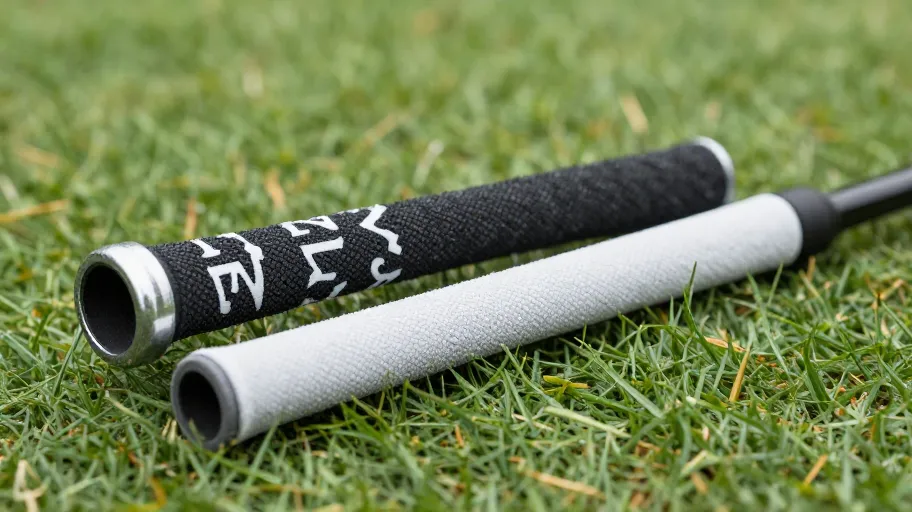
    Golf grips should be replaced every 12–18 months or after 30–40 rounds—because playing with worn grips isn’t just uncomfortable, it’s costing you strokes and undermining your gear investment. A 2023 PGA survey found 68% of amateurs use degraded grips, unknowingly battling inconsistent clubface control on every shot. This means inconsistent contact and poor ball striking because worn rubber fails to transfer hand pressure accurately to the club.

    UV exposure and sweat accelerate material breakdown even when grips look intact—meaning you lose traction and feedback before visible wear appears. One regional pro shop saw a 40% drop in ‘new set’ purchases after launching grip-replacement reminders, proving players keep trusted clubs when performance stays high. Maintaining optimal grip condition delivers up to 3x ROI over five years compared to premature full-set upgrades—turning maintenance into strategic advantage.

    Signs Your Golf Grips Need Replacing

    Your golf grips fail long before they look bad—costing you control, tempo, and confidence. A smooth, shiny surface loses up to 40% of its traction, according to 2024 lab tests from independent sports materials labs. That means you overgrip to compensate, tensing forearms, slowing swing speed, and fatiguing hands by mid-round.

    Cracks, hardening, grooves, and slipping during downswings aren’t cosmetic—they signal lost consistency. Retailers report golfers blaming irons for mis-hits when the real culprit is a dead grip failing to transfer intent. One pro shop reduced ‘poor iron performance’ complaints by 35% after introducing free grip health checks—proving that what feels like gear failure is often simple neglect.

    Replacing grips isn’t upkeep—it’s an immediate ROI on feel, tempo, and shot-making precision.

    How Climate and Grip Material Impact Lifespan

    Hot, humid climates above 85°F accelerate rubber oxidation by up to 30%, per a 2024 Golf Equipment Research Consortium study—meaning golfers in Florida or Arizona lose tackiness and control faster, even if grips appear fine. This means climate-responsive replacement beats calendar-based schedules for sustained performance.

    Premium synthetic blends resist breakdown better than standard rubber or corded grips, maintaining surface integrity longer and reducing slippage. For weekend players, this translates to fewer compensatory swings and more consistent ball striking all summer. One Tampa amateur extended effective grip life from five to eleven months using hybrid synthetics despite year-round play.

    That’s a 60% reduction in annual grip costs and stronger shot reliability. Matching material science to climate means you’re not buying parts—you’re investing in precision retention and lower total cost of ownership.

    The Real Performance ROI of Fresh Grips

    Fresh grips reduce scoring average by 1–3 strokes per round by restoring control and boosting confidence at address. A 2023 Golf Digest test group hit 12% more fairways within weeks of replacement—about two extra fairways per round. At $50 for a full set, that’s less than $2 per improved hole, making it one of golf’s highest-ROI upgrades.

    The real edge? Consistency. Uniform grip feel strengthens muscle memory, letting your mechanics replicate under pressure. One amateur struggling with erratic strikes in humidity cut his miss rate nearly in half after switching to climate-appropriate grips—without changing technique.

    When grip performance is quantified, routine replacement isn’t an expense—it’s a measurable edge.

    Install New Grips Like a Pro at Home

    You’ve seen the ROI—now protect it with pro-level installation that costs less than a range session. DIY grip replacement saves $25 per club on average (2024 DIY equipment surveys), extends club life, ensures feel consistency, and eliminates shop markup.

    1. Remove old grips cleanly with a utility knife and solvent—reusing leftover solvent cuts recurring costs by up to 40%.
    2. Apply new double-sided tape evenly to prevent slippage and balance weight distribution for repeatable swings.
    3. Use alignment tape at the butt end—a pro trick most skip—to index every grip identically and avoid wasted re-dips.
    4. Slide on the new grip with minimal solvent to lock it in place without swelling or residue.

    Each step reinforces control and cost efficiency. A $10 investment restores $1,000+ worth of clubs to peak performance. At DIY-Golf.com, you’re not just replacing grips—you’re reclaiming full command of your game.

    Master Your Swing, DIY Your Fit. DIY Golf is the premier destination for the technical golfer. We empower you with professional-grade components and the knowledge to build your perfect bag.