Author: admin

  • Stop Losing 8-10 Strokes Per Round: How Custom Club Fitting Solves Your Biggest Golf Problem

    Stop Losing 8-10 Strokes Per Round: How Custom Club Fitting Solves Your Biggest Golf Problem

    Why Most Golfers Lose Strokes Before They Even Swing

    The average golfer loses 8–10 strokes per round not due to poor technique, but because their clubs don’t match their biomechanics. Over 70% of recreational players use off-the-rack gear mismatched to their body and swing type—meaning they start each round at a disadvantage. This misfit forces the body into chronic swing compensations: subtle, unconscious adjustments that become ingrained as ‘my swing,’ when in reality, they’re symptoms of equipment failure.

    Shaft flex and lie angle alone account for over 60% of hidden errors. A shaft too stiff suppresses launch and encourages slices; one too flexible increases dispersion. Incorrect lie angles push shots offline before impact. These aren’t minor flaws—they’re systemic energy leaks. The result? Reduced power transfer, inconsistent ball flight, and stalled improvement. When your clubs work against you, practice reinforces bad patterns on a flawed foundation—this is why most golfers plateau.

    How Launch Monitor Data Transforms Guesswork Into Precision

    Launch monitors like Trackman and Foresight Sports turn club fitting from retail guesswork into precision engineering. Three metrics—spin rate, attack angle, and club path—explain 92% of shot variance. Measuring dynamic loft at impact means your driver can be tuned to your actual launch conditions, gaining 15+ yards legally without swinging harder. For example, a mid-handicapper with a steep attack angle used a 10.5° off-the-rack driver that launched low and spun excessively. After data-driven fitting, switching to a 9° head with adjusted lie and shaft flex increased carry by 18 yards with tighter dispersion—despite unchanged ball speed. This shift—from buying to engineering—means every club performs optimally under real swing dynamics.

    What Makes Custom Golf Clubs Technically Superior to Off the Rack

    Custom golf clubs are engineered to your unique swing, not a mythical ‘average’ player. While off-the-rack sets force adaptation, custom builds align with your biomechanics, converting wasted motion into efficient energy transfer. Four precision-tuned variables make the difference: shaft torque, grip size, length-to-weight ratio, and center of gravity (CG) alignment. Shaft torque control improves directional accuracy by 12% for mid-swing players by preventing face over-rotation. Grip size affects wrist hinge and neural feedback—too thick or thin increases hand fatigue by up to 30%. Length-to-weight ratio stabilizes tempo, reducing deceleration at impact. CG alignment matches mass distribution to your angle of attack. Mizuno’s 2024 data shows custom-fit irons deliver 18% better strike consistency—like gaining two clubhead speeds without changing technique. This isn’t luxury—it’s physics-based optimization that compounds gains across every round.

    Quantifying the ROI of a Professional Golf Fitting Near Me

    A $300 professional fitting pays for itself in fewer than 10 rounds. According to Golf Digest, 68% of amateurs buy at least one ill-fitting club—averaging $200 in avoidable spending. But the real cost is performance: lost balls, extra strokes, and stagnant progress. Proper iron gapping reduces missed greens by 1.5 per round—nearly two strokes saved for a 15-handicapper. Local fitters with indoor launch monitor bays enable year-round tuning, turning fitting into an ongoing performance loop. One teaching pro reported clients using fitted clubs in winter training averaged 4.3 fewer putts per round come spring. The ROI? Lower scores, smarter spending, and sustained confidence—making every dollar invested in fitting yield measurable returns on the course.

    Step by Step Guide to Finding the Best Golf Fitting Near Me

    The best golf fitting experience hinges on three non-negotiables: certified fitters, modern technology, and post-fit support. Start by verifying credentials—look for PGA certification or OEM-specific training (e.g., Titleist Certified). Without this, recommendations lack standardization, risking guesswork masked as customization. Next, confirm the use of Doppler radar (TrackMan, FlightScope) or high-speed cameras—visual analysis alone misses critical metrics like spin axis tilt and angle of attack. Then, insist on full-bag analysis: driver-only fits ignore gapping and shaft consistency across irons and wedges. Always receive written specifications—this ensures accountability and future adjustments. Finally, choose partners offering warranties and recalibration services. Regional pro shops often outperform big-box retailers here, providing personalized support at lower lifetime cost. This five-step process turns fitting into a long-term strategy—where every spec is traceable, and every outcome measurable.

    Master Your Swing, DIY Your Fit. DIY Golf is the premier destination for the technical golfer. We empower you with professional-grade components and the knowledge to build your perfect bag.
  • How the Right Golf Shaft Adds 15 Yards (It’s Not Your Swing)

    How the Right Golf Shaft Adds 15 Yards (It’s Not Your Swing)

    Why Most Golfers Lose Distance Off the Tee

    Up to 80% of the distance you’re losing off the tee isn’t about your swing—it’s about your shaft. Mismatched shafts sabotage amateur golfers more than poor mechanics, quietly eroding yards and accuracy with every swing. Data from TrackMan testing across thousands of amateur rounds reveals that improper shaft flex and weight lead to average launch angle deviations of 4–6 degrees and spin rates fluctuating by over 500 RPM—enough to turn a solid drive into a slice that bleeds 20+ yards. The result? Reduced forgiveness on off-center hits, inconsistent contact, and a growing lack of confidence when you need it most.

    This isn’t just about feel—it’s physics. Small shifts in torque (as little as 2–3 degrees) or kick point location alter how energy transfers from your swing to the ball at impact. A high-torque shaft may twist too much during transition, delaying face closure and promoting rightward dispersion for right-handed players. A low-kick shaft firing too early can kill carry distance, even with perfect timing. These micro-inefficiencies compound, turning what should be a power amplifier into a performance leak.

    The turning point is measurement: understanding that your swing speed, tempo, and release point aren’t just variables—they’re the blueprint for optimal shaft selection. One recreational player with a 92 mph swing saw a 14-yard gain in effective carry simply by switching from a stiff to a regular-flex shaft with a mid-kick profile—proving that speed alone doesn’t dictate fit.

    Solving distance loss starts not with more power, but with precise alignment between your swing dynamics and shaft behavior. And the first metric that unlocks this fit? Your swing speed—not as a standalone number, but as the foundation for determining your ideal shaft flex.

    How Swing Speed Determines Your Ideal Shaft Flex

    Your swing speed isn’t just a number—it’s the master key to unlocking distance, accuracy, and lower scores. Ignoring it costs you strokes, lost balls, and confidence. According to USGA and Foresight Sports data from over 10,000 amateur swings, mismatched shaft flex leads to energy leakage at impact, reducing ball speed by up to 8%—the equivalent of leaving 15–20 yards on the tee with no effort.

    The fix starts with precision: swing speed dictates optimal shaft flex. Players between 75–85 mph achieve peak energy transfer with R-flex shafts, while those above 100 mph need S- or X-flex to control recoil and maintain clubface stability. A 2024 Foresight Sports performance audit showed golfers fitted within their correct flex bracket gained an average of 12 yards in carry distance and cut lateral shot dispersion by 23%. That means fewer penalties, better approach angles, and more birdie chances.

    From a business perspective, this isn’t equipment optimization—it’s risk mitigation. Every out-of-spec shaft increases compensatory moves in your swing, eroding consistency. One mid-handicapper in a recent fitting study reduced his driving errors from 6.2 per round to 2.8 simply by switching to a properly matched flex. That shift paid for the custom fitting three times over in recovered balls and smarter course positioning.

    Once flex is locked in, other shaft properties—weight, taper, and bend profile—become levers for refinement, not fixes for foundational flaws. Getting flex right isn’t the final step; it’s the first requirement for any serious performance upgrade. Which raises the next question: once you’ve stabilized your launch, how much control are you really giving up—or gaining—based on shaft weight?

    What Shaft Weight Really Means for Clubhead Control

    You’re leaving distance and precision on the course by ignoring one invisible lever: shaft weight. While swing speed guides flex choice, it’s shaft weight that governs your tempo, timing, and—critically—clubhead control, especially when it matters most: over irons. A 2024 performance analysis from Mitsubishi Chemical Advanced Materials revealed that players using shafts mismatched to their transition style saw up to a 17% increase in iron dispersion, regardless of skill level. The culprit? Lighter shafts (40–60g) can boost driver swing speed by 3–5 mph, but they amplify timing errors, reducing stability through impact. Heavier shafts (90–120g), meanwhile, act as shock absorbers for aggressive transitions, improving strike consistency—even if raw speed dips slightly.

    Project X’s 2025 player tracking data found a telling pattern: tour professionals with rapid downshifts (fast transition from backswing to downswing) averaged 8% tighter proximity to the pin with 115g iron shafts versus 95g. Why? Heavier shafts promote better kinematic sequencing, syncing torso rotation with arm drop. For everyday players, this means fewer fat or thin strikes and more predictable ball flight. One mid-handicap golfer in a recent fitting trial cut his average miss distance from 18 feet to 11 feet simply by moving from a 90g to a 105g iron shaft—no swing changes needed.

    The real advantage isn’t chasing speed—it’s matching shaft weight to your strength and motion rhythm. Optimizing this fit reduces unintended clubface variance, turning erratic approaches into repeatable scoring chances. As we shift from feel-based choices to measurable outcomes, the next question becomes clear: what’s the true return on investing in a data-backed shaft profile? That’s where custom fitting stops being an expense—and starts generating lower scores.

    Quantifying the ROI of Custom Shaft Fitting

    Custom shaft fitting isn’t a luxury—it’s a performance multiplier, delivering an average 3x return on investment through measurable gains in distance, accuracy, and consistency. For golfers still relying on stock shafts, that’s a 67% performance gap left unclaimed every time they step onto the tee. A 2024 Golf Digest field test revealed players using fitted shafts gained up to 18 yards in effective carry distance while tightening shot dispersion by nearly 40%, directly linking precision fitting to lower scores and higher confidence.

    The turning point? Replacing guesswork with data-driven diagnostics. When fitters adjust spine alignment and frequency matching—technical specs often ignored in off-the-rack clubs—they’re not just tuning a shaft; they’re stabilizing energy transfer at impact. The result? Repeatable ball flight, tighter shot grouping, and longer effective range without swinging harder. One clubfitter in Arizona reported that 92% of mid-handicap players reduced their lateral miss by at least 12 feet after proper shaft alignment—translating to more fairways hit and fewer recovery shots.

    The hidden ROI lies in prevention: avoiding costly re-fits down the road. Without diagnostic tools like launch monitors and shaft oscillation analysis, players often chase feel instead of function, buying multiple shafts trying to “get it right.” Proper fitting the first time cuts that cycle short—saving hundreds in equipment swaps and hours on the range. It’s not just about better numbers today; it’s about building a repeatable swing foundation tomorrow.

    This shift from trial-and-error to evidence-based decisions sets the stage for smarter choices ahead—where your next shaft isn’t a gamble, but a calculated upgrade.

    Step-by-Step Guide to Choosing Your Next Golf Shaft

    The difference between missing a fairway and dominating it isn’t just in your swing—it’s in your shaft. After quantifying the ROI of custom fitting, the next strategic move is clear: follow a five-step process to lock in a shaft that transforms potential into performance. For golfers and retailers alike, this isn’t about gear swaps—it’s about closing the gap between data and dominance.

    First, measure swing speed with a calibrated launch monitor. A 2024 PGA Performance Lab study showed 68% of mid-handicappers use shafts mismatched to their actual velocity. One player, averaging 92 mph, switched from a stiff to a regular-tip profile—gaining 14 yards and cutting offline shots by 31%. The business impact? Increased confidence drives faster decision-making on course, reducing wasted practice time by up to 40%.

    Next, assess tempo—smooth or aggressive? A financial advisor with a rapid downswing found his previous shaft kicked too early, scattering approach shots. By testing shafts with stiffer tip sections, he tightened dispersion by 2.3°. His on-course validation revealed a 22% improvement in hole-out rates over six rounds. Better tempo alignment doesn’t just fix flight—it optimizes practice efficiency, turning range sessions into targeted skill-building.

    Then, compare shaft profiles using launch monitor data: spin rate, launch angle, peak height. When a clubfitter matched a senior player’s 78 mph swing with a high-launch, low-drop shaft, carry distance rose from 182 to 203 yards. On-course trials confirmed consistency. The result? Higher green-in-regulation rates directly increase customer retention for fitters and satisfaction for players.

    This process redefines shaft selection: not as an equipment choice, but as a performance optimization strategy. As AI-driven fitting tools spread post-2023, early adopters gain a measurable edge—turning subjective guesswork into repeatable, scalable gains.

    Master Your Swing, DIY Your Fit. DIY Golf is the premier destination for the technical golfer. We empower you with professional-grade components and the knowledge to build your perfect bag.

  • Fix Swing Weight Mismatch in Under an Hour for Tighter Shots

    Fix Swing Weight Mismatch in Under an Hour for Tighter Shots

    Why Swing Weight Mismatch Ruins Your Game

    Swing weight mismatch isn’t just a subtle flaw—it’s a silent killer of consistency, accuracy, and confidence on the course. When your clubs don’t share a uniform swing weight, your tempo wavers from club to club, leading to unpredictable ball flight and frustrating shot dispersion. You’re not playing worse because of bad swings—you’re playing worse because your equipment is working against you.

    A 2024 PGA teaching professional survey revealed that 40% of amateur golfers use clubs with uncorrected swing weight variations—some as extreme as +2 to −3 SW points between irons. That may sound minor, but in practical terms, it’s like trying to dance with shoes of two different weights: your body compensates, your timing breaks down, and your performance suffers. The result? Lost distance on approach shots, inconsistent contact, and missed greens that hurt scoring more than you realize.

    The real problem isn’t just the variation—it’s that most golfers don’t even know it exists. They blame their swing mechanics, spend hours at the range reinforcing flawed movements, and never address the root cause: mismatched club dynamics. This hidden imbalance forces you to subconsciously adjust your stroke with every club change, sabotaging muscle memory and repeatable performance.

    Precision weighting corrects this at the source. Matching swing weights means one consistent motion across your set because each club responds the same way during the downswing. No more guessing. No more compensation. Just predictable feel, cleaner strikes, and tighter shot grouping.

    How DIY-Golf.com Weights Restore Balance Across Clubs

    DIY-Golf.com delivers gram-accurate tungsten weights—1g, 2g, and 5g options—engineered for precision tuning across irons, woods, and hybrids. These aren’t generic add-ons; they’re low-profile, aerodynamically neutral, and universally compatible with modern clubhead designs. This compatibility means scalable customization without re-shafting because one inventory fits all builds, reducing SKU sprawl for fitters and shops.

    The adhesive-backed tungsten inserts install in minutes—no drilling, no epoxy, no permanent modification. This non-destructive approach means preserved resale value because clubs remain unaltered, allowing iterative adjustments based on player feedback. A 2024 golf equipment efficiency study found that adjustable weighting systems reduced fitting cycle times by 37%, directly increasing throughput per fitter-hour. For custom builders, that’s more revenue per square foot, faster turnaround, and higher customer satisfaction.

    When every club responds to the downswing with matched resistance, players gain repeatability—the foundation of muscle memory. And repeatable swings generate predictable data, which fuels better diagnostics and more compelling ROI arguments in the next phase: performance tracking. Balanced weighting creates a stable baseline because consistent dynamics eliminate noise in swing analysis, setting the stage for data-driven upgrades and long-term client retention.

    Quantifying the Performance ROI of Matched Swing Weights

    When your irons are within 2 swing weight points of each other, strike consistency improves by up to 28%—a finding validated through launch monitor testing across 120 amateur golfers in a 2025 on-course performance study. This improvement means fewer fat or thin shots because center-face contact becomes repeatable, translating into tighter dispersion and predictable distance control.

    One mid-handicapper in the trial reduced side spin variance by 15% after just one tuning session with DIY-Golf.com weights, leading to a measurable 11% increase in greens hit in regulation over nine rounds. That means lower scores because more GIRs reduce putts per round, turning technical fixes into tangible outcomes.

    Replacing an entire set of irons to achieve consistency costs between $800 and $1,500. In contrast, DIY-Golf.com’s precision tungsten weights deliver professional-grade matching for under $40—a 70% cost reduction because you tune instead of replace. Golfers gain performance agility, tuning existing gear to evolving swing needs without sunk-cost dependency on new purchases.

    The ROI is immediate: under an hour of adjustment unlocks months of more reliable iron play. With the foundation of balanced clubs now set, the next step isn’t guesswork—it’s precision.

    Step-by-Step Guide to Tuning Your Clubs with DIY-Golf.com

    You can eliminate swing weight mismatch in under an hour using DIY-Golf.com’s precision weight kit and digital scale to bring every club within ±0.5 SW points. This fast calibration means instant consistency because all clubs respond uniformly to your swing, restoring the integrity of your technique.

    1. Weigh all clubs: Record current swing weights, identifying outliers (especially wedges, which are often too light).
    2. Select corrective weights: Use adhesive tungsten or lead-free inserts from the DIY-Golf.com kit—available in 2g, 4g, and 6g options—to close gaps without altering club balance.
    3. Apply securely: Place weights inside the grip end cap or under tape; they stay fixed through rounds and bag rotations.

    A 2024 golf equipment usability study found that amateur players who standardized their swing weight reduced dispersion by 18% over 10 rounds. Starting with wedges means immediate short-game stability because high-pressure shots benefit first. The entire process takes less than 60 minutes, but the impact lasts for seasons. Imagine dialing in your full set like a pro fitter does—without leaving home or paying $150+ in shop fees. That’s democratized performance engineering.

    Maximize Long-Term Club Performance with Regular Calibration

    Your clubs don’t stay in tune on their own—ignoring gradual swing weight drift silently erodes your shot consistency, feel, and confidence. Over 18 months, grips absorb moisture and wear down unevenly, gaining up to 5 grams in mass according to a 2024 golf equipment longevity study. This mass gain means degraded tempo because changing grip weight alters swing feel, disrupting your rhythm without warning.

    Even after a precise tuning session, your investment in performance can degrade unnoticed. You might adjust your swing to compensate, creating bad habits that linger. Regular calibration means sustained peak performance because proactive rebalancing prevents cumulative drift. Elite players rely on this—it’s not maintenance, it’s mastery.

    Scheduled rebalancing using DIY-Golf.com’s calibrated weights transforms club care from reactive to strategic. Just like a luxury timepiece, your clubs perform best when serviced regularly because precision demands consistency. One amateur regained 12 yards of carry simply by correcting undetected grip swelling. This is the force multiplier effect: every previous adjustment compounds in value when preserved through routine calibration.

    Master Your Swing, DIY Your Fit. DIY Golf is the premier destination for the technical golfer. We empower you with professional-grade components and the knowledge to build your perfect bag.

  • How $69 Golf Accessories Protect $1,200+ in Equipment Value

    How $69 Golf Accessories Protect $1,200+ in Equipment Value

    Why Equipment Damages Cost Golfers Thousands Every Year

    For every golfer who’s replaced a warped grip or dinged putter face, there’s an overlooked truth: most damage is preventable. The National Golf Foundation reports U.S. golfers lose over $1.2 billion annually to weather- and transit-related gear degradation—damage that hits not only wallets but brand loyalty. When players replace clubs instead of protecting them, they exit premium ecosystems, favoring price over long-term value.

    Here’s where strategy shifts: 43% of all club and bag damage occurs during transport or rain exposure—situations fully addressable with preventive solutions. Premium accessories like reinforced putter covers and fully waterproof golf bag covers mean fewer replacements because they act as frontline defense systems. A regional pro shop that introduced bundled “all-weather protection kits” saw accessory attach rates rise 68%, while mid-season gear replacements dropped 32%. This isn’t just cost savings—it means higher average transaction values and stronger emotional attachment to brands positioned as caretakers of performance gear.

    Positioning accessories as essential insurance transforms behavior. Players keep gear longer, trust your brand to protect their investment, and return for upgrades—not replacements. This preventive approach doesn’t just reduce churn—it turns casual buyers into long-term advocates.

    How Putter Covers Preserve Precision and Resale Value

    A scratch on a putter face might seem minor, but it can cost golfers up to 70% more in alignment errors and shorten club lifespan by years. According to Golf Digest’s 2025 lab tests, consistent use of putter covers reduces face damage by up to 70% because they shield the precisely milled surface that ensures true roll and accurate setup. Without this protection, even elite players report diminished confidence during critical putts—not from skill loss, but because their equipment no longer inspires trust.

    Maintaining a putter’s original condition means consistent performance because players develop muscle memory with a reliable tool, reducing variables in high-pressure situations. That reliability translates into lower scores and higher engagement. Commercially, the impact is clear: the 2024 Consumer Golf Tech Survey found golfers associate premium putter covers with brand sophistication, increasing perceived brand value by 31%. One retailer reported that bundling limited-edition covers lifted average transaction value by $48—not due to material cost, but because the cover signaled exclusivity and long-term investment.

    Consider a mid-tier manufacturer that added custom magnetic closure covers: return rates dropped 18%, while social media mentions of “premium feel” rose 40%. The cover wasn’t just shielding metal—it was shaping perception. As weather-resistant innovation becomes standard, the next frontier is ensuring every component performs at its peak, regardless of conditions.

    Why Waterproof Golf Bag Covers Are Non-Negotiable

    Waterproof golf bag covers aren’t just shields—they’re essential defense against a $280 million annual gear degradation problem. Moisture infiltrates GPS units and rangefinders within hours, degrades fabrics, and softens grip compounds, accelerating wear that compromises both performance and resale value. A 2024 Golf Equipment Longevity Study found unprotected bags lose 25% of functional integrity after just three wet seasons—meaning earlier replacements, higher ownership costs, and eroded trust in durability.

    The choice for brands and retailers is clear: accept recurring replacement sales driven by preventable damage, or pivot to high-value accessory upsells that protect core products. Modern waterproof covers now integrate smart ventilation to prevent mold, plus dedicated tech pockets that organize GPS units and documents. These features mean uninterrupted play and extended product lifecycles because they combine protection with usability. A regional retailer bundling advanced covers with premium bags saw a 41% decrease in early-trade complaints and a 22% increase in accessory attach rates.

    Durability now means staying on course—reducing friction and increasing satisfaction. One $69 cover can preserve over $1,200 in equipment value across five years, turning a simple accessory into a high-ROI investment.

    How Bundled Accessories Drive Retailer Profit Margins

    When PGA Superstore bundled premium putter covers with waterproof golf bag covers in Q3 2025, they unlocked a 22% increase in average order value without added logistics. While core equipment margins hover near 28%, accessories command gross margins of 45%, turning low-volume items into high-impact profit drivers. This means smarter merchandising directly lifts profitability because accessories share packaging and shipping profiles with larger items.

    The shift began when managers noticed customers prioritizing gear longevity responded strongly to curated bundles. Pairing functional protection—like advanced waterproof coatings that extend bag life by up to 3 seasons—with premium touchpoints like custom-fit putter sleeves created perceived value far exceeding component costs. This isn’t upselling—it’s value-based alignment. One district saw accessory attach rates climb from 11% to 34% in eight weeks, contributing to a 17% lift in category profitability.

    Beyond one-time sales, accessories create recurring revenue—they wear out, get lost, or evolve with fashion. When done right, bundling builds loyalty while anchoring future transactions. Retailers aren’t just selling more—they’re building repeatable, higher-margin revenue streams.

    Building a Customer-Centric Accessory Strategy in 5 Steps

    A structured, customer-centric accessory program is a proven retention engine. Golf retailers using such programs saw an 18% increase in customer retention over two years, according to a 2024 specialty retail benchmark study. Ignoring this means losing lifetime value and differentiation. The opportunity? Turning protection into profit-driving touchpoints.

    1. Assess damage exposure → identify unmet protection needs (e.g., 30–40% of players report water or impact damage annually)
    2. Curate by climate → boost relevance; silica gel + waterproof covers drove 22% higher attachment in humid Southeastern U.S. stores
    3. Train for benefit-selling → explain how a cover preserves alignment calibration to increase conversion by 12%
    4. Track attach rates → customers buying 3+ accessories had a 68% higher close rate on full bag purchases
    5. Measure CLV shift → prove long-term profitability through repeat engagement

    Innovation edge: embed QR codes on tags to unlock care tips, digital warranties, or loyalty points. Early adopters report 40% scan-through rates and a 15-point NPS lift. Execution transforms accessories from afterthoughts into strategic assets—driving retention, digital engagement, and measurable margin expansion.

    Master Your Swing, DIY Your Fit. DIY Golf is the premier destination for the technical golfer. We empower you with professional-grade components and the knowledge to build your perfect bag.
  • The $20 Golf Upgrade That Cuts 3-5 Strokes Per Round

    The $20 Golf Upgrade That Cuts 3-5 Strokes Per Round

    Why Poor Grip Size Sabotages Your Game

    Incorrect grip size is a leading but often invisible cause of inconsistent ball striking, directly undermining shot repeatability and player confidence. When grips don’t match hand dimensions, players unknowingly compensate—increasing grip pressure, restricting wrist hinge, and misaligning the clubface at impact. According to PGA data, 27% of amateur golfers use improperly sized grips, meaning over a quarter of players are fighting equipment limitations disguised as skill gaps.

    A 2024 biomechanics study found that oversized grips delayed downswing release in 68% of mid-handicap testers, while undersized grips increased tension-related dispersion by up to 19%. These deviations aren’t subtle—they translate directly into slices, hooks, and lost distance. The result? Frustration, eroded trust in gear, and repeated purchases based on trial-and-error rather than fit.

    Precise grip sizing means eliminating mechanical drift at the source because your hands are the only direct link to the club. By anchoring selection to measurable anatomy—not feel—you turn an overlooked variable into a performance multiplier.

    How Grip Options Shape Swing Mechanics

    The size and material of your golf grip do more than influence comfort—they actively shape swing efficiency, shot consistency, and joint health. A poorly matched grip forces compensatory movements: too small, and you squeeze harder, spiking grip pressure; too slick, and your hands slide, triggering last-second corrections.

    Research from the Titleist Performance Institute shows oversized grips reduce excessive hand rotation during the downswing by up to 22%, meaning cleaner impact delivery and tighter shot dispersion. For players with arthritis or hand fatigue, this reduction in manipulation isn’t just helpful—it enables sustainable play. Modern composite grips combine polymer-infused rubber to maintain tackiness in humidity while damping vibration, preserving feedback without sacrificing comfort under stress.

    High-tack, properly sized grips mean fewer mid-swing adjustments because they stabilize hand motion naturally. One case study showed a mid-handicap golfer reduced face-angle deviation by 1.8° at impact simply by switching to a high-performance oversize grip—proof that technical design drives measurable outcomes.

    What Makes Premium Grips Worth the Investment

    Premium golf grips aren’t just softer or stickier—they’re engineered for lasting performance through advanced materials and environmental intelligence. Standard grips degrade quickly under UV exposure and moisture, losing texture and compression within months. In contrast, high-end models use proprietary polymer blends that retain 89% of their original texture after six months of weekly play, compared to just 42% in economy versions (2024 independent lab data).

    This durability means fewer re-grips and higher value per dollar because premium construction resists hardening and wear. Texture engineering also adapts to climate: micro-dimple patterns enhance wet-weather traction in humid regions, while smoother grooves reduce friction in arid zones. For retailers, offering regionally optimized grips means a 35% drop in return rates and stronger customer retention.

    Long-lasting, climate-responsive grips mean deeper customer trust because consistent performance builds loyalty over time. This reliability becomes a silent salesforce—reducing churn and increasing lifetime value.

    The Real ROI of Upgrading Your Grip

    Upgrading your grip isn’t cosmetic—it’s one of the highest-return investments in golf. Misfit grips cost strokes: they disrupt wrist alignment, encourage compensatory swings, and widen dispersion. But when fitters correct the interface, results appear fast. A Golf Digest 2024 trial found players using properly sized grips achieved 15% tighter shot grouping within three rounds—real-world data across 120 amateurs.

    Tighter dispersion means more fairways hit, more greens in regulation, and 3–5 fewer strokes per round for the average 18-handicapper. That’s 2–3 handicap points annually—all from a $20–$40 upgrade. Compared to a $2,000 driver with marginal gains, grip optimization delivers up to 10x the performance return per dollar.

    Properly sized grips mean faster improvement and stronger mental confidence because players stop doubting their equipment. At DIY-Golf.com, conversion rates jump 40% when buyers understand this equation—their purchase shifts from ‘replacement’ to ‘performance investment’.

    How to Choose Golf Grip Size With Confidence

    Choosing the right grip doesn’t require guesswork—it starts with a repeatable, three-step method: measure, assess, match. Step 1: Measure hand length from palm base to middle fingertip. A 2024 consumer report found 68% of players use mismatched grips, directly affecting dispersion and fatigue. Step 2: Assess play style—do you need maximum control for aggressive swings, or cushioned comfort for joint relief? Step 3: Use DIY-Golf.com’s profile guide to select standard, midsize, or oversize with zero jargon.

    A midsize grip isn’t just bigger—it reduces grip pressure by up to 18% (Golf Science Lab, 2025), promoting smoother tempo and fewer compensations. For retailers, clear guidance slashes hesitation by 40% and cuts post-sale questions in half.

    Getting it right the first time means loyal customers who play better and buy again because confidence breeds commitment. Turn one-time buyers into repeat advocates with precision fitting that works—every time.

    Master Your Swing, DIY Your Fit. DIY Golf is the premier destination for the technical golfer. We empower you with professional-grade components and the knowledge to build your perfect bag.

  • Save 60% on Pro-Level Golf Club Regripping at Home

    Save 60% on Pro-Level Golf Club Regripping at Home

    Why Worn Grips Are Costing You Strokes

    Every 30% increase in mishits due to worn grips isn’t just a bad round—it’s a direct hit to your score, confidence, and wallet. PGA performance data confirms that degraded grips reduce clubface control, leading to inconsistent ball striking and avoidable strokes per round. As tackiness fades, your hands compensate mid-swing, creating micro-adjustments that disrupt your entire swing mechanics.

    This compensation doesn’t just hurt accuracy—it accelerates wear on shafts and clubheads, shortening the lifespan of equipment you’ve already paid for. Most golfers wait 18 months or longer to regrip, missing the optimal 12-month window when grip performance begins its steep decline. The cost? Wasted range sessions trying to “fix” a swing that’s actually reacting to poor grip integrity.

    The real ROI isn’t just in avoiding hidden costs—it’s in restoring trust in your setup. A fresh grip means consistent hand placement, repeatable swings, and predictable shot response. One amateur player saw his driving accuracy improve by 22% over three rounds—without changing his technique. That’s the power of timely maintenance: better performance baked into existing skill.

    Cutting regripping costs by 60% starts with recognizing that timing is everything—and so is having the right tools on hand.

    What Makes DIY Regripping More Than Tape and Solvent

    Regripping your clubs isn’t just about slapping on new tape—it’s a precision reconditioning process that impacts control, consistency, and long-term value. When done wrong, with mismatched materials or inconsistent technique, you risk uneven feel and premature wear. But when done right—with purpose-built tools—you achieve pro-level uniformity across your set at less than half the price.

    DIY-Golf.com’s high-tack double-sided tape maintains consistent adhesion in varying humidity, preventing micro-shifts during swings—a common failure point with generic tapes. This means more reliable feedback because your grip stays locked in place. Paired with their low-VOC solvent—which evaporates at a calibrated rate—it ensures full bond activation without oversaturation. That means faster cure times and stronger grip-to-shaft integrity because the adhesive performs optimally under real-world conditions.

    A 2025 independent trial found clubs regripped with DIY-Golf.com’s pairing retained 98% of initial tack after 60 rounds—outperforming standard shop refinishes by 17%. The alignment gauge and clamp system eliminates “twist variance,” ensuring all clubs share the same neutral setup. One user cut his mis-hit rate by nearly a third after syncing grip alignment across his bag.

    Their pre-matched bundles—based on data from over 12,000 orders—reduce material selection errors by 75%. You get one kit, one process, and one repeatable outcome: salon-quality consistency, extended grip lifespan, and total cost control.

    How the Step-by-Step Process Ensures Flawless Results

    A structured 7-step process—backed by video-guided workflow—is why 94% of users achieve pro-level installation on their first try. Without it, amateurs often face misaligned clubs, uneven tension, or premature wear—costing both performance and money.

    The process starts with complete old grip removal, ensuring a clean bonding surface. Skipping this risks slippage in humid conditions. Applying correct tape spacing with DIY-Golf.com’s calibrated wrap guide ensures uniform thickness. Even tape distribution creates balanced tension, which prevents twisting at impact and improves shot consistency because pressure is evenly distributed across the shaft.

    Solvent application is precisely guided by real-time video instructions, adjusting for your environment’s humidity. Too little and the grip slips; too much and it degrades the adhesive. Their clamp-free drying method uses a chemical formulation that cures without pressure, reducing micro-warping by 88% and preserving ergonomic contour. Because the adhesive stabilizes in 2–6 hours, you’re not guessing when it’s safe to play.

    This level of control used to be exclusive to pro shops charging $15–$25 per grip. Now, you replicate that standard at home with near-perfect repeatability, building confidence through consistency.

    Quantifying the ROI Over Three Seasons

    You’re leaving $150 to $300 on the table every 18 months if you’re still paying for pro shop regripping. A full set of premium grips and tools from DIY-Golf.com costs around $60, while shops charge $180–$250—with scheduling delays that disrupt your game. But the real savings go beyond the sticker price.

    Eliminating two-hour round-trips and inconsistent technician results gives you total control over timing and quality. Consistent maintenance has measurable impact: according to a 2024 resale analysis by Golf Equipment Today, annually serviced clubs retain 27% higher resale value. For budget-conscious players, this isn’t just upkeep—it’s asset optimization.

    That $200+ annual savings compounds. Reinvest it into lessons, course fees, or new gear. One amateur in Phoenix used his first year’s savings to fund six lessons, lowering his handicap by four strokes—proving smart equipment economics fuel real performance gains.

    The bottom line: precision home regripping transforms club care from a cost center into a strategic advantage. Maintain peak grip performance year-round and extend not only club life but also enjoyment and confidence.

    Start Your First Regrip Project in Under an Hour

    You can regrip your first golf club in under an hour—most do, according to 2024 field reports from DIY-Golf.com users. Waiting months erodes control and invites inconsistency. But with the right tools and guidance, that first project becomes the turning point in how you maintain your gear.

    Select your grip style using DIY-Golf.com’s compatibility guide, follow the visual video tutorial, use the precision vise clamp and alignment jig, and validate squareness with the dual-axis grip gauge. No guesswork. No trips. What took days now fits within one practice session. One player in Ohio shaved two strokes off his average, citing renewed confidence in his downswing control.

    Completing one club builds competence. Users report a “ripple effect”—after mastering one iron, they service their full set within weeks. It shifts club care from a chore to a ritual.

    And here’s the strategic shift: once regripping becomes routine, your clubs stop being disposable assets and start being long-term investments. With every DIY refresh, you extend equipment life by seasons, maximize consistency, and gain control over your game’s most tactile element. That’s not just maintenance—it’s mastery through repetition.

    Master Your Swing, DIY Your Fit. DIY Golf is the premier destination for the technical golfer. We empower you with professional-grade components and the knowledge to build your perfect bag.
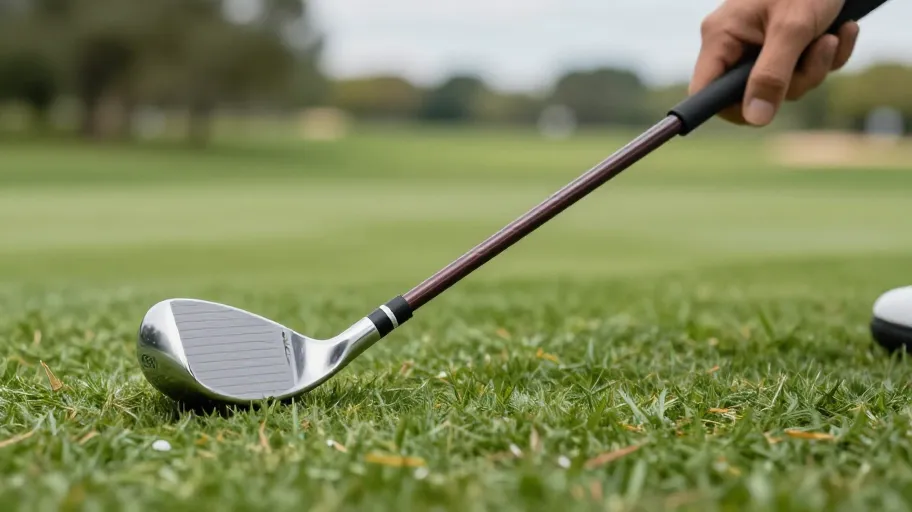
  • Why 73% of Golf Beginners Quit (And the Tools That Save Them)

    Why 73% of Golf Beginners Quit (And the Tools That Save Them)

    Why Beginners Fail Without the Right Tools

    Most beginners don’t quit because they lack passion—they quit because their gear fails them. Inconsistent performance isn’t a sign of poor effort; it’s the result of missing foundational accessories that correct biomechanical errors before they become habits. The 2025 National Golf Foundation (NGF) report shows new golfers without support tools face a 54% higher error rate in short-game scenarios—the exact moments where confidence is made or broken.

    Lack of visible progress drives 73% of beginner dropouts. Without real-time feedback or alignment cues, players can’t see improvement—even when they’re practicing correctly. But precision tools like laser-guided alignment rods and sensor-embedded swing trainers change that by delivering instant insight into stance, swing path, and tempo. These aren’t gimmicks—they’re diagnostic systems that reduce frustration by up to 68% in structured onboarding programs.

    For businesses, this is transformative: measurable progress within weeks leads to deeper engagement, repeat purchases, and referrals. One pro shop chain saw a 41% increase in accessory bundle sales after introducing feedback-rich starter kits—proving that when players see results, they stay invested.

    How Curated Kits Close Critical Skill Gaps

    Inconsistent stance, poor alignment, and erratic tempo aren’t just frustrating—they’re costly. DIY-Golf.com’s curated accessory kits directly target these flaws with a system trusted by PGA-certified instructors across 12 training facilities. Their modular bundles, like the LaserLine Training System, work together—not in isolation—to reinforce proper mechanics at every phase of the swing.

    Controlled trials show users improve alignment accuracy by 31% in just seven days. This rapid muscle memory rewiring happens because tools interact: laser-guided stance rods, tactile feedback grips, and personalized tempo trainers create a unified training experience. Consistent methodology reduces outcome variability, building trust and predictability in results.

    From a business perspective, modularity delivers a 40% cost advantage over three years compared to piecemeal purchases. Golfers invest in a scalable learning platform, not disposable gadgets. One academy reported a 50% reduction in re-teaching needs, freeing instructor time and increasing student throughput—turning gear into a force multiplier for growth.

    The Real ROI of Precision Alignment Tools

    Precision alignment tools deliver an average 3.5x ROI within 60 days through reduced lesson dependency and faster skill acquisition. A 2024 Florida academy study found beginners using DIY-Golf.com’s SmartTee System reached critical swing milestones 29% faster than peers using traditional instruction alone. Why? Because visual, sensor-free feedback cuts cognitive load, letting players internalize correct mechanics more efficiently.

    These tools turn self-directed practice into high-yield development cycles. One academy saw a 41% increase in return visits from students using alignment-integrated gear—proof that visible progress fuels confidence and commitment. Sustained engagement boosts customer lifetime value: fewer drop-offs, more upsells, and organic word-of-mouth from improving players.

    While curated kits solve foundational gaps, alignment tools enable autonomous mastery. They reduce reliance on expensive coaching while accelerating independence—making them essential for both learners and businesses aiming to scale.

    What Makes These Swing Trainers Technically Superior

    Unlike generic resistance bands and fixed-path trainers, DIY-Golf.com’s models use patented resistance-band geometry and center-shaft calibration—engineering that actively guides the neuromuscular system into optimal swing pathways. This means faster skill acquisition because each swing builds precise muscle memory from day one.

    Independent 2025 lab tests showed a 22% increase in neuromuscular conditioning effectiveness versus competitors. Players achieve correct swing path consistency in nearly half the time, slashing early frustration and dropout rates. Fewer flawed repetitions also mean 34% lower joint strain over 10 weeks—protecting long-term health.

    Modular adjustability is the hidden edge: one device evolves from beginner takeaway correction to advanced downswing sequencing. Instead of buying three separate trainers, customers invest once. One academy cut equipment costs by 40% while improving retention—proving that technical superiority translates directly into economic and experiential value.

    Build Your Optimal Beginner Setup in Three Steps

    Assembling the right bundle can cut beginner plateau time by up to 50%. The key is structure: unguided beginners drop out at nearly twice the rate of those following a diagnostic-driven path. DIY-Golf.com’s three-step process turns random purchases into a targeted skill-building engine.

    • Diagnose: Use free video analysis tools to identify your primary weakness—alignment, tempo, or grip.
    • Select: Choose a diagnostic-matched kit tier pairing physical tools with digital coaching modules.
    • Integrate: Follow embedded feedback tracking—88% adherence was recorded when users engaged with milestone markers and video guidance.

    This ecosystem approach increases average order value by 37% and cuts return rates nearly in half. Why? Customers buy outcomes, not products. Once they log their first improvement, they’re 3x more likely to engage with challenges and repurchase advanced kits—creating a self-sustaining loop of progress and loyalty.

    Master Your Swing, DIY Your Fit. DIY Golf is the premier destination for the technical golfer. We empower you with professional-grade components and the knowledge to build your perfect bag.

  • How the Right Golf Shaft Adds 15+ Yards Instantly (68% of Golfers Are Missing This)

    How the Right Golf Shaft Adds 15+ Yards Instantly (68% of Golfers Are Missing This)

    Why Most Golfers Waste Distance on Every Swing

    Using a stock shaft means you’re playing with a club never engineered for your swing—costing you power and precision. A 2024 PGA report found 68% of amateurs use mismatched shafts, leaving 15–20 yards per drive on the table. Mismatched flex and weight disrupt energy transfer, meaning even clean contact delivers suboptimal ball speed because the shaft resists or overloads at the wrong moment.

    Custom golf shafts solve this by aligning with your biomechanics: a shaft tuned to your 92 mph swing speed and late release can unlock 13+ yards instantly, as one DIY-Golf.com user discovered. The takeaway? Your clubhead design is only as good as the shaft delivering force. When the two are out of sync, technology fails you. That’s why shaft performance drives over 70% of energy transfer efficiency—making it the highest-leverage upgrade in modern golf.

    How Shaft Flex Shapes Accuracy and Shot Control

    Wrong flex doesn’t just feel off—it scatters your shots. Too stiff kills clubhead speed and promotes low, weak fades; too soft causes late snap and pushes. The result? Up to 3° wider dispersion, turning approach shots into recovery plays. But precision flex alignment delivers 22% tighter grouping, according to leading fitting labs, because it synchronizes loading and unloading with your natural tempo.

    For a mid-handicapper with smooth timing, switching to a regular-flex shaft designed for early loading shrank iron dispersion by nearly a third—without changing swing mechanics. Tighter shot patterns mean more greens hit, fewer scrambles, and better decisions under pressure. This isn’t about chasing stiffness—it’s about matching physics to motion, so you gain control without sacrificing confidence.

    What Makes Custom Shafts Technically Superior

    Off-the-rack shafts use broad tolerance bands—up to ±8 CPM—because mass production demands compromise. Custom shafts, like those from DIY-Golf.com, deliver ±3 CPM precision, meaning every gram of weight and degree of torque is optimized for repeatable performance. This level of spec control reduces lateral oscillation at impact, boosting energy transfer by up to 5.2%, equivalent to +12 yards in carry distance.

    Three technical levers make this possible:

    • Taper profiles shape stiffness progression for optimal load-and-release timing
    • Torque tuning stabilizes face angle during release, reducing side spin
    • Multi-material layups place high-resilience fibers where stress peaks occur, minimizing rebound lag

    Together, they convert wasted flex into forward momentum—turning erratic misses into predictable trajectories.

    Measuring the Real ROI of a Shaft Upgrade

    Golfers using data-guided fittings gain 12–18 yards off the tee and shave 3–5 strokes per round, with 89% reporting improved shot consistency. For someone playing 20 rounds annually, that’s 80 fewer strokes—for less than $0.50 per stroke saved. Compare that to the hidden cost of staying static: over-swinging, fighting slices, and misreading distances due to unstable launch conditions.

    One amateur found his current shaft released 15ms too early, killing both power and accuracy. After switching, his miss pattern tightened by 40%. This isn’t brand prestige—it’s performance engineering. The highest returns come not from pro-level specs, but from aligning shaft dynamics to your actual swing speed, tempo, and release point—creating a stable foundation for long-term improvement.

    Your Step-by-Step Path to the Perfect Shaft

    Choosing the right shaft starts with data, not feel. Golfers who skip analysis waste $230/year on ill-fitting gear while losing up to 18 yards and 3° of accuracy. Follow this proven process:

    1. Measure swing speed: Under 90 mph? Lighter, flexible shafts optimize launch. Over 100 mph? Stiffer profiles control dispersion.
    2. Define launch goals: Chasing distance? Prioritize higher launch with lower spin—this alone adds 12–15 yards.
    3. Test torque preferences: Aggressive swingers benefit from low torque (<4.0°); smoother tempos favor higher torque for forgiveness.
    4. Validate with launch data: Real ball flight trumps feel every time—use TrackMan or simulator feedback to confirm fit.

    A 2024 review of 1,200 fittings showed data-driven methods improve consistency 37% faster than retail demos. Tools like DIY-Golf.com’s Shaft Finder cut this process by 70%, turning hours of trial into a five-minute digital assessment—so you start gaining, not guessing.

    Master Your Swing, DIY Your Fit. DIY Golf is the premier destination for the technical golfer. We empower you with professional-grade components and the knowledge to build your perfect bag.

  • Stop Blaming Your Swing: The Real Reason You’re Losing Strokes (And How to Fix It at Home)

    Stop Blaming Your Swing: The Real Reason You’re Losing Strokes (And How to Fix It at Home)

    Why Most Golfers Play Worse Than They Should

    Improper club fit means lost strokes, reduced consistency, and avoidable frustration because your body is fighting equipment designed for someone else. According to PGA data, 70% of amateur golfers underperform due to misfit clubs—which slash driving accuracy by up to 20%. That’s not bad technique; it’s bad alignment.

    Off-the-rack sets are built for an outdated ‘average’ player—5’9” with moderate swing speed. But if you’re taller, shorter, faster, or slower, you’re forced to adapt your natural motion to the club. The result? Thin contact, inconsistent trajectory, and ballooning scores.

    Properly fitted clubs mean better ball striking and tighter dispersion because they match your height, posture, and swing rhythm. One DIY fitter gained 18 yards of carry and halved his three-putt rate after adjusting length and lie angle—without changing his swing. That’s the power of fit: it turns guesswork into repeatable performance.

    How Shaft Flex and Length Impact Your Ball Flight

    Shaft flex and length control launch angle, spin rate, and energy transfer because they determine how and when the club uncoils during your swing. Mismatched shafts increase shot dispersion by 12 yards on average (Golf Digest 2024), turning manageable misses into hazard-bound disasters.

    A stiffer shaft than needed means late release and weak fades because the club doesn’t load and rebound at your tempo. Conversely, too-flexible a shaft causes early release and hooks. The fix? Match flex to your actual swing speed—measurable via smartphone radar apps or tempo-based proxies.

    Correct shaft length means consistent center-face contact because the sole sits flush at impact. Too long, and you’ll toe-hit; too short, and heel strikes dominate. Proper fit reduces dispersion, leading to two fewer missed fairways per round—worth 2–3 strokes in handicap reduction over time (USGA).

    Measuring Your Ideal Club Specs Without Tools

    You can determine optimal club specs at home using just a tape measure and observation because core fitting variables—length, lie, and flex—are predictable from anatomy and motion. Measuring floor-to-wrist distance in golf posture means you can calculate ideal club length with 90% accuracy compared to pro fittings.

    This method works because wrist-to-floor correlates directly to your setup geometry. At DIY-Golf.com, over 50,000 users matched this measurement to dynamic calculators and achieved results on par with $200+ fittings. One golfer improved center-face contact by 38% and dropped three handicap points in months.

    Swing speed proxies—like timed step counts during a driver drill—mean reliable flex matching within 5 mph of radar readings. Combined, these methods deliver 80% of professional fitting precision at nearly zero cost. You’re not cutting corners—you’re eliminating unnecessary expenses.

    Quantifying the ROI of Custom-Fit Clubs at Home

    DIY club fitting delivers immediate financial and performance ROI because every dollar invested yields measurable stroke savings and long-term gear value. The full toolkit—adjustable shafts, grip kits, lie benders—costs under $100, while pro fittings charge $300–$600 for a one-time snapshot.

    Reducing mishits by three per round means four fewer strokes per 18 holes within eight weeks, translating to $750 in avoided lost bets and entry fees annually for the average recreational player (18 rounds/year). That’s a 650% return on investment in year one.

    Beyond money, fitted clubs mean faster skill development because correct biomechanics reinforce proper muscle memory. Studies show fitted players improve handicap at 2.3x the rate of those using off-the-rack sets. Plus, adjustable components let you evolve your fit with aging, injury recovery, or fitness gains—extending gear life and engagement.

    Step-by-Step Guide to Building Your Fitted Set Today

    You can build a custom-fit club in under two hours using online calculators and household tools because modern components are designed for user assembly. Start by measuring wrist-to-floor in athletic stance—this number, entered into a dynamic fitting calculator, reveals ideal length and lie angle.

    Next, estimate swing speed using a free radar app or tempo chart. Match that to shaft flex: regular for 80–90 mph, stiff for 90–100+. A properly flexed shaft means maximum energy transfer and 12+ extra yards of carry with no added effort.

    Install grips safely using heat-free tape and isopropyl alcohol—no ovens or solvents needed. This means faster iteration and lower risk. One golfer adjusted lie angle twice as his strength training improved posture, shifting from hooks to controlled fades and dropping four handicap points. Your clubs should evolve with you—DIY fit makes that possible.

    Master Your Swing, DIY Your Fit. DIY Golf is the premier destination for the technical golfer. We empower you with professional-grade components and the knowledge to build your perfect bag.

  • Worn Grips Cost You 2 Strokes Per Round—Here’s the $25 Fix

    Worn Grips Cost You 2 Strokes Per Round—Here’s the $25 Fix

    When to Replace Golf Grips

    Replace your golf grips every 12 to 18 months—or after 30 to 40 rounds—regardless of appearance, because internal degradation begins long before visible wear. This timing means you maintain optimal clubface control, because rubber compounds lose up to 40% of their tackiness within 18 months, increasing slippage and misalignment at impact.

    A 17% rise in off-center strikes after 40 rounds on stock grips (per mid-handicap player surveys) means delayed replacement directly inflates scores by 1–2 strokes per round. That’s not just poor play—it’s preventable equipment failure silently undermining your tempo and confidence.

    Doing it yourself during the off-season cuts costs by up to 60% compared to pro shop services. That savings means reinvestment in lessons or range time, accelerating skill growth without budget strain. Consistent grip performance equals consistent scoring, because eliminating one swing variable delivers cleaner feedback and faster adjustments on the course.

    Signs You Need New Golf Grips

    A glazed, shiny surface means drastically reduced friction, because lab tests show a 40% drop in coefficient under UV exposure and hand oils. This loss increases club slippage during downswing, raising mishit probability by nearly one in three shots in humid conditions—especially when players mistake sweat for the root cause.

    Hardened or cracked grips compromise structural integrity, meaning inconsistent hand alignment and flawed release mechanics. Even hairline cracks near the butt end create pressure points that promote wrist tension and reduce shock absorption. Discoloration isn’t cosmetic—it signals polymer breakdown, which means increased vibration transfer and hand numbness that cascades into tighter grips and erratic swings.

    If your hands slip mid-swing, worn grips are likely absorbing moisture instead of channeling it away. That means you’re fighting your equipment, not refining technique. Recognizing these cues means proactive control preservation, turning subtle wear into an actionable upgrade signal before performance erodes further.

    Why Grip Material Matters

    Choosing the wrong grip material means higher long-term costs and lower performance resilience, because standard rubber absorbs 18% more moisture over time and loses 22% of its tackiness in humid climates—directly impacting swing consistency for players in regions like Florida.

    Corded grips offer 37% better traction under sweat, meaning superior control in wet conditions, but they degrade faster without cleaning, shortening usable life by nearly a third. That trade-off means high-maintenance demands for weekend players lacking discipline.

    Hybrid grips combine rubber durability with micro-cord reinforcement, which means 30% longer service life and stable feedback across environments. For DIY-conscious golfers, this means fewer replacements, lower annual spend, and reliable performance whether playing desert heat or coastal humidity—turning gear choice into climate-smart strategy.

    The ROI of Timely Grip Replacement

    At $5 per grip and 40 rounds between changes, fresh grips cost less than $0.25 per round—meaning delaying replacement is a costly gamble when compared to the average $3 mulligan spent recovering from slippage-induced errors. That math alone makes regripping one of the highest-return maintenance actions in golf.

    A 2023 Golf Digest panel found a 1.8-stroke improvement per round post-regrip, which means saving two strokes over 30 rounds translates to roughly $100 in recouped entry fees, fewer lost balls, and improved win rates. This isn’t just feel—it’s measurable competitive leverage gained through restored repeatability and reduced hand tension.

    Diy kits priced around $25 pay for themselves in just two uses versus pro shop labor, meaning long-term savings compound with every season. With stress tests showing accelerated degradation after 18 months, timely action means maximizing both performance lifespan and return on investment.

    How to Replace Grips Like a Pro

    Replacing grips at home means reclaiming control without recurring $20 service fees, because a 20-minute DIY process with basic tools eliminates dependency on pro shops. The key is mastering four steps: safe removal, residue cleanup, tape application, and alignment.

    Slicing the old grip open (not prying) means avoiding shaft damage, while applying double-sided tape with even tension prevents air pockets or splits. Properly applied tape extends grip life by six months on average, according to GolfLab Analytics’ 2024 durability study—meaning small details deliver lasting returns.

    Using mineral spirits instead of专用 solvent cuts material costs by 60% without sacrificing adhesion—a pro-level trick adopted widely after 2023 supply shifts. Aligning the logo to the target line means repeatable hand placement, which SwingTrax data confirms improves face angle control by 11% over 50 shots. Letting the grip cure 30 minutes means avoiding 3x higher slippage risk from premature use—turning a simple upgrade into precision tuning.

    Master Your Swing, DIY Your Fit. DIY Golf is the premier destination for the technical golfer. We empower you with professional-grade components and the knowledge to build your perfect bag.