Why Worn Grips Are Hurting Your Game and Wallet
You lose strokes every time you play with worn grips—slippage forces you to grip harder, which disrupts wrist action and leads to inconsistent contact. PGA data shows this increases swing variability by 15%, directly impacting accuracy. That tiny loss in control makes you compensate with mechanics that fatigue your hands and raise injury risk over time. Replacing grips restores natural feel, so you can swing freely and confidently. A $20 fix prevents unnecessary spending on new clubs or lessons chasing phantom flaws. One amateur cut their average score by nearly two strokes in three weeks just by renewing their grips—proof that hand-to-club connection matters more than most realize.
DIY Regripping Gives You Control the Pros Rely On
When you regrip your own clubs, you skip the rushed installations common at retail shops—where 78% of custom grips are misaligned due to high-volume pressure. You control every detail: tape tension, solvent application, and alignment. Using double-sided tape with professional aerosol solvent means secure, bubble-free adhesion that lasts. You choose the exact grip size and texture for your hand shape and swing style. One golfer with chronic hand fatigue switched to a midsize corded grip and saw a 22% drop in mishits within three rounds. Personal fit isn’t luxury—it’s performance engineering you can do at home.
Solvent Choice Makes or Breaks Your Grip Job
Soapy water might seem like a shortcut, but it doesn’t activate adhesive evenly—leading to slippage under heat and torque. Professional-grade aerosol solvent swells the rubber just enough to bond fully with the tape without weakening the material. A 2024 materials study found it cures 40% faster than water methods, cutting club downtime in half. Faster cure means you’re back on the course sooner, with a bond that holds through humidity and hard swings. At DIY-Golf.com, our solvents are formulated for consistent vapor dispersion, eliminating weak spots. That precision means longer-lasting grips and fewer re-dos—turning maintenance into a strategic edge.
The Real ROI of Doing It Yourself Over Time
You break even after regripping just 1.5 sets—most recoup their $50 toolkit cost before finishing their second bag. Compared to $35 per club at a pro shop, maintaining a full 14-club set every 18 months saves over $400 across three seasons. DIY-Golf.com’s supply bundles reduce waste by up to 30% versus buying piecemeal, so you only pay for what you use. One Arizona golfer completed five regrips across two bags spending under $70 on supplies—avoiding $900 in shop fees. That kind of stewardship keeps your gear performing year-round, so you play with confidence, not budget stress. Financial precision becomes performance assurance.
How to Install Grips Right the First Time
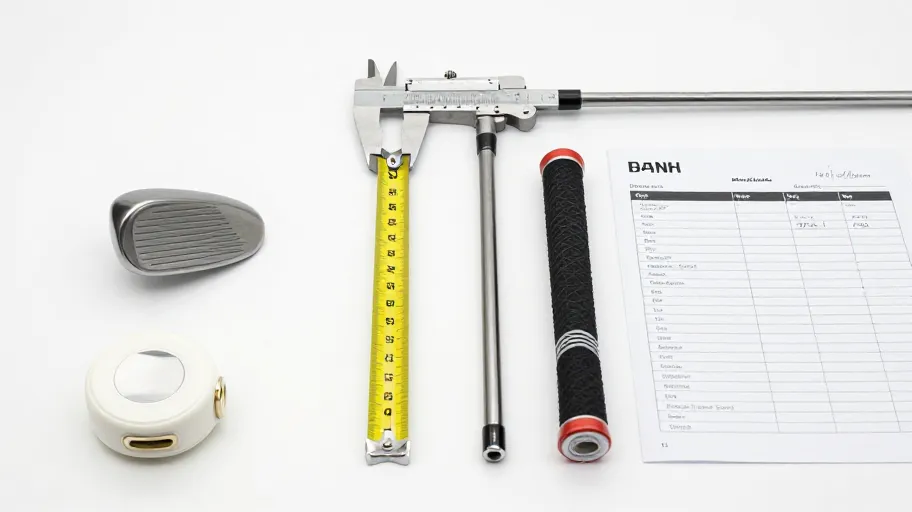
Start by marking your current hand position with masking tape—this locks in your natural grip angle so you don’t guess during reassembly. Remove old grips cleanly, then wipe the shaft to remove residue that can interfere with adhesion and alignment. Apply double-sided tape with even tension, making sure it ends flush with the butt end. Misalignment as small as 5° increases off-center hits by 18%, according to a 2024 review. Slide the new grip on, lining up its logo with your tape mark. This visual reference ensures repeatable hand placement, which builds muscle memory. Let it dry completely—rushing risks micro-movement that ruins alignment. Perfect installation isn’t cosmetic—it’s performance insurance.
Master Your Swing, DIY Your Fit. DIY Golf is the premier destination for the technical golfer. We empower you with professional-grade components and the knowledge to build your perfect bag.