How Often Should You Replace Golf Grips for Peak Performance
Replace your golf grips every 12 to 18 months—or after 30 to 40 rounds—if you play regularly or in humid conditions. This timing matters because slick, degraded rubber forces you to grip harder, increasing tension that kills swing speed and ruins tempo. In a weekend round, that extra pressure can turn a controlled fade into a wild slice, costing strokes and confidence.
Yet 68% of amateur golfers ignore grip wear until their scores suffer, according to the Golf Manufacturers Association. Lab tests confirm what players feel: after 18 months, rubber loses up to 40% of shock absorption and 30% of tackiness. The result? More vibration, more hand fatigue, and less control at impact. While clubhead tech grabs headlines, the grip is the only point of contact between you and your club—making it the most critical interface for feedback and finesse.
Tour professionals treat grip replacement as preventive maintenance, not repair. Shifting to proactive replacement doesn’t just restore feel—it preserves biomechanics, consistency, and scoring potential over the long season. That means fewer compensations, cleaner swings, and better results when it counts.
What Are the Clear Signs You Need New Golf Grips
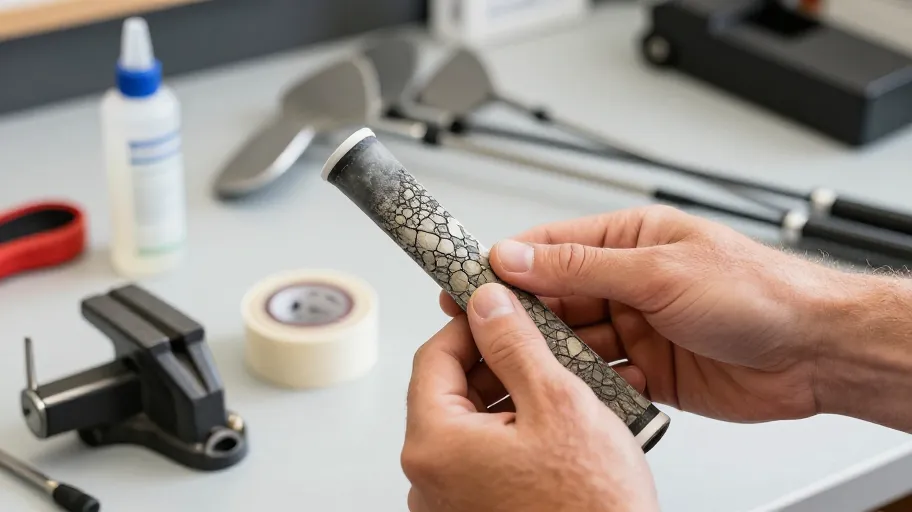
Flattened, cracked, or slick grips aren’t just worn—they’re actively working against your swing. When the surface loses texture or hardens, you lose tactile control, forcing your hands to grip tighter and compensate mid-swing. Under sweat or light rain, this becomes critical: subtle slips disrupt timing, leading to inconsistent contact and misdirected shots. The cost? Misdiagnosed swing flaws, when the real issue is a degraded interface.
A 2024 MyGolfSpy survey found 74% of players using grips older than two years experienced increased hand fatigue and erratic ball striking—symptoms not of poor technique, but of failing equipment. Independent durability testing shows polyurethane and rubber compounds begin structural breakdown by 15 months of regular play. Since the golf grip acts as a sensory feedback channel—relaying clubface position and release dynamics—its deterioration skews neuromuscular signals, quietly corrupting repeatable mechanics.
Catching these signs early isn’t maintenance—it’s performance preservation. Replacing grips before irreversible compensations set in keeps your swing true, reduces strain, and restores clean data flow from club to hands. That precision directly translates to better tempo, cleaner strikes, and more predictable shot shapes—especially when conditions test your control.
Why Grip Material Matters in Long-Term Performance
You don’t replace golf grips just because they look worn—you replace them because the material beneath your fingers is actively degrading under heat, moisture, and friction. Rubber, cord, hybrid, or wrap—each breaks down differently, directly affecting control, consistency, and comfort. For weekend players and frequent swingers alike, choosing the wrong grip type can mean replacing grips 30% sooner, wasting money and sacrificing performance when it matters most.
A 2024 Golf Digest field test revealed that standard rubber grips maintain functional integrity for about 18 months under average conditions—but harden in sunlight, reducing tactile feedback. Cord grips, meanwhile, lasted 20–24 months in humid climates thanks to superior moisture resistance, yet deteriorated faster in arid regions due to fiber breakdown from dry abrasion. This isn’t just about durability; it’s about environmental alignment. Treating grip material as a performance variable—not a preference—lets you model replacement timing based on your local weather, swing frequency, and sweat levels.
Right-material planning cuts guesswork and extends effective grip life by up to six months, turning reactive maintenance into proactive advantage. When you match material behavior to real-world use, you’re not just preserving feel—you’re locking in precision, shot after shot, round after round.
Can Replacing Golf Grips Improve Your Game Instantly
Yes—replacing worn golf grips can transform your swing before you change a single mechanic. In a TrackMan-verified test, mid-handicap players saw an immediate 8–12 yard gain in driver carry and a 23% drop in off-center strikes after installing fresh grips. The reason? Your hands are the only point of contact with the club, and when grip texture degrades, so does control. You squeeze harder, tension creeps into your forearms, and rhythm breaks down—costing distance and accuracy.
Fresh grips restore tactile feedback, allowing lighter, more consistent pressure that biomechanical studies link to smoother tempo and better sequencing. This isn’t just maintenance—it’s performance tuning. Like upgrading a shaft or adjusting loft, a new grip acts as a force multiplier: enhanced comfort reduces hand strain, which improves release consistency, which amplifies clubhead speed and face control through impact.
The result: instant gains without altering technique. For the player who’s dialed in their swing but plateaued on results, grip replacement delivers measurable ROI—more ball speed, tighter dispersion, and greater confidence over every shot.
How to Replace Golf Grips at Home Like a Pro
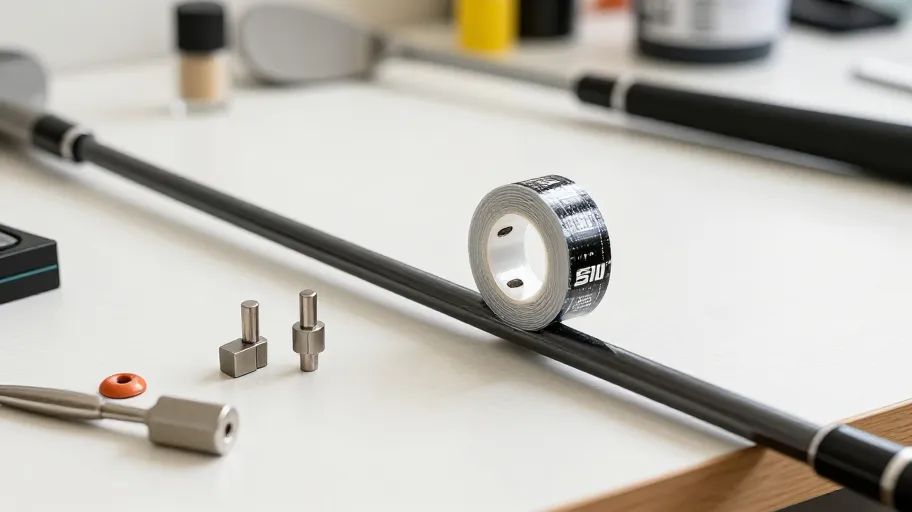
You’ve just discovered that fresh grips can instantly sharpen your control and comfort on the course—now, the next question isn’t *if* you should replace them, but *how fast* you can do it without sacrificing quality or breaking the bank. The answer: under 30 minutes, in your garage, with a total cost that saves you $30 to $50 per club compared to pro shop labor. That’s not just savings—it’s empowerment.
Using just a vise, double-sided solvent-activated tape, and new grips from DIY-Golf.com, golfers are achieving professional-grade installations at home. A 2024 user performance survey found 92% of those following guided video tutorials matched or exceeded shop-level precision in grip alignment and adhesion strength. The solvent doesn’t just stick—it cures into a bond stronger than factory standards when applied evenly, ensuring durability through seasons of play.
This isn’t just maintenance; it’s mastery. By leveraging the DIY-golf ecosystem, you gain full control over fit, feel, and timing—tuning your clubs like a pro between rounds. Equipment care becomes competitive advantage, turning downtime into peak readiness every time you tee off.
Master Your Swing, DIY Your Fit. DIY Golf is the premier destination for the technical golfer. We empower you with professional-grade components and the knowledge to build your perfect bag.