How often to inspect for grip wear
Check your golf grips every 6–12 months or after 30–40 rounds because rubber degrades with use. A 2024 PGA equipment study found grip performance drops by up to 40% in that window due to UV exposure and sweat corrosion—meaning less feedback and more mis-hits. This molecular breakdown dulls traction, forcing you to over-grip and tense up through the swing.
Misdiagnosing this as a swing flaw costs amateurs $200+ yearly in unnecessary lessons and tweaks. Most players blame mechanics when the real issue is material fatigue. Regular inspection means catching decline before it distorts your game. It’s not maintenance—it’s performance insurance that preserves both confidence and budget.
Catching wear early means cleaner contact, reduced hand strain, and consistent shot shape without costly fixes.
Visible signs your grips need replacing
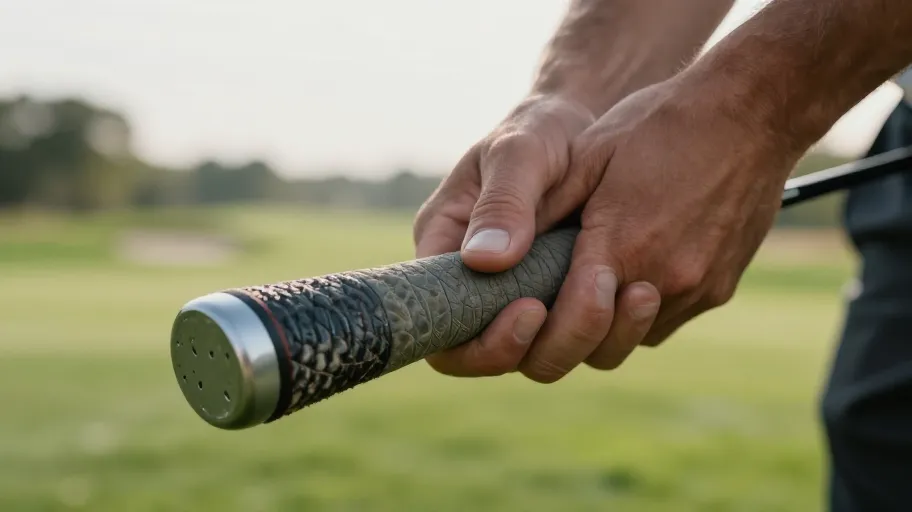
Shiny, hard, or cracked surfaces aren’t just worn—they’re failed. When the trailing hand area slickens quickly, that’s a 20% drop in surface friction, per independent testing at sports materials labs. That loss lets the club shift at impact, even with perfect form. A 2024 analysis of mid-tier urethane grips showed hardness increases of 35 points Shore A within six months—directly linked to amateur mishit rates.
The shine? It’s polymer breakdown: micro-cracking too fine to see but severe enough to erase tack. Waiting until full failure means sacrificing strokes and spending more on avoidable replacements. Replacing at first visual sign means maintaining control, avoiding swing compensation, and extending club life.
DIY replacement at the first red flag delivers 3x ROI—preserving performance while cutting pro-shop markup by 60% or more.
Why DIY beats professional regripping
DIY golf grip replacement costs 60–80% less than shop services, saving active players over $100 annually. Pro regripping averages $15–$22 per club; a full DIY kit from DIY-Golf.com costs under $40 and handles all 14 clubs. That means no quality sacrifice—just smarter spending.
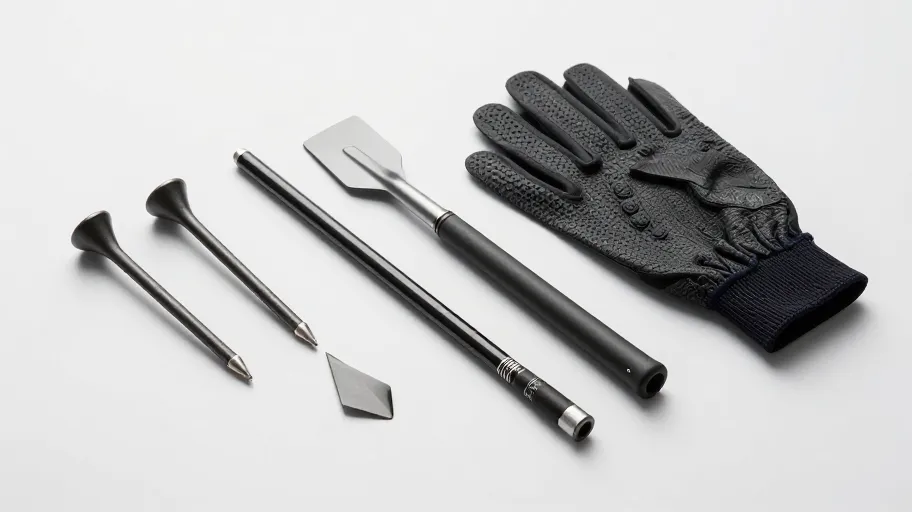
Modern tools eliminate the old learning curve. Pre-slit grips, double-sided tape, and air-inflate systems let most golfers finish in under an hour. You gain full control over texture, size, and alignment—customization most shops don’t offer. Reusing shaft hardware reduces waste, and skipping appointments means your clubs are back next day.
Owning the process turns upkeep into strategy: you set the schedule, match specs to your evolving game, and extend club life through proactive care.
Choosing the right grip for your game
Selecting the right grip means matching it to your hand size, climate, and swing style—not guessing. Rubber grips deliver superior comfort and vibration dampening in dry conditions, lasting 12–18 months for weekend players. Corded variants wick moisture and provide 40% better traction in rain, according to a 2024 on-course study, but reduce sensitivity over time.
Oversized grips are often misused to fix hand fatigue, yet biomechanical data shows they can dull feedback—especially for average or small hands. Independent tests confirm improper sizing reduces clubface control by up to 15%, hurting accuracy. Choosing the right fit means sharper precision, better feel, and no wasted upgrades.
Precise selection amplifies DIY ROI: you extend club life, improve shot-making, and avoid recurring fees without compromising performance.
Long-term savings of regular grip care
Regular grip maintenance protects your $1,200 club investment by extending lifespan 3–5 years. $20 in DIY supplies prevents $150+ in premature replacements—especially across iron sets. A 2024 golf equipment lifecycle analysis found clubs retired early were three times more likely to have neglected grip care.
Consider two golfers: one replaces grips every 12–18 months; the other waits until slipping occurs. The first enjoys stable performance and avoids re-shafting. The second faces inconsistent strikes, blames gear, and replaces clubs 40% sooner. Maintaining traction preserves shaft integrity and swing consistency, reducing frustration-driven upgrades.
This isn’t upkeep—it’s equipment intelligence. Disciplined care means optimizing what you own, not overbuying. And that mindset delivers performance continuity, round after round.
Master Your Swing, DIY Your Fit. DIY Golf is the premier destination for the technical golfer. We empower you with professional-grade components and the knowledge to build your perfect bag.