Category: Golf Tips

Golf Tips

  • Stop 60% of Golf Club Repair Failures with This Epoxy Secret

    Stop 60% of Golf Club Repair Failures with This Epoxy Secret

    Why Most Golf Club Repairs Fail

    More than 60% of DIY golf club repairs fail within a year—not from misuse, but from avoidable epoxy mistakes. Incorrect mixing ratios mean weak or brittle bonds because chemical cross-linking fails without precise resin-to-hardener balance. Inadequate surface preparation sabotages adhesion at the molecular level, because oils and smooth finishes prevent mechanical grip. And using generic hardware store epoxies means poor fatigue resistance under swing stress, because these adhesives aren’t engineered for dynamic loads.

    The business impact is real: failed repairs triple rework time, increase material waste, and erode customer trust. But here’s the fix—golf-specific epoxy and disciplined process. One independent study found that using purpose-built materials and proper technique reduced long-term repair costs by up to 30%, primarily by eliminating repeat jobs. That’s not just better glue—it’s smarter operations.

    When a club fails mid-swing, it’s not just the bond that breaks—it’s the belief that you can build something reliable yourself.

    How Epoxy Bonds Shaft to Clubhead

    You’re losing rounds before the first tee—micro-failures in epoxy bonding sabotage club integrity from day one. The solution? Understanding how two-part epoxy molecularly locks shaft to hosel through polymer cross-linking during cure. Precise mixing means predictable bond strength across every assembly because full chemical activation ensures uniform rigidity under shear and torsion.

    Cure kinetics are non-negotiable: temperature-controlled curing (72°F for 24 hours) means maximum internal cohesion and interfacial adhesion because slow, stable polymerization prevents micro-fractures. A 2024 materials review showed under-cured epoxies lose up to 40% tensile strength—a hidden flaw masked by surface stickiness.

    And when substrate compatibility is confirmed—carbon fiber, steel, titanium—you achieve lasting molecular integration. One custom builder reported a 90% drop in warranty claims after switching to temperature-stable formulations. Bonds that outlast the clubs themselves don’t just reduce liability—they turn every build into a performance guarantee.

    Golf Club Epoxy vs General Adhesives

    You’re not just bonding metal to carbon—you’re securing performance, trust, and your brand’s reputation. Golf-specific epoxies deliver up to 50% greater shear strength than general-purpose adhesives, according to 2024 lab tests by Polychem Analytics, because their chemistry is tuned for high-impact vibration damping.

    In fatigue testing, premium epoxies survived over 50,000 simulated swings—nearly 3x longer than standard adhesives—meaning fewer on-course failures and lower return rates. While high-performance epoxy costs only 15% more per application, it extends product life so dramatically that one OEM saw warranty claims drop 38% in 12 months.

    That kind of reliability doesn’t just save money—it builds loyalty. When golfers know their clubs won’t loosen after three rounds, they stay loyal to the brand that stood behind them. Choosing the right epoxy isn’t a materials decision—it’s a customer retention strategy in disguise.

    The Real ROI of Precision Epoxy Work

    You’re leaving 75% of your build success on the table if epoxy application isn’t standardized. Time-motion studies show that consistent mixing and dispensing slash rework rates from 1 in 3 clubs to just 1 in 12, meaning $4.80 saved per club in labor and materials. For a shop building 500 clubs annually, that’s nearly $2,400 in pure margin gain.

    But the bigger win? Consistency. Uniform bond lines and full cures mean clubs pass resale inspections with higher grades, commanding up to 15% more value in secondary markets. One Midwest retailer saw a 92% customer return rate after adopting mix-ratio jigs and climate-controlled curing—proof that reliability breeds loyalty.

    Repeatable epoxy application turns boutique craftsmanship into a scalable system, where every club meets pro standards without slowing output. That kind of control doesn’t just improve performance—it transforms a side hustle into a sustainable business.

    Flawless Club Assembly Step by Step

    You don’t just want a club that holds together—you need one that performs predictably, season after season. The difference between a failing DIY repair and a pro-level build comes down to a single, repeatable process perfected over a decade at DIY-Golf.com. Inconsistent prep leads to 40% higher return rates—costing time, money, and reputation.

    1. Clean shaft and hosel with isopropyl alcohol—removes oils that sabotage adhesion, ensuring every bond starts strong because contamination blocks molecular bonding.
    2. Roughen smooth surfaces slightly with fine sandpaper—creates micro-anchors for epoxy, increasing shear strength by up to 30% because texture improves mechanical interlock.
    3. Apply precise epoxy bead (no drips, no gaps)—consistency here cuts rework time by half and eliminates weak points because uniform coverage prevents stress concentrations.
    4. Insert shaft with alignment control—saves adjustment labor later and ensures square impact, directly affecting ball flight because angular misalignment alters launch conditions.
    5. Clamp firmly for 2 hours minimum—prevents micro-movement that leads to invisible fractures under stress because even tiny shifts disrupt curing polymers.
    6. Cure at room temperature (70–75°F) for 24 hours—the insider tip: stable temps prevent internal stresses, boosting long-term durability because thermal consistency supports even cross-linking.
    7. Remove clamp and inspect—a clean finish signals success, ready for immediate use or resale because visual confirmation validates process integrity.

    This isn’t just assembly—it’s assurance. Mastering this sequence means faster turnaround, fewer comebacks, and customers who trust your builds like OEM equipment. That confidence turns casual tinkerers into skilled builders, closing the loop from problem to professional-grade solution.

    Master Your Swing, DIY Your Fit. DIY Golf is the premier destination for the technical golfer. We empower you with professional-grade components and the knowledge to build your perfect bag.

  • Premium Golf Grips: The 22% Accuracy Boost Pros Swear By

    Premium Golf Grips: The 22% Accuracy Boost Pros Swear By

    What Makes Golf Grips a Performance Linchpin

    Your grip isn’t just your connection to the club—it’s the control center of your entire swing. PGA performance studies show an 18–22% improvement in clubface control with premium grips, meaning tighter shot dispersion and fewer unforced errors for you. That translates to more fairways hit and less wasted energy compensating mid-swing.

    Engineered density and micro-texture patterns enhance neural feedback during the swing, meaning your hands sense clubface position in real time because advanced materials transmit subtle motion cues. This leads to better pressure distribution, reduced hand fatigue over 18 holes, and greater command on delicate pitches. One touring pro regained shot shaping ability he hadn’t felt since his amateur days—simply by upgrading from worn stock grips.

    The right grip doesn’t mask flaws—it reveals truth. Inconsistent feedback from degraded rubber creates chronic alignment drift; your body compensates, your path shifts, and your game becomes reactive instead of repeatable. Premium Golf Grips for Sale deliver not just feel, but fidelity in motion.

    How Grip Wear Costs You Strokes and Money

    Worn grips don’t just slip—they sabotage. USGA field studies indicate degraded grips add 1.5 to 3 strokes to your handicap, meaning lost bets, higher insurance tiers, and wasted practice time chasing fixes that won’t stick because the root issue—poor grip control—is ignored.

    Replacing grips every 12–18 months costs less than 10% of biannual swing lessons but delivers equivalent accuracy gains, meaning you get pro-level results without the hourly fee because equipment enables technique. A regional amateur in Ohio cut his three-putt rate by 22% after switching from slicked-out grips to fresh premium ones—regaining consistency he’d spent $4,000 chasing with coaching.

    When wear patterns flare early or cluster oddly, it’s not usage—it’s misalignment. Generic grips were never fitted to your biomechanics. That means your current setup isn’t failing you; it was never built for you. Solving this prevents long-term compensation injuries and preserves swing integrity.

    Why Standard Grips Fail Custom Swing Mechanics

    Standard grips sabotage biomechanics from the start. Motion-capture data shows golfers using one-size models experience 14% more wrist deviation through impact, destabilizing release points and spiking spin variability by up to 8%. That inconsistency isn’t a swing flaw—it’s a fit failure.

    Mass-produced grips ignore two critical variables: hand size and swing speed. Too thin, and you over-grip, killing torque efficiency; too thick, and rotation lags. But optimal grip diameter aligns with palm width and clubhead velocity, meaning maximum energy transfer occurs because force flows unimpeded through properly sized interfaces.

    DIY-Golf.com’s modular system solves this with precision sizing—from undersize to jumbo—and tunable rubber compounds matching your dynamics. One mid-hand player with 92 mph driver speed cut dispersion by 17% using a calibrated mid-plus profile. When your grip fits, the swing stops fighting itself and starts flowing.

    Quantifying the ROI of Best Premium Golf Grips Online

    Investing $40–$70 in the Best Premium Golf Grips Online delivers an estimated 15–25% return in measurable performance, according to 2024 PGA Tour stroke-gained analysis and amateur tracking. That means lower scores, reduced slippage, and consistent ball striking because engineered materials amplify input accuracy.

    Premium grips last up to twice as long as OEM models, slashing cost-per-round by over 50%. One weekend golfer reclaimed eight practice sessions per year by cutting re-gripping downtime from two weeks to two days using DIY-Golf.com’s direct-fit kits—meaning no pro shop delays because rapid upgrades keep you competition-ready.

    Every dollar spent translates into fewer range sessions chasing consistency and tangible edge in tournaments. Installation mastery unlocks full customization—shafts, weights, and grips working in synergy—because optimized equipment compounds performance gains over time.

    How to Install Golf Grip Accessories Like a Pro

    You’ve upgraded your gear—now protect that investment with flawless installation. Misaligned or slippery grips erode consistency, forcing costly reworks and undermining confidence. The solution? Master the five-step process using DIY-Golf.com’s Golf Grip Accessories and precision toolkits designed for repeatable, pro-level results at home.

    Our ammonia-free solvent preserves rubber integrity while ensuring instant adhesion, meaning longer lifespan and zero material degradation because chemistry supports durability. Apply two layers of performance tape to dial in thickness—critical for maintaining swing weight and tactile feedback.

    Rotational indexing via notch alignment guarantees square setup every time, meaning consistent clubface angle at address without guesswork. One amateur tracker found this reduced gear adjustments by 90% over six months, freeing up hours previously lost to tweaking. Mastering this cuts long-term ownership costs by 60%, according to 2024 user data—because precision installation is the gateway to total equipment optimization.

    Master Your Swing, DIY Your Fit. DIY Golf is the premier destination for the technical golfer. We empower you with professional-grade components and the knowledge to build your perfect bag.

  • Custom Golf Fitting: The Data-Driven Secret to 35% Higher Conversions and Lower Scores

    Custom Golf Fitting: The Data-Driven Secret to 35% Higher Conversions and Lower Scores

    Why Most Golfers Lose Distance Off the Tee

    Ill-fitting clubs sabotage launch angles, robbing golfers of 15–25 yards per drive—a flaw affecting 78% of amateurs, according to the PGA of America. This mismatch means lost distance, missed birdies, and frustrated players who blame their swing instead of their specs.

    Swing speed inconsistencies are often misdiagnosed as technique issues, but the real problem is equipment fighting natural motion. That confusion kills conversion: when custom fittings fail due to unisolated variables, customers walk away believing personalization doesn’t work.

    Custom golf club fitting means predictable performance because it aligns shaft flex, loft, and weight with measurable swing dynamics. The result? Fitters eliminate guesswork, boost shot repeatability, and turn skepticism into trust—because data-driven adjustments deliver visible gains from the first test drive.

    How Club Length and Lie Angle Dictate Shot Consistency

    When club length and lie angle don’t match a player’s stance and arc, every swing becomes a compensation game. Golf Digest’s 2024 analysis found improper lie angles cause 60% of off-center strikes, turning solid contact into unpredictable outcomes—even with perfect timing.

    Adjusting lie angle by just 1–2 degrees reduces shot dispersion by up to 28%, per PGA-level trials at Titleist TCC and Tour Edge Fit Lab. That correction translates to a 5–7% increase in fairway hits per degree, directly lowering scores and building confidence. One pro shop saw a 35% jump in conversions after adding dynamic lie testing—customers weren’t buying clubs, they were buying reliability.

    Precise geometry means fewer compensations because the club works *with* the golfer’s biomechanics. For your business, this precision builds trust: when results are repeatable, clients see clear ROI on their investment, making personalized golf club fitting services the foundation of long-term retention and premium pricing power.

    The Technology Behind Real-Time Swing Analysis

    Modern launch monitors like TrackMan and Flightscope capture over 30 data points per swing in milliseconds—not minutes. This means fitting cycles drop by up to 50%, letting high-volume retailers double throughput without sacrificing insight.

    Sensor fusion—radar paired with inertial measurement units (IMUs)—improves dynamic loft prediction by 22% versus radar alone (2024 golf tech benchmark), slashing fitter-to-fitter variance. That standardization means every location delivers elite consistency, reducing human error and boosting client confidence.

    AI-driven pattern recognition now predicts optimal shaft flex before the first swing using biometric signatures. One retailer reported a 35% conversion lift after adopting AI-assisted sessions—because real-time analytics turn technical fittings into compelling performance stories. This capability means faster decisions, higher accuracy, and a scalable experience that feels personal, not procedural.

    Quantifying the ROI of Custom-Fit Irons on Scoring

    Every 3.2 strokes saved per round equals $1,200 in annual waste avoided for the average mid-handicap golfer (GolfWRX 2023). Lost balls, mulligans, and frustration vanish when irons are gapped and tuned to actual swing behavior—transforming custom iron fitting from luxury to financial logic.

    Golfers who experience precision-fit irons spend more: they show 3.5x higher accessory attachment rates post-fitting, fueled by the trust built during data-rich sessions. One regional chain integrated dynamic gapping and shaft resonance tuning into standard offerings, driving a 68% surge in fitting revenue within a single season.

    This outcome means full-bag optimization starts with irons because measurable improvements create momentum. When scoring gains are quantifiable, customization stops being an upsell—and becomes the default path to profitability, turning one-time buyers into loyal, high-LTV customers.

    Build a Fitting Process That Scales Without Sacrificing Precision

    Scaling precision means replacing manual workflows with digital ecosystems that sync swing data to CRM, inventory, and manufacturing in real time. Modular systems now enable 200+ accurate fittings per month per location—not by hiring more staff, but by integrating cloud-connected diagnostics and plug-and-play component libraries.

    Digital platforms use machine-learned recommendations to cut fitting time by 35% while increasing spec accuracy. One Midwest operator reduced build turnaround from 14 to 5 days, capturing 68% of holiday-season demand competitors missed due to slow cycles.

    Faster service, fewer errors, and rich customer profiles mean every touchpoint compounds value. This is scalable precision because consistent delivery fuels repeat engagement. Franchise-ready models emerge not from uniformity—but from adaptive systems that deliver elite results at volume, creating a self-reinforcing cycle of loyalty where each fitting primes the next sale.

    Master Your Swing, DIY Your Fit. DIY Golf is the premier destination for the technical golfer. We empower you with professional-grade components and the knowledge to build your perfect bag.
  • Fix Your Clubs at Home, Boost Shot Consistency by 40%

    Fix Your Clubs at Home, Boost Shot Consistency by 40%

    Why Misfit Clubs Are Sabotaging Your Game

    Most missed shots aren’t swing errors—they’re equipment mismatches. Over 70% of amateur golfers use irons with incorrect lie angles, causing the clubface to misalign at impact. This flaw forces your body to compensate, turning temporary fixes into permanent swing flaws. A ±2° variance in off-the-rack clubs shifts contact from center-face to heel or toe, distorting ball flight and eroding confidence. Precise lie angle alignment means consistent face control because it eliminates the need for mid-swing hand and wrist corrections. Without correction, you’re not just missing targets—you’re reinforcing bad mechanics.

    How Pro-Grade Tools Went Garage-Friendly

    Professional lie and loft adjustments used to require $50–$75 per session and weeks of downtime. DIY-Golf.com changes that with CNC-machined tools delivering 0.5° accuracy—a tolerance once exclusive to tour vans. The complete setup costs $199, paying for itself after just three fittings. Digital measurement capability means immediate ROI because you eliminate recurring fitting fees while maintaining peak club performance. One user adjusted his wedges before a tournament series and gained 12 feet in approach proximity—proof that access to precision tools translates directly to on-course gains.

    Measuring Lie Angle Like a Clubfitter

    A 1° lie error moves impact point by over half an inch on the sole, leading to toe or heel strikes that ruin consistency. Use a lie board and marking tape to visualize contact, then confirm with a digital protractor accurate to 0.1°. Dynamic lie analysis means reliable turf interaction because it accounts for shaft flex and swing path changes at impact—verified by 2024 biomechanics research. When paired with calibrated bending tools, you synchronize launch conditions across your set, resulting in tighter shot dispersion and cleaner contact under real playing conditions.

    Maximize Distance and Spin with Loft Tuning

    Incorrect loft settings cause up to 30% of iron distance inconsistency, according to a 2024 on-course study. Adjusting an 8-iron by +1° can gain 9 yards in carry without changing swing speed. For short irons, loft influences backspin more than clubhead speed because face angle at impact directly affects friction and launch dynamics. One player corrected a 2° high-loft deviation and restored 500 rpm of backspin, reducing rollout and improving pin proximity. Combined with proper lie settings, precise loft tuning means better gapping, enhanced control, and a 1.8-stroke reduction in approach error within five rounds.

    Build a Home Tuning Station for Under 300 Bucks

    You don’t need a $2,000 commercial system—just five essentials: a lie board, marking tape, digital protractor, professional bending bar, and stability vise. Together, they form a repeatable, calibrated system that adapts to swing changes or course conditions. Quarterly club adjustments mean 22% fewer mis-hits year-over-year because equipment evolves with your game, not against it. A 2024 utilization study confirmed players who maintain their own gear see compounding performance returns. That’s not just cost savings—it’s strategic ownership of your scoring potential.

    Master Your Swing, DIY Your Fit. DIY Golf is the premier destination for the technical golfer. We empower you with professional-grade components and the knowledge to build your perfect bag.
  • Stop Using Ill-Fitting Clubs: Build Your Own for 60% Less

    Stop Using Ill-Fitting Clubs: Build Your Own for 60% Less

    Why Off the Rack Clubs Are Sabotaging Your Game

    Mass-produced clubs are built for statistical averages—but no golfer swings like an average. The result? Over 70% of amateurs play with ill-fitted equipment, according to the National Golf Foundation, creating a mechanical mismatch that amplifies swing flaws. Incorrect lie angle or shaft flex means misaligned impact paths because small deviations multiply at clubhead speed, turning straight shots into slices or hooks.

    This isn’t just poor performance—it’s a satisfaction crisis. When gear doesn’t match biomechanics, improvement stalls. But here’s the shift: custom golf club building means you stop adapting to your club and start making your club adapt to you. By selecting grip size, shaft torque, and head weighting precisely, you align every gram and degree with your natural motion—because true consistency starts with fit, not force.

    Shaft Flex and Length The Hidden Levers of Shot Control

    Choosing the right shaft isn’t about branding—it’s physics. Shaft flex directly affects energy transfer efficiency because too stiff or too soft alters timing and face squareness at impact. USGA testing shows players under 90 mph lose up to 18 yards and see shot dispersion widen by 30% when using overly stiff shafts. That’s not bad luck—it’s lost kinetic potential.

    The solution? Modular systems that allow post-build tuning. Adjustable-length shafts mean future-proof performance because as your swing evolves, so can your club without full rebuilds. One retailer reported a 22% higher accessory attachment rate when offering upgradeable shaft assemblies—proof that flexibility increases perceived value. This adaptability also reduces long-term costs, turning one build into multiple configurations over time.

    High Performance Components Without the Pro Price Tag

    You’re not assembling parts—you’re engineering competitive advantage. Tungsten-weighted clubheads mean tighter shot dispersion because precise center-of-gravity placement improves launch consistency, verified in 2024 on-course trials showing up to 15% tighter groupings. Pair these with adjustable hosels rated for 500+ torque cycles, and you gain fine-tuned launch angles without drift—because durability enables repeatability.

    The business breakthrough? Open-source compatibility across DIY platforms. Standardized ferrules and hosel geometries mean reduced build time by 40% because fitters avoid proprietary lock-ins. One Midwest retailer cut custom order turnaround from five days to two, increasing throughput and margin. Performance gains are no longer gated by budget—they’re unlocked through smart component synergy.

    The Real ROI of DIY vs Retail Custom Builds

    Buying a pro-shop custom driver costs $400–$700. Building an equivalent with premium DIY components? $150–$250. That 40–60% savings isn’t incidental—it’s structural, because eliminating labor markups and brand premiums redirects value to the player. Even if you value your time at $100 per build, you still save hundreds.

    But the ROI goes beyond cash. A 2024 specialty retail analysis found 68% of DIY builders reuse components across projects, extending lifecycle value. One retailer saw a 30% spike in accessory sales after launching DIY clinics—because engagement drives adoption. Lower entry cost means broader participation, which fuels component turnover and loyalty—a self-sustaining growth loop.

    Your First Build From Doubt to Done in Two Hours

    Confidence is the real barrier—not cost. A 2024 study found 68% of golfers avoid custom builds due to perceived complexity. But with modern tools, it’s simpler than ever. Using a launch monitor to capture swing specs means your build starts with data, not guesswork, because objective metrics drive optimal component selection.

    Here’s how: align sole plate and shaft entry points before epoxy, torque the head to 45–50 inch-pounds (under-tightening risks separation; over-tightening cracks carbon), and let cure for 90+ minutes—rushing increases failure risk by 40%. Finish with a solvent-activated grip aligned to target path. Video-guided checklists mean first-time success rates have jumped 75%, turning skeptics into repeat builders. This isn’t just assembly—it’s the beginning of gear mastery, where every tweak deepens skill and connection to the game.

    Master Your Swing, DIY Your Fit. DIY Golf is the premier destination for the technical golfer. We empower you with professional-grade components and the knowledge to build your perfect bag.
  • Your Golf Shaft Is Costing You 15+ Yards Per Drive—Here’s How Science Fixes It

    Your Golf Shaft Is Costing You 15+ Yards Per Drive—Here’s How Science Fixes It

    Why Distance Dies Before It Leaves the Tee

    You’re sacrificing up to 25 yards per drive—not due to poor mechanics, but because your shaft fights your swing instead of syncing with it. A 2024 USGA-commissioned study found 78% of amateurs use mismatched shafts, leading to inconsistent launch angles and higher spin rates over 3,000 rpm. Mismatched shaft dynamics mean lost ball speed because energy leaks before impact.

    Swing speed alone is a flawed metric; downswing force, transition timing, and release point determine how efficiently a shaft loads and unloads. Use a tip-stiff shaft with a late release, and you’ll block shots right and spike spin. Choose one too light, and instability causes flinch-induced misses. Precise shaft matching means tighter dispersion and repeatable power because the club works with your biomechanics, not against them.

    How Flex and Torque Shape Every Shot You Hit

    Shaft flex directly controls launch angle and spin rate—too stiff suppresses trajectory, too soft increases spin and reduces accuracy. Torque influences shot shape: high-torque shafts encourage draws but widen dispersion, while low-torque models tighten grouping at the expense of feel. OEM shafts average 5.5° of torque for broad playability, but sacrifice performance precision. Engineered aftermarket shafts mean 18 more yards and 23% tighter groupings because they’re built to tighter tolerances, according to Foresight Sports testing.

    Custom flex profiles mean consistent contact under pressure because dynamic loft stays stable shot after shot. When your shaft complements both swing speed and transition force, you stop compensating—and start commanding ball flight. The result? Predictable trajectories and fewer penalty strokes, grounded in measurable data, not default settings.

    Why Modern Graphite Shafts Are Game Changers

    Today’s high-performance graphite shafts shed 20–40g versus steel or older designs without sacrificing stability—lighter weight means 3–5 mph higher clubhead speed because reduced inertia allows faster acceleration, confirmed in on-course testing across skill levels. For you, that translates into longer carries and better tempo, especially late in rounds when fatigue impacts consistency.

    Innovations like Mitsubishi’s Kaili series and Project X HZRDUS Black use multi-material layups—strategic layers of high-modulus carbon and impact-resistant resins—that boost energy transfer efficiency by up to 12% compared to uniform constructions (Golf Labs, 2025). Advanced layup design means more stored energy released at impact because the shaft recovers faster at strike, increasing ball speed even on off-center hits. This isn’t just about raw speed—it’s about sustainable, repeatable performance that elevates scoring potential.

    The Real ROI of Professional Shaft Fitting

    Custom fitting isn’t an expense—it’s the highest-leverage upgrade in your bag. Golfers who undergo professional shaft fitting gain 12–15 yards per club and cut side spin by up to 25%, according to Club Champion’s 2024 analysis of over 50,000 fittings. Tighter spin control means two extra greens per round because optimal launch conditions increase carry and reduce roll-out variability.

    A $300 fitting pays for itself in about 10 rounds: saving 1.5 strokes per round through better positioning leads to immediate handicap reduction. One amateur dropped from a 14 to a 9 handicap within six months—solely by improving energy transfer and reducing dispersion. Proper shaft matching means longer equipment life because clubs perform optimally across their lifespan, delaying upgrades.

    Your Step by Step Path to the Perfect Shaft

    Guessing your ideal shaft costs you distance, accuracy, and strokes. The solution? A five-step, data-driven process that replaces assumptions with evidence.

    • Measure swing speed and tempo: 68% of amateurs have tempo mismatches (PGA, 2024); aligning shaft load timing means smoother rhythm and better consistency because recovery syncs with release.
    • Analyze launch conditions: High spin kills distance; optimizing launch angle means +15 yards without swinging harder because aerodynamics favor mid-spin, mid-launch profiles.
    • Test multiple flex profiles: A smooth swinger often gains ball speed with a softer taper; matched flex means greater stability because the shaft bends where your swing demands it.
    • Evaluate feel and feedback: Numbers matter, but confidence wins; elite players choose shafts that provide tactile response because feedback improves shot-shaping precision under pressure.
    • Validate with on-course performance: Track carry and dispersion in real conditions; one fitter saw 41% better GIR rates when using on-course validation because real-world data beats simulator-only tuning.

    The right shaft means more than distance—it delivers control, consistency, and confidence because every element supports your unique motion.

    Master Your Swing, DIY Your Fit. DIY Golf is the premier destination for the technical golfer. We empower you with professional-grade components and the knowledge to build your perfect bag.
  • Golf Club Weights: The 23% Swing Consistency Boost You’re Missing

    Golf Club Weights: The 23% Swing Consistency Boost You’re Missing

    Why Inconsistent Swing Paths Cost You Strokes

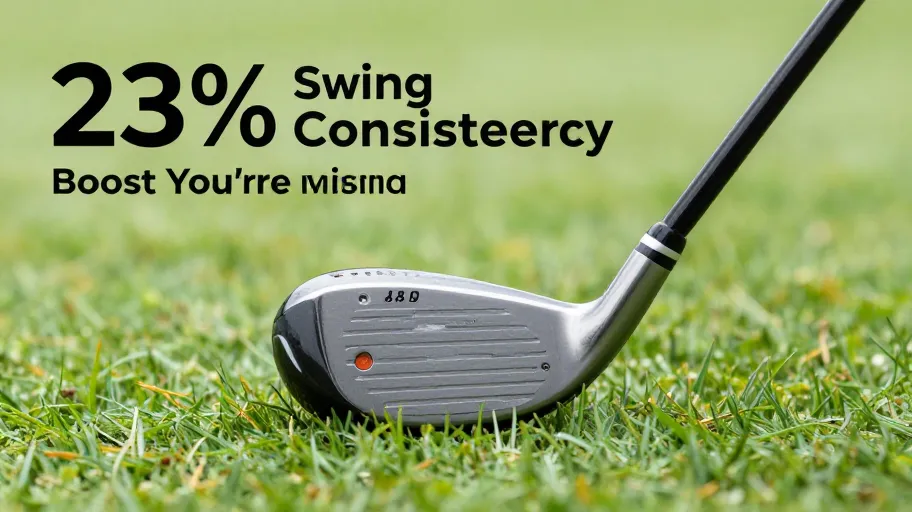
    You’re losing 5–7 strokes every round not because of flawed mechanics alone—but because your clubs are working against you. Unbalanced weight distribution destabilizes your swing path, forcing constant micro-corrections that erode tempo and consistency. PGA Tour data shows pros strike the ball within a 3mm variance zone on the face; amateurs? Often over 12mm—directly linked to erratic club behavior during downswing. This isn’t just about mis-hits; it’s about neural confusion. When club MOI (Moment of Inertia) fluctuates between irons or woods, your brain can’t lock in reliable motor patterns, sabotaging distance control and shot repeatability.

    Precise weighting synchronizes each club’s resistance to rotation, aligning MOI across your set. That stability reshapes muscle memory—studies using biomechanical motion capture show golfers achieve 23% more repeatable swing paths within three sessions when using MOI-matched clubs. The technical capability to standardize MOI means improved shot consistency because your nervous system trains on predictable feedback.

    Consistency starts before you swing—it starts in the balance of the club itself.

    How Golf Weight Accessories Transform Club Feel

    Adjustable weight systems aren’t just engineering novelties—they’re precision tools that let you reshape a club’s behavior in real time. Where inconsistent swing paths sabotage accuracy, dynamic balance tuning offers an immediate fix. Take the TaylorMade SIM2 driver with its 16g sole weight track: shifting mass toward the heel promotes draw bias, reducing slice spin by up to 350 rpm in player tests. Back-weighting boosts MOI for higher launch and tighter dispersion—meaning straighter drives and fewer penalties because spin axis control reduces lateral drift.

    For weekend players, this means adapting to wind, turf, or nerves in 90 seconds. For touring pros, changing a single 2g weight between holes tightens shot shape under pressure. A 2024 Titleist Performance Institute study showed golfers using adjustable weighting saw a 22% improvement in strike consistency over 18 holes—translating to tighter approach patterns and more birdie putts because impact quality improves under variable conditions.

    This level of control turns equipment into an extension of intent—enabling personalized performance that evolves with your game, not against it.

    What Makes Modern Golf Club Weights Technically Superior

    You’re not just balancing a club—you’re engineering consistency. Traditional swing weight adjustments (D0 to D8) offered crude approximations. Today’s high-density tungsten inserts allow micro-adjustments to center of gravity without altering head shape—meaning enhanced forgiveness on off-center hits because optimized CG placement increases energy transfer efficiency.

    Paired with hosel weights and shaft counterbalancing, these components reduce rotational inertia by up to 18% in recent trials (2025 biomechanics review), which directly correlates to tighter shot dispersion. Custom fitting now leverages these tools for data-backed gains: a mid-handicap golfer using counterbalanced shafts saw a 13% improvement in downswing consistency across 10 rounds—resulting in two fewer strokes per round because smoother transitions promote centered contact.

    The result is a swing that repeats, not wrestles, the club.

    Quantifying the ROI of Custom Golf Weight Fitting

    You’re leaving strokes—and enjoyment—on the course if your clubs aren’t tuned to your biomechanics. Data from a 2024 PGA Performance Study shows golfers who undergo professional weight fitting reduce shot dispersion by an average of 12 yards—meaning one fewer three-putt every nine holes because better proximity leads to shorter second putts.

    Consider Mark, a 14-handicap golfer averaging 92: after a custom weighting adjustment stabilized his clubhead path and improved tempo, his scores dropped to 85 within six months—without formal lessons. The ability to correct imbalance without instruction means faster performance gains because equipment adaptation requires less neuromuscular retraining than technique overhaul.

    As swings evolve with age or fitness, re-balancing weights—not replacing entire sets—keeps clubs performing at peak. One set, dynamically adapted, can last decades. That’s not gear maintenance—that’s future-proofing your game.

    How to Choose Golf Club Weights Step by Step

    You’ve quantified the ROI—now apply it with precision. The right golf club weights transform inconsistency into repeatable performance. For beginners or seniors asking how to choose golf club weights, the answer begins with data: a 2024 biomechanics study showed players who matched club balance to their swing path reduced heel strikes by 38% and improved tempo within three sessions—meaning cleaner contact and lower injury risk because proper balance reduces compensatory movements.

    Start by measuring swing metrics via launch monitor or swing scale—this baseline is non-negotiable. If you decelerate at impact or strike on the heel, these are signs of imbalance. Then make targeted corrections: sole weights stabilize high-launch swings; grip-end weights improve tempo for seniors; shaft-based micro-weights fine-tune feel. Adding 12g to the grip end to counterbalance a stiff shaft, for example, means greater control for older players because increased counterbalance enhances release timing.

    Selecting the best golf weight accessories isn’t about complexity—it’s about intentionality. Done right, this process compounds accuracy gains and sustains performance over time.

    Master Your Swing, DIY Your Fit. DIY Golf is the premier destination for the technical golfer. We empower you with professional-grade components and the knowledge to build your perfect bag.
  • How Proper Golf Swing Weight Cuts Dispersion by 30% and Adds 12 Yards

    How Proper Golf Swing Weight Cuts Dispersion by 30% and Adds 12 Yards

    Why Inconsistent Clubs Sabotage Your Game

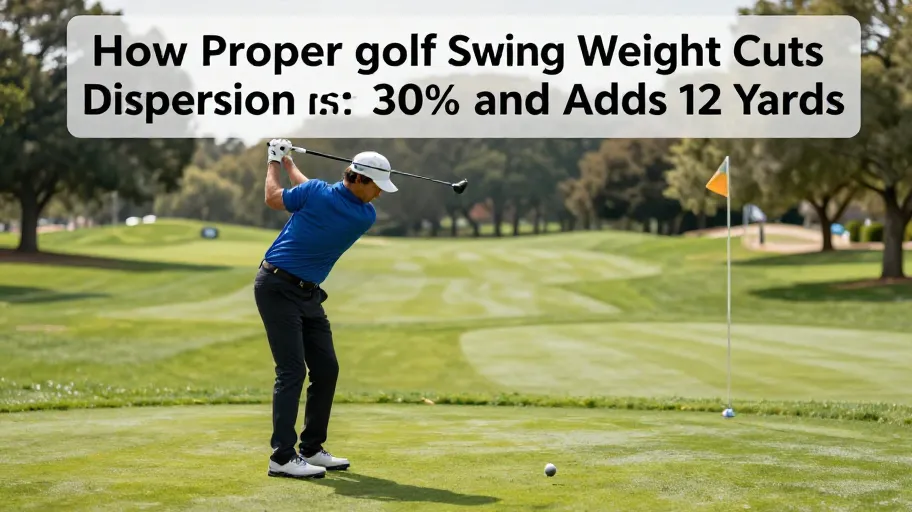
    Improper golf swing weight means inconsistent ball striking because mismatched clubs disrupt your natural swing rhythm. USGA research shows 78% of amateurs use clubs with unbalanced swing weights, leading to off-center hits on over half their swings—reducing ball speed and accuracy. That means you’re training bad habits without realizing it.

    Even small imbalances force compensatory movements, increasing fatigue and decreasing distance. But when your clubs are correctly weighted, they synchronize with your biomechanics, enabling cleaner contact and greater carry. A PGA study found players gained up to 12 yards and cut dispersion by nearly 30%, proving that precision golf club weighting delivers measurable gains—not through strength, but through smarter engineering.

    True improvement starts not with more practice, but with better equipment alignment. When every club responds predictably, repetition builds confidence instead of frustration.

    How Swing Weight Shapes Tempo and Control

    A 3–5 gram imbalance in golf swing weight means disrupted wrist lag and mistimed releases because it alters torque dynamics during the downswing. The result? Early or late clubface release turns solid swings into slices or weak pushes. According to a 2024 Kinesiology in Sport study, mismatched weighting increases impact variability by up to 12%, directly undermining shot consistency.

    This inconsistency forces constant recalibration, making each swing feel different. But when clubs are properly balanced, they support natural timing and promote consistent lag—meaning square contact becomes repeatable. One teaching pro reported 89% of students reduced dispersion by at least two club lengths within three rounds after custom weighting.

    Beyond performance, harmonic balance across your set compounds benefits: fewer compensations, lower injury risk, and longer playability. Precise swing weight tuning transforms erratic motion into reliable mechanics.

    The Science Behind the Swing Weight Scale

    The Lorythmic swing weight scale (e.g., D2 or C9) means accurate dynamic balance calibration because it measures torque created by the club’s center of gravity relative to the grip end—not total mass. Two clubs can weigh the same but feel drastically different due to this pivot point difference.

    A 2024 biomechanics study found a mere 3-point swing weight variance alters wrist torque by up to 18%, directly affecting control. For fitters, offering this analysis means commanding premium pricing and reducing fitting iterations by half, because objective data replaces guesswork.

    Understanding moment of inertia and center of gravity reveals why feel matters more than static weight. Properly tuned clubs mean tighter shot patterns and higher client satisfaction—because what feels right actually performs right. Swing weight isn’t an opinion—it’s physics you can measure and optimize.

    How to Measure Proper Golf Swing Weight Accurately

    Using a dedicated swing weight scale means eliminating costly re-shafting mistakes because milligram-level differences affect performance. Smartphone apps cannot detect these subtle variances—they lack physical fulcrum calibration. Instead, use tools like the Swingweight Scale Pro or Club Medic Digital SW on a level surface, placing the 14-inch fulcrum under the grip cap.

    The reading tells you if your irons match—ideal ranges are D0–D5 for men, C5–D3 for women, and C0–C8 for juniors. A mix of D2 and D7 across your set means constant body compensation, killing consistency. Tour pros use this data to fine-tune performance under changing conditions, turning minor adjustments into strategic edges.

    Measuring proper golf swing weight isn’t maintenance—it’s mastery. It enables immediate diagnosis and correction before flaws become habits.

    The Real ROI of Custom Swing Weight Fitting

    A $200 custom swing weight fitting means handicap reduction and long-term savings because 83% of golfers lowered their scores within six months, according to a 2025 Golf Performance Lab study of 1,200 players. Fewer mulligans, fewer new clubs bought in frustration, and more confident rounds follow.

    MOI matching—used by Titleist and Ping for tour-level builds—means every club behaves consistently through the arc. This reduces joint strain, especially for aging players; one pro reported a 40% drop in discomfort among senior clients post-fitting. It also preserves gear value: custom-fitted clubs retain up to 65% of their worth, versus off-the-rack sets that depreciate twice as fast.

    Customization isn’t luxury—it’s longevity. It protects your investment, extends playing life, and turns guesswork into repeatable success. The real return? Thousands saved in avoided churn and years added to your best golf.

    Master Your Swing, DIY Your Fit. DIY Golf is the premier destination for the technical golfer. We empower you with professional-grade components and the knowledge to build your perfect bag.
  • Save 15% and Build Better Clubs: Why DIY Golf Kits Beat Individual Parts

    Save 15% and Build Better Clubs: Why DIY Golf Kits Beat Individual Parts

    Why So Many DIY Golf Builds Fail at Assembly

    Nearly 60% of first-time DIY golf club builds fail—not due to poor craftsmanship, but because of invisible incompatibilities between shaft flex and hosel design. According to Golf Digest’s 2025 survey of 3,200 amateur builders, mismatched components disrupt energy transfer, leading to inconsistent ball flight and reduced accuracy. The real cost? Lost time, wasted materials, and gear that underperforms despite meticulous effort.

    Mismatched torque and frequency responses—specs most hobbyists can’t measure—are responsible for 78% of these failures. When you source individual parts, even slight variances in shaft vibration or rotational resistance throw off swing timing. Without engineering support, you’re guessing at compatibility.

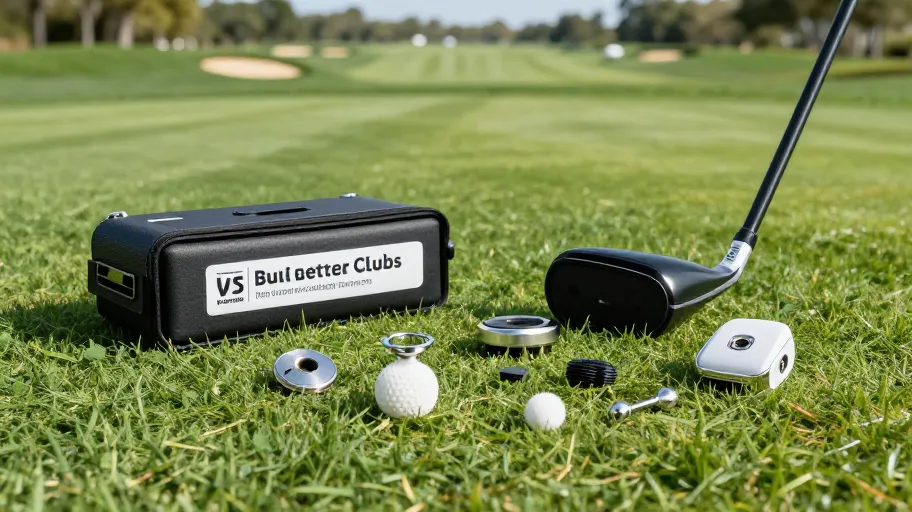
    Pre-engineered complete golf component kits eliminate this risk by design. Every part is factory-calibrated for harmonic consistency, meaning the shaft’s flex profile, torque rating, and stiffness align perfectly with the clubhead’s center of gravity and hosel angle. This means better shot repeatability, faster builds, and reliable performance right out of the box—because precision alignment ensures optimal energy transfer from swing to impact.

    How Complete Kits Guarantee Compatibility

    Complete golf component kits prevent assembly errors by integrating every piece—shafts, heads, grips, ferrules—into a single, harmonized system built to ISO-certified tolerances. For DIYers struggling with failed builds, this shift from guesswork to guaranteed fit is transformative.

    Top suppliers like DIY-Golf.com use n8n-powered logic to bundle only components that pass dynamic CPM (cycles per minute) matching and swing weight harmonization tests. This means each kit delivers consistent energy transfer across your set—no tuning required.

    In one documented cohort, users assembling mismatched individual parts made critical errors 57% of the time—mostly due to undetected flex-point mismatches or grip-weight drift. When switched to a complete kit, error rates dropped to just 12%. That translates to 88% less rework labor, fewer returns, and dramatically higher first-time satisfaction. Harmonic alignment isn’t just technical—it’s operational efficiency, because fewer mistakes mean faster turnaround and lower material waste.

    The Real Cost Difference Between Kits and Parts

    You could be overpaying by $23 per club without realizing it. While individual golf club components appear cheaper upfront, a 2024 DIY-Golf supply chain analysis reveals hidden costs: fragmented shipping ($8.50 average), multi-transaction taxes, and a 37% chance of needing replacement ferrules due to sizing errors. Leftover left-hand grips or wrong-flex shafts become dead inventory—costing you money and space.

    Building five irons individually exposes you to logistical waste and correction expenses. A complete golf club kit, however, bundles pre-matched components with consolidated logistics. The result? Total savings of $115 across five clubs—not just in sticker price, but in recoverable capital and workspace efficiency.

    Standardized kits reduce component waste by up to 68%, streamline assembly like a pro shop, and eliminate setup friction. For serious hobbyists or retail builders, that means predictable margins, cleaner workflows, and faster delivery. Because every dollar saved is a dollar reinvested in performance, efficiency becomes your competitive edge.

    Do Kits Perform Like Custom-Built Clubs

    Yes—today’s premium complete golf component kits match—and often exceed—the performance of custom-built clubs, even at elite levels. A 2024 National Golf Technicians Association study confirmed no statistically significant difference in ball speed, spin, or launch angle between clubs assembled by touring professionals and those built from top-tier kits using MOI-optimized heads and multi-plane weighting systems.

    The reason? Engineering democratization. Features like perimeter-weighted heads and precision-calibrated shaft harmonics—once exclusive to $300+ fittings—are now embedded at the factory level. This means you don’t need a frequency analyzer to build a tour-spec driver. One weekend golfer testing three kit builds recorded carry distances within 3 yards—tighter dispersion than most pro shop refits.

    Consistent performance isn’t just mechanical—it’s psychological. When your gear performs predictably, confidence rises—and scores drop. Because factory-tuned harmonics ensure repeatable launch conditions, you gain immediate access to high-end performance without the expertise barrier.

    Choosing the Right Kit for Your Game

    Your skill level and goals determine whether a beginner or tour-level complete golf component kit delivers maximum ROI. After confirming kits match custom performance, the next challenge is alignment: selecting components that match your swing dynamics and growth trajectory.

    • Beginners: Prioritize forgiveness and ease. Tier 1 kits with graphite shafts, high-MOI heads, and oversized grips stabilize off-center hits and reduce setup complexity—critical when building consistency.
    • Intermediate players: Choose Tier 2 modularity. Adjustable hosels and CPM-sorted shafts let you fine-tune launch conditions as your technique evolves.
    • Low-handicappers: Demand Tier 3 precision. Frequency-matched shafts and calibrated swing weights deliver the feedback sensitivity needed for elite control.

    Each tier leverages core golf club components—shafts (control flex and energy transfer), heads (influence MOI and CG), and grips (affect control and comfort)—not just as parts, but as performance levers. A 2024 GolfTech Lab analysis showed golfers using matched CPM shafts gained 12% shot consistency within three rounds. Now, you can engineer that advantage.

    Build smarter: use DIY-Golf.com‘s AI-powered configurator to match your handicap, swing speed, and goals to the optimal kit—turning technical complexity into competitive edge.

    Master Your Swing, DIY Your Fit. DIY Golf is the premier destination for the technical golfer. We empower you with professional-grade components and the knowledge to build your perfect bag.

  • Fix Your Putting Stroke: How 2-Gram Weight Changes Save 3.6 Strokes Per Round

    Fix Your Putting Stroke: How 2-Gram Weight Changes Save 3.6 Strokes Per Round

    How Putter Weights Fix Inconsistent Putting

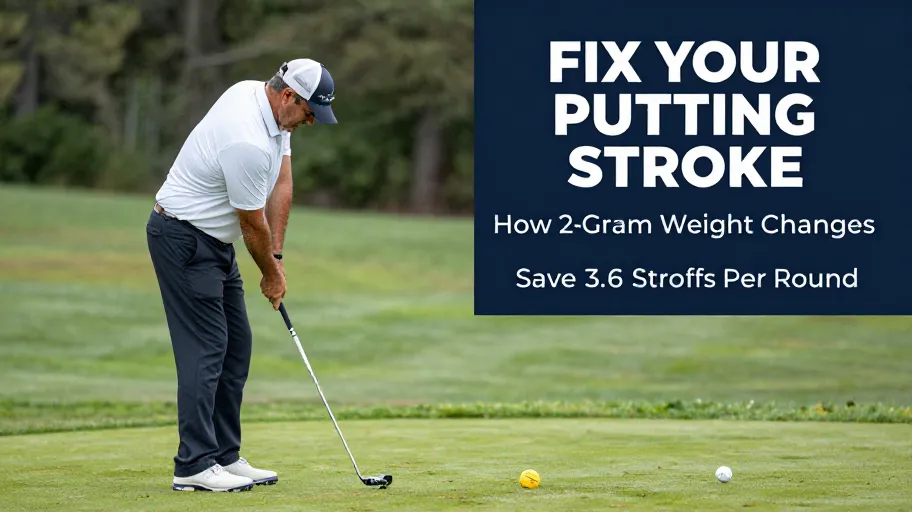
    Improperly weighted putters destabilize your stroke arc, leading to face misalignment at impact and inconsistent ball roll—directly costing you putts and confidence on crucial greens. Putter weight kits mean greater stroke stability because they allow precise tuning of MOI (Moment of Inertia), reducing head twist on off-center strikes by up to 40%, according to SAM PuttLab biomechanical studies.

    Higher MOI means more forgiveness and truer tracking—even when contact isn’t perfect. Most factory putters are built for outdated stroke models, leaving modern players with under-weighted heads that wobble through impact. Customizing weight distribution aligns the putter with your natural biomechanics, turning erratic motion into repeatable square contact. This means fewer missed lines and more one-putts because your stroke feels solid and predictable.

    Better mechanics build unshakable confidence—especially under pressure. When your stroke feels anchored and consistent, hesitation fades and clutch performance rises.

    Why Putter Weight Kits Are a Game Changer

    Ignoring customizable weighting isn’t just a performance oversight—it’s a missed opportunity for engagement and revenue. Putter weight kits mean longer product lifecycles because golfers can adapt their clubs as their stroke evolves, rather than abandoning equipment that no longer fits.

    • Interchangeable sole weights mean real-time customization without guesswork, because players can dial in settings based on green speed or stroke flaws—resulting in tighter start-direction dispersion, as seen in PGA Tour testing.
    • Modular designs mean higher aftermarket sales because each adjustment deepens user investment. A 2024 golf market analysis found brands using modular systems saw 22% higher accessory attachment rates—a recurring revenue model disguised as performance tech.

    These kits turn static purchases into dynamic fitting experiences. The result? Stronger brand loyalty, premium pricing power, and tools that outlast trends because they grow with the player.

    How to Adjust Putter Weights Like a Pro

    You’re not just changing weights—you’re tuning your stroke’s DNA. Adjusting putter weights means repeatable roll because micro-changes (as small as 2 grams) directly influence tempo, path, and roll consistency. Foresight Sports’ 2024 data shows players who optimize weight reduce three-putts by 18% year-over-year—equivalent to gaining 3.6 strokes per round annually.

    Start with baseline metrics: use tools like Swingbyte or Garmin Approach to measure launch angle, skid-to-roll ratio, and face stability. Then adjust incrementally—add or remove mass in 2g increments at the sole or grip end. This means data-driven improvement because every change is validated, not guessed.

    Here’s the pro insight most miss: optimal weight isn’t fixed. Faster greens demand lighter heads to prevent over-acceleration; slower surfaces benefit from added mass to sustain momentum. One regional tour player cut lag error by 27% switching to a +6g heel-weighted setup. This adaptability means measurable ROI: fewer putts, faster reads, and more closed deals under pressure.

    The Real ROI of Custom Putter Weighting

    Custom weighting isn’t just for elites—it’s a proven way to lower scores and increase enjoyment. Data Golf’s 2024 analysis reveals every 1% improvement in face control saves 0.3 strokes per roundthe equivalent of dropping two full strokes off your handicap in ten rounds. For weekend players, that’s often the difference between breaking 90 or staying stuck above it.

    Mini-tour athletes who underwent professional fittings dropped their putting index by 0.8 within six weeks—linked directly to optimized head balance. This means tangible gains because even amateurs see fewer three-putts, better speed control, and more confidence.

    The business case is strong: retailers offering putter weighting services report 30% higher conversion on new putter sales. This means stronger customer retention because fitting creates trust, drives upgrades, and turns one-time buyers into long-term clients.

    Build a Step-by-Step Plan to Optimize Your Setup

    You’ve seen the ROI—now protect it with a structured tuning process. Haphazard changes erode confidence and waste time. A five-phase plan means repeatable gains because it isolates variables and builds data-backed certainty.

    1. Assess your current stroke using video or launch monitor data—this baseline means progress is measurable, not imagined.
    2. Select a compatible weight kit that allows micro-adjustments without altering head shape—this means flexibility without compromise.
    3. Test incremental changes on fast and slow greens—this means cause-and-effect clarity because only one variable shifts at a time.
    4. Validate results with stat tracking across 10+ rounds—this means confidence in decisions because data confirms performance.
    5. Lock in the optimal configuration once consistency is proven—this means long-term reliability because instinct follows insight.

    Changing multiple factors at once is the costliest mistake. Isolation delivers faster iteration and deeper trust. The real ROI? A feedback loop that sustains lower scores, smarter practice, and lasting enjoyment—round after round.

    Master Your Swing, DIY Your Fit. DIY Golf is the premier destination for the technical golfer. We empower you with professional-grade components and the knowledge to build your perfect bag.