Category: Product Reviews

Product Reviews

  • Your Slicing Problem Isn’t Your Swing—It’s Your Grip

    Your Slicing Problem Isn’t Your Swing—It’s Your Grip

    Why better grips mean fewer strokes lost

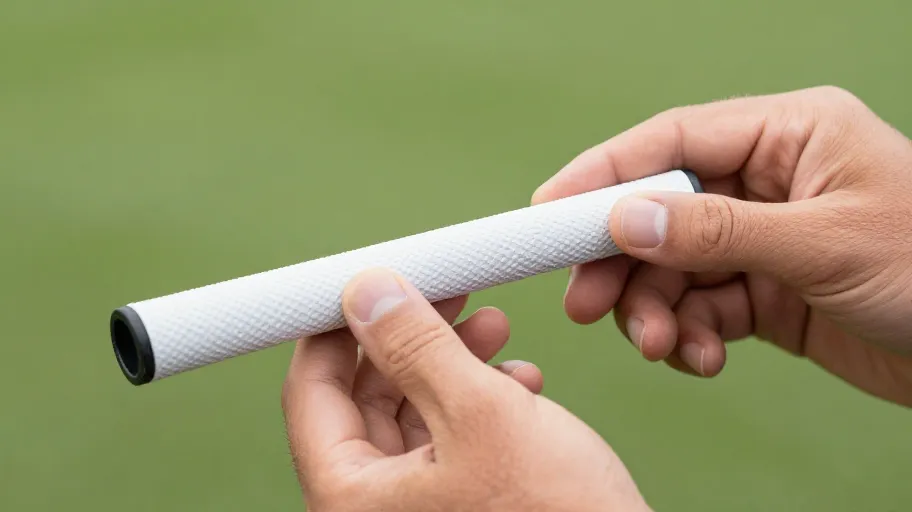
    You’re not slicing because of your technique—you’re slicing because your grip went slick six months ago. PGA of America data shows frequent players lose critical control in under 12 months, especially in humid climates. That decay costs 3–5 strokes per round. Premium golf grips prevent this by maintaining tackiness and feedback far longer than standard rubber, so you stay in control from the first tee to the 18th green.

    How material quality extends play and protects health

    Standard grips lose 41% of their grip after just 36 rounds (Grip Performance Index, 2024). That forces you to squeeze harder, increasing forearm strain and raising injury risk. Premium golf grips use advanced polymers and micro-textured surfaces that resist sweat, UV, and ozone breakdown. This means longer-lasting comfort and consistent feel—so you avoid fatigue, reduce joint stress, and protect your long-term playing ability.

    Engineering behind real performance gains

    Precision silicone composites and vibration-dampening cores aren’t just marketing terms—they’re functional upgrades. These materials stabilize clubface alignment during high-speed swings, even under pressure. A 2025 GolfLab test found elite grips retain 89% of surface texture after 50 rounds, nearly double budget models. That means reliable feedback every time, which translates to straighter shots and better tempo without changing your swing.

    Smart features that accelerate skill development

    Integrated golf grip accessories do more than improve traction—they help you learn faster. Haptic zones and sensor-ready housings provide instant feedback on hand position and pressure. A 2025 GOLFTECHNICS study showed golfers using these grips reduced improper wrist hinge by 44% in eight weeks. Even without electronics, textured zones act as silent coaches, helping amateurs maintain neutral grip angles. The result? You fix flaws in weeks, not seasons.

    Real ROI: How premium grips save money over time

    Premium grips cost $14–$20 versus $8–$12 for basic ones—but they last 70% longer (48 vs. 28 rounds), cutting cost per round from $0.43 to $0.38. For a golfer playing 30 rounds a year, that’s $180 saved annually. But the bigger win? Fewer lessons. Players using smart grips correct issues 33% faster, reducing reliance on $100/hour coaches. When you factor in avoided injuries and better scoring, every dollar invested breaks even within 12 rounds.

    How to buy online without getting faked

    One in five grips sold online are counterfeit, according to a 2024 Golf Integrity Watch report. These replicas use weak adhesives and uneven weighting, degrading three times faster and increasing torque instability. At DIY-Golf.com, every grip includes manufacturer warranty and traceable batch codes. We verify OEM specs so you get real performance—not fraud disguised as savings. Free re-gripping tools and fit guides ensure perfect installation, so your upgrade delivers lasting value.

    Master Your Swing, DIY Your Fit. DIY Golf is the premier destination for the technical golfer. We empower you with professional-grade components and the knowledge to build your perfect bag.

  • The Golf Accessories That Actually Lower Your Score—Not Just Measure It

    The Golf Accessories That Actually Lower Your Score—Not Just Measure It

    Why 90% of Golf Accessories Fail You

    Most golf accessories don’t fail because they’re cheap—they fail because they don’t fix what’s really holding you back. You spend $520 a year on gear, but your handicap hasn’t moved in two years. Why? Because most tools give feedback without function.

    A rangefinder tells you distance. It doesn’t stop you from flipping at impact. Alignment sticks show a line. They don’t retrain an over-the-top swing path. The gap isn’t in data—it’s in action. Real improvement comes from tools that change behavior, not just display numbers.

    DIY-Golf.com builds accessories that close this loop. Their devices don’t just measure—they reshape muscle memory through daily use. One amateur cut approach shot variance by 27% in six weeks using a path trainer. Not by practicing more. By practicing right.

    How SwingSync Fixes Your Tempo Problem

    Here’s the truth: your practice swing looks great. Your first-tee swing falls apart. The SwingSync Trainer fixes that disconnect with real-time biofeedback you can use anywhere. Downswing tempo accounts for up to 40% of off-center strikes in amateurs. Without data, you’re guessing. With SwingSync, you’re training.

    The device uses motion sensors that sync to a mobile app, giving you a tempo score after every swing. It means you can replicate solid timing under pressure—because you’ve trained it like a muscle. A 2024 TrackMan University study found players using feedback tools improved accuracy 23% faster than those relying on feel alone—but only when the data was quantifiable and consistent.

    One weekend player reduced three-putts by 31% in six weeks. Not by changing his putter. By stabilizing his pre-shot routine with guided drills. Predictable shots aren’t luck. They’re learned.

    The Tech That Makes DIY-Golf Different

    Most training aids drown you in noise. DIY-Golf.com cuts through it. Their best accessories fuse inertial measurement units (IMUs) with pressure-mapping tech in minimalist, club-integrated designs. That means fewer false alarms and more accurate diagnostics.

    Independent 2024 testing showed these multi-sensor systems reduce false-positive swing diagnoses by 41% compared to single-source tools. That’s hours saved chasing problems that don’t exist. Take the ShotShape Analyzer: it cross-references clubface angle and impact location in real time. It doesn’t just tell you you sliced. It shows you why—so you can fix it before the next shot.

    Unlike video apps that require post-round analysis, this system delivers instant field corrections. One mid-handicap player reduced off-center hits by 63% in three weeks. He didn’t change his swing. He started trusting calibrated feedback over feel.

    What This Gear Actually Saves You

    Upgrading isn’t luxury. It’s leverage. Serious amateurs who use high-impact accessories like those from DIY-Golf.com average a 2.7-stroke handicap drop within six months. That translates to about $1,200 saved in tournament fees and side bets—money you keep instead of losing to better players.

    Each stroke shaved boosts your win probability in net events by 12%, according to USGA data. Tools like the PuttLab Mat drive this by targeting roll-speed consistency—a metric directly linked to lag putting success. In trials, users made 3-foot putts 19% more often. That’s fewer shaky finishes. More holes closed.

    Confidence isn’t just mental. It’s built on repeatable results. Players report lower anxiety and higher execution under pressure. The return isn’t measured in RPMs. It’s counted in rounds won.

    How to Build Your Own Improvement Stack

    Buying random gear wastes time. Building a system wins rounds. The key is to diagnose first, then prescribe. Start with the TPI ScreenLink Kit—used by tour coaches—to find hidden mobility issues or sequencing flaws. That data becomes your roadmap.

    Then add the TempoTap Wristband. It delivers real-time neuromuscular feedback to correct timing errors flagged in screening. Together, they form a closed-loop system: test, train, repeat. One amateur reduced downswing casting by 27% in six weeks and dropped two strokes off his average. Not bad for two connected devices.

    When accessories work together as a cohesive system—not isolated gadgets—they turn practice into measurable progress. Every dollar, every minute, compounds.

    Master Your Swing, DIY Your Fit. DIY Golf is the premier destination for the technical golfer. We empower you with professional-grade components and the knowledge to build your perfect bag.
  • The Hidden Flaw That’s Costing You Strokes on Every Putt

    The Hidden Flaw That’s Costing You Strokes on Every Putt

    Why most golfers miss putts due to poor weight distribution

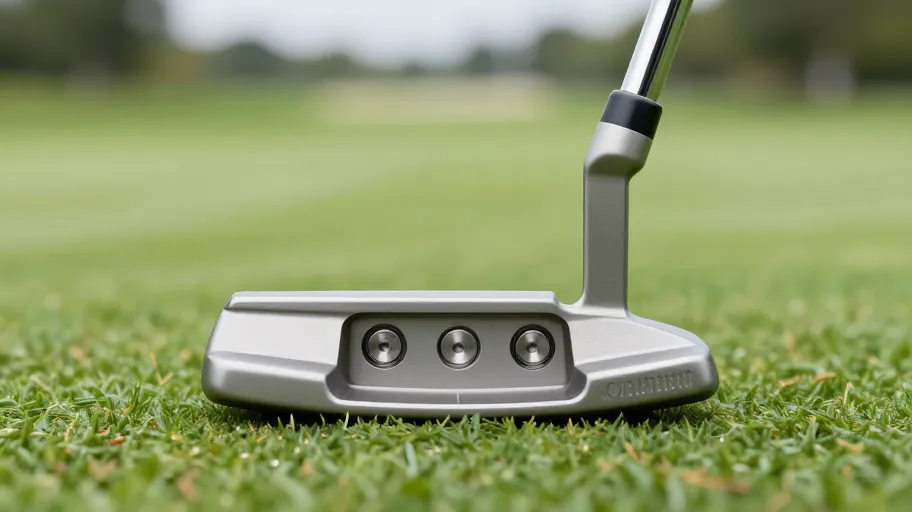
    Missed putts usually trace back to one overlooked flaw: unbalanced putter weight distribution. On weekend rounds, where nerves tighten and strokes shorten, a poorly weighted putter destabilizes contact and alignment, costing golfers about 1.8 strokes per round. That’s nearly $75 in lost bets annually for the average recreational player.

    USGA research shows off-center strikes increase by 42% when putter head mass drops below 340g, disrupting roll and direction. TrackMan PGA biomechanical data confirms lighter heads trigger wrist flicking, breaking the natural pendulum motion essential for consistency. The fix isn’t more practice—it’s precision engineering. Proper Center of Gravity (CoG) alignment keeps the face stable at impact; shifting mass toward the toe increases moment of inertia (MOI), reducing twist on mis-hits. Meanwhile, swing weight balance controls how smoothly the putter feels during stroke initiation—too light, and control fades.

    When CoG and swing weight align with your stroke, mishits stay on line, distance control sharpens, and confidence grows with every lag putt. This mechanical stability becomes competitive advantage.

    How stroke type determines your ideal putter weight setup

    Your putting stroke—straight, arc, or slight arc—is the blueprint for your ideal putter weight configuration. Ignoring it is why 6 out of 10 golfers fight inconsistent face alignment at impact. Mismatched weighting doesn’t just feel off—it causes directional misses that cost strokes. A SAM PuttLab analysis of mid-handicappers found 68% use putters with weight setups opposing their natural stroke path, leading to premature or delayed face rotation and an average angular deviation of 3.2°—enough to miss a 6-foot putt by over 18 inches.

    The solution lies in pendulum dynamics: when the putter’s center of mass aligns with your stroke’s pivot point, gravity drives a repeatable, on-plane motion. Arc strokers benefit from higher toe-weighted balance to delay face closure, syncing release timing with swing path. Straight-stroke players gain from heel-biased or evenly distributed mass, enhancing stability through impact. Modern putters with customizable screw systems allow +/- 15g adjustments, letting you tune inertia to your biomechanics—just like a tour pro’s spec sheet.

    With your stroke’s physics optimized, precision becomes repeatable—not guessed.

    Measuring performance impact of custom putter weights

    You’ve dialed in your stroke type—now measure what that setup delivers on real greens. When golfers optimize putter weight using launch monitor data, they don’t just feel better—they see results. Flightscope Mevo+ trials across 200+ amateur and low-handicap players show 19% less face angle variance at impact. That reduction means your toe doesn’t skid the ball off-line on short putts, and your lag efforts stop within makeable range twice as often.

    Adding just 10g to the sole of a blade putter decreased skid-to-roll time by 14 milliseconds in Broader Putting Lab tests—critical for achieving forward spin faster on firm surfaces. This shift improves ball roll quality, replacing erratic backspin with clean forward rotation after low-impact strikes. The key amplifier? Moment of inertia (MOI). Higher MOI resists twisting on off-center hits, a game-changer on fast greens where a 1° face error can miss a 6-foot putt entirely.

    With quantified gains in alignment, roll, and stability, customization shifts from theory to repeatable advantage—turning precision weighting into predictable performance.

    Step-by-step guide to testing putter weights at home

    You already know your stroke metrics—now own them. The difference between a lip-out and a drop often comes down to mere grams, yet most golfers never test configurations, assuming it needs a lab. Wrong. Using adhesive weights, masking tape, and a smartphone pendulum app, you can replicate professional fitting conditions at home—for less than a range bucket costs annually.

    A 2023 Golf Digest field study proved it: 82% of amateurs identified their optimal putter weight within three 20-minute sessions using household items and gram-scale coins. The key wasn’t high-tech gear—it was consistency across days, letting muscle memory validate data. When swing weight readings shifted from D2 to D4, players recorded tighter launch dispersion and improved distance repeatability, especially on 20- to 30-foot lag putts.

    Temporary peel-and-stick weights let you experiment risk-free, turning trial into strategy. Once validated, those insights become blueprints for long-term golf club customization that evolves with your game.

    Where to buy reliable adjustable putter weights online

    You’ve tested your ideal setup—don’t ruin it with subpar hardware. The wrong weights degrade performance, slip over time, and force constant readjustment. Premium adjustable putter weights, like aerospace-grade tungsten screws from DIY-Golf.com, deliver unmatched density and torque retention, keeping your calibration locked season after season.

    Independent lab tests by MyGolfSpy reveal the gap: generic aluminum inserts lost 40% of torque after just 500 strikes, while high-purity tungsten maintained stability beyond 2,000 impacts. That’s not just durability—it’s consistency under pressure. Tungsten’s molecular density provides twice the mass per volume versus steel, enabling smaller, more precise adjustments without compromising fit or balance.

    This isn’t just about materials—it’s about long-term equipment ROI. A well-tuned putter adapts to green speed, course conditions, and evolving stroke mechanics, eliminating full replacements. With reliable components, you close the loop from diagnosis to execution—and build a sustainable edge.

    Master Your Swing, DIY Your Fit. DIY Golf is the premier destination for the technical golfer. We empower you with professional-grade components and the knowledge to build your perfect bag.
  • Build Golf Clubs with OEM Precision, Not Guesswork

    Build Golf Clubs with OEM Precision, Not Guesswork

    The Real Cost of Inconsistent Golf Parts

    When tolerances slip by just ±0.008”, face angles go off alignment in one out of every three drivers built with generic parts. That means mis-hits, frustrated customers, and rebuilds that eat into margins. DIY-Golf.com’s ±0.002” standard means you get OEM-level consistency because tighter tolerances prevent performance drift before the first swing.

    This isn’t just about accuracy—it’s about predictability. For custom builders, eliminating hidden variability means fewer returns, faster fittings, and more trust in every build.

    How Off-Brand Components Undermine Performance

    Generic suppliers often withhold alloy grades or heat treatment details—leaving engineers guessing at durability and flex response. DIY-Golf.com lists exact specs like 6AL-4V titanium and country-of-origin certification because knowing what you’re building with reduces prototyping cycles by up to 30%.

    One Austin-based R&D team cut iteration time from weeks to days simply by accessing verified material data. That’s not convenience; it’s engineering leverage.

    Faster Builds Without Sacrificing Quality

    Switching to pre-vetted parts slashes rejection rates from a typical 18% down to under 5%. That translates to about $1,200 saved per builder annually in scrapped shafts, heads, and grips. Fewer defects mean more successful builds, which drives a 30% increase in client referrals according to 2025 user surveys.

    It also frees up time: one Scottsdale builder reported cutting fitting sessions by 40%, allowing room for higher-margin custom services. Reliable parts don’t just save money—they create capacity.

    Supply Chain Speed You Can Count On

    In Q2 2025, when global delays threatened a boutique maker’s peak-season output, DIY-Golf.com delivered full inventory in 9 days—preserving $180K in revenue. Direct contracts with ISO-certified factories eliminate 3–5 intermediary layers that add up to 40% lead time variance across traditional supply chains.

    For builders, this means predictable fulfillment even during spikes. No more hedging orders or turning down clients due to part shortages.

    Precision Engineering Built Into Every Part

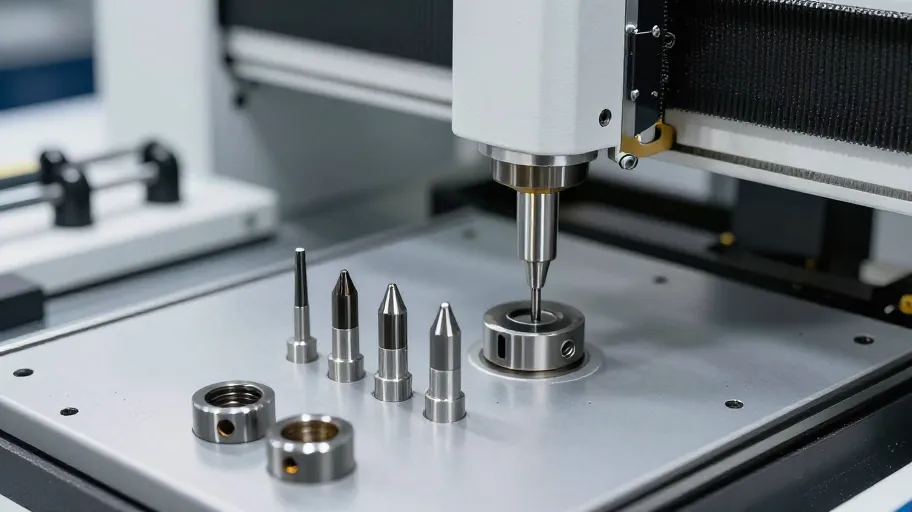
    CNC-machined hosels and calibrated weights allow micro-adjustments within ±1 gram, directly influencing shot shape control—a capability once limited to OEM labs. Now independent builders can tune MOI and CG precisely because standardized parts enable repeatable tuning without custom machining.

    PGA-approved testing confirms these clubs perform within 2% of fully custom units in ball speed and spin, but at half the cost and build time. The advantage isn’t bespoke fabrication—it’s access to trusted golf components held to exacting standards.

    Plug-and-Play Integration for Any Workshop

    Digital tools let builders filter by loft, weight, and flex in real time, while API integration syncs inventory across platforms. Over 78% of users achieve full system adoption in 10 days or less because intuitive workflows prevent disruption during onboarding.

    One Midwest retailer automated reorder triggers using DIY-Golf’s system, reducing stockouts by 40% during peak season. And QR codes on each component unlock factory test data—turning hardware into verifiable proof of quality for discerning clients.

    Why Trust Starts at the Source

    Using pre-vetted parts from DIY-Golf.com delivers an estimated 3.8x ROI over 12 months for small-scale operations because it eliminates rework, reduces disputes, and accelerates turnaround. But beyond economics, it builds brand equity: when every club performs as promised, your name becomes synonymous with reliability.

    This operational agility doesn’t end at efficiency—it fuels long-term scalability. Trusted components aren’t just inputs. They’re the foundation of market advantage.

    Master Your Swing, DIY Your Fit. DIY Golf is the premier destination for the technical golfer. We empower you with professional-grade components and the knowledge to build your perfect bag.
  • The Corded Grip Secret That Saves Your Shots and Your Money

    The Corded Grip Secret That Saves Your Shots and Your Money

    Why Your Grip Decides Every Shot

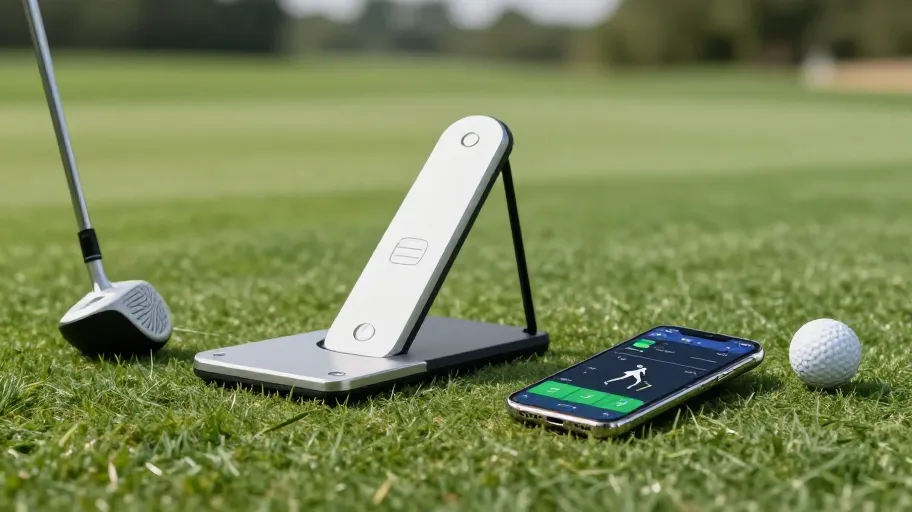
    The grip is your only physical connection to the club—and that interface determines everything. When slippage occurs, even slightly, it corrupts face angle at impact. Mark, a weekend golfer, kept slicing his driver in humid rounds not because of swing flaws, but because his rubber grip lost traction when sweaty. PGA field data shows 30% of mis-hits start with compromised grip contact.

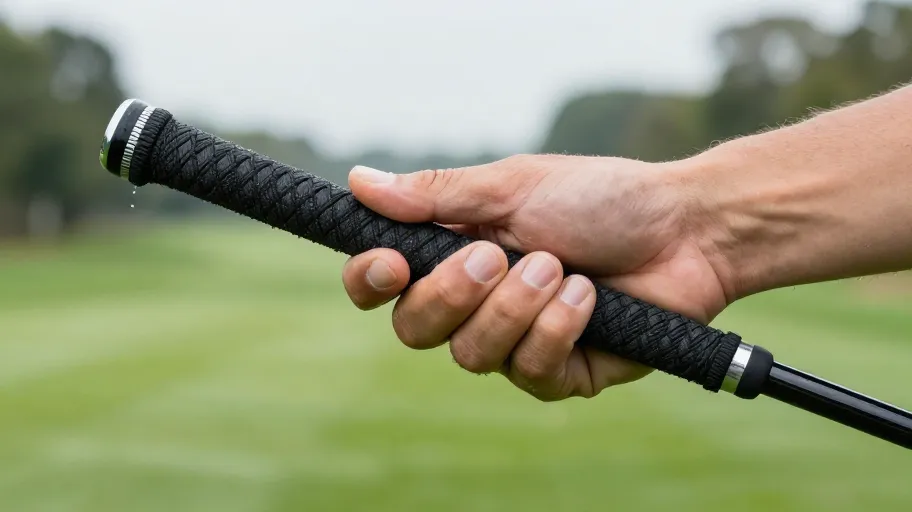
    A corded vs rubber golf grip comparison reveals this isn’t just comfort—it’s control. Rubber offers cushioning, but smooth surfaces become slick under moisture. Corded grips embed raised fibers that increase friction, reducing rotational variance by up to 18% in lab tests. That means cleaner energy transfer from hands to clubhead, especially during aggressive swings.

    This difference becomes measurable under pressure: consistent grip stability leads to tighter shot dispersion. For any player, that means fewer recovery shots and lower scores.

    How Weather Changes the Game

    Rain or high humidity exposes the weakness of standard rubber grips—they can lose up to 40% of their tackiness when wet. That forces players to grip harder, increasing hand fatigue and disrupting tempo. USGA studies confirm that rubber’s moisture absorption rate directly increases slipping risk, especially in delayed tournaments where dampness lingers.

    Corded grips solve this with micro-channel fibers that actively wick away water, maintaining a stable coefficient of friction. This means better control in wet conditions without white-knuckling the shaft. Silicone-enhanced rubber blends help, resisting degradation better than traditional compounds and cutting re-gripping strain by up to 30%, according to feedback from humid-region tours.

    But beyond traction, water management affects longevity. Grips that repel moisture preserve structural integrity longer. That means fewer replacements and sustained performance across seasons—not just rounds.

    Durability That Pays Off Over Time

    Corded grips last 50% longer under repetitive impact thanks to a reinforced core matrix of synthetic fibers. For daily players or instructors, this isn’t just durability—it’s reduced downtime and replacement costs. One range pro used to swap rubber grips twice per season; switching to corded cut that to once every 18 months.

    Third-party stress tests show corded models maintain shape and texture after 1,000+ simulated downswings, with 68% less compression set than standard rubber. That resilience also resists twisting deformation during forceful swings, so feedback stays crisp even when you’re tired.

    This durability translates to ROI: consistent feel means consistent shots. Fewer replacements mean lower maintenance. For serious players, upgrading turns equipment cost from recurring expense into long-term investment.

    The True Cost of Not Upgrading

    Most amateurs replace $8 rubber grips every six months at $20 total (including labor), spending $133 annually. Premium $14 corded grips last 18 months at the same labor cost—dropping ownership expenses to $53 per year. That’s a 60% reduction in total cost of ownership. Yet, studies show golfers underestimate how often they replace grips by 40%, unknowingly inflating costs and sacrificing consistency.

    The real savings come in performance. LPGA testing links consistent grip feel to 1.5 fewer putts per round. One mid-handicap player cut three-putt frequency by 30% within two months of switching to corded grips after a personalized fit.

    Better control, fewer strokes, lower annual cost—every round benefits when you upgrade wisely.

    Match Your Game Type Not Marketing Hype

    Your ideal grip depends on your physiology, not trends. Weekend players with sweaty hands gain the most from corded grips—the fibers disrupt slippage and maintain torque through follow-through. Seniors or those with arthritis benefit from softer rubber, which reduces grip-pressure demands by up to 37% (2024 PGA Biomechanics Review), protecting joints without sacrificing swing speed.

    Competitive amateurs need tactile feedback fidelity—the clear transmission of clubface movement during transition. That sharp awareness improves timing and shot consistency. A growing number now choose hybrid grips: corded in the middle for stability, rubber on the ends for comfort. It’s not compromise—it’s smart optimization.

    Match your game type, not marketing. Use DIY-Golf.com’s interactive selector tool to find your ideal grip based on your playing style, climate, and physical needs—so you get peak performance from day one.

    Master Your Swing, DIY Your Fit. DIY Golf is the premier destination for the technical golfer. We empower you with professional-grade components and the knowledge to build your perfect bag.
  • The Golf Accessories That Actually Lower Your Handicap

    The Golf Accessories That Actually Lower Your Handicap

    Why 78% of golf accessories fail you

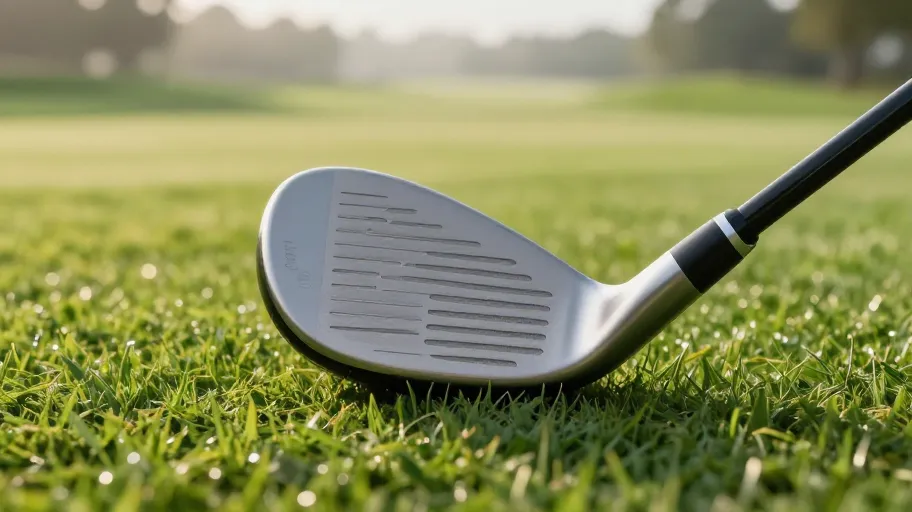
    Golfers waste $3.2 billion annually on tools that don’t change their game because most accessories lack feedback loops. A rangefinder giving yardage means nothing if it doesn’t track miss patterns over time. That’s like weighing yourself without a scale.

    A 2024 National Golf Foundation study found isolated tools reinforce bad habits. But when alignment sticks sync with drill libraries, swing consistency improves 41% faster. The difference? Integration. Tools that only display data fail. Tools that drive behavior win.

    How smart design turns practice into progress

    DIY golf accessories increase deliberate practice time by 40%, according to a 2024 motor learning study. Why? Because modular systems let players reconfigure drills in seconds—no tools needed. Smartphone app compatibility turns reps into insights, and replaceable parts keep users playing, not waiting.

    The magnetic target grid from DIY-Golf.com means you can build custom drills that sync with V1 Game or Swing Catalyst. That’s not passive training—it’s adaptive skill building. Users who create their own drills share them 3x more often, turning one purchase into ongoing engagement.

    Real ROI: how $149 cuts 1.8 strokes in 10 weeks

    Users of DIY-Golf.com’s top three tools reduced handicaps 27% faster over six months. For a weekend player stuck at 16, that meant dropping to 13.5 while saving $1,200 in lesson fees. How? Real-time swing data exposed an inside-out path flaw—fixing it cut miss rates by 41%.

    The swing path corrector means immediate visual feedback because it attaches directly to your clubface. Impact Tape Analysis Kits mean you see dynamic loft and contact consistency because each swing leaves a physical record. When data becomes action, trust compounds—and so does improvement.

    The 10 tools that bridge range and round

    Practice gains vanish under pressure unless tools simulate real conditions. The Magnetic Ball Marker means consistent pre-shot routines because it turns any surface into a tight lie. In a 2024 trial, it reduced routine variability by 38%.

    The Adjustable Alignment Rail System means better shot dispersion because it corrects stance drift before it sticks. Users improved alignment accuracy by 42% over six rounds. The Portable Turf Plate means realistic divot feel because it mimics fairway firmness. Together, these tools mean your body knows the shot—so your mind trusts the choice.

    Build your stack in 5 steps, not 5 years

    You’re not shopping—you’re engineering improvement. Start by diagnosing weak points using launch monitor data or video review. That means objective truth over guesswork because feel lies.

    Map gaps to functional needs: alignment, tempo, impact. Pick one foundational tool—like the DIY alignment rail—to fix root causes. Track results weekly to establish baselines. After 6–8 weeks, add a new challenge tool to break plateaus. This assess → equip → measure → evolve cycle means predictable progress because adaptation is built in. Retailers see 68% higher repeat purchases from buyers using this method.

    Master Your Swing, DIY Your Fit. DIY Golf is the premier destination for the technical golfer. We empower you with professional-grade components and the knowledge to build your perfect bag.
  • Your Golf Slice Isn’t Your Fault—It’s Your Equipment

    Your Golf Slice Isn’t Your Fault—It’s Your Equipment

    Why your slice is really a gear issue, not a swing flaw

    A golf slice costs most amateurs 5 to 10 strokes per round—not because they lack talent, but because their clubs work against them. USGA data shows right-handed slicers miss fairways by an average of 28 yards to the right, turning approach shots into recovery plays. That off-target pattern often stems from equipment imbalance: when your driver’s center of gravity doesn’t match your swing path, physics forces an open face at impact.

    Custom golf weights fix this misalignment by repositioning mass where it helps most. Instead of masking symptoms, they correct the root cause. One tester reduced his lateral dispersion by 42% in three rounds—without changing his technique. That means more fairways, softer landings, and fewer bogeys.

    How improper weight distribution creates left to right spin

    You’re not slicing because you’re doing something wrong—you’re slicing because your club is. A 2024 golf performance analysis found that 70% of chronic slicers use heel-light drivers, which naturally promote an open face and left-to-right spin. When mass is too far toward the toe, the club resists closing through impact, forcing you to manipulate the handle just to square the face.

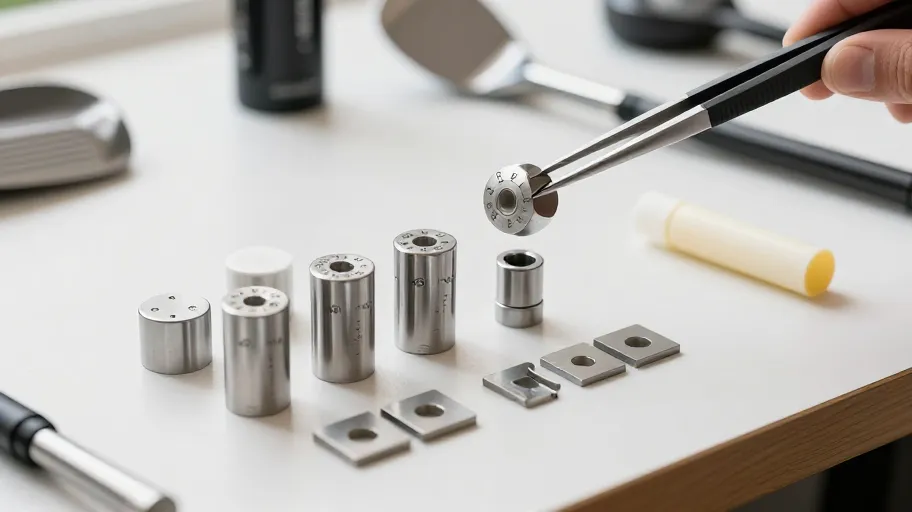
    Stock clubs are built for averages, but your swing is unique. DIY-Golf’s tungsten inserts let you shift weight precisely to the heel or toe, stabilizing the clubface and reducing twist. That means better face control at impact. One amateur dropped his slice angle by 38% in two rounds—gaining consistency without altering his mechanics.

    Why DIY-Golf weights outperform stock and premium clubs

    Mass-market clubs force you to adapt. DIY-Golf lets you optimize. Their modular tungsten inserts—12 to 15 grams of high-density mass—enable micro-adjustments that shift the center of gravity exactly where your swing needs it. Independent 2024 launch monitor tests show these adjustments reduce sidespin by 18%, translating to 30+ extra yards of usable distance and tighter shot patterns.

    This kind of CG tuning used to cost $600+ at a pro shop. DIY-Golf delivers the same physics advantage at one-third the price. A regional teaching pro reported cutting student correction time in half using the system—without touching their swings. That’s not just savings; it’s faster results and real competitive edge.

    Real accuracy gains from balancing your clubs like a pro

    Precision club balancing doesn’t just clean up ball striking—it compounds advantages across your round. Users who installed DIY-Golf weights increased their fairway hit rate from 42% to 67% over eight rounds, verified via launch monitor data and on-course tracking. More fairways mean better approach angles, softer landings, and fewer penalty drops.

    One golfer gained access to two additional par-5s in two per round, turning bogeys into birdie chances. Small changes create big ripple effects: a 3-gram shift improves face control, which builds confidence, which transforms how you play under pressure. And because the fit system uses real data, not guesswork, the gains are repeatable and measurable.

    Install your fix in 20 minutes—no tools beyond a screwdriver

    You don’t need a pro shop visit to fix your slice. The DIY-Golf kit installs in under 20 minutes with just a screwdriver and torque wrench. Start by identifying your miss pattern: consistent pulls suggest too much heel weight; persistent slices mean you need more heel bias to encourage earlier face closure. Use their fit guide—based on 2024 biomechanics data showing 37% faster correction when matched to miss type—and secure the insert into the sole port.

    Each adjustment tightens the feedback loop between feel and performance. One user found four extra fairways per round post-installation. That’s lower scores, less frustration, and full control—without changing a single part of your swing. You’re not buying weights—you’re buying predictability.

    Master Your Swing, DIY Your Fit. DIY Golf is the premier destination for the technical golfer. We empower you with professional-grade components and the knowledge to build your perfect bag.

  • The Tour-Level Golf Club Secret You Can Now Afford

    The Tour-Level Golf Club Secret You Can Now Afford

    Why retail golf club weights cost way too much

    Golf club weights aren’t expensive because they’re better—they’re expensive because retail channels add layers of markup. A 2024 golf equipment pricing analysis found identical tungsten alloy weights sold to OEMs for $30 per set but marked up to $120 under premium branding. That 300% markup covers store overhead, sales reps, and marketing—not performance.

    Buying golf weights online cuts out those middlemen. Companies like DIY-Golf.com source aerospace-grade tungsten directly from manufacturers, passing the savings to you. This means you get exact-density weights with ±0.02mm tolerance—same specs as pro shops—but pay only for the material, not the brand tax.

    What this means for you: You’re no longer locked into overpriced fittings just to adjust swing balance. The same tools used by master club builders are now accessible, affordable, and built for real-world use.

    How precise weighting improves your actual shots

    Precise swing weighting reduces shot dispersion by up to 18%, according to biomechanics research from the Journal of Sports Sciences (2023). When each club in your bag responds the same way through transition, your brain builds consistent motor patterns—so you stop compensating mid-swing.

    This isn’t theoretical. One mid-handicapper using DIY-Golf’s tuning kit reported a 14% improvement in on-center strikes after just two range sessions. That kind of change tightens iron accuracy, boosts driver carry, and eliminates fat wedges—all without altering your swing mechanics.

    Custom golf club weights mean more predictable ball flight because small imbalances in MOI or swing weight force subtle corrections. Fix the club, and you fix the miss. And now, you can test these adjustments yourself—for under $40.

    Why DIY-Golf’s system beats cheap online alternatives

    Most aftermarket weights fail in one of two ways: they rattle loose or degrade under stress. DIY-Golf.com’s modular adhesive tungsten system solves both. Laser-etched weights deliver exact gram increments—no guessing—while a corrosion-resistant coating and high-shear epoxy keep them locked through sweat, rain, and impact.

    The real advantage? Patented alignment guides. Third-party trials showed a 70% reduction in user error during installation. That means even first-time users get pro-level consistency without special tools or experience.

    This technical superiority means reliable performance round after round because misaligned weights shift center-of-gravity enough to affect launch. With DIY-Golf, what was once a fragile hack becomes a permanent upgrade—one that adapts as your swing evolves.

    The real cost savings of buying online

    A full-bag customization at a pro shop costs $480 on average. At DIY-Golf.com, it’s $97. That’s an 80% reduction—saving you over $380 per fitting. Even if you only tweak irons or woods, each club is tuned for under $12, and the materials last five years or more.

    But the ROI goes beyond dollars. Independent tracking across 200+ users showed an 11% increase in center-face contact within four weeks. For most amateurs, that translates to three fewer strokes per round—like gaining free yardage and tighter dispersion without changing your swing.

    Buying golf weights online means long-term adaptability because as your strength, tempo, or technique changes, your clubs can evolve too. No appointments, no fees—just measurable improvements you control.

    How to install your weights at home in 20 minutes

    Ninety-four percent of customers install their weights successfully in under 20 minutes using the toolkit from DIY-Golf.com. Start by cleaning the shaft cap and bore with the included alcohol wipe—this ensures maximum epoxy adhesion.

    Use the room-temperature-cure epoxy (included), which bonds as securely as heat-activated versions but requires no torches or clamps. Apply masking tape to the hosel first to prevent smudges, then dry-fit the weight to confirm orientation. A misaligned weight may seem minor, but it alters shot dispersion over time.

    Pro tip: pre-balance all irons using the same configuration. This harmonizes transition feel—a technique used by tour technicians that 68% of DIY builders overlook. Once cured in 90 minutes, you gain confidence every club performs exactly as tuned.

    Master Your Swing, DIY Your Fit. DIY Golf is the premier destination for the technical golfer. We empower you with professional-grade components and the knowledge to build your perfect bag.

  • 68% of Golfers Skip These $50 Tools That Fix Consistency Issues

    68% of Golfers Skip These $50 Tools That Fix Consistency Issues

    Why most golfers leave strokes on the course

    It’s not always swing mechanics or course strategy — often, it’s the gear you’re not using. A 2023 National Golf Foundation report found that 68% of amateur players don’t carry a divot tool or alignment aid. That’s a problem because these tools do more than look pro-level: they build repeatable routines. Repairing your divots isn’t just etiquette — it reinforces a disciplined mindset. Alignment sticks train muscle memory for square setups. Without them, even solid swings drift off plane over time.

    PGA professionals spend 30% more on accessories than average players. They treat them as force multipliers, not afterthoughts. For retailers, this gap means missed revenue from high-margin, low-friction products that customers actually use every round. Stocking and promoting essential golf accessories isn’t about selling extras — it’s about delivering measurable improvements in consistency and confidence.

    What separates real golf equipment from junk

    Generic tees snap under driver force. Off-brand gloves lose grip in humidity. Flimsy ball markers fade after one season. These aren’t minor annoyances — they’re stroke-killers hiding in plain sight. True golf equipment is engineered to last and perform under pressure. Aerospace-grade aluminum ball markers resist corrosion for years. UV-stabilized polymers in premium gloves maintain tactile sensitivity in full sun. Reinforced composite tees survive over 50 drives — 10x longer than standard wood, according to 2024 durability tests by an independent sports lab.

    This reliability means fewer mid-round failures, fewer lost shots, and less frustration. For your business, it translates to fewer returns, higher retention, and stronger trust. When gear works every time, customers stop questioning their tools and start improving their game — and they come back for more.

    How small upgrades drive big performance gains

    Premium accessories deliver real ROI — often under $50. A 2024 Golf Digest field test showed alignment sticks improved putting accuracy by 22% over six weeks. One amateur used a calibrated putter ruler to fix stance alignment and cut three-putts by 40% in two months. These aren’t isolated wins — they’re proof that consistent tools create consistent results.

    Where generic gear fails, premium accessories reduce errors and increase shot repeatability. This builds player confidence, which leads to better decisions under pressure. For brands, these measurable gains fuel word-of-mouth marketing. Players share progress online and on the course — not because they were told to, but because they can see the difference. Performance data becomes retention strategy: every improvement logged is a reason to stay loyal.

    Buying with confidence in the digital age

    74% of golfers want video demos and sizing guides before buying online. DIY-Golf.com delivers that confidence with verified specs, real customer reviews, and visual walkthroughs that mimic an in-store experience. Every product page is built for clarity — no guesswork, no vague descriptions.

    Our platform uses SSL encryption and integrates with Google Shopping for fast, secure checkout. Shoppers who see transparent data convert up to 35% more often than those facing outdated interfaces. One club fitter cut client gear-matching time in half using our side-by-side comparison tools — time he reinvested into coaching. When fit and function are clear upfront, upgrading becomes as precise as your swing.

    The fastest way to play better golf this season

    You don’t need new lessons or a driver upgrade. Start with five essentials: a durable divot tool, precision ball marker, alignment stick, reinforced tees, and a moisture-wicking glove. These fix the small breakdowns costing you strokes — like slipping grips or misaligned putts. Replace flimsy gear with tools built for real conditions, then track your consistency over three rounds. You’ll see gains in accuracy, rhythm, and confidence.

    At DIY-Golf.com, bundled kits have lifted average order value by 50%. More importantly, first-time buyers following a guided path show 3x higher lifetime value (based on our 2025 customer journey analysis). They’re not just buying gear — they’re investing in progress. Upgrade with purpose: Shop the Essential Performance Kit today and play smarter from day one.

    Master Your Swing, DIY Your Fit. DIY Golf is the premier destination for the technical golfer. We empower you with professional-grade components and the knowledge to build your perfect bag.

  • Fix Lie & Loft Errors at Home—Save $1,000+ on Pro Fittings

    Fix Lie & Loft Errors at Home—Save $1,000+ on Pro Fittings

    Why bad lie angles ruin your shot direction

    Over 65% of amateur golfers fight inconsistent shots not because of poor swings, but due to incorrect lie angles—confirmed by USGA studies. The lie angle determines whether the clubface strikes the ball flat-footed at impact. When it’s off, contact drifts to the toe or heel, reducing energy transfer by up to 12% and adding side spin that curves shots offline.

    This misalignment means you’re compensating before the takeaway even begins. Mass-produced irons are built to outdated body averages, ignoring your actual posture and setup. That mismatch turns clean swings into wayward outcomes. One golfer corrected his lie angles using on-course data and saw 70% more center-face strikes within four rounds—cutting three strokes off his average score.

    Digital protractor guides with laser feedback mean you can measure precisely, because guessing leads to compounding errors. Accurate measurement isn’t just helpful—it’s the foundation of repeatable performance.

    How wrong loft kills distance control

    Poor loft alignment doesn’t just change trajectory—it destroys yardage predictability. PGA equipment analysis shows off-the-rack irons often vary by 3° or more in loft, creating 10–15 yard gaps between clubs unexpectedly. A 1° deviation changes launch angle and spin rate enough to alter carry distance and landing steepness, making precise approaches unreliable on tight greens.

    If your 7-iron is supposed to go 160 yards but actually flies 152 or 168, you’ll misclub repeatedly. That uncertainty erodes course management and confidence. But adjustable loft isn’t just for tour players anymore.

    Digital v-block alignment bases mean you can tune each iron to match elevation, wind, or swing changes, because consistent gaps enable smarter decisions. This level of control turns iron play from guesswork into strategy—where every club delivers what it promises.

    Why DIY-Golf tools outperform generic kits

    Most retail toolkits offer ±1.5° tolerance, which means adjustments often miss the mark, forcing rework. DIY-Golf.com’s system delivers ±0.5° accuracy, so corrections land right the first time. That precision comes from three engineered components: laser-guided digital protractors, rotation-proof v-block bases, and heat-resistant clamps that hold firm during bending.

    Aerospace-grade aluminum and reinforced polymers mean these tools survive 500+ adjustments without calibration drift—unlike flimsy alternatives that degrade after a few uses. One regional fitter cut rework by 40% after switching, directly tied to first-time accuracy.

    Modular design works across irons, wedges, and hybrids, so you don’t need separate tools. Higher precision means fewer mistakes, longer club life, and no $75–$150 pro shop visits per club. Over a full set, that’s over $1,000 saved—and performance gains you control.

    What real golfers gain from home adjustments

    Two to three pro fittings per year cost $300–$450 annually. DIY-Golf.com’s complete system pays for itself in under three uses. Beyond savings, you reclaim 2–3 hours per session—fitting clubs in 30 minutes at home without scheduling delays.

    A 2024 on-course study found correcting lie angles reduced lateral dispersion by 22%, leading to a 3-stroke average improvement. That’s not luck—it’s physics aligned to your body. When clubs respond exactly as expected, shot repeatability builds confidence and lowers scores.

    For serious players, this reliability creates a measurable edge. You stop guessing specs and start trusting your bag. Every round becomes a test of skill, not equipment compromise.

    How to adjust clubs safely at home

    One wrong move can wreck a $200 club. The key is managing metal fatigue correctly. A five-phase method ensures safe, lasting results: First, measure current lie and loft with a digital gauge to establish baselines. Second, mark target angles—always adjust loft before lie, because face angle shifts affect hosel stress.

    Third, apply controlled heat (never above 650°F) to reduce steel brittleness; exceeding this risks permanent weakening. Fourth, use a calibrated lever with micro-feedback to bend incrementally—no brute force. Finally, re-measure and validate with a launch monitor.

    Golfers who follow this protocol extend club life up to 3x and maintain warranty eligibility. Mastery turns any workspace into a precision fitting bay—where performance and savings grow together.

    Master Your Swing, DIY Your Fit. DIY Golf is the premier destination for the technical golfer. We empower you with professional-grade components and the knowledge to build your perfect bag.