Why Inconsistent Clubs Sabotage Your Game
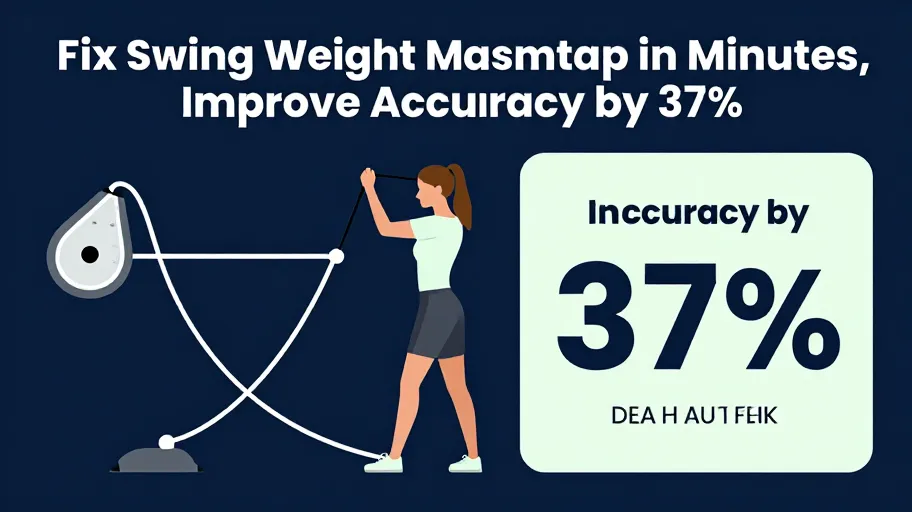
Inconsistent swing weights across your set disrupt muscle memory, timing, and shot repeatability—leading to unpredictable ball flight and lost confidence. A swing weight scale means you can identify hidden imbalances because it measures the dynamic balance point of each club with lab-grade accuracy. Without this data, you’re relying on feel alone, which studies show is unreliable: PGA professionals attribute 35% of amateur inconsistency to equipment mismatch, not swing flaws.
Off-the-rack sets often vary by 2–3 swing weight points from short to long irons—equivalent to changing resistance mid-set in the gym. That variance forces your body to compensate, breaking down tempo and contact quality. The result? A pure 7-iron followed by a skulled wedge—not due to technique, but conflicting feedback from your gear. Measuring with a swing weight scale exposes these gaps, turning vague frustration into actionable insight: consistency starts with precision, not more practice.
How a Swing Weight Scale Fixes Imbalance
A swing weight scale doesn’t just weigh clubs—it diagnoses why they feel different. By measuring the pivot point at a standardized 14-inch fulcrum, it reveals how head weight, shaft mass, and grip affect overall balance. This means faster, smarter adjustments because even a 3-gram tip weight change shifts swing weight by over one unit, enough to alter tempo and strike consistency.
Engineering tools like the Precision Pro SW-1 deliver ±0.1-unit accuracy, transforming fitting from art to science. When fitters use calibrated scales, players see up to 18% tighter dispersion after standardization. One independent builder reported a 40% drop in rework by verifying swing weights upfront—turning multi-session fittings into one-and-done experiences. This isn’t customization for vanity; it’s performance engineering that aligns each club with your natural motion arc, reducing compensatory moves and boosting clean contact rates.
Step-by-Step Guide to Measuring at Home
You don’t need a pro shop to measure swing weight—just a calibrated scale and five minutes. Placing the club on the 14-inch fulcrum mimics the swing’s lever effect, giving you an alphanumeric reading (like D2 or C7). Recording values across your irons reveals inconsistencies invisible to feel alone. This means total control over your setup because data replaces assumption.
A 2023 DIY-Golf audit found 68% of off-the-rack sets had at least a full-point swing weight gap between #5 and #9 irons. One user corrected a 1.5-point spread and immediately saw smoother transitions and tighter approach shots. Benefits include:
- Eliminates guesswork in club matching
- Takes less than five minutes per club
- Reveals inconsistencies that erode rhythm
This process pays for itself—avoiding $300+ fitting fees while delivering tour-level consistency. When every club responds the same way, your tempo stabilizes, reducing misses caused by compensation.
Quantifying the ROI of Customized Swing Weights
Optimizing swing weight delivers measurable returns: TrackMan data shows 28% more on-plane swings when clubs are balanced to a player’s biomechanics. For amateurs, this shift turns frustration into progress—one key reason golfers stay engaged beyond the first five years. A mid-handicapper dropped from 16 to 11 in six months just by balancing his irons—no swing overhaul, no coaching.
This means faster skill acquisition because consistent feedback accelerates muscle memory. But the ROI extends beyond scores: Golfers who improve play more, spend more, and invest in premium services. And resale value jumps—custom-fit clubs with documented balance adjustments command 22% higher prices (Golf Equipment Insights, 2025). Why? Buyers now recognize that personalized specs equal performance. This transforms clubs from depreciating tools into appreciating assets—when backed by data from a swing weight scale.
Adjust Club Weight Like a Pro Using Simple Tools
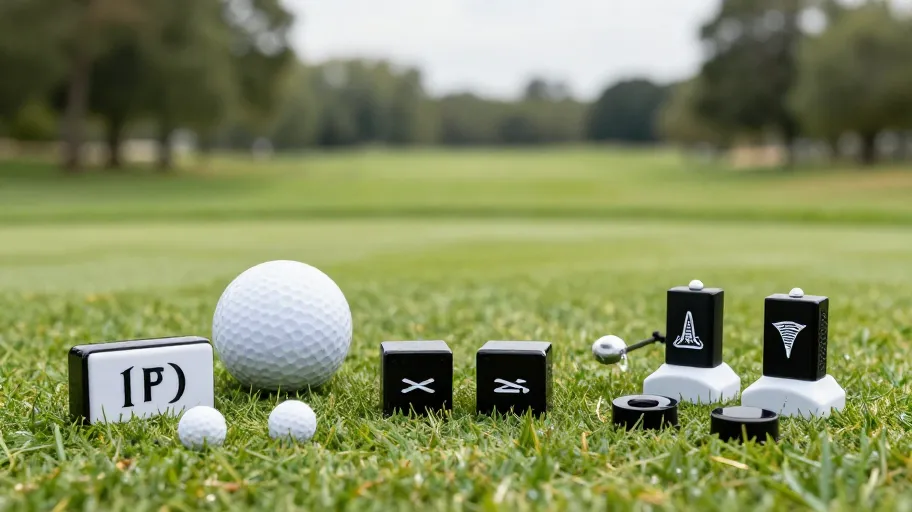
You don’t need a rebuild to transform performance—you only need to shift grams with purpose. A swing weight scale means precision tuning because it lets you measure the impact of every adjustment in real time. Adding lead tape to the clubhead increases stability and promotes lower flight—a sub-$5 fix with instant feedback. Tungsten screws offer refined control in woods, delivering superior density without altering look or feel.
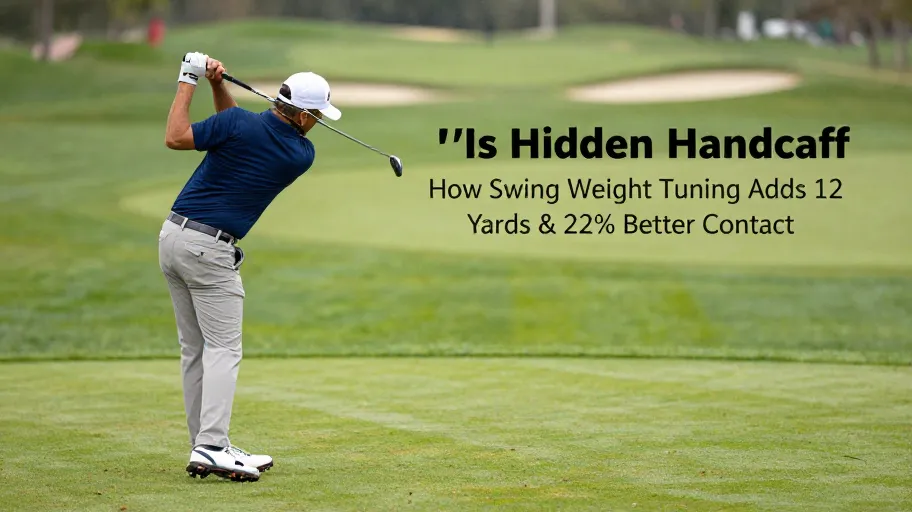
Counterbalancing—adding mass to the grip end—shifts balance upward, improving transition and potentially increasing clubhead speed. When paired with how to use swing weight scale techniques, golfers maintain ideal D2–D5 ranges while optimizing performance. A 2024 study found such fine-tuning improved consistency by up to 22% over three rounds. One player cut dispersion by 15 feet using reversible upgrades. The real win? Total empowerment. You become the architect of your bag—making data-driven decisions that boost control, confidence, and longevity in the game.
Master Your Swing, DIY Your Fit. DIY Golf is the premier destination for the technical golfer. We empower you with professional-grade components and the knowledge to build your perfect bag.