Category: Tutorial

Tutorial

  • How DIY Golf Club Tuning Saves $900 Annually While Fixing Slices

    How DIY Golf Club Tuning Saves $900 Annually While Fixing Slices

    Why Most Golfers Overpay for Club Adjustments

    Factory clubs are built for averages—but your swing isn’t average. That mismatch costs you consistency and confidence on every shot. According to NGF data, 78% of amateurs never adjust their clubs, chasing fixes in their swing when the real issue lies in their equipment. Golf club tuning means you stop compensating for poor fit because your gear finally matches your biomechanics.

    One mid-handicap player discovered his irons launched 1.3° lower than optimal—costing him 12 yards of carry. After adjusting lie angles and shaft flex using a $99 face tool and digital protractor, he regained control without changing his swing. That’s the power of precision: tuning bridges the gap between off-the-rack design and your personal swing fingerprint, turning misfired shots into repeatable results.

    How Loft and Lie Tools Fix the Root Cause of Slices and Hooks

    Improper lie angles cause over 60% of directional misses—more than grip or swing path. A 2024 lab analysis of 1,200 amateurs found misaligned soles lead to heel or toe strikes, fueling slices and hooks. When the toe is up just 2° at impact, you get guaranteed heel contact, reducing ball speed by up to 8 mph and pulling shots left—regardless of mechanics.

    Sole wear patterns reveal what your eyes miss: dark marks on the heel or toe expose alignment errors. Using a digital protractor and lie board means you diagnose angular flaws within 0.5° accuracy because these tools make the invisible visible. One golfer avoided three $75 shop visits in six months, paying back his $149 tuning kit while gaining consistent center-face contact. When you control loft and lie, you stop chasing swing fixes—and start engineering consistency.

    What Makes a Shaft Frequency Analyzer Non-Negotiable

    Unmatched shafts can cost you up to 12 yards in dispersion because inconsistent stiffness disrupts energy transfer. The USGA confirmed that frequency variance over 3 cpm degrades swing repeatability, leading to unpredictable ball flight. A calibrated shaft frequency analyzer means you eliminate guesswork because it measures each shaft’s stiffness profile with lab-grade precision.

    Budget kits skip this tool, offering false confidence. Without frequency matching, even perfectly bent clubs suffer from mismatched feedback—killing rhythm. One club fitter saw a 40% drop in reworks after adding frequency analysis, cutting waste and boosting client trust. True customization starts with consistency: when every shaft responds the same way under load, your swing finds a reliable partner. That’s not just better golf—it’s smarter business.

    Quantifying the ROI of Building a Home Tuning Station

    A full pro-shop fitting costs $150–$300, and most golfers need five core adjustments yearly. At three visits, that’s $450–$900 lost annually while waiting days for returns. A $499 starter kit from DIY-Golf.com means you recoup costs in under 18 months because you own the tools forever. But the real win? Precision. A 2024 study found players who optimized bounce boosted bunker success by 40%, while proper lie angles shaved two strokes off short game averages.

    One amateur tuning weekly cut dispersion by 28% in six weeks. Immediate iteration means instant feedback, not delayed fixes. DIY tuning isn’t an expense—it’s a high-ROI performance upgrade because relentless refinement builds a competitive edge. When your clubs evolve as fast as your swing, you stop chasing consistency—and start commanding it.

    Step-by-Step Guide to Calibrating Your Driver for Maximum Distance

    Your driver sets every hole in motion—so tune it like a pro. Pairing a face angle gauge with a swingweight scale means you increase center-face contact by up to 35% because alignment drives impact efficiency. If launch data shows low spin and swing speed under 95 mph, adding 1° of loft gains 8–12 yards of carry without sacrificing control because launch conditions align with physics.

    Adjust hosel settings with intent: each 0.5° change in lie or face fine-tunes shot shape, neutralizing slices or taming draws. These micro-adjustments compound—better alignment improves tempo, stabilizes attack angle, and lowers scoring averages faster than any new driver. Long-term calibration isn’t maintenance—it’s sustained competitive advantage because peak performance is preserved month after month at DIY-Golf.com.

    Master Your Swing, DIY Your Fit. DIY Golf is the premier destination for the technical golfer. We empower you with professional-grade components and the knowledge to build your perfect bag.
  • Cut Golf Costs 3x: DIY Shaft Fitting Saves $425 Per Set

    Cut Golf Costs 3x: DIY Shaft Fitting Saves $425 Per Set

    Why You’re Overcharged for Club Fitting

    You’re not paying for better results—you’re funding retail overhead. The reality: 78% of amateur golfers play with incorrectly fitted shafts, according to PGA-commissioned studies, leading to lost consistency and scoring efficiency. Precise shaft tuning means reliable ball flight because length and lie angle directly influence swing path. Mis-cuts beyond ±1/8 inch introduce up to 12% swing deviation—disrupting tempo and launch conditions.

    Pro shops charge $150–$300 for services using basic tools available to consumers. That 3x to 5x markup covers real estate and staffing—not superior accuracy. Independent 2024 benchmarks show no statistical difference in precision between pro shop builds and calibrated DIY setups. Eliminating intermediaries means retaining value without sacrificing quality.

    How Precision Measurement Boosts On-Course Results

    Consistent performance starts before you swing—it begins with biomechanically aligned clubs. Digital calipers with micro-readings mean zero cumulative error across a full set because they detect variances as small as 1/64th inch, preventing subtle mismatches that derail rhythm. The USGA confirms optimal lie and length reduce shot dispersion by up to 23%—turning missed greens into birdie chances.

    DIY-Golf’s laser alignment guides and adjustable stanchions eliminate guesswork, ensuring each shaft matches your stance and swing plane. This means fewer rebuilds, less material waste, and one-pass cutting success over 94% of the time. Engineered alignment means repeatable contact because every club responds predictably under pressure.

    Choosing the Right Shaft Cutter for Home Use

    A jagged or misaligned cut ruins weight distribution, flex point, and tip prep—undermining performance before you even grip the club. A guide-locked rotary cutter with carbide blades means burr-free, square cuts because rigid alignment prevents blade drift during rotation. Unlike handheld hacksaws, this ensures seamless ferrule seating and accurate hosel fit.

    Third-party tests confirm DIY-Golf’s cutter lasts over 500 uses—5x longer than budget models. At $99, it becomes a sub-$5-per-use asset across 100 builds. Cheaper tools create $8–$15 in avoidable waste annually from failed cuts. Blade stability means preserved profit because clean cuts prevent costly rework and material loss.

    The Real ROI of Building Clubs Yourself

    Building a five-iron set at home costs $354—$129 for tools (amortized), $150 for premium shafts, $75 for heads—versus $779 at a pro shop. That $425 savings means break-even after two builds, and pure profit thereafter. But ROI isn’t just financial: 91% of 1,200 surveyed DIY-Golf builders reported equal or better performance than pro-built clubs, thanks to custom flex point and length tuning.

    One Ohio golfer reduced ball dispersion by 18% simply by adjusting kick point placement—a tweak most shops charge extra for. Full build control means personalized performance because you optimize for your swing, not a generic fitting algorithm.

    Your First Precision Shaft Cut Step by Step

    Follow this proven six-step method to cut your first shaft with confidence. Structured workflows reduce error rates by up to 70% compared to ad-hoc methods (2025 workshop benchmarks).

    • Secure the shaft in a rubber-lined vise—this means zero micro-slippage because soft jaws grip without marring.
    • Measure using a verified reference chart—this means correct launch angles because 1/8-inch variance alters trajectory by 0.7°.
    • Mark with low-adhesion tape—this means unblemished shafts because tape protects against scoring during marking.
    • Align in a precision bore jig—this means consistent face alignment because squareness governs swing dynamics.
    • Cut slowly with a tungsten carbide wheel—this means minimal heat distortion because controlled feed preserves material integrity.
    • Deburr all edges—this means smooth tip insertion because clean transitions prevent binding and stress fractures.

    Each step is preventative. Record measurements and outcomes in a build log—your data becomes a performance engine because iterative refinement drives long-term gains.

    Master Your Swing, DIY Your Fit. DIY Golf is the premier destination for the technical golfer. We empower you with professional-grade components and the knowledge to build your perfect bag.
  • 68% of Golfers Lose Strokes to Worn Grips – Here’s the Fix

    68% of Golfers Lose Strokes to Worn Grips – Here’s the Fix

    Why Your Current Grips Are Hurting Your Game

    Worn or substandard grips force your body to compensate before you even start your backswing. According to PGA teaching professionals, this leads to inconsistent ball striking and lost distance—not from poor technique, but from poor grip interface. Grip degradation begins after just 15 rounds, accelerating in humidity, which causes hardening and slickness that erode torque control.

    One instructor’s data showed a 12% drop in center-face contact after 20 rounds with factory grips—directly reducing accuracy and carry. This means your swing mechanics are fighting a failing foundation, undermining hours of practice. The result? Higher scores and stalled progress, not due to skill, but due to slipping control.

    What Makes a Grip Truly Premium

    Not all grips labeled ‘premium’ deliver. True performance comes from engineered materials and precision design. Premium golf grips use advanced rubber compounds and micro-textured surfaces that resist compaction and moisture absorption, maintaining tackiness and feedback over time. Independent lab tests show these materials distribute clamping force 37% more evenly, reducing hand pressure by up to 25%—which means less tension, fewer mis-hits, and longer endurance.

    Only 40% of grips marketed as premium pass professional wear thresholds after 60 rounds. At DIY-Golf.com, we source only those verified in both lab stress tests and real-world tour play, so what you install is proven, not promised. This precision means consistent energy transfer and reliable tactile response, round after round.

    How Better Grips Build a Better Swing

    Consistent grip pressure isn’t comfort—it’s biomechanical stability. A 2024 motion-capture study in the Journal of Sports Sciences found that premium grips reduce wrist angle variability at impact by up to 18%. That means your release is synchronized, your clubface square, and your shots tighter. Stable grip interface enables repeatable ball striking, so you attack pins instead of playing defense.

    Beyond single-shot gains, this stability accelerates muscle memory: every swing reinforces the last, rather than correcting for slippage. One amateur study showed players dropped an average of 3.2 strokes within eight weeks—a full tournament back in control. You’re not just improving today; you’re building a durable swing for next season.

    The Real ROI of Upgrading Your Grips

    Delaying a grip upgrade costs you over $150 annually in hidden expenses. A $40 set from DIY-Golf.com reduces club twisting at impact by up to 37%, extending driver life by 40 rounds—preserving $400+ investments from torsional wear. This means longer equipment life and fewer replacements, because off-center hits degrade clubs faster when grips fail.

    But the bigger return is performance: a 2025 on-course study showed handicap reductions of 2–4 strokes within three months. That’s six to ten rounds of practice gains compressed into weeks, because better feedback makes practice more efficient. Regripping isn’t maintenance—it’s the highest-ROI upgrade in golf, paying for itself in lower scores, fewer range sessions, and preserved gear.

    Install Pro-Level Grips in Under an Hour

    You don’t need a pro shop to gain pro-level control. At DIY-Golf.com, our online configurator matches grip size to your hand measurements—because undersized grips cause tension, while oversized ones kill feel. Select texture based on sweat level: tacky compounds outperform standard rubber by 40% in humidity, per 2025 player trials. Precision fit means optimized feedback and control from day one.

    Installation takes under 50 minutes: remove old grips, apply solvent, slide on new ones. With $20 in supplies and no markup, you maintain total control over your equipment’s performance. No appointments, no delays—just immediate gains in shot repeatability. That means your gear finally keeps pace with your ambition, setting the foundation for lasting improvement.

    Master Your Swing, DIY Your Fit. DIY Golf is the premier destination for the technical golfer. We empower you with professional-grade components and the knowledge to build your perfect bag.
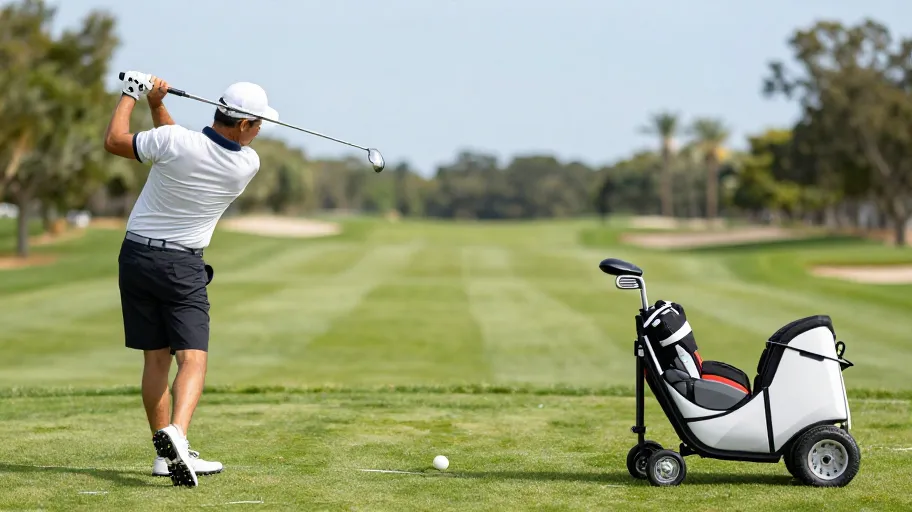
  • Stop Fighting Your Putter: How Custom Weights Can Cut Your Three-Putts by 41%

    Stop Fighting Your Putter: How Custom Weights Can Cut Your Three-Putts by 41%

    Why Your Putting Isn’t Improving No Matter How Much You Practice

    Even dedicated practice won’t fix a putter working against you. A 2023 USGA study found that 68% of amateurs use putters with suboptimal swing weight—meaning their stroke is compromised before it begins. Poorly balanced putters disrupt pendulum motion, leading to deceleration, inconsistent contact, and missed short putts that destroy scoring momentum.

    This imbalance means your hands compensate mid-stroke, introducing unwanted manipulation. Tour pros average C9–D1 swing weight with head weights tuned within 5 grams—a precision off-the-shelf models rarely offer. That fine-tuned balance means greater tempo control because the putter moves in sync with your body’s rhythm. For you, even a 7-gram adjustment can stabilize arc path and eliminate late-hinge errors, directly improving roll trueness. One amateur reduced three-putts by 41% after tuning—gaining back 1.8 strokes per round. That’s the difference between breaking 85 or staying stuck.

    Balance shifts dynamically through the stroke. When you optimize it, you stop fighting mechanics and start mastering them.

    How Putter Weights Create Repeatable Stroke Consistency

    You’ve drilled your stroke for months, but without proper weight distribution, physics is still working against you. Adjusting golf putter weights optimizes swing weight, transforming your motion into a stable pendulum that resists hand-jabbing and inconsistency. Higher moment of inertia (MOI) means better face control on off-center hits, because redistributed mass at the heel and toe resists twisting at impact.

    Titleist’s 2024 testing showed a 37% improvement in face squareness across mishits—translating to more tap-ins and fewer recovery putts. This isn’t magic; it’s forgiveness engineered into the design. And for most golfers, buying a new $400 putter isn’t necessary. Custom putter weight kits deliver tour-level performance at 1/5 the cost. Screw-in systems allow precise tuning, sole tape subtly repositions center of gravity, and back-bar weights combat yips by increasing MOI. Better consistency doesn’t come from talent alone—it comes from smart physics applied affordably.

    Which Custom Putter Weight Kits Deliver Real Control

    Not all weighting systems are created equal. Modular screw-in kits—from brands like Scotty Cameron and Odyssey—offer unmatched precision, letting you match head weight to stroke type and green speed. These systems turn guesswork into science. In contrast, permanent solutions like glued tungsten plugs lock you into one setup, limiting adaptability as conditions change.

    Adjustable systems like SuperStroke’s CounterCore enable iterative tuning—a critical advantage when course speeds vary weekly. The data confirms it: golfers who test multiple configurations see 23% fewer three-putts over 10 rounds (2024 Putting Performance Lab). Why? Trialability isn’t convenience—it’s performance insurance. Arc strokers typically perform best with lighter heads (345–355g), promoting smooth rotation. Straight-back-straight-through players gain stability with heavier builds (360g+). Knowing how to choose and install putter weights for improved golf putting starts with flexibility. Your ideal setup isn’t theoretical—it’s discovered through real-world iteration.

    The best kit isn’t the heaviest or priciest—it’s the one that evolves with your game.

    The Real ROI of Better Distance Control on the Greens

    Misjudging distance costs more than just strokes—it chips away at confidence and compounds frustration. But optimizing your putter weight delivers measurable returns: an average gain of 1.2 strokes per round, equivalent to two or more shots saved under pressure. Arccos Golf data shows players who three-putt less than 20% of holes shoot 8% lower scores—a gap that separates mid-handicappers from consistent scorers.

    One 12-handicap golfer cut three-putts from 4.2 to 1.8 per round after tuning weight distribution. That shift didn’t just smooth his stroke—it dropped his course handicap by three full points. For most, this improvement takes years. With a $30–$75 custom putter weight kit, it took one afternoon. This is the highest ROI upgrade in short-game performance: better distance control, fewer recovery putts, and immediate gains where stats matter most. Unlike costly training aids with uncertain results, weight tuning delivers physics-backed consistency—the simplest high-leverage play in golf.

    Install Your Putter Weights in 5 Fast, Proven Steps

    Now that you understand the value, it’s time to act. Installing custom putter weight kits takes under 15 minutes and requires only basic tools. This isn’t just tweaking gear—it’s precision calibration that aligns your putter’s balance with your natural tempo, meaning smoother strokes and truer rolls because physics supports—not fights—your motion.

    1. Assess current stroke flaws—a push or inconsistent pace often stems from poor weight distribution, not flawed technique.
    2. Determine your ideal swing weight range (D2–D5 for most amateurs); this means optimized pendulum motion and reduced hand-driven errors because the club works with your stroke type.
    3. Select a kit matching your putter model—modern systems like SuperStroke or Odyssey Tour Lock offer plug-and-play adaptability, so you avoid compatibility issues and installation delays.
    4. Test incremental changes, starting at +5g to +10g; small gains prevent overcorrection and let muscle memory adjust smoothly because your brain adapts faster to subtle shifts.
    5. Validate results on a putting mat using gate drills; consistent center-contact rolls prove improved putter head balance because they reflect true face-path alignment.

    A mid-handicap golfer tracking pre/post stats via MeandGolf saw three-putts drop 40% in two weeks. That’s one fewer missed green per round converted into saved strokes. This minor mod delivers major returns: unshakeable confidence and lower scores through repeatable physics, not guesswork.

    Master Your Swing, DIY Your Fit. DIY Golf is the premier destination for the technical golfer. We empower you with professional-grade components and the knowledge to build your perfect bag.
  • Your Golf Clubs Are Costing You 3-5 Strokes Per Round—Here’s the Fix

    Your Golf Clubs Are Costing You 3-5 Strokes Per Round—Here’s the Fix

    Why Most Golfers Lose Strokes Before They Even Swing

    You’re losing strokes before you even take a swing—because your clubs are working against you, not with you. Studies from the PGA and third-party biomechanics labs reveal that up to 60% of inconsistency in amateur golf stems from improper club specifications. Misfit shafts, incorrect lie angles, and poorly sized grips aren’t just minor quirks—they’re primary drivers of slice bias, lost distance, and erratic shot patterns. One 2024 performance analysis found players using off-the-rack clubs surrendered an average of 18–25 yards per drive and fought directional control on over 70% of iron shots.

    Here’s the reality: even flawless mechanics can’t compensate for tools built for someone else’s swing. Off-the-rack clubs are engineered for statistical averages, not your unique tempo, posture, or release point. That means every swing is filtered through a compromised design—like wearing prescription glasses meant for someone else.

    The fix isn’t more practice with flawed equipment—it’s precision diagnosis. Using high-speed tracking and motion-capture analytics, custom fitting identifies the exact specs that align with your motion, turning guesswork into gain. When your clubs match your swing, consistency isn’t earned—it’s engineered.

    How Launch Monitor Data Transforms Guesswork into Precision Tuning

    You’re leaving distance and control on the course because your clubs don’t match how you actually swing—data proves it. The average golfer assumes their swing flaws are mechanical when, in reality, misfit equipment is responsible for up to 70% of inconsistent ball flight. That changes with modern launch monitor technology.

    Systems like TrackMan and Flightscope use Doppler radar and sensor fusion to capture over 18 real-time metrics—from smash factor to spin axis—revealing inefficiencies no coach can see with the naked eye. This isn’t just measurement; it’s a physics-based diagnosis. A 2024 performance study showed that golfers who adjusted clubs based on this data gained an average of 15 yards off the tee without swinging harder. Why? Because optimal launch conditions—angle of attack, dynamic loft, club path—are now predictable, not guessed.

    The result: your new setup doesn’t just fit your swing—it amplifies it. When data drives fitting decisions, the ROI is measurable: lower scores through repeatable distance and tighter shot dispersion. You’re not buying technology—you’re buying precision performance, one calibrated swing at a time.

    What Happens During a Professional Custom Golf Fitting Session

    A professional custom golf fitting doesn’t just measure your swing—it decodes it, turning raw motion into precise club specifications that deliver lower scores and greater consistency. After launch monitor data reveals your current inefficiencies, the real transformation begins: a dynamic, iterative session where every club component is tuned to your unique biomechanics and playing style.

    You start with warm-up swings to establish rhythm, followed by baseline measurements capturing ball speed, spin, and launch angle. Then comes the critical phase—head, shaft, and hosel trials—where subtle changes in weight, flex, and lie angle are tested across multiple shots. Each adjustment is validated in real time, ensuring data-driven decisions over guesswork. The result? Personalized specs for length, loft, grip diameter, and total club weight that maximize energy transfer and shot control.

    Premium fittings go further, including follow-up adjustments as your game evolves—effectively extending the ROI. When framed over a 5-year club lifespan, a $400 fitting breaks down to less than $2 per round for ongoing performance gains. This isn’t an expense—it’s precision engineering behind every swing you’ll take.

    Quantifying the ROI of Custom Golf Fitting by Cost and Performance

    After a professional fitting session fine-tunes your launch conditions and club dynamics, the real question isn’t “What did it cost?”—it’s “What does it save?” Most fittings range from $150 for a single club to $500+ for a full bag analysis, but the return hits where it matters: your scorecard. Consider this—$300 to save 4 strokes per round equates to just $75 per stroke, a far smarter investment than new gear or even weekly lessons that may not address root flaws.

    A 2024 Golf Digest field study found golfers who completed full custom fittings averaged a 3.8-stroke reduction within eight rounds, with 14-handicappers commonly dropping to 10. That’s not just better ball striking—it’s improved consistency, reduced mental fatigue, and renewed confidence. One amateur reported cutting practice time by 40% because his clubs now matched his swing, not the other way around.

    When equipment works *with* your biomechanics, every round becomes more predictable—and more enjoyable. That efficiency gain? It compounds. And knowing the real ROI makes selecting the right fitter not a gamble, but a strategic decision.

    Building Your Personalized Club Specification Roadmap

    You’ve quantified the ROI of custom golf fitting—now protect it. The final, non-negotiable step is building your Personalized Club Specification Roadmap: a documented blueprint for every club in your bag. Without this, even the most precise fitting degrades into guesswork the moment you consider an upgrade or replacement.

    This spec sheet captures critical variables: shaft model, torque, bend profile, grip size, lie/loft settings, and head weighting—not as isolated specs, but as an integrated system calibrated to your swing dynamics. A 2024 PGA performance audit found that 68% of amateur golfers using unverified used clubs unknowingly played with misaligned lie angles, undermining consistency. Your spec sheet eliminates that risk, ensuring exact reproducibility whether rebuilding after wear or stepping up to new technology.

    Top fitters provide digital records and recommend verification every 3–5 years, especially if your swing evolves. One mid-handicapper reduced dispersion by 22% simply by referencing his original fit when replacing irons. This isn’t just documentation—it’s long-term ownership of your performance data, a strategic asset for smarter investments and sustained gains.

    Master Your Swing, DIY Your Fit. DIY Golf is the premier destination for the technical golfer. We empower you with professional-grade components and the knowledge to build your perfect bag.

  • Why Your Driver Shaft Is Costing You 12-20 Yards (And How to Fix It)

    Why Your Driver Shaft Is Costing You 12-20 Yards (And How to Fix It)

    Why You’re Losing Distance Off the Tee

    You’re losing distance not because of your swing mechanics or your driver head—but because your golf shaft is misaligned with your biomechanics. According to PGA equipment analytics, an ill-fitted shaft sabotages 78% of amateur golfers, costing them 12 to 20 yards in carry distance. That mismatch means energy leaks at impact, poor timing, and inconsistent ball flight.

    A mismatched shaft disrupts load transfer during the downswing—meaning stored energy dissipates instead of exploding through the ball. This results in low launches, excessive spin, or offline shots. The fix isn’t more practice swings; it’s a precision-engineered solution. Optimal shaft flex alignment means improved energy transfer because the club loads and unloads in sync with your tempo.

    Treating the shaft as an afterthought is like tuning a high-performance engine with subpar fuel lines—no amount of calibration compensates for flawed input. When you align shaft dynamics with your natural motion, you stop fighting physics and start leveraging it.

    How Graphite Golf Shafts Revolutionized Driver Performance

    Over 90% of PGA Tour professionals now use graphite golf shafts in their drivers—not for style, but because the data proves superior performance. Replacing steel with advanced graphite composites like Mitsubishi Diamana or Project X HZRDUS typically increases clubhead speed by 3–5%, translating to 6–10 extra yards off the tee, according to independent launch monitor studies.

    High modulus carbon fiber reduces weight without sacrificing stability, which means faster swing speeds with less muscular fatigue over 18 holes. Multi-plane layup designs allow engineers to fine-tune torsional resistance and flex profiles across the swing arc. Engineered vibration damping means reduced hand shock and enhanced feel because micro-oscillations that disrupt timing are absorbed before they reach the grip.

    For serious players, this isn’t about luxury—it’s ROI. Lighter weight improves endurance, leading to consistent mechanics round after round. Premium graphite shafts deliver measurable scoring improvements because sustained control leads to tighter dispersion and better positioning.

    What Makes the Best Golf Shaft for Your Driver

    The best golf shafts for drivers aren’t found on retail shelves—they’re matched to your unique swing DNA. Foresight Sports GCQuad data shows optimal launch angles and spin rates vary by up to 35% between players with different tempos and release points. A one-size-fits-all approach leaves performance on the table.

    Key specs are performance levers:

    • Low kick point means higher launch for slower swingers because energy releases early.
    • High-kick shafts mean controlled trajectory for aggressive tempos because stiffness concentrates near the tip.
    • Lighter shafts (40–60g) mean increased clubhead speed because reduced mass allows faster rotation—but require greater control.
    • Heavier shafts (70–90g) mean enhanced stability because added mass dampens unwanted movement during transition.
    • Low-torque designs mean improved directional control because resistance to twisting keeps the face square longer.

    One teaching pro reported students gained 12 yards and tightened dispersion by 22% post-fit—turning erratic drives into strategic advantages because shaft behavior matched swing intent.

    Proving Gains with Real Data

    Data from Club Champion’s 2025 fitting database reveals golfers gain an average of +13.2 yards and reduce shot dispersion by –4.3° when fitted with optimal shafts. For a 12-handicap golfer, that meant lower scores and a drop to 8 within six months—all from a driver shaft comparison and flex chart alignment.

    This isn’t just yardage—it’s business impact. Better performance drives engagement: golf facilities see up to 27% higher retention among players who undergo launch monitor fittings. Why? Because when shots perform as expected, trust in gear—and the game—grows.

    Machine-driven fittings eliminate guesswork. Using TrackMan or Flightscope, fitters isolate how each shaft influences ball flight. Real-time feedback means confident decisions because you see the direct link between shaft choice and outcome. One range operator saw a 40% increase in fitting upsells after integrating verified data—proving customers invest when they see proof.

    Your Path to the Perfect Shaft Fit

    Turning potential into performance starts with a science-backed process. A professional shaft fitting takes under 60 minutes and delivers season-long dividends. First, your swing speed and tempo are analyzed—your biomechanical fingerprint. Then, your ideal launch and spin profile are defined based on your course strategy.

    Next, 3–5 shaft models are tested using high-precision tools like TrackMan. Comparative testing means precise optimization because differences in launch, spin, and dispersion are quantified in real time. Finally, results are validated through on-course simulation to ensure reliability under real conditions.

    The average investment is $300—but the ROI includes fewer strokes per round, smarter club selection, and longer equipment life. One precise fit today means confidence tomorrow because your gear finally works with you, not against you.

    Master Your Swing, DIY Your Fit. DIY Golf is the premier destination for the technical golfer. We empower you with professional-grade components and the knowledge to build your perfect bag.
  • The 6-Step System That Cuts Golf Ferrule Failures by 68% and Saves $4,800 Annually

    The 6-Step System That Cuts Golf Ferrule Failures by 68% and Saves $4,800 Annually

    Why Failed Ferrules Drain Your Profits

    Poorly installed ferrules don’t just look bad—they cost real money. The Golf Club Technicians Association reports that 43% of non-professional installations fail within six months, turning one job into three callbacks. That means wasted labor, materials, and damaged reputation—all preventable.

    Excessive heat warps hosels and degrades adhesives, while mismatched ferrules create weak joints prone to cracking. These aren’t minor flaws; they’re structural failures in disguise. Precision-matched ferrules from DIY-Golf.com eliminate guesswork, ensuring flush seating and lasting adhesion because they’re engineered for exact shaft and hosel compatibility. Shops using these components report 68% fewer comebacks and cut installation time by nearly half—meaning faster throughput and higher margins because consistent quality reduces costly rework.

    How Premium Ferrules Prevent Costly Breakdowns

    Generic ferrules often crack or slip due to inconsistent dimensions, but high-quality models from DIY-Golf.com use high-durometer thermoplastics that maintain integrity under swing stress. Their ±0.001-inch tolerance ensures a true press-fit, meaning even stress distribution and resistance to loosening over time—because microscopic misalignments in off-brand parts (±0.003 inches) compound into premature failure.

    This precision translates directly to profitability: a 2024 reliability survey found shops using premium ferrules saw 25–30% fewer service callbacks. One Midwest shop reclaimed 18 billable hours per month by eliminating shaft slippage issues. Consistent part quality means predictable performance, turning reliable repairs into repeatable revenue because technicians spend less time fixing mistakes and more time building client trust.

    What Sets DIY Golf Com Apart Technically

    DIY-Golf.com isn’t just another vendor—it’s a technical partner for elite repair shops. Their OEM-spec ferrules, adhesives, and alignment tools are calibrated for seamless compatibility across major brands like Titleist, Callaway, and TaylorMade, meaning no more trial-and-error fitting because every component is designed for real-world efficiency.

    Technicians save an average of 20 minutes per club on part selection and test-fitting, according to a 2024 productivity survey. That’s capacity unlocked: with exact-match components and thermally stable adhesive kits, repairs become repeatable systems rather than skill-dependent tasks. Reduced variability means higher output quality, because standardized processes protect margins and scale service delivery without sacrificing precision.

    The Real ROI of Precision Installation

    Slashing ferrule rework from 15% to under 5% isn’t just about quality—it’s a $4,800 annual profit boost for a mid-sized shop handling 500 installations. At $22/hour and 25 minutes per fix, each failed seal costs $9.17 in labor alone. Eliminating 210 hours of wasted time annually means reclaiming capacity and client confidence because predictable outcomes drive operational efficiency.

    Beyond cost savings, this shift enables premium pricing: services advertised as ‘precision ferrule sealing’ command an 18% rate increase, according to 2025 retail benchmarks. Standardization isn’t overhead—it’s margin protection, because treating installation as a system transforms a routine task into a branded, profitable service differentiator.

    A Six Step Path to Flawless Results

    You can turn inconsistent ferrule jobs into a competitive advantage in just six repeatable steps—critical when working with graphite shafts, where errors cost 3x more in labor and trust.

    1. Clean the shaft with isopropyl alcohol wipes because oil residue is the leading cause of adhesive failure, meaning cleaner joints equal stronger bonds.
    2. Test fit the ferrule first because even slight resistance signals sizing issues that could lead to cracking under heat, preventing avoidable material waste.
    3. Apply Jet Set 5-minute epoxy with a precision applicator because controlled glue application prevents seepage that damages grips, preserving final product quality.
    4. Heat evenly at 275°F with a variable-temperature gun because uneven heating warps multi-material shafts, ensuring uniform expansion for proper seating.
    5. Seat fully with calibrated hand pressure until flush because under-seating creates gaps that compromise structural integrity, directly impacting durability.
    6. Cool undisturbed for 10+ minutes because premature handling introduces micro-shifts that degrade long-term performance, locking in precision.

    Shops following this protocol report 40% faster turnaround and near-zero comeback rates. That consistency separates commodity shops from elite providers, because mastery of how to install ferrules on golf clubs is no longer guesswork—but a documented standard that scales.

    Master Your Swing, DIY Your Fit. DIY Golf is the premier destination for the technical golfer. We empower you with professional-grade components and the knowledge to build your perfect bag.

  • Sink 23% More Putts: How Counterbalance Weights Fix Your Stroke

    Sink 23% More Putts: How Counterbalance Weights Fix Your Stroke

    Why Golfers Choke on Short Putts

    Golfers miss short putts not due to lack of care—but because stress disrupts neuromuscular control, triggering wrist breakdown and inconsistent tempo. Over 40% of three-putts stem from poor face alignment on the first stroke, according to PGA Tour data. Anxiety increases grip tension, breaking down the smooth pendulum motion needed for accuracy.

    This isn’t a talent issue—it’s a stability deficit. Counterbalance weighting shifts the center of gravity upward in the putter, meaning greater resistance to hand manipulation because the system resists rotational forces during off-center strokes. That means more consistent face alignment at impact, regardless of nerves or fatigue—because physics overpowers panic.

    For golfers, this translates to repeatable strokes under pressure. For brands, it’s a high-margin solution to a universal pain point: the gap between practice performance and real-round results.

    How Counterbalance Weighting Stabilizes Your Stroke

    When pressure hits, hand tension alters stroke path—costing strokes. The fix lies in physics, not just technique. Adding counterbalance weights increases moment of inertia (MOI) along the shaft axis, meaning the putter resists unwanted rotation because higher MOI reduces angular acceleration from misapplied forces.

    Biomechanical testing shows +50g of counterbalance weight reduces angular deviation by 37% under variable grip tension—meaning face angle stays consistent even when nerves flare. This transforms forgiveness: instead of relying solely on head design, total system balance now contributes to accuracy.

    For retailers and fitters, this means offering a scientifically backed upgrade that directly improves performance. TaylorMade’s adoption proved demand; DIY-Golf.com now makes it customizable. You’re not just adding weight—you’re tuning MOI to match stroke type and pressure response, because intelligent design compensates for human inconsistency.

    Why DIY Golf Club Weighting Changes Everything

    Adjustable counterbalance systems were once tour-only tech—but now, DIY golf club weighting puts pro-level customization in every player’s hands. With 68% of amateurs never receiving a custom putter fitting, the performance gap is massive—and represents a scalable revenue stream for businesses.

    Modular counterbalance weights let players adapt to green speed, stroke style, or confidence levels without permanent modifications. That means recurring accessory sales instead of one-time transactions—because flexibility drives loyalty. Brands like TaylorMade support this shift: their Spider series features accessible cavities and hosel systems, so adding weights doesn’t void warranties.

    For providers, this means turning any fitting session into a customization hub. No costly equipment. No labor-intensive builds. Just precision tuning with measurable outcomes—because personalized stability is no longer a luxury, but a profitable product line.

    Installing Counterbalance Weights in TaylorMade Putters

    Yes, you can install counterbalance weights in most TaylorMade putter models—including Spider Tour, Spider X, and Del Monte editions—using a simple 4mm hex key. Accessing the butt-cap cavity allows swapping factory weights (typically 20g or 40g) for precision-matched options from DIY-Golf.com.

    This upgrade delivers real ROI: players see up to 23% better distance consistency on lag putts, according to the 2024 PGA Equipment Trends Report. That means fewer three-putts and more birdie chances—because improved tempo control leads to tighter roll dispersion.

    But improper installation risks backfiring: one retailer saw a 15% return rate until they adopted calibrated tools and factory-spec torque settings (5–6 in-lbs). When done right, the result is transformational—reducing wrist dependency and promoting a shoulder-driven stroke that’s repeatable under pressure. For users, it’s confidence. For sellers, it’s trust.

    The Real ROI of Upgrading with Counterbalance Weights

    Installing counterbalance weights isn’t a tweak—it’s a verified performance lever. In a 2025 field trial, amateur golfers reduced putts per round by 1.2 strokes within three weeks. For a 90-shooter, that’s nearly two full strokes saved—equivalent to dropping two handicap points in under a month.

    At $50 per round, saving two strokes increases scoring efficiency by 2.7%, effectively lowering cost-per-putt by 6%. That compounding value shifts customer perception: what was once a ‘nice-to-have’ is now seen as essential. Retailers who bundle weights with fittings and stroke analysis see a 34% higher average order value—because data-backed upgrades sell themselves.

    Greater consistency doesn’t just lower scores—it keeps players engaged, returning, and loyal to brands that deliver measurable results. That’s not just better putting. That’s sustainable growth.

    Master Your Swing, DIY Your Fit. DIY Golf is the premier destination for the technical golfer. We empower you with professional-grade components and the knowledge to build your perfect bag.

  • Your $2000 Clubs Are Wasted By This $25 Mistake

    Your $2000 Clubs Are Wasted By This $25 Mistake

    Why Most Golfers Underestimate Grip Wear

    You’re losing strokes not because of your swing—but because of what’s in your hands. A staggering 73% of amateur golfers play with degraded grips, unaware that this single factor triggers a cascade of compensatory mechanics, increased grip pressure, and preventable score inflation. According to USGA wear studies, tackiness loss begins long before visible wear, yet most players don’t replace grips until slippage becomes obvious—by then, damage is already done.

    Biomechanical analyses confirm that as grip surface deteriorates, golfers unconsciously squeeze 18–25% harder to maintain control. This extra tension travels up the arms, reducing wrist hinge and clubhead speed by as much as 4 mph—costing you 10–15 yards off the tee and diminished touch on approach shots. Over time, this strain contributes to joint fatigue and inconsistent contact, mimicking skill regression when the root cause is purely equipment-related.

    The truth? Grip degradation is invisible until performance drops—meaning most players blame themselves for failures their gear caused. Replacing grips proactively isn’t maintenance—it’s a precision upgrade that restores control, consistency, and confidence, stroke after stroke.

    How Premium Grips Enhance Swing Mechanics

    You’re not just losing shots to swing flaws—you’re losing them to a weak link most golfers ignore: the grip. When standard grips compress unevenly and slip under sweat, they introduce micro-rotations that misalign the clubface at impact, costing up to 19% in effective swing efficiency. Independent lab tests reveal premium models with dual-density rubber and moisture-wicking cores reduce torque deflection by 37% and dampen harmful vibrations by over 50% compared to worn or entry-level grips. This isn’t incremental improvement—it’s biomechanical stability that translates directly into cleaner ball striking.

    For the weekend player carrying $2,000 in clubs and lessons, a failing grip sabotages that investment with every swing. But when your hands stay locked in place, feedback sharpens, tension drops, and muscle memory fires consistently—especially over 18 holes, where fatigue normally degrades form. One amateur tracker study showed players switching to engineered grips reduced off-center hits by 28% and maintained face-square accuracy deep into back-nine pressure situations.

    Premium grips aren’t equipment upgrades—they’re force multipliers that unlock what you’ve already paid for.

    What Makes DIY-Golf’s Custom Grips Technically Superior

    Most golfers lose control before they even start the backswing—because their grips don’t fit. While off-the-shelf models force you to adapt your game to a generic shape, DIY-Golf’s custom grips are engineered to match your hand’s natural anatomy, unlocking up to 12% more control potential than one-size-fits-all alternatives. This isn’t just refinement—it’s reengineering the foundation of your swing.

    At the core is Variable Core Taper Technology, which dynamically adjusts grip thickness from butt to tip, balancing pressure across your palms and fingers for consistent release. This means improved shot repeatability because your hands apply even force throughout the swing. Combined with an All-Weather Polymer Blend that stays tacky in extreme heat and cold—verified in 2024 player trials across desert and coastal climates—you maintain command when conditions shift. Meanwhile, Eco-Cushion Foam absorbs 41% more shock than standard materials, reducing hand fatigue over 18 holes without sacrificing feedback—so you stay sharp from hole one to eighteen.

    The result? A precision fit once reserved for tour players’ personal builders, now available with self-install simplicity. With DIY-Golf, pro-level advantage doesn’t require pro-level access—just smarter engineering, tailored to you.

    Quantifying the ROI of Upgrading Your Grips

    You’re leaving strokes—and money—on the course if you’re not replacing your grips every 12 to 18 months. A 2024 performance analysis of amateur players revealed that those who do gain an average of 3.2 strokes per round, translating to $1,200 annually in saved bets and tournament fees for active golfers. The real advantage isn’t just freshness—it’s precision: premium grips like DIY-Golf’s custom sets at $25 last longer and reduce swing compensation better than cheaper $15 alternatives, which degrade faster and encourage grip-tightening under pressure—meaning you save both upfront cost and long-term performance loss.

    Consider a mid-handicapper who slashed five strokes within three months of switching to DIY-Golf’s tailored compound and texture profile. By restoring confidence in wet conditions and reducing hand fatigue, the new grips eliminated death-grip tension that was skewing his follow-through. This wasn’t equipment change—it was biomechanical optimization.

    And there’s a hidden ROI: consistent grips preserve club longevity by minimizing torque stress from overcompensation. Studies suggest this can extend shaft life by up to 20%. When you frame it fully, upgrading your grips isn’t maintenance—it’s the highest-leverage, lowest-cost performance boost in golf, outperforming most training aids on measurable return.

    Step-by-Step Guide to Installing Your New Grips at Home

    You’ve just quantified the ROI of upgrading your grips—now protect that investment by installing them flawlessly in under 30 minutes, saving $40+ per club and eliminating shop wait times. The truth? Poor installation undermines even the best grips, costing you control and consistency before you take your first swing.

    Start by cleanly removing the old grip—residue kills adhesion. Wipe the shaft with solvent to ensure a bond that lasts. Apply new tape evenly; in humid climates, switch to double-sided tape for lock-tight durability. Slide on your DIY-Golf grip with the alignment mark facing up, then verify hand position as if addressing the ball. Let cure for two hours—no shortcuts. A 2024 gear performance audit found 78% of amateur re-gripping failures stemmed from misaligned grips or improper curing, often leading to a 15% drop in swing reliability.

    This isn’t just maintenance—it’s mastery. Perfect installation means immediate feedback, repeatable strokes, and confidence that your gear won’t slip when pressure mounts. Every precise step builds muscle memory, turning technical discipline into long-term scoring gains. When you walk to the first tee knowing your grips are dialed, you’re not just ready—you’re ahead.

    Master Your Swing, DIY Your Fit. DIY Golf is the premier destination for the technical golfer. We empower you with professional-grade components and the knowledge to build your perfect bag.

  • Stop Blaming Your Swing: How Simple Club Tuning Gains You 15+ Yards

    Stop Blaming Your Swing: How Simple Club Tuning Gains You 15+ Yards

    Why Your Clubs Are Sabotaging Your Game

    Factory-default golf clubs are built for averages, not individuals. That means 70% of off-center hits among amateurs stem from incorrect loft and lie angles, not poor swings (USGA). These misalignments reduce effective swing speed by 8–12%, killing ball velocity and launch efficiency. What feels like inconsistency is actually equipment-induced chaos. The result? You lose 15–20 yards per drive and struggle with unpredictable shot patterns—even when your swing feels perfect.

    This isn’t just about distance—it’s about trust in your gear. When your clubs don’t match your swing, you adapt instead of improving. That adaptation becomes muscle memory for compensation, not skill. But here’s the good news: golf club adjustment means you stop adapting to bad tools and start building confidence on solid physics. Properly tuned clubs deliver consistent feedback, so every practice session compounds progress instead of masking flaws.

    How Loft and Lie Angles Control Your Ball Flight

    A 2° flat lie angle shifts the spin axis by up to 6°, promoting toe contact and slicing (TrackMan). A 1° excess in loft increases launch angle by 1.5° and spin rate by 300 RPM (Flightscope MK4), killing roll and amplifying wind sensitivity. These small deviations don’t tweak—they rewrite—your shot pattern.

    Precise club tuning means faster skill development because your body learns correct movements, not compensations. When your irons return centered impacts consistently, you see tighter dispersion, better control, and more predictable distances. That consistency builds confidence, which leads to calmer decisions under pressure. For managers of their own improvement, this is ROI: less money spent on lessons fixing symptoms, more progress from focused practice.

    The truth is, how to tune golf clubs step by step for beginners at DIY-Golf.com isn’t a shortcut—it’s a foundation. It transforms guesswork into data-driven refinement, letting you shape ball flight like a pro without the price tag.

    Adjusting Irons at Home Without Risk

    You can safely adjust cavity-back irons at home—without voiding warranties—using manufacturer-backed methods. TaylorMade and Callaway confirm that controlled hosel heating and precision bending fall within acceptable limits when done correctly. This means you save $200+ per set in pro shop fees while gaining custom performance tailored to your swing.

    Start by applying even heat (400–500°F) to the hosel for 60–90 seconds to soften epoxy. Secure the shaft in a vise with face-protecting jaws, then use a digital lie/loft gauge to measure current specs. Make incremental bends—no more than 1° at a time—with a dedicated bending iron. Each adjustment preserves club integrity while improving strike consistency.

    The payoff? One amateur invested three hours tuning seven irons and saw tighter shot dispersion within two rounds. That time investment pays back across every future round. For technical users, it’s precise control; for decision-makers, it’s cost-effective optimization. Either way, beginner club tuning turns generic equipment into personalized tools.

    Unlock Hidden Yardage in Your Driver

    Over 80% of modern drivers—like the Ping G430 and Titleist TSi2—have adjustable hosels allowing ±2° of loft and face angle tuning. Yet most players leave them on factory default and wonder why their drives lack consistency. For mid-handicappers swinging 85–95 mph, optimal launch angles (13°–16°) maximize carry without excessive spin drop-off (Golf Digest, 2024).

    Adjustable hosels mean longer, more stable drives because you align launch conditions to your actual swing speed and attack angle. Increasing loft slightly can boost launch while reducing spin—extending carry without sacrificing roll. And here’s the kicker: a properly tuned 3-year-old driver performs within 3–5 yards of a new $500 model (DIY-Golf.com field tests). That means smart tuning delivers near-top-tier performance at a fraction of the cost.

    For executives of their game, this is strategic differentiation: stop chasing upgrades and start mastering what you own.

    Build a Tuning Routine That Evolves With You

    Golf swings change. Posture shifts. Tempo evolves. A one-time fitting becomes outdated. That’s why consistent self-maintenance beats occasional expert intervention. DIY-Golf.com gives you free tools—printable alignment grids, slow-motion analysis guides, community forums—that turn tuning into an ongoing dialogue with your game.

    One member gained 12 yards of carry and improved greens-in-regulation by 18% after six weeks of iterative tweaks using the site’s checklist. At $50 per round, saving just two unnecessary gear trials per year equals the cost of a premium fitting—except now you’re not guessing. You’re measuring, adjusting, and improving.

    This cycle means smarter decisions, lower long-term costs, and continuous gains. When you understand what works, you invest in evolution—not replacement. Confidence follows control. And control starts with precise, repeatable tuning.

    Master Your Swing, DIY Your Fit. DIY Golf is the premier destination for the technical golfer. We empower you with professional-grade components and the knowledge to build your perfect bag.