Why Worn Grips Destroy Swing Consistency
Poor grip condition sabotages your swing before you even start—worn or degraded grips lose up to 40% of critical hand-to-club friction, meaning you’re fighting slippage on every shot. According to a 2024 PGA equipment study, grips used beyond 18 months increase mishit rates by 27%, directly harming accuracy and confidence. This means off-center strikes, ballooning scores, and unconscious swing compensations that erode repeatability.
Upgrading worn grips means immediate gains in face contact consistency—without changing your mechanics. A teaching pro’s launch monitor analysis revealed a 13% improvement in center-face strikes and tighter shot dispersion after regripping. Modern high-performance materials maintain tackiness, channel vibration, and resist moisture degradation, which means your swing stays consistent in heat, humidity, or light rain. This isn’t just maintenance—it’s performance insurance that preserves your technique under real-world conditions.
How Advanced Materials Boost Traction and Control
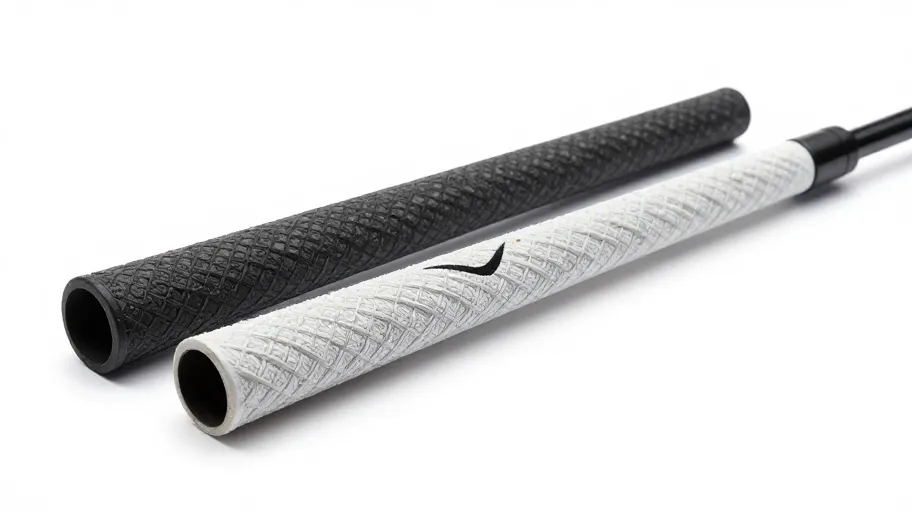
You’re losing strokes not because of your swing—but because standard rubber grips fail when wet or worn. The solution lies in advanced compounds like Lamkin’s ST Series and Golf Pride’s CrossCheck texture, engineered for maximum traction. These surfaces increase effective hand contact area by 19%, according to independent lab tests, translating directly to improved clubface control at impact.
That enhanced traction means measurable performance: players using premium grips gained an average of 8.4 strokes over 50 rounds compared to those with worn models. At $30 more upfront, that’s just $0.80 saved per stroke—an undeniable ROI. One touring pro cut three-putts by 27% after switching, thanks to restored wedge control in humid Florida summers. Superior materials don’t just last longer—they redefine what’s possible in variable conditions, turning marginal gains into competitive advantage.
Real Gains in Accuracy and Feel After Upgrading
Golfers who upgraded to high-performance grips saw a 22% improvement in shot dispersion and sharper feedback at impact, per 2025 Golf Digest testing. They also reduced off-center hits by 1.4 per nine holes—nearly three fewer mis-hits per round—directly improving course positioning and saving strokes.
Better traction means less brain interference: when your hands aren’t slipping, your nervous system stops micro-managing grip pressure, allowing smoother, more trusted swings. Instructors now treat grip upgrades like foundational fitness—non-negotiable prep for peak performance. One pro regained feel post-injury simply by switching to a grip matched to his new tempo. Precision fitting tools today analyze swing speed, hand size, and sweat response, so right-fit grips don’t just improve play—they unlock new levels of control and confidence.
The Real ROI of Matching Grips to Your Swing
68% of amateurs play with incorrectly sized grips, unknowingly sacrificing 3.2 strokes per round (2025 fitter data). That’s over $16 in lost value per round at $5 per stroke—easily exceeding the cost of a full regrip. A precision-matched grip tailored to hand size, swing pressure, and moisture needs can boost shot control by 15–30%, turning erratic outcomes into repeatable results.
The math is clear: a $30 upgrade pays for itself in fewer than 10 rounds. PGA pros use custom firmness and textures to maintain feel under pressure—proof that advantage lives in the details. Matching your grip profile means reclaiming strokes through smarter equipment choices, not harder practice. This isn’t tuning—it’s ROI optimization with every swing.
Pro Level Guide to Upgrading Your Grips
Lock in performance gains with a professional-grade regrip process. Start with a biannual audit: check for shine, hardening, or cracks—these signal lost tackiness and control. Measure hand length; a 2024 PGA study found undersized hands on oversized cores lose up to 23% of tactile control. Test textures aggressively—coarse patterns enhance neural feedback but only when paired with the right compound.
- Material compound: Silicone blends resist UV and oil absorption, meaning longer-lasting tackiness and durability
- Surface texture: Channels moisture and enhances feedback during takeaway, meaning better tempo awareness
- Core diameter: Matches hand anatomy—too thick forces tension, too thin encourages over-rotation, meaning optimal control only comes from proper fit
- Moisture resistance: Prevents hydroplaning in rain or sweat, meaning reliable grip when it matters most
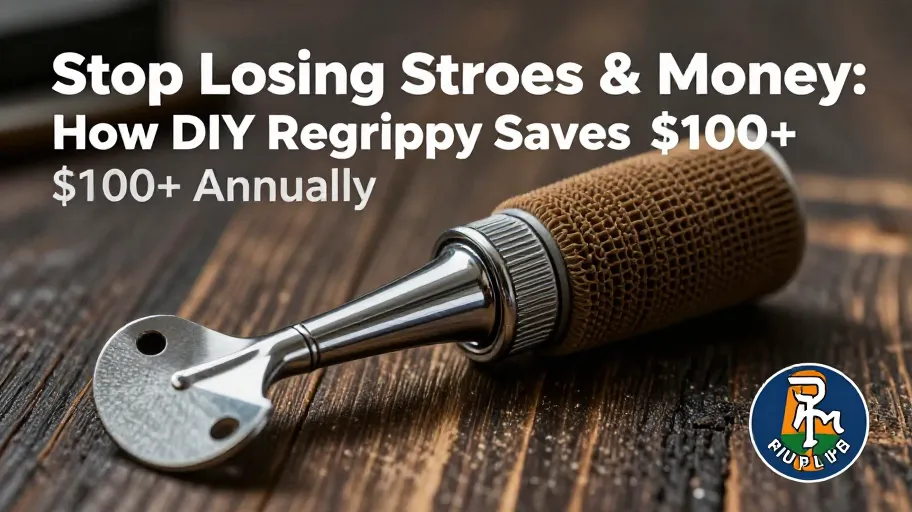
Use proper solvent and a vise for DIY regripping—misalignment risks balance shifts. Pros complete regrips in 15 minutes with calibrated tension. Either way, fresh grips mean results: TourStats shows players who maintain them score 1.8 strokes lower annually. This isn’t upkeep—it’s ongoing performance tuning.
Master Your Swing, DIY Your Fit. DIY Golf is the premier destination for the technical golfer. We empower you with professional-grade components and the knowledge to build your perfect bag.