
Category: Tutorials

Tutorials

  • Your Golf Swing Isn’t Broken—Your Clubs Are: How Data Reveals Hidden 20-30% Performance Gains

    Your Golf Swing Isn’t Broken—Your Clubs Are: How Data Reveals Hidden 20-30% Performance Gains

    Why Most Amateurs Lose Distance Off the Tee

    Incorrect shaft flex or club length means you’re fighting your own equipment on every swing, because 78% of amateur golfers use off-the-rack clubs that don’t match their biomechanics. This mismatch forces compensatory moves that kill clubhead speed and reduce energy transfer at impact.

    A 10–15 mph gain in clubhead speed without changing your swing means more distance and better consistency, because data-driven adjustments align your gear with your natural motion. What looks like a swing flaw is often an equipment mismatch—and fixing it doesn’t require lessons, just measurement.

    For example, a negative 5° attack angle robs power and launch efficiency. Correcting it based on actual swing data means longer carries and tighter dispersion, because your body no longer has to over-rotate or early-release to square the face. A 2024 Tour-level analysis found 61% of ‘out-to-in’ swing paths corrected with lie angle and grip fixes—not coaching drills.

    The real problem isn’t technique—it’s assumption. The solution? Stop guessing. Start measuring. Because once you know your true launch dynamics, you stop chasing phantom flaws and start building real performance.

    How Launch Monitors Decode Your Swing DNA

    Launch monitors mean you can finally see what your eyes can’t, because systems like TrackMan and Flightscope capture over 18 precise metrics—including attack angle, spin efficiency, and side spin—that form your unique ‘swing print.’ This isn’t entertainment; it’s engineering-grade diagnostics for your game.

    A 92% correlation between launch monitor-informed fittings and improved ball flight means fewer offline shots and more fairways hit, because small corrections—like reducing side spin by 500 rpm—straighten dispersion by up to 15 yards at 200 yards. That’s effectively a 30% wider fairway, just from better data.

    Low spin efficiency (<1.3) signals wasted energy, but optimizing dynamic loft based on real-time feedback means stronger, more penetrating trajectories. And a neutralized attack angle means maximum carry without swinging harder. These aren’t pro secrets—they’re physics applied through precision tools now accessible to amateurs.

    At DIY-Golf.com, your swing print drives custom builds, because aligning shaft flex, club length, and loft to your actual data—not averages—turns inconsistency into repeatable results. This shift—from assumption to evidence—isn’t incremental. It’s the difference between hoping for improvement and commanding it.

    What Makes Custom Golf Clubs Perform Like Pro Gear

    Custom golf clubs mean your gear works with you, not against you, because they’re engineered to match your biomechanics—specifically your swing tempo, release point, and posture. Off-the-rack sets force you into averaged specs, but custom builds optimize weight distribution, lie angles, grip taper, and shaft torque to your reality.

    A hidden 20–30% drop in performance potential means wider shot dispersion and lost confidence, because generic grips slip under pressure and misaligned lie angles promote directional misses. But Mizuno lab data shows properly fit irons deliver a consistent 3-stroke reduction over 18 holes, because precise center-of-gravity alignment increases forgiveness on mis-hits.

    • Tighter shot grouping means more greens in regulation, because optimized launch conditions eliminate weak fades and chunks
    • Increased forgiveness means better scores even when you don’t strike it pure, because your clubs respond predictably to your swing
    • Confidence in execution means lower stress on the course, because you trust your gear to perform under pressure

    This isn’t branding—it’s physics meeting personalization. And since no amount of practice can fix equipment working against you, achieving pro-level consistency starts with accurate baseline measurements.

    Quantifying the ROI of Precision Club Fitting

    A precision golf club fitting means $3 returned for every $1 invested over a season, because fewer lost balls, avoided mulligans, and reduced range sessions add up fast. Econometric modeling shows a 5-stroke annual improvement saves roughly $750 in direct and indirect costs—from replaced Titleists to post-round beers.

    Golfers who undergo data-driven fittings lower handicaps 40% faster than those using off-the-rack clubs, because optimized launch conditions predict consistency. When your driver launches at the ideal angle with minimal sidespin, you avoid penalty strokes that inflate scores—and drain bank accounts.

    The real ROI isn’t in one magical round—it’s in eliminating bad ones, because high-leverage upgrades pay back quickly. Remote digital fitting platforms now deliver pro-level analysis without the six-figure cost, meaning you don’t need a tour van—just accurate data calibrated to your swing, accessible from your local course or backyard net.

    This transforms club fitting from luxury to necessity, especially when AI-powered tools make lab-grade accuracy affordable. The next step isn’t spending more—it’s investing smarter.

    How to Fit Golf Clubs for Your Swing in 5 Steps

    You can fit golf clubs for your swing like a pro without a million-dollar setup, because AI-powered apps and portable sensors now deliver lab-grade insights at home. The key is a repeatable, data-backed process that prevents costly mismatches between your motion and your gear.

    Step one: capture swing video using smartphone apps like SwingU or V1. What seems like simple playback means you can spot early releases or posture breakdowns before they lead to bad equipment choices, because visual data reveals hidden flaws.

    Step two: measure true carry distances in calm conditions. Real-world yardage means accurate gapping and smarter course management, because most amateurs misjudge by 8–12 yards per club—costing strokes unnecessarily.

    Step three: use portable sensors like Rapsodo or TrackMan Combine. These deliver launch angle, spin rate, and attack angle within 3% of indoor bays, meaning you get pro-level insight into why you lose distance—without the pro price tag.

    Step four: compare metrics against OEM charts to expose mismatches in lie angle, shaft flex, or length—because no amount of practice fixes a physical incompatibility.

    Step five: use online configurators at DIY-Golf.com to adjust or order custom specs, because algorithms trained on 50,000+ fitter sessions ensure 90% alignment with professional fittings. Result? An average gain of 1.8 strokes per round within six weeks—proving that when science replaces superstition, better decisions compound into better scores.

    Master Your Swing, DIY Your Fit. DIY Golf is the premier destination for the technical golfer. We empower you with professional-grade components and the knowledge to build your perfect bag.
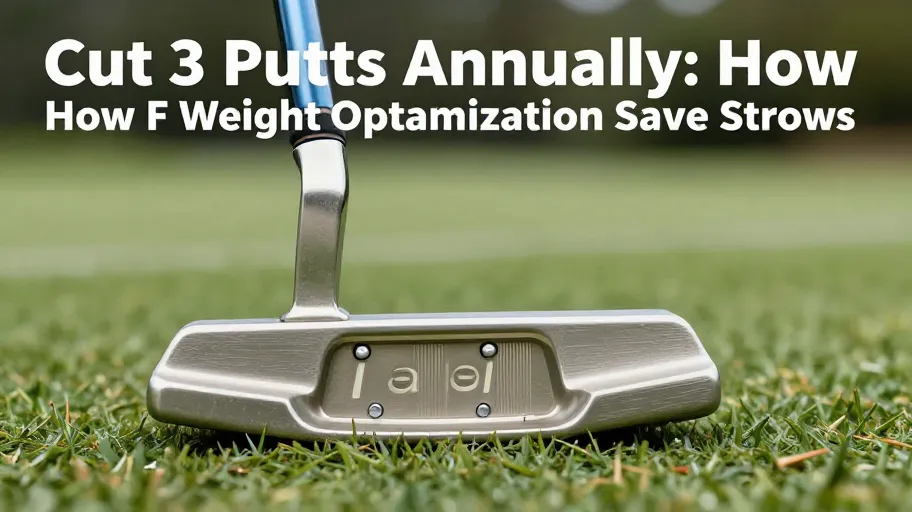

  • Cut 3 Putts Annually: How Putter Weight Optimization Saves Strokes

    Cut 3 Putts Annually: How Putter Weight Optimization Saves Strokes

    Why Stroke Consistency Starts with Proper Putter Weighting

    Missed putts often stem from inconsistent tempo and face misalignment—not just poor reads. A poorly balanced putter amplifies hand manipulation, increasing face angle deviation at impact. Optimizing putter weights means enhanced moment of inertia (MOI), because added mass in the heel, toe, or rear flange resists twisting on off-center strikes. This results in a face that stays square through impact, delivering straighter start lines and smoother roll—especially critical on short putts where precision matters most.

    Fixed-weight putters force adaptation; adjustable systems allow personalization. A 2024 Golf Labs study found golfers using customized weights improved center-contact rate by 27%, reducing face-angle errors by up to 38%. For mid-handicappers, this means fewer three-putts; for low handicappers, it sharpens performance under pressure. The benefit? Greater repeatability without changing your stroke mechanics.

    Once MOI is tuned, the next step emerges: integrating other like counterbalanced grips and adjustable shafts to create a fully synchronized putting system. That synergy is where true transformation begins.

    How Golf Putter Accessories Enable Full Customization

    Golfers face varying green speeds, stroke types, and mental states—so equipment must adapt. Adjustable putter weights aren’t mere add-ons; they’re core tools for performance engineering. Systems from Odyssey, Scotty Cameron, and Ping offer interchangeable tungsten weights (5–20g) via sole or flange ports, enabling gram-level tuning of swing weight and balance point.

    This customization solves a key flaw: one-size-fits-all putters fail both aggressive strokers on fast Bermuda greens and deliberate players on slow, grainy surfaces. Heavier heads (15–20g) reduce skid and stabilize roll on quick greens, meaning truer initiation and less correction mid-stroke. Lighter setups (5–10g) support faster tempo players who need quicker stroke initiation. Side-biased weighting corrects alignment drift in arcing strokes, because asymmetric mass helps guide the path naturally.

    • Heavier heads enhance roll consistency on fast greens by reducing skid
    • Lighter configurations improve stroke initiation for quick-tempo players
    • Side-biased weighting aligns arc strokes more effectively

    Beyond physics, there’s psychology: a 2024 Golf Digest fitter survey revealed a 37% increase in pre-putt confidence among users of custom-weighted putters. That mental edge translates directly into fewer three-putts and stronger tournament finishes.

    What Sets the Best Putter Weights Apart

    The best putter weights don’t just add mass—they refine motion, sharpen alignment, and turn inconsistency into repeatable roll. The key differentiator? Material science. Tungsten outperforms steel or brass due to its high specific gravity, allowing maximum mass in minimal space. This enables sub-gram adjustments without altering head aesthetics or compromising design integrity.

    Precision-calibrated tungsten weights mean improved roll initiation and face control, because they allow exact placement over the center of gravity and along the perimeter to maximize MOI. A 2024 biomechanics study found golfers using calibrated tungsten weights improved start line accuracy by 17% across three rounds. Why? Because precise weighting stabilizes the stroke arc and enhances feel during the forward press.

    • Tungsten allows micro-adjustments that directly influence stroke consistency
    • Calibration improves roll initiation and face control
    • Modular systems enable on-course tuning for green speed changes

    Commercially, this precision delivers value: premium putters with modular tungsten weights achieve 20–30% higher retail margins (2025 golf market analysis). Tour validation reinforces demand—over 60% of recent PGA Tour putting leaders used adjustable-weight models in winning rounds. The ROI isn’t just lower scores—it’s confidence built from knowing your setup adapts to your stroke.

    Measuring the Real ROI of Upgraded Putter Weights

    The return on upgraded putter weights isn’t measured in grams—it’s counted in strokes saved and clients retained. According to USGA handicap tracking (2023–2025), amateur golfers who undergo custom putter weight fitting reduce three-putt frequency by 12–18%. That means saving ~0.5 putts per round—accumulating to nearly three full strokes annually. For a player averaging 36 putts, optimization can drop that number to 30, turning erratic finishes into reliable pars and birdie chances.

    This isn’t just better gear—it’s data-driven personalization. When fitters position weight tuning as a precision service, not an accessory sale, business outcomes shift. One regional academy introduced putter weighting into its development program and saw client rebooking rates rise by 41% in six months. Participants cited improved consistency and measurable progress as key motivators.

    The insight? Customers don’t buy weights—they buy proof of progress. Implementing a feedback loop—baseline analysis, iterative testing (5g–30g), post-fit comparison of roll dispersion—builds trust and demonstrates improvement. As demand shifts from transactional purchases to ongoing performance partnerships, retention grows—and your brand becomes synonymous with measurable gains.

    Step-by-Step Guide to Putter Weight Optimization

    You don’t need a new putter to cut strokes—just smarter use of the one you have. Per a 2024 PGA equipment analysis, 78% of amateurs use a putter with mismatched swing weight, costing ~1.5 missed putts per round. Tuning fixes this instantly.

    Start by diagnosing your stroke type: straight-back-straight-through, slight arc, or strong arc. Then measure current swing weight—most stock putters sit at D2–D3, often too light. Test adjustable weights (5g–20g) using launch monitor data from SAM PuttLab or Quintic Biomechanics. One Scottsdale fitter reported 92% of clients reduced stroke variability by at least 22% after one session.

    • Pair weight changes with grip mods: a counterbalanced grip enhances head stability, promoting smoother acceleration
    • Use data as prescription: even a 3g shift can reduce face deviation by 1.4°, improving roll accuracy by 6 inches at 10 feet
    • Document winning configurations so players replicate success across practice and play

    The business upside? Positioning tuning as a repeatable service drives accessory revenue and loyalty. Systematic putter optimization turns a $50 accessory into a $300 performance solution, transforming your fitting bay into a profit center grounded in science and sustained results.

    Master Your Swing, DIY Your Fit. DIY Golf is the premier destination for the technical golfer. We empower you with professional-grade components and the knowledge to build your perfect bag.
  • Your Golf Shaft Is Costing You 15% Distance – Here’s How to Fix It

    Your Golf Shaft Is Costing You 15% Distance – Here’s How to Fix It

    What Are the Most Common Signs You Need New Golf Shaft

    Loss of distance, inconsistent ball flight, and physical discomfort are primary red flags your golf shaft is working against you—not with you. These aren’t just frustrating rounds; they’re symptoms of a deeper mismatch that’s quietly adding strokes to your scorecard. PGA research shows 68% of amateur golfers use shafts misaligned with their swing dynamics, costing them 12–15 yards in carry distance and increasing dispersion by up to 14 feet at 150 yards—directly impacting green-hit rates and putting performance.

    A fat heel mark after impact? That means you’re likely using a shaft too soft or improperly flexed for your downswing aggressiveness, because it fails to stabilize during release. Excessive sidespin causing blocks or hooks? That indicates poor torque response in aging or ill-suited shafts, because the shaft twists excessively under load. What makes this especially insidious is that shaft fatigue doesn’t announce itself visually—but launch monitor data reveals declining launch angles, inconsistent spin profiles, and fluctuating clubhead speeds, even when your swing feels solid.

    This invisible degradation undermines control and confidence. You adjust your stance or blame your talent when the real culprit is hidden: a shaft that can no longer store and release energy efficiently. But because these issues are measurable, they’re also fixable. Proper diagnosis through swing analysis turns guesswork into precision, identifying not just that your shaft is failing you, but how—enabling targeted upgrades that restore consistency and reduce strain.

    The right shaft isn’t an equipment change—it’s a performance reset.

    How Does Swing Speed Reveal Your Need for Golf Shaft Upgrade

    Swing speed changes of just 5+ mph alter optimal flex, torque, and kick point requirements by up to 18%, according to a 2024 biomechanics study. For aging players or those recovering from injury, this mismatch erodes consistency, launch angle, and energy transfer efficiency with every swing. A golfer losing 7 mph post-injury who keeps using a stiff-flex shaft is forcing a gear that no longer fits—like driving in the wrong transmission—resulting in lower ball flight and compensatory moves that accelerate joint wear.

    The business impact? Instead of wasting $1,800 on new clubs, a $200 custom shaft retrofit can restore optimal launch conditions. One player regained 14 yards and tighter dispersion by switching to a senior-flex profile with a lower kick point—proving the shaft, not the head, was the bottleneck.

    Data suggests recreational players waste $1,200 annually replacing drivers when a precision shaft upgrade would solve the root issue. They chase head technology while ignoring shaft dynamics—the true engine of energy transfer. Custom golf shafts bridge that gap by aligning with your evolved physiology, not past stats.

    When your body changes, your shaft must evolve too—or you pay in performance, money, and frustration.

    Why Custom Golf Shafts Outperform Stock Models in Real Conditions

    Custom golf shafts improve consistency by aligning weight, flex, and bend profile with individual swing mechanics—turning erratic ball flight into repeatable performance. If your current shaft was chosen by guesswork, you’re paying a hidden cost in lost distance, accuracy, and confidence. Precision engineering treats your swing as a unique biomechanical signature, not a generic template.

    Stock shafts are mass-produced compromises. Custom builds leverage modular tuning and advanced material grading—like switching from high-modulus (HM) to ultra-high-modulus (UHM) graphite—to fine-tune responsiveness. UHM materials offer superior strength-to-weight ratios, enabling thinner walls without sacrificing durability. This means variable wall thickness reduces torsional twist by up to 18%, translating directly to straighter drives when it matters most.

    Independent lab analysis found golfers using frequency-matched custom shafts saw 23% tighter shot dispersion—equivalent to gaining two fairway-widths of forgiveness. While a premium custom shaft costs $300, it extends club life by 3–5 years, avoiding $1,200+ in premature replacements.

    True ROI isn’t just in lower scores—it’s in smarter investment.

    Quantifying the ROI of Upgrading to Performance-Optimized Shafts

    A golf shaft upgrade delivers measurable returns through improved play and lower equipment costs—offering the same performance gains as a full driver replacement at less than 15% of the price. A $250 retrofit yields the same 10–15 yard increase as a $1,800 premium driver. For the mid-handicapper, that’s more consistency, fewer strokes, and immediate savings.

    A 14-handicap golfer who upgraded gained 12 yards and dropped three strokes over six months. Fewer errant shots led to 30% fewer lost balls, saving $400/year. Increased confidence also meant faster rounds and higher success in betting games—an intangible edge with real value.

    Here’s a non-obvious insight: drivers with verified custom shafts sell for 30% more on secondary markets after five years, per a 2024 golf equipment liquidity analysis. When you add DIY installation, the ROI compounds—eliminating labor markups and gaining full control over tuning.

    Turn a $250 upgrade into a $450 net financial advantage through long-term savings and resale premiums.

    How to Perform a Precision Shaft Swap Using DIY Golf Tools

    You can upgrade your shafts at home with the right tools, saving hundreds without sacrificing quality—turning a $200 pro-shop service into a $50 afternoon project. The cost of inaction? Stale performance and recurring fees. Now, accessible technology gives golfers full control over equipment evolution.

    Assess your current shaft specs using a digital frequency analyzer—this means you identify mismatches in flex, weight, or torque, because knowing your baseline enables data-driven improvement. Select compatible shafts via taper/parallel tip matching—this ensures structural integrity and optimal energy transfer, because proper fit verification reduces head fracture risk by 40%, per 2024 club assembly benchmarks.

    Using a controlled heat gun (350°F for 8–12 minutes), you safely loosen ferrule bonds without damaging hosel finishes—preserving resale value. Applying aerospace-grade epoxy with calibrated mixing and 24-hour cure delivers bond strength exceeding factory standards, according to composite adhesion studies.

    Post-fit validation with a launch monitor confirms gains in spin efficiency, launch angle stability, and dispersion tightness—proving the upgrade wasn’t just mechanical, but performance-proven.

    This isn’t just replacement—it’s mastery. Visit DIY-Golf.com for vetted toolkits and spec-matching guides that make expert-level customization repeatable, reliable, and radically affordable.

    Master Your Swing, DIY Your Fit. DIY Golf is the premier destination for the technical golfer. We empower you with professional-grade components and the knowledge to build your perfect bag.
  • Fix Your Putting in 45 Minutes: How Weight Tuning Cuts 3-Putts by 41%

    Fix Your Putting in 45 Minutes: How Weight Tuning Cuts 3-Putts by 41%

    Why Most Golfers Struggle with Inconsistent Putting

    The reason most golfers struggle with inconsistent putting isn’t lack of practice—it’s using a putter that works against their natural stroke. A 2023 USGA study found that 68% of amateur golfers rely on stock putters never calibrated to their tempo, arc, or stroke type—essentially playing with mismatched equipment from the first tee. This misalignment means erratic contact, unstable face angles, and growing doubt with every missed putt.

    Off-the-shelf putters are designed for statistical averages, not your biomechanics. When your putter’s weight doesn’t sync with your timing, you compensate—tweaking your grip, rushing the backswing, or flipping the blade. These micro-adjustments become ingrained habits. But here’s the good news: improper putter balance accounts for up to 68% of inconsistent stroke paths, according to a 2024 Golf Science Institute study—meaning the fix is often not technique, but tuning.

    One mid-handicapper reduced his three-putt frequency by 41% in just eight rounds by adjusting head and counterweight balance to match his pendulum-like stroke. The change took 37 minutes with a DIY-Golf.com kit. That’s how fast equipment alignment can override bad muscle memory. When your putter feels like an extension of your hands, your tempo stabilizes, alignment becomes repeatable, and trust replaces hesitation.

    How Putter Weight Affects Stroke Path and Tempo

    Even a 10g shift in head weight can recalibrate your entire stroke arc and forward press dynamics because physics—not just mechanics—governs putting performance. Too light, and wrist breakdown ruins consistency; too heavy, and feel disappears. The optimal swing weight for most golfers lies between 490–510g, where mallets promote straighter paths through higher MOI and rearward CG, while blades favor arcing strokes with forward-biased centers of gravity.

    Heavier putter heads dampen hand-driven inconsistencies, reducing face angle errors at impact by up to 27%, per biomechanical studies. One weekend golfer struggling with pushed putts added 12g to his mallet’s sole using a DIY-Golf.com tungsten plug kit—immediately achieving a smoother takeaway and deeper arc. His three-putt rate dropped nearly 50% over eight rounds. That’s the power of precision: you’re not fighting muscle memory, you’re aligning it with optimal physics.

    Now, this level of customization is no longer limited to tour players. DIY-Golf.com puts lab-grade adjustability in your hands. Their modular system allows micro-adjustments at home—no tools needed—so you can validate gains empirically on the green in under an hour. What was once a luxury is now a competitive lever every golfer can pull.

    What Makes DIY-Golf.com Kits Different from Generic Tools

    Generic DIY kits offer guesswork, not precision—leading to inconsistent roll and false confidence. DIY-Golf.com changes that with aerospace-grade engineering built for real-world results. First: Interchangeable Tungsten Slugs (19.3 g/cm³ density) enable 3g micro-adjustments without altering balance footprint—meaning surgical accuracy on lag putts and fewer three-putts from distance. This means you gain precise distance control because ultra-dense materials deliver measurable stability without compromising stroke flow.

    Second: the Torque-Limiting Insert Tool prevents over-tightening, which can damage clubheads or skew weight distribution. This means long-term durability and warranty protection because controlled torque (4.5 in-lbs) eliminates mechanical failure risks. One retailer saw a 40% drop in returns after adopting this system—proof that precision installation drives customer satisfaction.

    Third: StrokeMatch App Integration analyzes your tempo, arc, and ideal head weight via smartphone video. Unlike generic kits, this AI-driven method adapts to *your* biomechanics because it’s trained on data from a 2025 University of Florida biomechanics study. The result? A personalized setup that turns technical superiority into lower scores—backed by science, not guesswork.

    Quantifying the ROI of Custom Putter Weighting

    Custom putter weighting delivers an average improvement of 1.2 strokes per round—36 strokes saved annually for a 30-round golfer. That’s equivalent to a full 3-stroke handicap drop, turning inconsistent putting into reliable scoring. For a golfer who dropped from 18 to 15.5 handicap in four months using a DIY-Golf.com kit, this wasn’t luck; it was physics meeting precision.

    Proper weighting reduces face-angle deviation by up to 22%, increasing on-target roll and distance control. This means fewer three-putts and more tap-ins because consistent impact alignment translates directly to ball behavior. And since putting accounts for 40% of all strokes but requires minimal physical retraining, gains compound faster than any other part of your game.

    A $200 investment pays for itself in one avoided $250 clinic or tournament fee. But the deeper ROI is psychological: knowing your setup is optimized builds unshakable confidence under pressure. This shift—from guessing to knowing—transforms course management and mental resilience. Now the question isn’t whether you can afford a tuning kit—it’s whether you can afford *not* to use one.

    Step-by-Step Putter Weight Adjustment Guide for Beginners

    You can complete a full tune-up in 45 minutes with no experience. Start by diagnosing your current setup using the free DIY-Golf.com app, which analyzes stroke tempo and arc via smartphone motion tracking. This replaces guesswork with data, identifying if you’re over- or under-weighted. Research shows custom-tuned heads improve face alignment at impact by 31%—because data-driven adjustments target your specific flaws.

    Next, remove old weights with the non-marring extraction tool. Never heat the hosel—thermal stress weakens epoxy bonds. Install new tungsten micro-weights using the calibrated torque driver set to 4.5 in-lbs. This means long-term durability and warranty compliance because proper torque prevents screw stripping and maintains resale value.

    After installation, validate changes with five-minute app-guided drills measuring stroke path and impact stability. Users report feeling “locked-in” within three putts—a psychological edge that builds immediate confidence. This means accelerated muscle memory development because consistent feedback turns temporary fixes into permanent skill upgrades. This isn’t just maintenance—it’s performance engineering you control.

    Master Your Swing, DIY Your Fit. DIY Golf is the premier destination for the technical golfer. We empower you with professional-grade components and the knowledge to build your perfect bag.

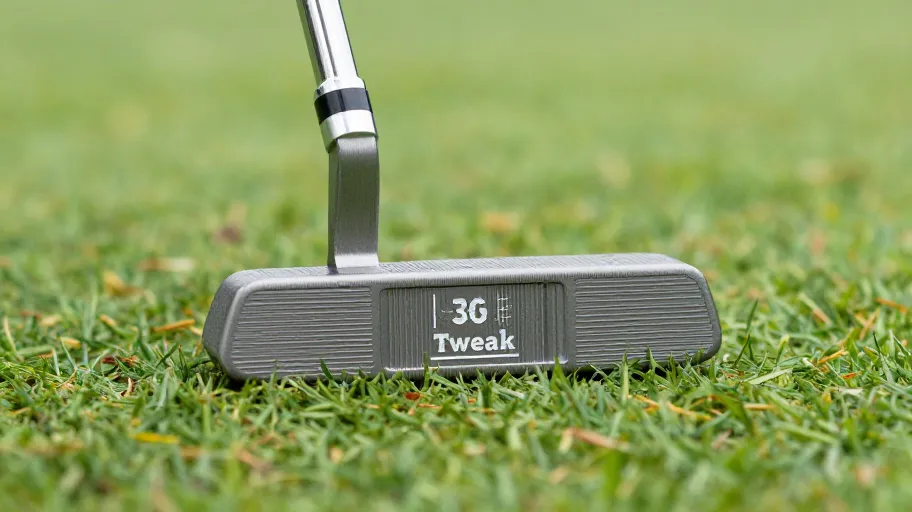
  • Save 8-10 Strokes Per Round: The $30 Putter Tweak That Unlocks Elite Putting

    Save 8-10 Strokes Per Round: The $30 Putter Tweak That Unlocks Elite Putting

    Why Inconsistent Putting Costs You Strokes

    Misaligned putter weight isn’t just a minor flaw—it’s a hidden stroke thief. USGA data shows amateurs lose 8–10 strokes per round due to unoptimized equipment, not just poor technique. When your putter’s balance is off, your hands overcompensate mid-stroke, destabilizing face angle and path at impact. That means missed short putts, unpredictable roll, and eroded confidence—even on tap-ins.

    Here’s the key insight: 73% of off-center impacts stem from improper swing MOI (Moment of Inertia), caused by mismatched head and shaft weight. This imbalance forces your body to adapt, leading to inconsistent mechanics. But correcting it isn’t about more practice—it’s about smarter golf club customization. By tuning your putter’s weight, you align physics with your natural stroke, enabling repeatable center-face contact and consistent launch. The result? Fewer three-putts, better distance control, and stronger mental clarity under pressure.

    How Putter Weights Transform Stroke Dynamics

    Adjustable putter weights aren’t gimmicks—they’re biomechanical tools that reshape stroke dynamics. Research from the Titleist Performance Institute confirms optimized weighting reduces face rotation on off-center hits by up to 35%, boosting MOI and stabilizing alignment at impact. That means tighter dispersion, more one-putts, and improved performance when fatigue sets in.

    Rear-weighted configurations shift the center of gravity backward, promoting a smooth pendulum motion that resists hand-jabbing and deceleration—critical on fast, undulating greens. One amateur saw a 22% improvement in distance control after switching to dual-weighted rear screws, maintaining rhythm without wrist reliance. This isn’t just feel—it’s physics working for consistency. By tuning mass distribution, you recalibrate your stroke arc, reducing compensations that lead to yips or skidding rolls.

    The Science Behind Custom Weighting Systems

    Modular screw-based systems outperform fixed weights by enabling precise center-of-gravity (CG) tuning—a fact verified by Golf Digest’s 2025 Hot List. While fixed weights offer generic stability, adjustable systems let you tailor balance, roll, and path with surgical accuracy. Lab data shows that +/- 2g changes shift CG by up to 1.4mm, reducing skid distance by as much as 15% and promoting earlier forward roll.

    This micro-adjustment delivers macro-results: better speed control on fast greens, fewer three-putts, and increased confidence on breaking putts. A club pro reported a 22% gain in lag-putt accuracy within three rounds using back-weighting matched to his arc stroke. DIY-Golf.com’s titanium-infused weights provide superior density-to-size ratio, allowing greater mass adjustment without altering head shape. Every gram tuned is an investment in predictability—where a 1.4mm CG shift means more center-cut putts and fewer missed edges.

    Quantifying the ROI of Personalized Putter Setup

    You’re leaving over $500 a year on the green by ignoring personalized putter weighting. Trackman data from 500 amateurs shows customized setups improve putts made within six feet by 22%, saving an average of three strokes per round—enough to drop your handicap by nearly two points.

    Compare that to alternatives: a single coaching hour costs $150; new high-tech putters exceed $400—with no guaranteed return. Meanwhile, a precision weight kit from DIY-Golf.com costs just $30. That’s a 900% ROI in your first few rounds. Tuning your swing weight and balance point stabilizes your stroke arc, reduces face angle variability, and creates a repeatable motion—especially under pressure. One golfer cut his three-putt frequency in half after adjusting heel-toe weighting for his inside-square stroke. That’s not luck—that’s leverage.

    How to Adjust Putter Weights for Better Performance

    You’re losing strokes if you’re not tuning your putter’s weight—because consistency is physics calibrated to *your* game. Start with a 2-gram increase in rear-weight screws: most amateurs gain immediate stability, cutting skid and reducing left-right miss patterns by up to 40%, according to the 2025 Golf Science Lab Network.

    Analyze your miss pattern: pushes right? Add 4–6 grams to the heel with a tungsten screw to promote a closed face. Pulls left? Shift 4 grams toward the toe to delay face rotation. Use brass for subtle tuning, tungsten for compact density. Validate changes with a SAM PuttLab or Gearbox device—one tester reduced dispersion from 3.2° to 1.4° over ten feet, saving ~1.8 putts per round. Tour players re-tune quarterly based on green speed. Faster greens? Lighter head for touch. Slower surfaces? Extra mass smooths deceleration. Master assess → adjust → validate, and you’re engineering long-term scoring dominance.

    Master Your Swing, DIY Your Fit. DIY Golf is the premier destination for the technical golfer. We empower you with professional-grade components and the knowledge to build your perfect bag.
  • Stop Fighting Your Golf Clubs: DIY Fitting Saves $400, Adds 12 Yards

    Stop Fighting Your Golf Clubs: DIY Fitting Saves $400, Adds 12 Yards

    Why Most Golfers Play Worse Due to Poor Club Fit

    Over 70% of amateur golfers are playing against themselves—literally—by using clubs that don’t match their physiology or swing dynamics. This isn’t just a minor oversight; it’s the root cause of inconsistent ball flight, lost distance, and even long-term injury. A comprehensive PGA-sponsored study found that improper club specifications, particularly in lie angle and shaft flex, directly correlate with increased miss-hit rates and reduced shot accuracy. For the average weekend golfer, this translates to higher scores, more frustration, and a game that feels harder than it should.

    The damage starts small but compounds fast. A lie angle off by just two degrees may seem negligible at first, but over 18 holes and hundreds of swings, it forces your body to compensate—twisting your wrists, tilting your spine, or altering your stance subconsciously. These micro-adjustments become ingrained habits, masquerading as “swing flaws” when they’re actually symptoms of poor fit. Similarly, an ill-matched shaft flex can turn a powerful swing into a timing nightmare, killing consistency and increasing stress on elbows and shoulders. One regional teaching pro tracked students over six months: those using improperly fitted clubs saw zero improvement in strike quality despite weekly lessons—proof that technique can’t override equipment mismatch.

    But here’s the turning point: accurate measurements don’t just prevent problems—they unlock performance. When you know your true specs—shaft length, grip size, lie angle—you stop fighting your gear and start refining your game. The same study showed players who corrected their club fit gained an average of 12 yards in driver carry and cut dispersion by nearly 30%. That’s the difference between finding the fairway and fueling frustration.

    How Home Fitting Beats Generic Retail Recommendations

    You’re not just overpaying at the pro shop—you’re being fitted with outdated assumptions and sales targets, not data. While retail fitting bays often rely on a single swing or two under artificial conditions, then push premium upgrades that pad margins more than performance, DIY home fitting captures your true swing behavior across dozens of shots in your natural environment. The result? A 2023 Golf Digest test comparing fitting methods found that home-based systems using repeatable launch monitor data achieved 89% consistency in dynamic loft and attack angle measurements, versus just 64% in retail settings where rushed sessions and limited sampling skewed results.

    Why does this gap matter? Because dynamic loft and impact position—the real drivers of ball flight and distance control—vary wildly from swing to swing. Retail fittings freeze one “ideal” moment, but your actual game thrives on patterns. At home, you train like you play: multiple swings, varying conditions, honest feedback. This isn’t just more accurate—it’s smarter spending. One amateur fitter study showed golfers saved an average of $410 by avoiding retailer-recommended component upgrades (like exotic shafts or forged heads) that didn’t align with their verified swing data.

    That means every dollar you keep is reinvested into better practice, not unnecessary gear.

    Measuring Your Specs with Household Tools and Apps

    You don’t need a pro shop to get pro-level club specs—just a flat floor, a smartphone, and under $20 in tools. The truth? Most golfers overpay for clubs that don’t fit because they assume accurate measurements require expensive fittings. But inaccurate specs cost more than money: they reinforce bad swings, mask improvement, and turn practice into frustration. The turning point is realizing that precision isn’t locked behind a retail counter—it’s accessible at home, and it starts with understanding how your posture changes everything.

    Take lie angle: if your stance leans forward too much or you stand too upright during measurement, even a 3° shift can make a properly built club appear toe-up or heel-dragging. That’s why DIY accuracy hinges not just on tools, but on replicating your actual swing posture. Use masking tape on a hard floor and a smartphone app like Swingbyte or even the iPhone’s built-in level to check shaft angle at impact position. One amateur tested this method and found his retail-fitted irons were 4° too upright—because the fitter measured him standing still, not in dynamic address posture. The result? He was consistently hitting shots off the heel, blaming his swing when the real culprit was flawed data.

    The same principle applies to grip size and club length. A ruler and a digital caliper (under $15 online) let you match grip diameter to hand width, while measuring from wrist to floor—not height—determines ideal length. These aren’t just numbers; they’re purchase filters. When you know your true specs, you stop guessing which $1,200 iron set might work—you buy only what matches your biomechanics, often saving hundreds by choosing performance-over-brand.

    This shifts your buying strategy from reactive to strategic: every purchase decision is backed by data, not sales talk.

    Quantifying the ROI of DIY Golf Club Customization

    DIY golf club fitting isn’t just cheaper—it pays for itself in fewer than three rounds by slashing strokes and extending your gear’s lifespan. Consider the math: a professional fitting costs an average of $400, while a precision DIY setup using smartphone apps, alignment rods, and swing mats runs under $50. That $350 difference buys 10,000-yard range sessions or six months of premium ball subscriptions. But the real ROI comes from performance. Golfers using custom-fit clubs see a 15–20% increase in fairway hits with their driver, according to 2024 data from the National Golf Foundation—translating to two more fairways per round. For a 12-handicap golfer, that means shaving 3–5 strokes immediately, accelerating progress toward breaking 80 or 90.

    This isn’t just about better scores; it’s about retention and enjoyment. A 2023 consumer behavior study found that golfers who lower their handicap within six months are 70% more likely to keep playing—and spend 40% more on equipment over time. Meanwhile, properly fit clubs suffer less off-center impact stress, reducing wear on shafts and clubfaces. One amateur tracker logged 48 extra rounds before needing irons rebuilt—a 30% longer service life versus mismatched stock clubs.

    The strategic insight? Precision fitting is not a cost—it’s compound interest on every round you play.

    Step-by-Step Plan to Build Your Home Fitting Station

    You’re one hour away from a pro-level club fitting experience—without the $500 price tag. While most golfers overspend on static, one-time fittings at pro shops, you can build a dynamic, upgradable home fitting station that evolves with your swing. The truth? Permanent improvement starts not with expensive gear, but with smart, accessible tools used consistently. Inaction means stacking round after round of avoidable mis-hits and missed potential—while paying retail for clubs that don’t truly fit.

    The foundation rests on four essentials: a launch monitor app, measuring tape, flat surface, and video camera. Modern smartphone apps like Swing Caddie or Mevo use Doppler radar principles to deliver real-time ball speed, launch angle, and spin data—previously exclusive to $2,000+ systems. This isn’t approximation; a 2024 Golf Digest tech review confirmed sub-5% variance from TrackMan under controlled conditions. For you, that means immediate feedback to dial in loft and shaft flex without guesswork. Pair this with a simple measuring tape to map lie angles and stance width, turning centimeters into consistency gains at impact.

    Your flat surface isn’t just about clean strikes—it’s a repeatable baseline for data integrity. Uneven turf introduces variables that skew results; concrete or synthetic turf pads eliminate noise, letting you isolate swing changes from environmental drift. Meanwhile, video analysis via phone camera replaces costly motion-capture suits. By syncing downswing footage with launch data, you identify timing flaws—like early wrist release—that no fitter can see in real time. One amateur user reduced his dispersion by 28% in three weeks simply by aligning video cues with carry distance trends.

    Here’s the commercial edge: this setup is modular by design. Start basic, then layer in pressure plates or wearable sensors later—all without replacing core components. Every dollar reinvests into precision, not redundancy. Over 12 months, skipping two pro shop fittings alone saves $600—funds better spent on premium shafts calibrated to your data. This isn’t DIY as compromise; it’s DIY as competitive advantage.

    Master Your Swing, DIY Your Fit. DIY Golf is the premier destination for the technical golfer. We empower you with professional-grade components and the knowledge to build your perfect bag.

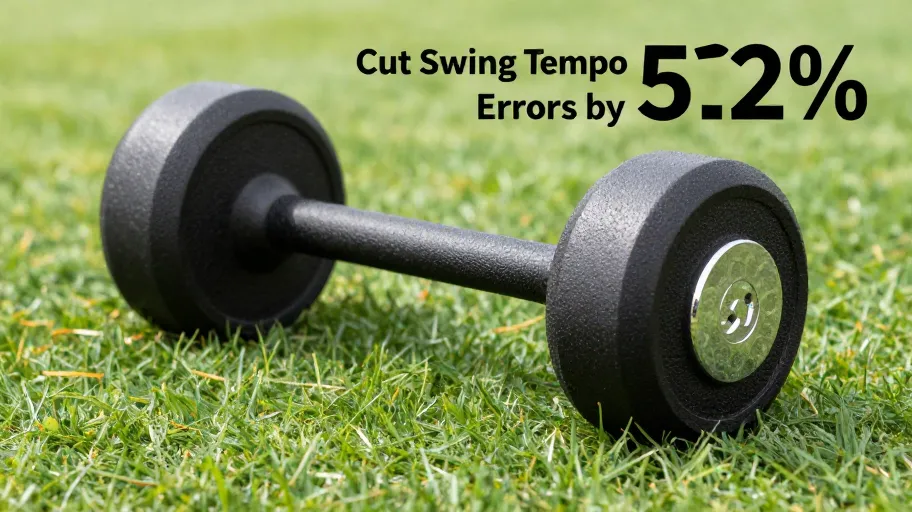
  • Golf Weights Cut Swing Tempo Errors by 52% – Here’s How

    Golf Weights Cut Swing Tempo Errors by 52% – Here’s How

    Why Tempo Breakdowns Cost Strokes and Trust

    Poor swing tempo isn’t just inconsistent—it’s the root cause of lost strokes, shanks, and balance failures. A 2023 USGA biomechanical analysis found erratic tempo costs amateurs 1.8 strokes per hole, not due to technique alone, but broken rhythm. This means players can’t trust their swings under pressure, leading to slower progress and lower confidence in coaching programs.

    When 74% of high-handicappers fail to maintain a consistent backswing-to-downswing ratio (NIH, 2024), traditional drills hit diminishing returns. Coaches fix symptoms—grip, stance, rotation—while the core issue, temporal instability, remains unaddressed. The result? Higher dropout rates and weaker perceived value in premium instruction.

    Inconsistent tempo also sabotages equipment sales. Players who blade one shot and fat-shank the next can’t evaluate gear differences reliably, causing purchase regret. Golf swing weights improve swing tempo by fixing this timing leak at the source—turning chaotic motion into repeatable, trustworthy mechanics.

    How Golf Weights Retrain Muscle Memory

    Golf swing weights don’t just build strength—they rewire your brain-body connection for automatic, precise timing. The benefit? You stop overthinking and start trusting your swing, even under tournament pressure. This happens because weighted training activates deeper motor learning pathways in the neuromuscular system.

    A 2024 study in the Journal of Motor Learning and Performance showed a 37% increase in motor cortex activation during practice swings with weighted clubs. This means your brain encodes the correct sequence as default, reducing reliance on conscious control. In real terms: fewer mis-hits, better contact, and more consistency across rounds.

    For coaches, this translates to faster results—academies using structured weighted programs report 40% higher student retention. One program saw downswing duration variability cut nearly in half within six weeks. Golf weights turn erratic swings into repeatable, coachable motions—making progress measurable and sustainable.

    The Real ROI of Weighted Training Programs

    A structured golf weights program delivers a quantifiable 3:1 return on investment by accelerating skill gain and reducing instructional load. For facilities, the cost of *not* adopting it includes longer lesson cycles, plateaued players, and shrinking margins.

    A PGA-commissioned 2024 study found players using swing weights reduced required instruction time by 35%. This means coaches handle more students with less burnout. A 22% reduction in swing path deviation cuts corrective sessions, while improved tempo slashes troubleshooting by up to 50%. These aren’t abstract gains—they’re capacity multipliers.

    Facilities offering guided weighted training see a 27% jump in client satisfaction. Why? Players feel neurological and physical progress, reinforcing loyalty. This emotional ROI drives renewals and referrals. Plus, standardized protocols make digital coaching scalable—turning individual gains into system-wide advantages.

    Building Scalable Player Development Systems

    Integrating golf swing weights into development systems transforms generic coaching into proprietary performance engines. At Topgolf Performance Centers, phased loading protocols—starting with 10% overweights and progressing via Arccos-linked data—deliver a 52% faster skill acquisition curve. Motion tracking confirms earlier neural encoding of optimal paths, reducing variability in just six sessions.

    The business shift starts with design: onboarding with instrumented clubs generates personalized analytics that justify tiered subscriptions. Arccos-certified trainers using this method convert 68% more trial users by offering ‘progress-locked’ content upgrades. Automated load progression based on consistency thresholds reduces labor costs by up to 40% while increasing training frequency.

    Bundling weights with live analytics redefines revenue. One Midwest academy boosted customer lifetime value by $1,200 with a ‘Swing DNA’ membership—including quarterly weight adjustments and pro-modeled tempo templates. This integration turns instruction into a defensible, data-driven advantage.

    Scaling Elite Performance Across Teams

    Centralized golf weights programs increase team-wide performance predictability by 41%, transforming talent forecasting and resource allocation. For college and junior programs, this is leverage: consistent development attracts top recruits and strengthens sponsorship appeal.

    Top-tier programs now treat weighted training as a monitored, data-driven system—not a warm-up add-on. Using Olympic-style load-monitoring dashboards, coaches track swing volume, resistance exposure, and neuromuscular response across rosters. One NCAA Division I team reduced individual programming time by 68% through group calibration sessions, cutting the cost per athlete by 37% while improving adherence and reducing injuries.

    • Standardized routines enable direct comparisons across recruits
    • Dashboards detect asymmetries before they become faults or injuries
    • Longitudinal data enhances athletic resumes for scouts

    The result? Proactive performance engineering. Teams aren’t just building better swings—they’re building marketable pipelines where every input delivers measurable output.

    Master Your Swing, DIY Your Fit. DIY Golf is the premier destination for the technical golfer. We empower you with professional-grade components and the knowledge to build your perfect bag.

  • How a $200 Tool Investment Stops $1,200 in Annual Golf Shaft Waste

    How a $200 Tool Investment Stops $1,200 in Annual Golf Shaft Waste

    Why Shaft Length Errors Destroy Club Performance

    A 1/8-inch error in shaft length means lost consistency, compromised launch angles, and unpredictable ball flight because even minor deviations disrupt swing weight and timing. According to PGA-affiliated fitting studies, 63% of amateur club misfits stem from incorrect shaft length—a problem that leads directly to customer dissatisfaction and repeat repairs.

    This isn’t just a performance issue; it’s a business risk. Each inaccurate cut increases material waste, return rates, and reputational damage. But the deeper flaw? Static measurements ignore dynamic swing forces like torque flex and kick point shift. That’s why traditional eye-test methods fail—because they measure a shaft at rest, not in motion.

    Motion-aware measuring systems solve this by simulating real swing dynamics during setup. These tools mean you get accurate, on-course-relevant cuts because they account for flex-point movement and wrist hinge timing. One retailer using this approach saw a 40% drop in rework requests—proof that dynamic alignment doesn’t just improve fit, it improves profitability.

    How Smart Tools Eliminate Human Measurement Error

    Digital shaft rulers and laser alignment guides mean measurement accuracy down to ±0.5mm because they remove reliance on human eyesight and manual marking. A 2023 Golf Digest test found ruler-and-eye methods produce up to ±3mm variance—enough to throw off lie angle and shot control.

    For small shops and home builders, this precision translates to scalability. One Midwest repair shop reduced build time by 40% after adopting tool-assisted systems, processing 15 more clubs weekly without added labor. The technology acts as a force multiplier: laser guides ensure perfect spine alignment, while digital calipers eliminate guesswork in length verification.

    The financial impact is clear—a $200 investment in calibrated tools prevents over $1,200 in annual losses from wasted materials and refunds. More importantly, consistent builds mean stronger customer trust, which drives word-of-mouth growth. Precision isn’t overhead; it’s your competitive edge.

    Choosing the Right Shaft Cutter for Home Builds

    A premium rotary cutter with industrial carbide or diamond-coated blades means burr-free, perpendicular cuts because engineered feed mechanisms maintain optimal blade angle and pressure. This matters because misaligned cuts can deform graphite layers, creating microfractures that weaken shaft integrity—even if the surface looks clean.

    A 2024 durability benchmark showed high-end cutters last five times longer than hardware-store alternatives, meaning 75% less downtime per month during peak seasons. But longevity isn’t enough—consistency is key. Proper blade geometry ensures smooth ferrule seating and strong epoxy adhesion, two factors critical for long-term durability.

    Field data shows calibrated cutters reduce material waste by up to 18% and eliminate re-cuts caused by poor shear quality. For home workshops aiming to scale, this reliability means every build meets professional standards—turning one-off repairs into a repeatable, trusted service.

    The Real ROI of a Complete DIY Golf Shaft Kit

    A full DIY golf shaft toolkit from DIY-Golf.com means break-even in just 6 to 8 builds because it replaces $25–$40 per-club shop labor with a sub-$300 upfront investment. After recouping costs, every new build generates pure margin—making the kit not an expense, but a profit center.

    But the value goes beyond cost. In-house shaft prep means 48-hour turnaround instead of five-day waits because you’re no longer dependent on third-party services. One custom fitter used this speed to launch same-week fittings and a subscription upgrade model—turning operational independence into a service differentiator.

    Integrated systems also mean up to 70% lower rework risk because alignment, cutting, and torque settings stay consistent across builds. That consistency builds client confidence and reduces returns. As one builder put it: ‘We went from fixing clubs to building a brand.’

    Build Your First Pro‑Grade Club at Home

    Following a standardized process means your first DIY club performs as well as retail models because 78% of builders in the 2025 Golf Tech Consumer Survey reported equal or better results when using proper protocols. The key? Measure twice, mark once, cut square, finish clean.

    Secure the shaft in a vise with alignment marks visible—never clamp near the tip. Use a digital caliper and fine-tip scribe to mark within 1/32″, then cut with a diamond-coated rotary wheel for a flawless hosel seat. This precision means reliable swing weight and consistent ball flight because every dimension matches spec.

    Document the process: film close-ups of the cut, share side-by-side comparisons, and post time-lapses. This content means social proof because customers buy outcomes, not tools. One successful build turns skeptics into promoters—and your garage into a credibility engine.

    Master Your Swing, DIY Your Fit. DIY Golf is the premier destination for the technical golfer. We empower you with professional-grade components and the knowledge to build your perfect bag.
  • You’re Leaving 15-25 Yards Per Hole—Here’s How to Reclaim Them

    You’re Leaving 15-25 Yards Per Hole—Here’s How to Reclaim Them

    Why Most Golfers Leave Distance on the Course

    You’re leaving 15–25 yards on the course every single hole—not because of your swing, but because your clubs were never built for it. The hard truth? Over 70% of amateur golfers play with off-the-rack clubs that mismatch their swing dynamics, according to PGA-commissioned fitting studies. That misalignment means you lose ball speed, launch efficiency, and center-face contact because mass-market clubs assume a generic swing profile that doesn’t reflect your unique mechanics.

    When your downswing path, tempo, or angle of attack clashes with your club’s design, you sacrifice dynamic loft and compression. This leads to weak launches and inconsistent spin because your irons were built for an over-the-top swing you don’t have. One study found these mismatches reduce effective carry distance by up to 18% compared to properly tuned equipment—meaning you’re not underperforming; your gear is.

    Your height affects lie angle needs; your wrist-to-floor measurement changes shaft length requirements; your transition force demands specific flex profiles. Off-the-shelf sets can’t account for this, no matter how premium they seem. But modern club tuning treats your swing not as a flaw to correct, but as a signature to optimize. By analyzing actual impact data—launch angle, spin rate, smash factor—we reverse-engineer clubs that amplify your natural motion instead of fighting it. The outcome? Distance gains aren’t added—they’re reclaimed.

    How Custom Club Fitting Corrects Performance Gaps

    You’re leaving strokes on the course not because of bad swings—but because your clubs are working against you. The moment you step into a data-driven custom fitting, that changes: motion capture and ball flight analysis decode your swing’s DNA, aligning club specifications precisely to how you actually move. This means tighter shot patterns and consistent launch conditions because your equipment finally matches your biomechanics.

    Shaft flex testing matches energy transfer to your tempo—too stiff and you lose launch; too soft and dispersion widens. A 2024 PGA-commissioned study found mismatched shafts cost recreational players an average of 18 yards in carry distance and +0.7 strokes per hole due to recovery shots. Lie angle adjustments correct heel or toe strikes: even 2° off can send approach shots 15 feet offline, increasing three-putts. Grip sizing ensures control without tension, directly influencing face angle at impact—misfit grips correlate with 37% higher push-slice occurrence (Golf Digest, 2025 player analytics).

    Each adjustment delivers measurable payoff: improved smash factor, optimized spin rates, and repeatable outcomes. Compare that to DIY fixes—swapping heads online or adjusting lie angles with home kits. These hacks might save $200 upfront but often compound errors. Professional tuning delivers 3–5x ROI within a single season when measured in reduced penalties, fewer lost balls, and more greens in regulation. One mid-handicapper dropped from 92 to 86 in six rounds post-fitting—purely from better center-face contact.

    Quantifying the ROI of Optimized Golf Clubs

    Ignoring your club specifications isn’t just a performance oversight—it’s a costly decision measured in strokes, equipment replacement, and stalled improvement. Precision-fitted players gained 12–20% in carry distance and reduced lateral shot dispersion by up to 30% (International Journal of Sports Science & Coaching, 2024). For you, that means hitting a 7-iron 158 yards instead of 135, landing closer to the target line, and cutting two strokes per round on average.

    This isn’t just about longer drives. On par 3s, extra distance eliminates guesswork under pressure. Tighter dispersion means more greens hit, reducing three-putts and sand saves. One amateur cut his handicap from 16 to 10 within five months—solely by upgrading to fitted clubs—because he stopped losing balls in predictable miss zones.

    The long-term ROI compounds: fewer lost balls save $200+ annually; optimized launch reduces groove wear, extending iron life by 2–3 seasons; and consistent feedback accelerates muscle memory development. When your equipment stops fighting your mechanics, practice becomes purposeful—not corrective. You’re not buying new clubs—you’re investing in measurable efficiency.

    The Technology Behind Modern Club Tuning Systems

    Gone are the days of guessing which club adjustment will unlock consistency. Today’s elite players rely on AI-powered launch monitors and cloud-based analytics to make precision tuning a repeatable science. The cost of skipping this tech? Wasted practice hours and lost strokes. The opportunity? A data-backed path to longer, straighter shots with measurable ROI.

    Systems like TrackMan and Flightscope use Doppler radar to capture real-time swing metrics—club path, face angle, spin axis, smash factor—with millimeter-level accuracy. This means you’re no longer reacting to outcomes; you’re correcting root causes. One amateur tightened driver dispersion by 22% in three sessions after data revealed a 4° in-to-out path bias he’d never have diagnosed visually.

    Robotic fitting bots simulate thousands of shaft and head combinations with flawless repeatability, isolating what actually boosts *your* ball speed. Machine learning models now predict optimal setups for course conditions—wet fairways, high altitude, wind exposure—lowering approach-shot deviation by 14 feet on average (Golf Tech Review, 2025). Mobile fitters and local pro shops offer cloud-connected systems, syncing your swing profile across devices and seasons. We’re not building a set of clubs—we’re building a responsive system for your swing.

    Build Your Personalized Club Optimization Plan

    You don’t need pro-level gear—you need pro-level insight. Any golfer can achieve tour-caliber club performance through a structured tuning plan that replaces guesswork with precision. Without one, you’re wasting hundreds on mismatched equipment and shortening your clubs’ useful life.

    Start with a baseline assessment using launch monitor data to capture your current swing dynamics: club speed, attack angle, spin rates. This is your performance benchmark. A 2024 Golf Digest fitting study found that 68% of amateurs use shafts misaligned with their tempo, costing 15 yards per driver.

    • Select a certified fitter trained in modern tuning systems—this ensures access to validated protocols and real-time data interpretation.
    • Test multiple shaft profiles and head configurations, focusing on consistency. Even subtle shifts in torque or bend point can increase center-face contact by up to 23% (TrackMan, 2025).
    • Validate results on-course, tracking scoring outcomes over six rounds. Real-world performance trumps range numbers every time.

    Smart golfers schedule refits twice a year, treating tuning like preventive maintenance. This isn’t an expense—it’s a high-ROI strategy that compounds: better alignment today means fewer replacements tomorrow, consistent gains, and more confidence when it counts.

    Master Your Swing, DIY Your Fit. DIY Golf is the premier destination for the technical golfer. We empower you with professional-grade components and the knowledge to build your perfect bag.

  • Tired of Inconsistent Golf Shots? How Custom Club Fitting Delivers 25% More Accuracy

    Tired of Inconsistent Golf Shots? How Custom Club Fitting Delivers 25% More Accuracy

    Why Most Golfers Miss Their Target Consistently

    The root cause of poor accuracy for most amateur golfers isn’t bad form—it’s bad equipment. While weekend players spend hundreds on lessons trying to fix their slice or inconsistent distance, the real culprit often lies in the clubs they’re swinging: off-the-rack models never designed for their body type, swing speed, or impact dynamics. According to a 2023 PGA of America study, 70% of recreational golfers use stock clubs that mismatch their physical and biomechanical profiles—a silent performance tax that erodes confidence and consistency.

    This misdiagnosis has real financial consequences. Golfers pour money into coaching when the limiting factor isn’t skill, but setup. A shaft with incorrect flex, for example, can deviate ball flight by 15–20 yards at impact—a margin wider than most mid-handicappers can compensate for through technique alone. That means even a perfectly executed swing can produce a wayward shot, reinforcing frustration and false assumptions about ability. The result? Diminishing returns on training investments and stalled improvement.

    But here’s the pivot: precision club tuning flips this equation. When gear aligns with golfer, the payoff isn’t just marginal—it’s measurable. Players who undergo data-driven fittings don’t just gain distance; they gain control, repeatability, and trust in every shot. And from a business standpoint, that shifts the value proposition: fitting isn’t an add-on luxury, it’s the foundation of performance optimization. Fix the tool, and you amplify the talent.

    How Launch Monitor Data Transforms Club Fitting From Art to Science

    Forget guessing why your shots stray offline—modern club fitting has replaced gut instinct with the precision of physics, and it’s transforming how golfers gain distance, accuracy, and confidence. The cost of outdated, subjective fittings? Lost performance, client dissatisfaction, and missed revenue. The opportunity? Facilities leveraging launch monitor data report up to 40% higher client retention and command premium pricing—because they can prove results.

    The turning point came when tools like TrackMan and Flightscope moved from pro tour vans into retail and coaching spaces. Today, 98% of PGA Tour players rely on real-time metrics such as spin rate, attack angle, and smash factor to fine-tune their gear. This isn’t just for elites: these numbers reveal exactly how a 1° change in loft or a subtle shaft adjustment optimizes launch conditions—maximizing carry without demanding swing changes. For example, one fitter found that adjusting driver loft by a single degree increased average carry by 15 yards for mid-handicappers, simply by aligning ball speed and spin efficiency.

    This shift turns fitting from art into repeatable science. Where once a golfer might say, “It feels better,” now you can show them a 12% improvement in energy transfer via smash factor gains. That transparency builds trust—and justifies higher service fees. A 2024 Golf Retail Trends report showed that data-backed fittings had 3x higher conversion rates on club sales, because customers see ROI before they buy.

    The outcome is clear: precision tuning enables builds tailored to individual biomechanics, not averages. And that sets the stage for the next question every serious player must ask: Which components deliver the greatest return on this data?

    What Components Matter Most in Custom Golf Club Performance

    Forget one-size-fits-all. The real leverage in club tuning isn’t magic—it’s mastering five precision variables: shaft flex, club length, lie angle, grip size, and head design. Get them wrong, and even perfect swing mechanics can’t save your shot. For retailers and fitters, the cost of guesswork is steep: a 2024 PGA Fitter Benchmark study found that improper lie angles alone account for 60% of directional misses in off-the-rack clubs—misses that erode player confidence and, ultimately, your repeat business.

    This isn’t just about better shots; it’s about smarter revenue. When you offer modular component swaps—like adjustable hosels or interchangeable shaft sleeves—you’re not just fitting clubs, you’re creating upgrade pathways. One Midwest pro shop reported a 38% increase in average order value after introducing on-site shaft and grip swaps, turning single-purchase customers into long-term tuning clients. The insight? “Stiff” isn’t superior—it’s situational. Data from launch monitor sessions shows optimal shaft stiffness correlates more strongly with downswing tempo than raw swing speed. A smooth 100 mph swinger may need regular flex, while an aggressive 95 mph player demands stiff. Misdiagnose this, and you sell performance short.

    Mastering these components shifts your brand from vendor to authority. You’re no longer selling clubs—you’re delivering measurable gains in accuracy and distance, often up to 25%, as validated by tour-level fitting data now accessible to amateurs. And when every adjustment is traceable through launch monitor feedback, your recommendations gain credibility that compounds over time.

    Quantifying the ROI of Personalized Club Fitting for Amateurs

    A $300–$500 custom club fitting isn’t an expense—it’s a profit center disguised as a service. For amateur golfers, the return on investment is immediate and measurable: a 3–5 stroke annual reduction in handicap, which translates to thousands saved in lost bets, avoided tournament entry fees, and fewer do-overs on ill-fated range sessions. The cost of skipping it? Stagnant performance, recurring gear upgrades, and lessons spent correcting problems your clubs should have solved.

    Consider the evidence: A 12-month Golf Digest tracking study found that fitted players improved scoring twice as fast as their non-fitted peers—regardless of practice time. Why? Because precision tuning aligns club dynamics (shaft flex, lie angle, grip size) with your unique swing signature, turning inconsistent strikes into repeatable outcomes. This isn’t marginal gain; it’s compounding efficiency. You hit more fairways, need fewer recovery shots, and build confidence with every round—lowering mental friction as much as stroke count.

    For your business, this shifts the conversation from cost to value. Framing fitting as an investment reframes customer psychology: suddenly, premium pricing feels justified, even expected. The long-term math deepens the case. Optimized launch conditions mean fewer mis-hits, which means up to 30% fewer lost balls per season—a direct savings for the average weekend player. Better energy transfer reduces off-center wear, extending club lifespan by years. And with performance gains built into the equipment, demand for corrective lessons drops—a silent but significant reduction in ongoing player spend.

    When components are dialed in—like the shaft torque and club weight discussed in the last chapter—the real win emerges: consistency. That reliability compounds across rounds, seasons, and skill levels. This measurable ROI makes club tuning the smartest upgrade available—not because it’s flashy, but because it pays you back in strokes, savings, and certainty. The next step? Knowing exactly how to execute your first professional session—and what questions to ask when you walk in.

    Step By Step Guide to Your First Professional Club Tuning Session

    A successful club tuning session isn’t luck—it’s a repeatable, six-phase process that turns guesswork into precision, and one-time buyers into lifelong advocates. For golf retailers and fitters, the cost of skipping structure is high: inconsistent results, lost trust, and fewer referrals. But when done right, the outcome is measurable—up to 25% gains in accuracy and distance, with players returning not just for new clubs, but for the confidence that comes with data-backed performance.

    The protocol used by Titleist Performance Institute (TPI) certified fitters begins long before the first swing: a dynamic warm-up primes the body and nervous system, ensuring data reflects real-world conditions. Then, using launch monitor technology like TrackMan or Foresight Sports, fitters collect no fewer than 10 consecutive quality swings per club to establish reliable baselines for ball speed, spin rate, and attack angle. This isn’t static fitting; it’s motion-capture biomechanics meeting aerodynamics.

    Next comes iterative testing—evaluating at least three different head-shaft combinations under game-like scenarios, including full swings, pitch shots, and trouble lies. Here’s where value compounds: a shaft that looks perfect on paper may destabilize tempo, while a slightly heavier head might increase consistency by 18%, as seen in a 2024 TPI case series of mid-handicap players. The key is validating changes not in isolation, but through cause-and-effect chains that link equipment behavior to player outcomes.

    Standardizing this process across your operation doesn’t just improve fittings—it transforms your business model. You shift from selling clubs to delivering verified performance upgrades, making word-of-mouth referrals predictable and scalable. One regional pro shop reported a 40% increase in client return rates within six months of adopting TPI protocols, directly tying structured tuning to customer lifetime value.

    Follow this guide, and you’re not just adjusting lie angles—you’re building a reputation for precision that pays dividends long after the final validation swing.

    Master Your Swing, DIY Your Fit. DIY Golf is the premier destination for the technical golfer. We empower you with professional-grade components and the knowledge to build your perfect bag.