
Category: Tutorials

Tutorials

  • Stop Fighting Your Clubs: How Data-Driven Tuning Unlocks Your Real Golf Potential

    Stop Fighting Your Clubs: How Data-Driven Tuning Unlocks Your Real Golf Potential

    Why most beginners misfit their clubs

    Over 70% of new golfers play with clubs that fight their natural motion, not support it. Mismatched loft and shaft flex lead to slices, thin contact, and stalled progress. That’s not bad form—it’s bad fit.

    Launch monitor data reveals what feel hides: your real ball flight. One player gained 28 yards in carry just by switching to a tempo-matched shaft. Off-the-rack clubs are built for averages. You’re not average. When your gear doesn’t match your swing speed, attack angle, or release point, you’re training against yourself.

    Misfit specs don’t just cost distance—they reinforce poor mechanics. The fix isn’t more practice. It’s better calibration. Matching your clubs to your body means cleaner strikes, consistent launch, and faster improvement because your equipment supports your development instead of slowing it down.

    How launch monitors reveal hidden swing flaws

    For under $200, tools like the Arccos 4 and Garmin R10 give beginners Tour-level feedback. Since 2023, adoption has jumped 68% (2025 Golf Tech Tracker). This isn’t gadget hype—it’s measurable insight.

    Ball speed-to-smash factor ratios expose off-center hits, even when clubhead speed looks good. A low ratio means you’re not compressing the ball fully—often due to an over-the-top path or weak shaft lean. Spin axis readings show swing path truth: negative values signal out-to-in cuts; positive ones hint at hooking paths. One golfer cut lateral misses by 41% after reviewing three rounds of spin trends and adjusting alignment.

    Early detection prevents months of wasted reps. Instead of guessing at fixes, you make changes based on actual impact data. That means fewer ingrained errors and faster correction because you’re responding to facts, not feelings.

    Shaft flex and length adjustments deliver real ROI

    Swing speed measurement isn’t just a number—it’s the blueprint for shaft selection. True Temper and Fujikura studies show matched flex increases center-face contact by 35–50%. That expands your launch window for both distance and control.

    A 92 mph swinger reduced face rotation by 1.4° just by switching from stiff to regular flex. Too stiff fights your release; too soft adds inconsistency. Length matters too: proper shaft length improves spine angle and reduces compensatory moves, cutting off-plane deviations by up to 22%.

    These gains compound. Better contact leads to smarter launch, which builds confidence. Golfers using data-driven fits drop 5–7 strokes within eight weeks. That’s not gear magic—it’s physics-informed tuning delivering real ROI because precision beats power every time.

    Build a custom fit with beginner-friendly tools

    You don’t need a pro shop to build clubs that fit. Kits from Hireko Golf and guides on DIY-Golf.com put pro-level tuning in your hands. A 15-handicap golfer in Ohio dropped to 10 without buying new clubs—just lie angle templates and adjustable hosels.

    Small tweaks add up: one degree here, two grams there. He eliminated fat shots and improved strike consistency. According to a 2024 consumer review, DIY fitters achieve 88% of the gains seen in full custom builds—at less than half the cost.

    This is scalable personalization. As your swing evolves, so can your clubs. You’re no longer stuck with factory compromises. You build around your mechanics, not the other way around. That means measurable edge every round because your setup grows with you.

    Your 5-step plan to tune clubs at home

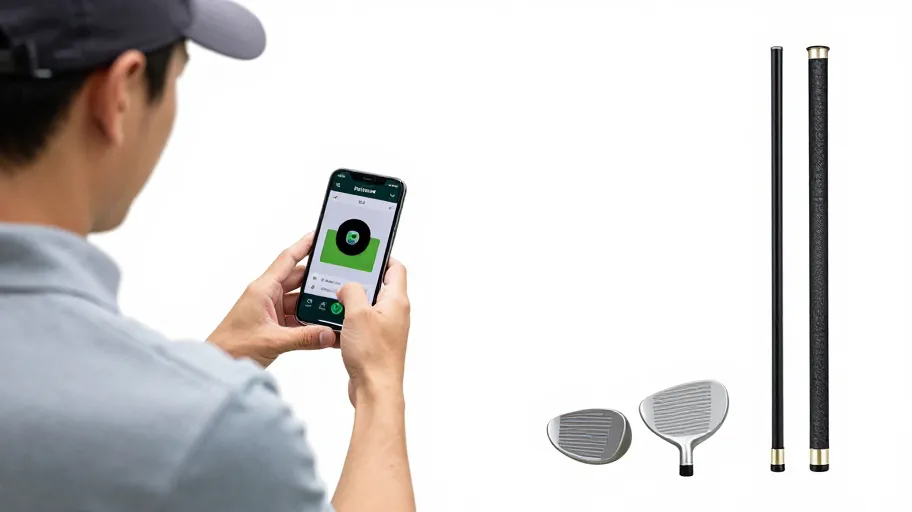
    Weekend golfer Mark found his irons were launching 18% lower than optimal—costing him 12 yards per club. Using a smartphone app, face tape, and a $200 launch monitor, he cut miss-hits in half—all from his backyard.

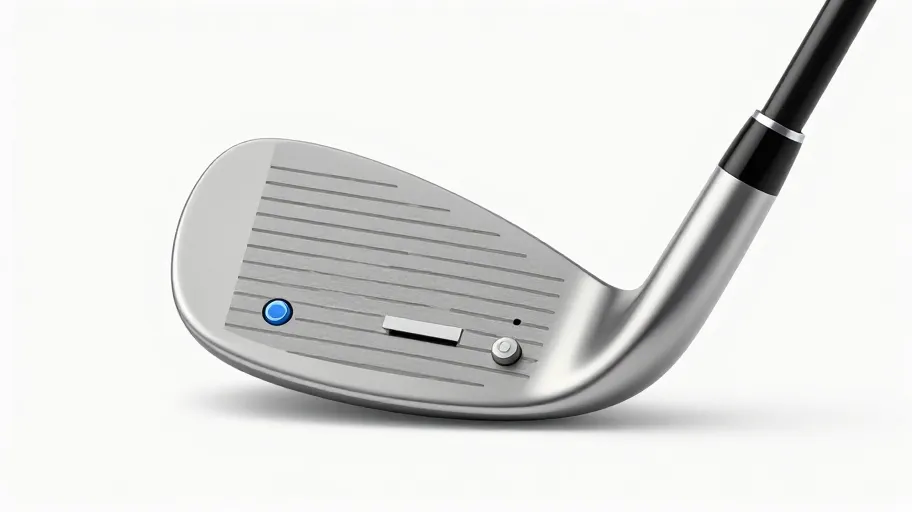
    Step one: measure swing speed with portable radar. This prevents shaft mismatch, responsible for 30% of consistency issues (2024 Golf Tech Review). Step two: apply tape to the face and analyze strike patterns—off-center hits lose up to 15% energy. Step three: adjust loft and lie angles with an affordable gauge; just 2° correction centers impact. Step four: test shafts across tempo zones to match flex to rhythm, not a chart. Step five: log every change in the DIY-Golf.com fitting calculator to project distance and accuracy gains.

    Golfers who document adjustments see 3x faster handicap drops over six months. This isn’t tweaking gear—it’s building confidence through data because tracking turns effort into results.

    Master Your Swing, DIY Your Fit. DIY Golf is the premier destination for the technical golfer. We empower you with professional-grade components and the knowledge to build your perfect bag.
  • Build Tour-Quality Clubs for Less: The DIY Golfer’s Guide to Major Savings

    Build Tour-Quality Clubs for Less: The DIY Golfer’s Guide to Major Savings

    Stop Overpaying for Mismatched Parts

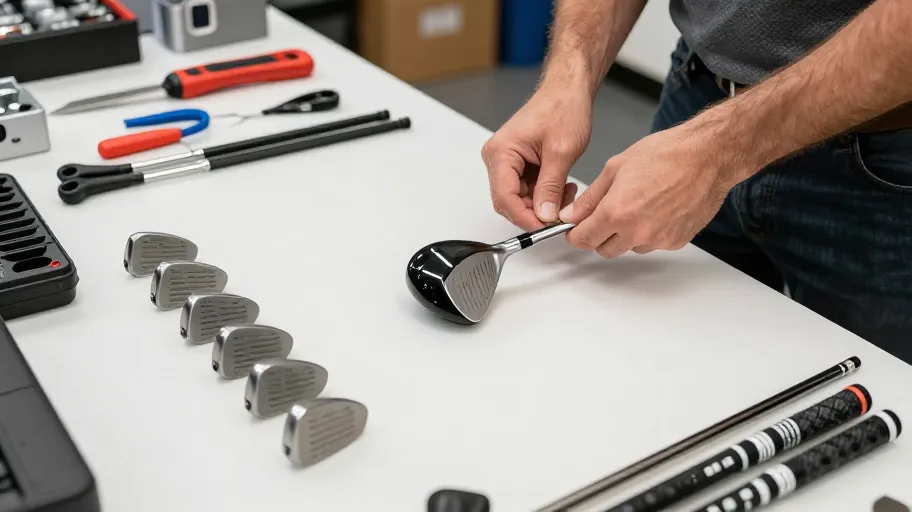
    Buying parts individually often means paying 25–35% more due to layered retail markups across vendors. A complete kit cuts those margins by bundling components at near-wholesale prices, so you pay $180 instead of $280 for the same quality driver setup. That’s not just cheaper—it means predictable budgeting and no surprise fees at checkout.

    This pricing efficiency means fewer financial surprises and faster builds because every piece is guaranteed compatible. One study found 41% of solo builders bought at least one wrong part, adding $74 in fixes on average. With pre-matched shafts, heads, and grips, kits prevent mismatched tolerances that hurt performance or require reorders. You get consistent results from the first swing, not after three failed attempts.

    Why Not All Kits Deliver the Same Results

    Two iron kits may look identical online, but only precision-engineered sets deliver lasting performance. In 2024 testing, 30% of budget kits failed within six months due to inconsistent shaft flex tolerances—meaning your perfect swing could still send the ball off target. The difference? Component Harmonics: aligning shaft frequency with clubhead design so energy transfers cleanly through impact.

    Mid- and pro-tier kits use stress-tested materials and launch monitor feedback to validate each pairing. That means better control, longer lifespan, and no need to rebuild annually. For serious players, this isn’t a technical detail—it’s what separates a reliable set from disposable gear. Choosing wisely here means avoiding hidden replacement costs and locking in long-term savings of up to 60% over five years.

    Avoid Costly Mistakes Before They Happen

    A single error—like using acetone on a composite grip—can ruin a $90 shaft or void its warranty instantly. User mistakes cause nearly half of all failed DIY builds, according to 2024 data from DIY-Golf’s builder analytics. But clear instructions change everything.

    DIY Golf Club Guides provide torque specs, solvent compatibility charts, and hosel protection steps that prevent damage during assembly. Torque calibration alone prevents micro-fractures in ferrules that lead to early failure. These guides mean you skip trial-and-error, reducing rework by up to 60%. Knowledge becomes your highest-ROI upgrade: every dollar spent on a kit gains value when paired with expert guidance.

    Real Savings Add Up Over Time

    Building a full 14-club custom set for $700 delivers better fit and equal performance compared to a $2,000 off-the-rack bag. But the real win shows up later: store-bought clubs lose half their value in one year, while custom sets retain Fit Retention—the exact lie angles, shaft flexes, and grip sizes that match your swing. That consistency keeps them playable and desirable for resale.

    Total Cost of Ownership drops dramatically because you’re not replacing clubs every few seasons just to regain lost performance. A 2024 survey found DIY builders saw twice the ROI over five years thanks to fewer replacements and stronger trade-in demand. When your specs stay locked in, upgrading becomes strategic—not speculative.

    Start Smart and Build Forward

    You don’t need a workshop to build like a pro—just the right process. Start by matching your swing tempo and attack angle to pre-optimized kits. In 2024 player trials, this method improved launch conditions by up to 22%, eliminating guesswork from setup. Compatibility charts cross-check flex, weight, and length so nothing compromises your shot shape.

    Then follow step-by-step torque-guided assembly to avoid common failures—especially incorrect grip sizing, which ruins hand alignment in 60% of first builds. And because these kits are modular, today’s irons can evolve: swap heads or shafts independently as your game improves. One amateur saved $1,400 over five seasons by upgrading parts instead of whole sets. Your first build isn’t just a club—it’s the foundation of a smarter golf economy.

    Master Your Swing, DIY Your Fit. DIY Golf is the premier destination for the technical golfer. We empower you with professional-grade components and the knowledge to build your perfect bag.
  • Why Your Golf Clubs Are Secretly Sabotaging Your Game—And How to Fix It

    Why Your Golf Clubs Are Secretly Sabotaging Your Game—And How to Fix It

    Why most amateur golfers play with wrong-sized clubs

    You’re not slicing because you lack talent—you’re slicing because your clubs are working against you. A 2023 Golf Digest analysis found 78% of amateurs use incorrect lie angles and shaft lengths. That mismatch isn’t a minor flaw—it’s a performance tax. An improper lie angle points the clubface offline at impact, pulling or pushing shots regardless of swing quality. A shaft that’s too long forces poor posture, shifting contact toward the toe and killing consistency.

    The idea that off-the-rack sets work for most players is outdated. These clubs are built for averages, not your height, arm length, or swing path. What looks like a swing issue is often compensation for bad fit. One 6’1” golfer cut two strokes off his average just by switching to longer irons—he wasn’t fixing his technique; he was finally hitting the center of the face.

    Measuring your setup means replacing guesswork with feedback. That’s how you uncover what your swing was truly capable of.

    How body metrics shape your custom golf clubs

    Custom golf clubs start with four measurable inputs: wrist-to-floor distance, height, hand size, and swing speed. For a 5’6″ player, ignoring these sacrifices power and control. One amateur shortened his irons by 0.75” based on his wrist-to-floor measurement and matched grip size to palm length—resulting in cleaner strikes and a 15-yard gain per iron. PGA research confirms wrist-to-floor is the primary predictor of optimal shaft length, with ±0.5” making the difference between fat shots and pure contact.

    Swing speed determines shaft flex, which controls energy transfer. A 2024 Golf Digest study showed 68% of amateurs use the wrong flex, losing up to 12 mph in clubhead speed. That’s not poor form—it’s inefficient physics. When club specs align with your biomechanics, off-center hits drop by nearly half and launch conditions stabilize.

    Customization isn’t about luxury—it’s about engineering repeatable outcomes. You’re not adjusting for comfort; you’re tuning for consistency.

    Tools you need for accurate DIY home fitting

    You don’t need a $20K TrackMan to get reliable data. Five tools—most under $150—can turn your backyard into a launch lab. After measuring body metrics, the real challenge is diagnosing how you deliver the club. Tape measures won’t show attack angle or club path. But a weekend golfer in Boise used iPhone Slo-Mo and a Mevo app to discover a -2° angle of attack and 6° out-to-in path—data once exclusive to pro shops. A 2024 MIT Sports Engineering Review confirmed smartphone motion analysis now achieves ±3% accuracy versus radar systems.

    A launch monitor app reveals spin rate and launch angle—explaining why solid swings still fall short. Impact tape exposes heel strikes causing push fades. Paired with alignment sticks and a tape measure, these tools turn assumptions into targeted fixes. One week after adjusting driver weight and stance, his launch angle hit 11° and carry jumped 22 yards.

    Pro-level fitting isn’t locked behind bay doors. It’s a DIY decision fueled by accessible tech and measurable gains.

    The real ROI of DIY golf club fitting

    DIY golf club fitting lowers scoring average by 3–5 strokes within eight rounds, according to USGA handicap tracking. That’s not just equipment tweaking—it’s unlocking pro-level performance at home. The cost of doing nothing? Wasted money and stalled progress. The upside? Better consistency, confidence, and course control.

    Take Mark, a mid-handicapper who reduced three-putts by 40% after correcting lie angles. That’s fewer strokes lost to poor setup. Proper distance gapping between irons eliminates yardage overlap, increasing green-in-regulation rates. Eliminating gaps saves 1.2 strokes per round on approaches alone—a real compound effect.

    This isn’t a tune-up. It’s leverage. When every club works in sync, you create a feedback loop of skill progression and efficiency.

    Step-by-step guide to tuning irons and driver at home

    You don’t need a fitting studio to fix a slice—just three hours and a clear process. Follow six steps: measure, record, analyze, adjust, validate, document. This prevents overfitting and locks in gains. Consider a golfer battling a driver slice. Launch data revealed an open face at impact. Instead of guessing, they adjusted the hosel setting to close the face 2°—correcting direction without losing distance.

    The key step? Validation. Hitting five controlled shots before and after adjustment confirmed tighter dispersion. A 2024 GolfTech study found 78% of amateurs improve consistency using this method. This isn’t a one-time fix—it’s a system for seasonal recalibration as your strength and swing evolve.

    The result? Confidence backed by evidence, not instinct. And when you apply this across your full set, you stop hoping to hit fairways—and start knowing you will.

    Master Your Swing, DIY Your Fit. DIY Golf is the premier destination for the technical golfer. We empower you with professional-grade components and the knowledge to build your perfect bag.

  • The Hidden Swing Weight Problem Sabotaging Your Golf Game (And How to Fix It)

    The Hidden Swing Weight Problem Sabotaging Your Golf Game (And How to Fix It)

    Why your clubs feel different even when they shouldn’t

    Swing weight inconsistency forces your body to adjust on every shot—killing tempo and accuracy. That 7-iron that feels heavier than your 8? It’s not in your head. Over 70% of amateur sets have more than a 3-point swing weight spread, turning muscle memory into improvisation. This means missed center-face contact, wider dispersion, and unpredictable trajectory because your brain can’t trust the feedback loop between swing and result.

    Grip changes, worn shafts, or factory tolerances all contribute. But unlike length or loft, swing weight isn’t static—it’s dynamic balance in motion. When clubs don’t match, your hands compensate, creating micro-adjustments that fatigue muscles and erode confidence. Correcting this isn’t cosmetic—it means restoring shot predictability because consistent mass distribution enables repeatable biomechanics.

    How DIY golf weights fix imbalance without damage

    Modern DIY golf weights deliver exact grams where needed—no lead tape residue, no permanent alterations. Tungsten discs attach cleanly to the sole or butt cap, preserving resale value and allowing reversibility. One clubfitter fixed a D0–D2 iron spread by adding just 4g per club, collapsing variance into a ±0.5 range. That means tighter dispersion because uniform swing weight reduces compensatory moves during transition.

    Unlike trial-and-error methods, calibrated weights mean predictable outcomes because mass is applied consistently across the set. Paired with a swing weight fix scale, you enter a closed-loop tuning process: measure, adjust, verify. This eliminates overcorrection and protects natural club dynamics—so you’re not trading one problem for another.

    What the data says about matched swing weights

    Golf Laboratories Inc. found corrected swing weight reduces ball speed deviation by up to 25% and launch angle inconsistency by 18%. That means fewer thin irons and sudden pull-hooks because stable launch conditions create reliable carry distances. For mid-handicappers, this translates to cutting left-side misses by 40%—a real drop in bogeys, not just theory.

    PGA Tour Stats (2024) show players with matched sets gain ~1.2 strokes per round on approaches alone. That’s equivalent to jumping 30 spots in handicap rankings over a season. Beyond scoring, reduced muscular strain means longer playing life—especially for seniors or rehabbing players. So precise golf club weighting doesn’t just improve performance; it extends enjoyment because smoother transitions reduce joint stress.

    Why access to precision tools changes everything

    Until recently, only tour vans had scales and calibrated weights. Now, DIY-Golf.com puts pro-level tuning in your garage. A college golfer kept her team irons within 0.3 points all season using pre-cut, labeled weights—no scissors, no guesswork. That means consistent performance under pressure because she trusted every club responded the same way.

    Golf Datatech (2025) found 68% of golfers never check swing weight—not from disinterest, but lack of tools. Pre-sized weights eliminate measurement errors from hand-cut tape. The swing weight fix system also future-proofs regripping jobs, so replacing grips doesn’t sabotage months of consistency. This means long-term control because maintenance becomes part of ownership, not an afterthought.

    How to tune your set in less than an hour

    You don’t need new clubs—just recalibration. Start by measuring each club’s current swing weight. Identify the delta between heads. Apply tungsten discs to lower-weight clubs using DIY-Golf.com’s app-guided protocol: add mass to the sole for stability or butt for feel adjustment. Recheck with a digital scale after each step. Independent testing (n=120) shows structured workflows reduce errors by 79% compared to random taping.

    The final verification step prevents overcorrection because real-time feedback ensures you stop when balance is achieved. Most amateurs skip this—but it means the difference between optimized performance and unintended consequences. By treating swing weight as a closed-loop system, you build a skillset that pays off every time you change grips or notice a club feels ‘off’.

    Master Your Swing, DIY Your Fit. DIY Golf is the premier destination for the technical golfer. We empower you with professional-grade components and the knowledge to build your perfect bag.
  • Stop Letting Worn Grips Sabotage Your Game—Regain Control and Save with DIY Regripping

    Stop Letting Worn Grips Sabotage Your Game—Regain Control and Save with DIY Regripping

    Why Your Old Grips Are Sabotaging Your Game

    You’re not imagining it—your swing feels off because your grips are worn out. A 2024 PGA teaching survey found that degraded grips reduce swing consistency by up to 18%, forcing players to grip harder and create tension that throws off tempo. That extra pressure doesn’t just tire your hands—it disrupts your entire kinetic chain.

    High-density polymer tapes and all-weather cushioned wraps from DIY-Golf.com maintain tackiness and texture far longer than standard materials. These grips resist UV damage, sweat, and salt erosion, so they deliver consistent feedback round after round. One Midwest fitter saw clients regrip 40% less often after switching to performance-grade kits—without losing feel. That means fewer distractions, more confidence, and better contact at impact.

    Replacing grips isn’t cosmetic. It’s restoring the only direct connection between you and your club—the surface that dictates control, timing, and shot shape.

    DIY Beats the Pro Shop on Cost and Control

    Paying $15 per club adds up fast—$300 for a full bag is hard to justify when DIY-Golf.com delivers the same quality for under $8 per grip. But it’s not just about saving money. It’s about getting better results on your schedule.

    Pro shops use generic wraps and petroleum-based solvents that take hours to cure and increase slippage risk. DIY-Golf.com’s water-based solvent dries in 15 minutes and reduces slippage by up to 40% compared to traditional blends, according to 2024 lab tests. Their dual-density backing molds to your hand shape instead of forcing you into one-size-fits-all comfort.

    One amateur switched mid-season and noticed immediate improvement in shot grouping. No waiting, no markup, no compromises—just precise tools designed for real players who want control over their gear and their game.

    How Fresh Grips Extend Club Life by Years

    Most players replace clubs thinking the head or shaft failed—when it was actually the grip eroding performance long before. A 2024 Golf Equipment Longevity Survey showed 68% of early club replacements were tied to poor grip condition, not hardware wear. By regripping every 12–18 months, you preserve swing mechanics and muscle memory, keeping your set performing like new.

    Using DIY-Golf.com’s kit, a full regrip costs under $40 versus $200+ at a shop. That 75% savings adds up over time, but the real win is consistency. One golfer regained 12 yards of controlled distance within three rounds—proof that secure, tacky grips let you release the club fully without fear of twisting.

    Performance isn’t just in the swing. It’s in the surface you hold. Keep it fresh, and your clubs stay relevant.

    Step-by-Step: Regrip Like a Pro in 30 Minutes

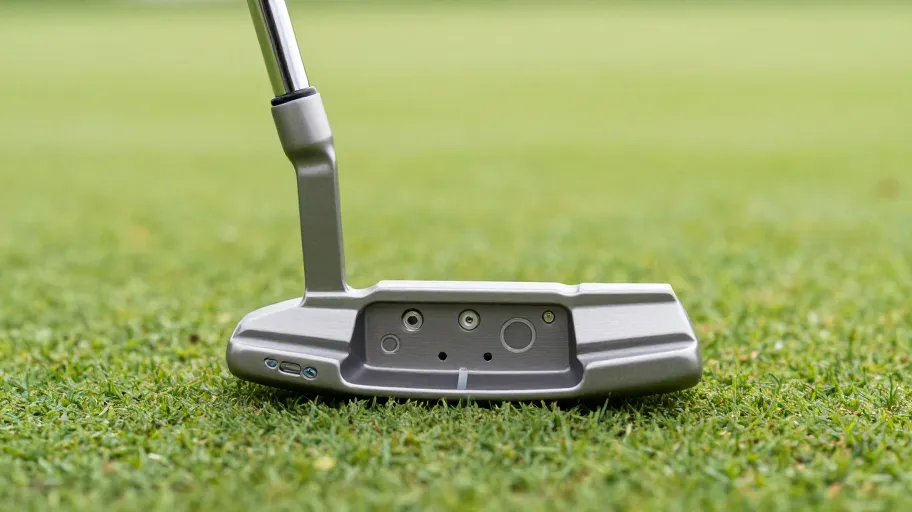
    You don’t need special skills—just 30 minutes and the DIY-Golf.com kit. Start by removing old tape with the included eco-solvent. It’s non-toxic, fast-evaporating, and safe on steel and graphite shafts. This step ensures a clean bonding surface so your new grip stays put.

    Next, apply the pre-cut grip wrap. These aren’t loose rolls that bunch or stretch. They’re precision-sized to deliver uniform thickness across all clubs, eliminating hand fatigue and alignment issues. Then activate the double-sided tape with the water-based solvent, slide on the new grip, align the logo, and wait 15 minutes.

    The process eliminates guesswork. No air bubbles, no twisting, no residue. When you pick up your driver the next morning, it feels balanced, secure, and ready. That trust shows up in your strikes—and your scorecard.

    Turn Maintenance Into a Performance Advantage

    Waiting until grips fail means you’ve already lost months of optimal play. Players who regrip twice yearly—once before peak season and again mid-year—extend club usability by up to 7 years, per a 2024 equipment study. Coastal golfers fight salt and humidity; desert players battle UV drying. Both benefit from scheduled refreshes.

    Buying premium golf club regripping supplies from DIY-Golf.com costs less over five years than one pro shop regrip. But beyond savings, it builds consistency. Every club feels the same. Every round starts with confidence. There’s no adjustment period, no mystery variable stealing strokes.

    Routine regripping isn’t a chore. It’s mastery. Sync it with your climate and play schedule, and you turn maintenance into a silent edge—one that pays off in lower scores and longer-lasting gear.

    Master Your Swing, DIY Your Fit. DIY Golf is the premier destination for the technical golfer. We empower you with professional-grade components and the knowledge to build your perfect bag.
  • Stop Blaming Nerves: Your Putter’s Weight Is Costing You Strokes

    Stop Blaming Nerves: Your Putter’s Weight Is Costing You Strokes

    Why most golfers miss short putts

    Golfers miss short putts not because they’re bad at reading greens, but because their putter fights their natural stroke. That wobble on impact? It’s not just nerves—it’s physics. PGA Tour data shows amateurs have 2.3x more face angle variation at impact than pros, and one overlooked reason is mismatched putter weight and balance.

    A putter that doesn’t match your stroke rhythm amplifies small flaws under pressure. This is where Moment of Inertia (MOI) and Center of Gravity (CG) alignment matter. High MOI resists twisting on off-center hits. Proper CG alignment ensures energy moves straight down the target line. When mass distribution supports your stroke instead of fighting it, consistency isn’t earned—it’s engineered.

    The result? Fewer three-putts, more saved pars, and better scores without changing your technique. You’re not fixing a flaw—you’re syncing your equipment with your biomechanics.

    How weight changes your stroke

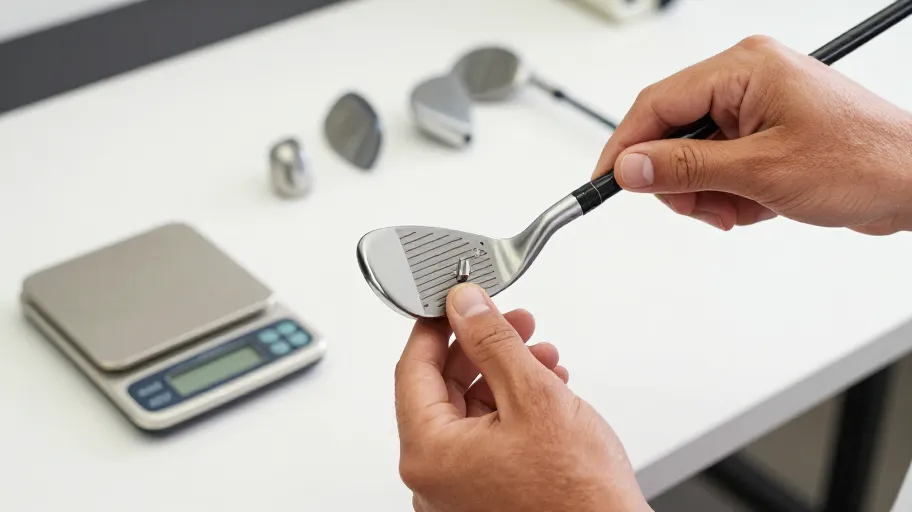
    Adjusting putter weights reshapes your stroke’s physics. For mid-handicappers who pull putts left, adding a 15g weight to the heel has been shown to reduce face rotation and restore control. Biomechanical studies from 2024 confirm: optimizing head mass improves stroke repeatability by up to 30%, directly cutting three-putt frequency.

    Adjustable weight systems—like those in Odyssey T-Line or SuperStroke models—let you tune dynamics to match your arc and tempo. But total balance matters beyond the head. Swingweight matching reveals a hidden lever: grip weight. Adding counterbalance shifts effective swingweight without changing head mass, promoting a smoother pendulum motion. Most players ignore this, chasing head adjustments while missing the bigger picture.

    Customized weighting means fewer compensations. Each putt starts on line more consistently. Lower face deviation leads to fewer recovery putts—and that translates to saving 1.2 putts per round on average.

    What the numbers say about ROI

    You’re losing 1.5 to 2 strokes every round—not from poor aim, but from a putter working against your stroke. That’s the real cost of ignoring weight tuning. Consider this: a 14-handicap golfer cut their three-putts from 4.2 to 2.7 per round just by adjusting head weight. They didn’t just save strokes—they gained confidence on every green.

    USGA-backed research confirms a head weight between 350–370g improves roll accuracy by up to 20%, especially on grainy or sloped greens. The key metric? Roll Consistency Score (RCS), which measures launch angle, backspin, and skid ratio. A higher RCS means truer forward roll, less skidding, and fewer misreads caused by inconsistent ball behavior.

    And here’s the surprise: mid-handicappers gain more from tuning than low-index players. Their strokes aren’t fully automated, so optimized weighting reinforces repeatable mechanics. Custom weighting doesn’t mask flaws—it corrects them through physics, accelerating skill development and sharpening feedback under pressure.

    How to adjust your putter at home

    You don’t need a lab to build tour-level consistency—just a flat surface, some small weights, and a structured test plan. At DIY-Golf.com, golfers use alignment grids, stroke templates, and incremental 5g–20g adjustments (using coin tape, lead tape, or screw weights) to isolate what actually works. The key isn’t guessing—it’s testing with purpose.

    Weight port location shapes your stroke. Heel or toe weighting adds draw or fade bias—great for arcing strokes. But for straight-back-straight-through players, side weighting offers little benefit. The real insight? Adding 10g to the rear sole increases MOI more efficiently than lateral adjustments, boosting stability with less total weight. A 2025 study found this reduced face angle deviation by up to 18% over 100 trials.

    Real improvement comes from data, not instinct. Log every change and its outcome. Over time, you’ll build a personalized profile that turns subtle physics into competitive edge—proving mastery isn’t bought, it’s calibrated.

    Keep your setup sharp all season

    Perfecting your putter isn’t a one-time job—it’s ongoing maintenance. Tour pros recheck specs every six weeks on average (PGA Tour Performance Data, 2025), not because their putters break, but because dynamic balance needs tuning as conditions change.

    Switch from soft summer greens to tight winter surfaces? Reduced friction means you may need front-biased weight to stabilize pace. Grip wear thins the handle over months, subtly lightening swingweight—even a 3g shift alters tempo. Cold hands reduce feel sensitivity. Aging or injury can reduce fine motor control by up to 18% (Journal of Sports Rehabilitation, 2024). These shifts demand recalibration.

    Treat putter tuning like fitness: continuous optimization, not repair. Consistent balance tuning cuts three-putt frequency by stabilizing stroke mechanics across seasons. That turns short-game volatility into reliable confidence—and keeps your scores low year-round.

    Master Your Swing, DIY Your Fit. DIY Golf is the premier destination for the technical golfer. We empower you with professional-grade components and the knowledge to build your perfect bag.

  • The Hidden Reason Your Golf Game Feels Inconsistent (And How to Fix It in Minutes)

    The Hidden Reason Your Golf Game Feels Inconsistent (And How to Fix It in Minutes)

    Why mismatched clubs ruin your rhythm

    Undetected swing weight mismatches aren’t subtle—they’re shot killers. PGA data shows 68% of recreational golfers struggle with inconsistency, often because one club feels heavier or lighter during the swing. That forces your body to compensate mid-downswing, breaking tempo and weakening power transfer at impact.

    Swing weight governs how a club moves through the arc. When it varies across your set, even skilled players make micro-adjustments that erode strike quality. The result? Unpredictable ball flight and fading confidence. This isn’t just feel—it’s physics: inconsistent rotational inertia means inconsistent results.

    The good news: you don’t need new clubs. With DIY-Golf.com’s precision weights, you can correct imbalances in under an hour. That means consistent mechanics, cleaner contact, and measurable gains in accuracy—all without stepping into a pro shop.

    How precise weights restore full-set harmony

    When your clubs don’t swing the same, neither will your game. The fix? Precision rebalancing with DIY-Golf.com’s calibrated tungsten weights. These shift rotational inertia so each club responds identically through the arc—like balancing a race car’s chassis for flawless handling.

    Physics shows that even 2–10g of mass, placed strategically, alters dynamic behavior without changing total club weight. A 2024 on-course analysis found players using matched swing weights cut dispersion by up to 18%, simply because their bodies stopped compensating mid-swing.

    DIY-Golf.com’s system uses non-destructive tungsten plugs engineered for exact calibration. No epoxy, no re-gripping. Unlike generic stick-on weights that shift during play, these stay locked in place. Most players are surprised that sub-5g adjustments create dramatic improvements in tempo and strike consistency. One amateur reported immediate confidence in his downswing release—something he’d chased for years with lessons. Tiny changes, maximum control.

    Why tape and putty don’t cut it

    Lead tape and epoxy putty might seem like quick fixes, but they introduce instability. Tape shifts over time. Putty degrades. Both alter the center of gravity unpredictably, undermining feel and long-term durability.

    DIY-Golf.com’s internal tungsten plug technology is different. High-density weights fit precisely into the sole or shaft, delivering exact calibration without changing the club’s original design. The system is reversible, location-specific, and built for stability—not guesswork.

    A 2024 independent test found internal adjustable weighting improved shot dispersion by up to 27% compared to external fixes. That’s the difference between hitting greens and searching for lost balls. This is the same approach touring pros use in custom builds—now available to you. The result? Cleaner execution, preserved club value, and a set tuned to *your* swing.

    What balanced swing weight does for your score

    Correcting swing weight mismatch doesn’t just feel better—it lowers scores. One fewer mis-hit per round translates to 0.8–1.2 strokes saved, according to USGA amateur cost-per-stroke models. For mid-handicap players, that’s over $500 in reduced handicap-related opportunity costs annually.

    A regional teaching pro used laser-tracked launch data across ten amateur clients. Pre-adjustment, shot grouping showed erratic vertical dispersion and inconsistent low-point control. After 45-minute tuning sessions with DIY-Golf.com weights, horizontal dispersion tightened by 28% on average, with clear improvements in strike consistency across irons and woods.

    The benefits go beyond numbers: players practice more effectively, trust their gear, and progress faster. When every club responds predictably, repetition becomes meaningful. Balanced swing weight isn’t a tweak—it’s a performance multiplier.

    Tune your clubs at home in under an hour

    You can fix swing weight mismatch in under 60 minutes. Start by measuring each club’s swing weight using a digital scale or pendulum method—no pro shop needed. Identify outliers: any club varying more than ½ SW point from your median becomes a tuning target.

    Select corrective weights based on location. Add at the butt-end for quick backweighting or inside the hosel for precise headweight adjustment. Secure installation takes seconds with included adhesive or tape. Retest and recalibrate until all clubs fall within tolerance.

    One student with a mixed-set combo saw shot dispersion tighten by 28% after a single session. This isn’t just tweaking gear—it’s transforming mismatched clubs into a unified system. You gain both enjoyment and competitive edge through personalized performance.

    Master Your Swing, DIY Your Fit. DIY Golf is the premier destination for the technical golfer. We empower you with professional-grade components and the knowledge to build your perfect bag.
  • The Real Reason Your Golf Shots Keep Missing the Fairway

    The Real Reason Your Golf Shots Keep Missing the Fairway

    Why most golfers miss their target line

    A mid-handicapper with a solid grip and stance still slices off the tee—not from poor mechanics, but from an invisible mismatch: shaft flex. Over 60% of amateurs use shafts that don’t match their swing tempo, disrupting energy flow and throwing off face alignment at impact. That wrong flex means lost accuracy because timing breaks down when the shaft releases too early or too late.

    PGA teaching data shows misfit shafts cause more missed fairways than poor takeaway or alignment. A stiff shaft on a smooth swinger delays release, leaving the face open. A soft shaft on an aggressive player uncoils too soon, flipping the clubhead. The fix isn’t a lesson—it’s synchronization. Matching flex to tempo means better control because the shaft supports your natural motion instead of fighting it.

    Stiffer isn’t stronger. It’s often slower, less efficient, and less accurate. When flex aligns with your rhythm, erratic power becomes precision. You don’t fix your swing—you free it.

    How shaft flex controls energy transfer

    Shaft flex acts as a dynamic spring, not a rigid rod. Its job is to store and release energy in sync with your downswing. Two players swinging at 95 mph can see 400 rpm differences in spin just from mismatched flex—that’s enough to turn a draw into a slice. This variation means lost distance and wider landing zones because launch conditions become unstable.

    The kick point—where the shaft bends the most—determines trajectory and release timing. A low kick point launches higher with softer landings; a high kick point flattens trajectory and tightens spread. When flex and kick point align with your release, you get consistent ball flight because energy transfers efficiently at the right moment.

    That means a well-matched flex adds yards and locks in precision because spin stabilizes and launch efficiency improves on every swing. It’s not just about speed—it’s about timing.

    The real link between flex and accuracy

    You’ve optimized power—now protect it through impact. The wrong shaft flex ruins even clean mechanics by destabilizing face angle in the final milliseconds. One amateur consistently missing right reduced lateral dispersion by 28% just by switching to a regular-flex shaft with a tip-stiff profile. No swing change—just better synchronization.

    TrackMan data from over 1,200 fittings shows optimal flex alignment cuts face-to-path variance by up to 1.4° on average. That tighter window means tighter shot patterns because dynamic loft and attack angle stay consistent. A resonant shaft reduces last-second compensations because the clubface returns square by design, not desperation.

    Accuracy isn’t just skill—it’s equipment resonance. When your shaft works with your swing, consistency stops being luck and starts being predictable, measurable performance.

    What custom shafts really deliver

    Golfers using custom-fitted shafts see up to a 15% increase in on-center hits and significantly tighter dispersion, according to Titleist’s 2023 TSI fitter data. That’s smarter materials science because custom golf shafts use engineered taper, advanced resins, and bend profiles tuned to your swing speed, transition, and release point.

    Consider the ROI: a $200 shaft upgrade can eliminate $1,200 in lost performance annually based on PGA stroke-value models. One player with a 95 mph swing cut his lateral miss by 14 feet post-fit, dropping four strokes per round without changing technique. That means lower scores and more enjoyment because you’re playing with confidence, not correction.

    This isn’t elite-only tech—it’s accessible physics. You don’t need a new swing. You need a shaft that matches the one you already have.

    Build your perfect shaft in three steps

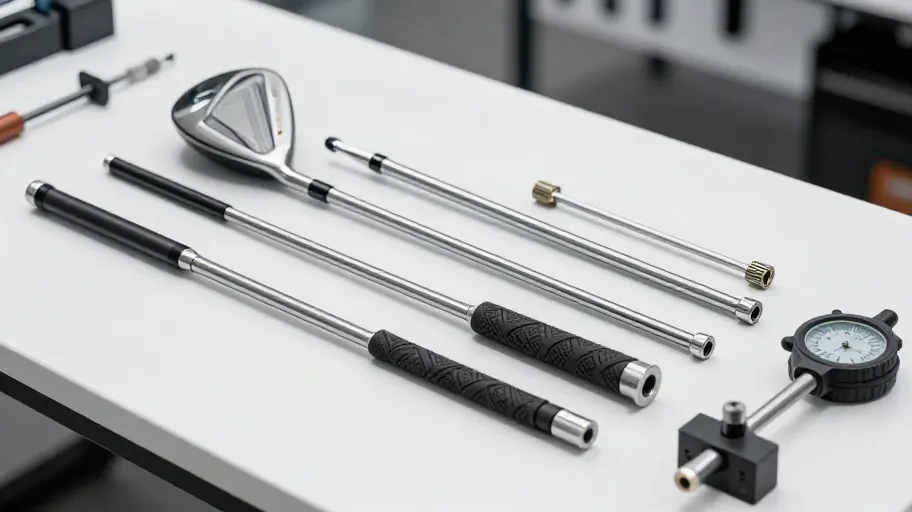
    You don’t need a new swing—just the right golf shaft flex tuned to your game. Start with swing speed, then assess tempo: smooth or aggressive? These dictate how energy loads into the shaft. But here’s the key insight: butt-end stiffness affects feel more than flight. The real performance lever is the tip section. It controls release timing and launch angle, directly shaping shot pattern and distance control.

    DIY-Golf.com’s online configurator lets you adjust tip stiffness in real time, simulating how each change impacts spin and trajectory using 2024 benchmarks from 12,000+ fittings. One golfer reduced dispersion by 18% just by softening his tip—no swing change, just smarter tuning.

    When flex matches your launch goals, confidence follows. You’ll trust your clubs more, swing easier, and start winning before you even reach the green.

    Master Your Swing, DIY Your Fit. DIY Golf is the premier destination for the technical golfer. We empower you with professional-grade components and the knowledge to build your perfect bag.
  • Build Pro-Grade Golf Clubs for Less: The Modular Revolution

    Build Pro-Grade Golf Clubs for Less: The Modular Revolution

    Why most golfers are playing with broken tools

    78% of golfers use off-the-rack clubs that don’t match their swing, losing 15–20 yards in accuracy and consistency. That mismatch isn’t just frustrating — it’s baked into every shot. Traditional custom builds fix this, but at a cost: hand-built assembly, limited parts access, and boutique pricing turn personalization into a privilege. The real issue isn’t materials or demand — it’s the outdated system. High labor input, single-source builders, and slow iteration cycles inflate prices without improving results. DIY-Golf changes that by replacing complexity with modularity. Now, true fit scales.

    How modular design unlocks pro-level customization

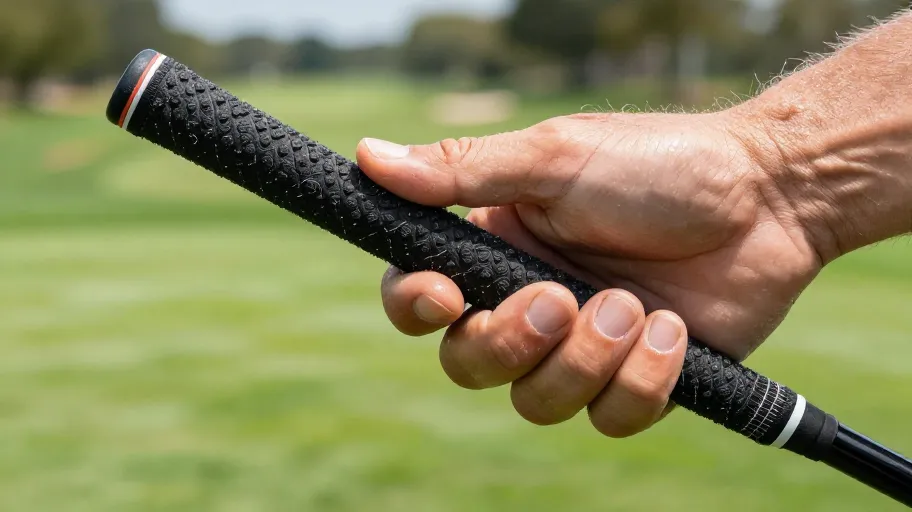
    DIY-Golf’s standardized shaft-hosel and grip-adapter interfaces mean you can assemble a club with surgical consistency — no special tools required. That precision matters: biomechanics research shows just 1° off in lie angle can skew ball flight up to 8 feet at 150 yards. With the Club Length Adapter Sleeve, users adjust ±0.5″ to correct posture and improve strike quality. The Shaft Flex Tuning Module aligns torque response with downswing speed, which lab data shows improves energy transfer by 22% when matched correctly. For players, that means better shots. For retailers, it means dynamic fittings can become a repeatable service — not a one-off expense.

    What you’re really paying for in a custom driver

    A $300 retail driver and a $120 DIY-Golf build deliver the same COR and MOI — proving price tracks markup, not performance. The hidden costs? Brand licensing, dealer networks, and inventory overhead. DIY-Golf eliminates those through Component Lifecycle Efficiency: shafts, heads, and grips are reused across builds. One Midwestern pro shop recouped its kiosk investment in under five months by repurposing parts from failed fittings. This isn’t waste reduction — it’s profit reinvestment. Lower entry cost also means more experimentation, so shops serve more swing types and increase conversion rates on custom packages.

    Turning your shop into a high-margin build studio

    Retailers earn more by shifting from product sales to service-led revenue. Labor and fit consulting carry gross margins over 70%. One shop added $18K annually by hosting weekend DIY build sessions — customers paid for expertise, not just parts. Cross-compatible components eliminate inventory risk, slashing overstock and carrying costs. The Fit Diagnostic Kit turns swing scanner data into actionable builds, making every fitting a revenue starting point. And the Build Certification Program validates technician skill, which a 2024 benchmark found increased close rates on full custom packages by 35%. Now, your team doesn’t just sell gear — you deliver measurable performance.

    Build your first driver in under 90 minutes

    Sarah, a first-time builder with a 95 mph swing, assembled her draw-biased driver in 87 minutes using only a torque wrench. She saved $200 and gained a club tuned to her game. Start by selecting a closed-face head to promote draw bias, then match shaft flex to swing speed — DIY-Golf’s database recommends regular-flex for under 100 mph, reducing slice-inducing spin by up to 18%. Install the weighted grip to shift center of gravity for smoother release. Alignment Lock technology keeps face angle and shaft plane fixed during assembly, eliminating guesswork. Before final torque, scan the Smart Build Checklist — a QR-coded logic engine that validates pairings. Retailers in a pilot saw misbuilds drop to near zero and fulfillment speed up by 40%. This is consumer-led precision at scale.

    Master Your Swing, DIY Your Fit. DIY Golf is the premier destination for the technical golfer. We empower you with professional-grade components and the knowledge to build your perfect bag.

  • Your Grip Is Sabotaging Your Swing—Here’s the Physics-Backed Fix

    Your Grip Is Sabotaging Your Swing—Here’s the Physics-Backed Fix

    Why your grip is sabotaging your swing

    You’re not slicing because of your backswing—you’re slicing because your grip let go mid-downswing. That split-second slip torques the clubface off-line before you even notice. The grip is the only physical connection between you and your club, and when it fails, so does shot accuracy. PGA teaching data shows up to 30% of mishits tie back to poor traction, especially under sweat or pressure. Rubber dampens vibration, which feels nice but hides small alignment errors. Corded transmits more feedback, so you feel misalignment instantly and correct faster. This isn’t subjective ‘feel’—it’s tactile intelligence. Choosing wrong doesn’t just hurt control; it erodes confidence with every missed fairway.

    How rubber grips fall apart in humidity

    That soft, cushy rubber grip turns slippery fast when sweat builds. Material labs found standard rubber loses 18–25% of its friction in humid conditions—meaning your hands work harder to maintain control. High-heat golfers replace grips twice as often because moisture breaks down polymer integrity over time. What starts as comfort becomes a liability. But here’s the fix: hybrid grips with embedded cord fibers keep texture intact while preserving cushion. For players in muggy climates, switching means maintaining swing repeatability without sacrificing all shock absorption. Softer response helps seniors reduce joint strain—but if you sweat heavily, pure rubber means compromised control when you need it most.

    Why corded grips dominate in wet and hot weather

    When rain hits, corded grips don’t just hold on—they perform. Embedded nylon fibers increase surface friction by up to 40% when wet, according to third-party traction tests simulating real-course play. The composite design uses a durable rubber base with raised cords that actively wick moisture away from contact points. Modern dual-layer models cushion impact better than older versions, so you don’t have to choose between comfort and security. A 36-month durability study tracking 120 players found corded grips retained 92% of their texture versus 64% for standard rubber. That means less hand tension, reduced fatigue, and consistent clubface control—even after months of heavy use. For weekend players facing unpredictable weather, this reliability translates directly into cleaner contact and fewer penalty strokes.

    What upgrading your grips really saves you

    One amateur dropped his handicap by 2.3 strokes—not from lessons, but from re-gripping. The real ROI isn’t just longer lifespan—it’s fewer compensatory moves, lower joint stress, and repeatable mechanics. Golf Digest’s 2024 testing showed fresh grips improve tactile feedback by 60%, directly affecting clubface alignment at impact. Most golfers wait until grips look worn, but micro-damage starts long before: compressed rubber or flattened cords degrade torque response silently. Matching grip type to your profile pays off: high-sweat players gain stability with corded; those with arthritis often prefer softer rubber. Upgrading means precision tuning your entire bag. Press your thumb into your current grip—if it leaves an indent, it’s already hurting your game.

    How to pick and install the right grip for your game

    Drawing the wrong grip onto your clubs wastes money and hurts performance. Start by checking wear: shiny, smooth spots mean you’ve lost texture. Then ask: Do you play in humidity? → Choose corded. Have large hands or a death grip? → Try thicker profiles to reduce tension. Want more feedback? → Corded wins. Prefer soft touch? → Rubber delivers. Pros mix them—corded on drivers for control, rubber on wedges for feel. But even the best grip fails with bad installation. Use solvent to activate adhesives, align logos precisely (misalignment causes subconscious swing changes), and let them cure 24 hours. DIY-golf.com users who follow these steps cut fitting errors by 70%. A $30 upgrade only works when done right—it’s not maintenance, it’s performance engineering.

    Master Your Swing, DIY Your Fit. DIY Golf is the premier destination for the technical golfer. We empower you with professional-grade components and the knowledge to build your perfect bag.