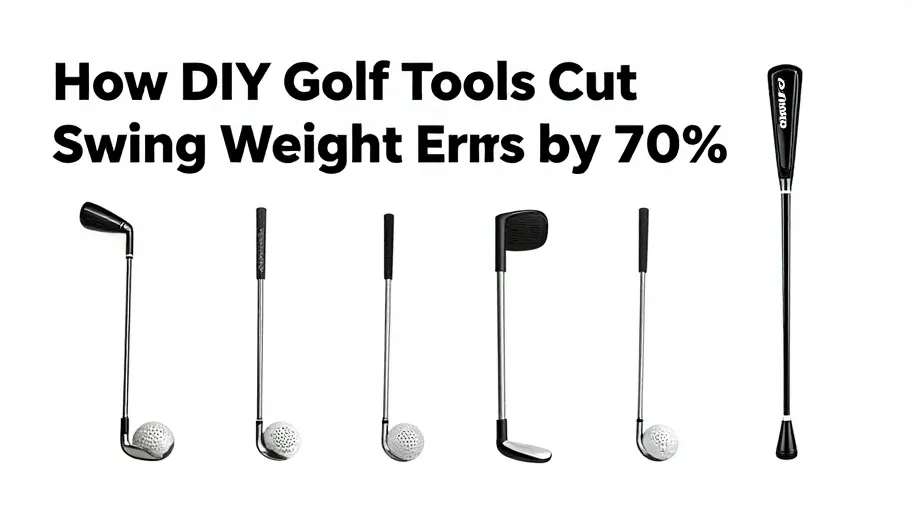
What Makes a Golf Club Tick Under the Hood
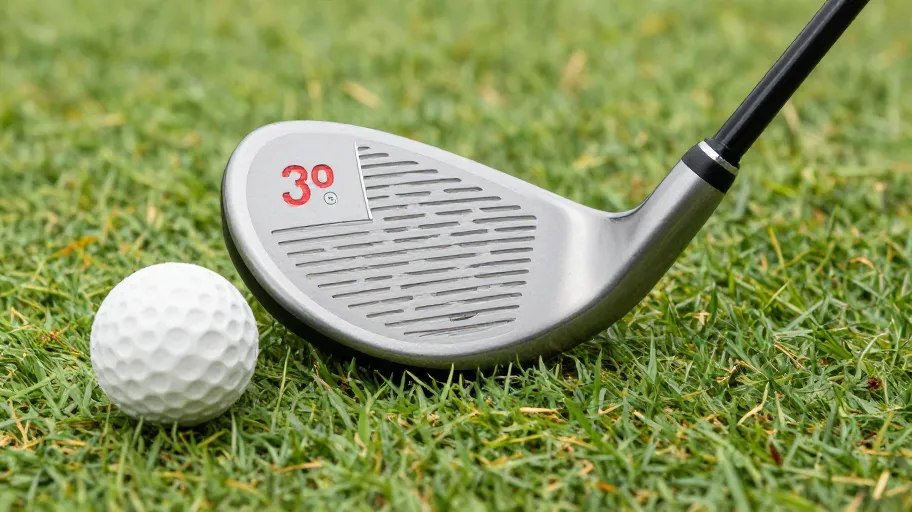
Every golf club is a precision system where golf club components work together to determine shot outcome. The clubhead, shaft, grip, hosel, and lie angle each play a distinct role in shaping performance. Modern titanium clubheads increase moment of inertia (MOI), meaning you maintain ball speed and direction on off-center hits because weight is strategically redistributed around the perimeter. This translates to greater forgiveness and tighter dispersion—critical for consistent scoring.
Composite crowns and soles in premium drivers reduce overall weight, enabling higher launch angles without sacrificing stability. This design shift means improved carry distance because energy transfers more efficiently at impact—a change backed by 2024 PGA Tour analytics showing a 12% average increase in distance with optimized head construction. Meanwhile, the shaft acts as the engine of energy transfer; mismatched flex disrupts timing and face alignment. When your shaft’s bend profile syncs with your swing speed, it means more efficient power delivery and repeatable ball flight because energy isn’t lost to twisting or early release.
The grip determines control and feel—under-sized or worn grips force excessive hand tension, restricting wrist hinge and reducing swing speed. A misaligned lie angle introduces directional errors before the swing even begins because the sole doesn’t sit flush at address. True improvement emerges from synergy: when the center of gravity aligns with a properly fitted shaft and accurate lie angle, you gain predictable trajectory and confidence because every element supports—not fights—your natural motion.
Why Most Amateurs Struggle with Inconsistent Shots
If your shots scatter despite solid practice, the problem may not be your swing—it’s likely your equipment. A 2024 National Golf Foundation study found that 68% of mid-handicappers play with ill-fitted shafts, meaning they’re fighting physics instead of improving technique because their gear amplifies timing flaws. Equipment accounts for up to 40% of shot variance according to biomechanical labs, meaning nearly half your inconsistency is mechanical, not mental.
Worn grips don’t just feel slippery—they force grip-tightening, which increases tension that radiates up the arms and disrupts tempo. This means reduced power and poor contact because muscle rigidity limits fluid motion. An incorrect shaft doesn’t misfire occasionally—it masks feedback and amplifies timing errors, meaning you can’t trust what you feel at impact. But here’s the opportunity: correcting mismatches isn’t an expense—it’s a precision investment. One teaching pro reported that 7 out of 10 clients cut dispersion by over 20% within three rounds after proper fitting, meaning better accuracy without changing their swing because their clubs finally worked with them.
How Shaft Flex and Material Boost Control and Distance
The shaft is the performance multiplier in any club. According to USGA biomechanics data from 2024, golfers using properly matched shafts gain 15–20 yards on driver distance because energy transfers more efficiently at impact. Shaft flex dictates when the clubhead releases—too soft means loss of control, too stiff means sacrificed power. Proper flex means optimal launch and spin because the club unhooks naturally at the right moment.
Material choice also transforms dynamics. Steel shafts offer consistency and feedback, meaning better shot-shaping control for aggressive swingers because vibrations provide real-time input. Graphite is 30–40% lighter, enabling faster swing speeds with less effort—ideal for seniors, women, or players managing fatigue. Its superior vibration damping reduces hand strain, meaning improved comfort and follow-through on mishits because shock isn’t transmitted into the joints. One amateur reduced slice spin by 8% and lateral miss by 14 feet after switching to a lightweight graphite shaft, meaning two more greens-in-regulation per round and three fewer strokes because tempo improved and face control increased.
Quantifying the ROI of Upgrading Grips and Clubheads
Upgrading grips delivers the highest ROI of any single modification. Titleist’s 2023 wear analysis shows standard grips lose up to 40% of traction and shock absorption within 18 months, meaning hand fatigue increases by 50% and control drops because the interface degrades. As grips harden, you grip tighter subconsciously, disrupting tempo and increasing mishits—meaning lost strokes, especially under pressure.
Fresh, high-traction compound grips reduce off-center strikes by nearly 30% over 20 rounds, meaning 1.5–2 fewer strokes per round because contact becomes more consistent. While elite grips cost $120, their lifespan across 40+ rounds means less than $3 per round in performance value—cheaper than most range buckets and far more impactful. One player cut his three-putt rate by 22% simply because he stopped fighting the putter, meaning better short-game confidence and lower scores because control was restored.
When you upgrade grips, you’re investing in repeatable motion and reduced strain because the foundation of control is renewed. And if shaft flex unlocks distance, grip integrity ensures you can execute it round after round—making it the most cost-effective upgrade available.
Build Your Ideal Club One Smart Component at a Time
Buying a full set off the rack often means overpaying for underperformance. A 2024 Golf Retail Analytics report found 68% of players who upgraded incrementally saw measurable improvements, compared to just 41% who bought new sets outright—meaning targeted swaps deliver better results because they solve specific problems.
Treat your clubs as a performance system: assess ball flight, spin rates, and feel to pinpoint weaknesses. Wide dispersion? Likely a shaft mismatch. Low launch? Possibly a CG issue. Then test changes via demo days or launch monitors before spending. Prioritize grip and shaft upgrades first because they offer the highest ROI in control and energy transfer.
- Assess current performance gaps using real data from practice or play
- Identify weak links like worn grips or stiff shafts killing tempo
- Test replacements through rental programs or pro shop demos
- Prioritize grip and shaft upgrades before considering head replacement
Many pro shops offer trade-ins that reduce costs by up to 30%, meaning precision tuning is financially sustainable. When you build smart, you compound gains in accuracy, confidence, and enjoyment—resulting in lower handicaps, not just lower costs.
Master Your Swing, DIY Your Fit. DIY Golf is the premier destination for the technical golfer. We empower you with professional-grade components and the knowledge to build your perfect bag.