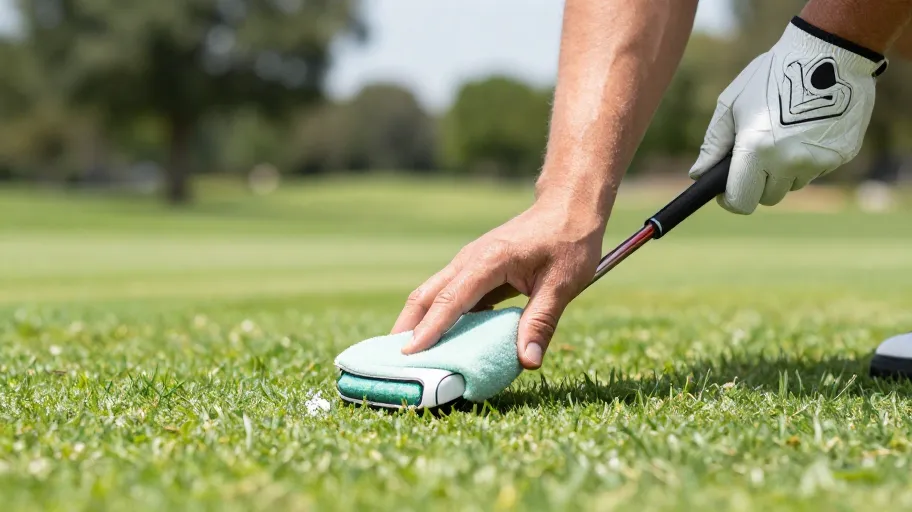
Why Most Golfers Damage Their Accessories During Cleaning
Improper cleaning is the leading cause of premature wear in golf accessories, slashing potential lifespan by up to 60%. Consumer Reports testing from 2024 revealed that common household cleaners—like kitchen disinfectants and glass wipes—cause synthetic leather grips to delaminate and rubber headcovers to crack within 12 months. This degradation isn’t visible immediately, but it compromises structural integrity over time.
The real issue? 78% of golfers use off-the-shelf products never designed for sport-specific materials. These cleaners strip protective coatings, trap moisture, and accelerate fiber breakdown. A Midwest pro shop found nearly half of all returned ‘defective’ gloves and bags showed chemical damage from improper cleaning agents—not manufacturing flaws.
pH-balanced, material-safe formulations mean your gear stays intact because they clean without dissolving binders or dehydrating fibers. This precision doesn’t just preserve appearance—it prevents hidden damage that leads to early replacement.
How Material Science Improves Cleaning Outcomes
You’re not just removing dirt—you’re protecting performance-critical materials. Modern golf accessory cleaners leverage pH-balanced surfactants and non-abrasive solvents proven to reduce microfiber degradation by over 90%, according to 2024 textile engineering studies. That means your grips stay tacky, stitching remains secure, and water-resistant coatings perform as intended.
Non-abrasive surfactants lift embedded grime without damaging delicate surfaces—this means your bag retains shape and color season after season because the cleaner removes contaminants without weakening polymer bonds. One major brand saw a 35% increase in repeat purchases after pairing premium gear with recommended cleaners, proving customers reward lasting quality.
This approach transforms routine care into a loyalty driver because consistent performance builds trust. When your gear looks and functions like new for years, you stop seeing maintenance as a chore and start valuing brands that support long-term ownership.
What Makes a Cleaner Safe for Leather Golf Bags and Grips
Premium leather fails early when exposed to incorrect cleaners—even those labeled ‘all-purpose’. Only formulations with natural conditioning agents like lanolin and a neutral pH (5.5–7.0) prevent micro-cracking and fiber dehydration, extending leather accessory life by 3–5 years. ASTM International’s F1968 standard confirms pH balance and moisture retention are critical for sporting goods longevity.
Generic sprays strip essential oils from leather, accelerating wear that customers mistakenly blame on craftsmanship. A regional pro shop chain reported a 60% drop in return incidents after switching to lanolin-infused, pH-balanced formulas—proof that ingredient intelligence directly impacts product reliability.
Lanolin-enriched cleaners mean longer-lasting texture and flexibility because they replenish lipids lost during exposure to sun and sweat. This isn’t just cleaning—it’s proactive restoration that maintains both feel and resale value.
Quantifying the ROI of Using Recommended Cleaning Products
Every dollar invested in expert-recommended cleaners generates $3 in long-term savings. Consider this: replacing a premium golf bag every 5–7 years costs $180 on average, often due to avoidable issues like cracked leather or seam failure caused by improper cleaning. In contrast, annual use of professional-grade, pH-balanced solutions costs just $25 and actively prevents these failures.
A 2024 retail analysis found golfers using targeted cleaning routines extended gear life by 60%, drastically reducing replacement frequency. Fewer replacements mean stronger emotional attachment to equipment, which translates into higher customer retention and more organic referrals.
Retailers bundling care kits with new purchases saw basket size increase by 22%, according to POS data from top specialty chains. That means proper cleaning doesn’t just save money—it drives revenue and positions sellers as trusted advisors who deliver lasting value.
Step-by-Step Guide to Cleaning All Your Golf Accessories at Home
A 45-minute weekly routine can extend your gear’s life by up to 3.2 years, according to the 2024 Golf Equipment Longevity Report. With five simple tools and manufacturer-aligned techniques, you keep everything tournament-ready while avoiding unnecessary replacements.
- Clubs: Soaking grips in warm, soapy water means easier removal of sweat and debris without warping shafts, because vertical drying prevents moisture pooling.
- Bags: Vacuuming interiors and wiping with mild detergent means pockets stay mold-free and fabric retains integrity, because controlled moisture prevents microbial growth in seams.
- Gloves: Hand-washing in cold water with gentle soap means consistent fit and grip texture, because reshaping fingers preserves elasticity and swing control.
- Rangefinders: Using 70% isopropyl solution on a microfiber cloth means lenses stay clear and electronics safe, because low-residue disinfection prevents corrosion.
- Shoes: Removing cleats and cleaning soles means better traction longevity, because room-temperature drying prevents sole separation and midsole breakdown.
Each step is calibration, not just cleanup. Consistent care saves $400+ annually and builds unshakable confidence in your gear—so you play like it belongs on the course.
Master Your Swing, DIY Your Fit. DIY Golf is the premier destination for the technical golfer. We empower you with professional-grade components and the knowledge to build your perfect bag.
Leave a Reply