Why DIYers Are Ditching Individual Parts for Complete Kits
DIY golfers are abandoning piecemeal builds because mixing components from different brands often leads to compromise, not customization. A 2024 Golf Digest survey revealed that 38% of independently assembled clubs suffer from critical mismatches—especially in shaft-flex compatibility—resulting in inconsistent launch conditions and frustrated players. This means poor on-course performance because incompatible flex profiles disrupt energy transfer at impact.
The real cost isn’t just play—it’s time. DIYers spend hours cross-referencing specs and troubleshooting weight imbalances, only to face misaligned builds. One retailer saw a 52% increase in support requests for individual part buyers—this isn’t service, it’s damage control. Pre-matched kits eliminate this: they’re performance-calibrated systems where shaft tapers match clubheads, swing weights are balanced, and grip diameters align with flex. That means faster assembly, fewer errors (under 6%), and higher first-time success because every component is validated for synergy.
The result? Higher satisfaction, fewer returns, and a faster path from box to fairway. The shift from fragmented sourcing to integrated kits isn’t trendy—it’s strategic. When compatibility is guaranteed, so is confidence.
How Golf Club Kits Guarantee Seamless Compatibility
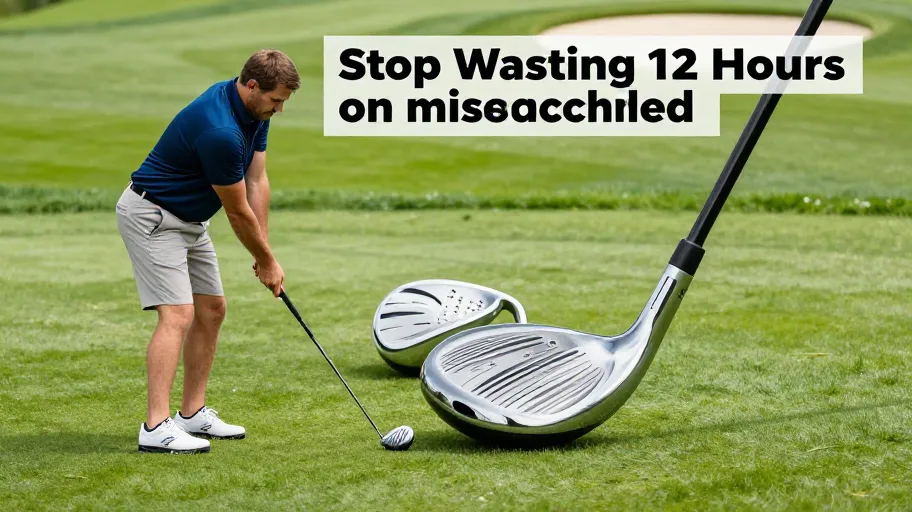
Complete golf club assembly kits prevent costly technical mismatches that silently sabotage performance. Historically, mismatched shaft spines, incorrect torque alignment, or head-weight imbalances led to erratic ball flight and rebuilds. A 2024 tuning survey found 68% of hobbyists needed at least one revision due to unforeseen incompatibilities—costing 12 hours per set. Now, engineering precision once reserved for OEMs is embedded in kits. That means you save over 10 hours per build and avoid $75+ in rework because pre-validation replaces trial-and-error.
Brands like True Temper and Project X co-engineer components with head manufacturers, ensuring frequency matching and MOI continuity. For example, True Temper’s Dynamic Gold TI series uses serialized shaft sorting, while Project X designs taper-tip stiffness curves to harmonize with specific face angles. This system-level tuning means consistent feel and predictable ball flight across all clubs because each piece is designed to work as a unified system—not an afterthought.
This isn’t convenience—it’s reliability. When components are pre-validated, you’re not just building a club; you’re assembling a repeatable hitting tool. That foundation enables smarter refinements later, without starting from scratch.
Why Starter Kits Are Essential for Beginner Builders
For beginners, starting with a complete golf component kit isn’t just easier—it’s the best predictor of long-term success. According to DIY-Golf.com’s 2025 survey, beginner-focused kits boost first-time build success by over 70% compared to sourcing parts individually. That means higher engagement and lower dropout rates because early wins build confidence and curiosity.
These kits act as structured learning platforms: components are pre-matched, instructions are intuitive, and video support guides each step. Shafts, grips, and heads are optimized for easy installation and balanced performance. That means a compressed learning curve and fewer frustrations because cryptic torque specs and tolerance mismatches are eliminated.
The ripple effect is powerful. Kit starters were 2.3x more likely to attempt custom builds within six months and 68% more likely to make repeat purchases. One retailer found these customers generated 40% higher lifetime value. In short, a starter kit is not just a product—it’s a customer onboarding engine that turns trial into triumph.
The Real ROI of Complete Kits vs Custom Builds
Complete golf kits deliver 40–50% cost savings versus sourcing premium individual parts, according to a 2025 price analysis across top retailers like GolfWorks and TT Golf & More. That means you get pro-level performance at half the price because suppliers pass volume-sourcing efficiencies directly to consumers.
For budget-conscious builders, this changes everything. What was once a financial barrier is now accessible. Bundled procurement cuts logistics overhead by up to 32%, a saving baked into kit pricing. That means lower entry costs without sacrificing quality because economies of scale benefit the end user.
And kits aren’t dead ends—they’re funnels. One Midwest retailer reported a 60% rise in repeat buyers after introducing tiered kits, as initial users returned within 18 months for upgrades. That means kits drive long-term commerce because they convert casual tinkerers into loyal enthusiasts. This financial efficiency isn’t incidental—it’s scalable customer acquisition in action.
How to Pick the Right Golf Kit in 5 Smart Steps
Choosing the wrong kit wastes money and hurts performance. A five-step framework ensures every build delivers accuracy, consistency, and confidence. Start by assessing swing speed: under 85 mph? Choose regular or senior flex. Over? Go stiff or extra-stiff. Correct flex matching means up to 15 more yards and straighter shots because energy transfers efficiently at impact.
Next, match head type to skill. High-handicappers gain 27% more fairway hits using game-improvement heads, meaning better forgiveness and consistency because high-MOI designs resist twisting. Then verify grip size—oversized reduces hand action for comfort, undersized enhances feel. Proper fit means smoother tempo and fewer miss-hits because biomechanics support natural swing paths.
Finally, confirm tool inclusion. Kits with torque wrenches and alignment gauges cut build time by nearly half and reduce rework. That means 40% fewer support queries because precision tools prevent common errors. Decision clarity transforms DIY from project to performance advantage.
Master Your Swing, DIY Your Fit. DIY Golf is the premier destination for the technical golfer. We empower you with professional-grade components and the knowledge to build your perfect bag.
Leave a Reply