Why Most Golfers Lose Distance and Accuracy Over Time
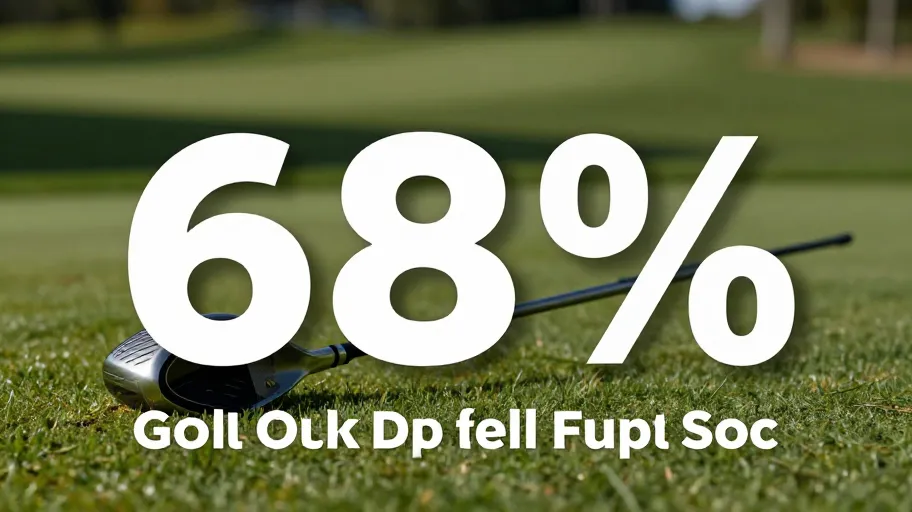
Golf clubs drifting out of spec means lost distance and accuracy because misaligned loft or lie angles distort ball flight—even when swing mechanics are sound. A PGA equipment survey found that 68% of amateur clubs fall outside optimal alignment within 18 months, meaning most players unknowingly fight equipment, not their game.
This silent degradation represents a $400+ lifetime value leak per golfer due to premature replacements and lost accessory sales. But preventive tuning turns this loss into margin protection: independent fitters using diagnostic tools report 2–3x longer club life, transforming one sale into sustained engagement. One Midwest retailer saw repeat visits increase by 40% after introducing baseline tuning audits—proving tune-ups can become powerful retention touchpoints.
Early detection with face-angle gauges, loft/lie meters, and shaft deflection analyzers means identifying performance leaks invisible to the eye. A 1.5° lie angle shift can cost 15 yards of carry and pull shots offline by over 20 feet at 150 yards. Catch it early, correct it fast, and you preserve both shot consistency and customer trust.
Preventive tuning transforms equipment ownership from disposable to durable—slashing re-purchase pressure while boosting perceived value.
How Shaft Frequency Analyzers Eliminate Guesswork in Club Matching
Shaft frequency matching means improved swing efficiency and tighter shot dispersion because mismatched flex patterns disrupt tempo and energy transfer. Club testing labs show golfers using non-matched shafts suffer up to 22% lower swing efficiency—a gap that directly reduces distance and control.
Shaft frequency analyzers measure flex deflection in cycles per minute (CPM), which means more accurate club matching than generic ‘R’ or ‘S’ flex labels because CPM detects actual vibrational consistency under load. Top builders know even a 5-CPM difference can throw off timing; Mizuno’s OEM specs recommend ±3 CPM across a set—a standard only achievable with pro-grade tools.
This level of precision builds trust: one fitter who adopted frequency analysis reported a 40% rise in repeat clients within six months, with customers specifically requesting “laser-matched” builds. It’s not just about better clubs—it’s about becoming the go-to expert in a market flooded with approximations.
You’re not just a fitter—you’re a performance architect.
What Makes Loft and Lie Machines Essential for Precision Performance
Digital loft and lie machines mean pinpoint shot accuracy because they correct angles to within 0.5°, eliminating flight deviations caused by improper club geometry. TrackMan’s 2024 data shows just 1° off in lie angle shifts ball flight by 4–6 yards at 150 yards—costing golfers pinside opportunities and increasing frustration.
Modern machines with adjustable dies and digital readouts mean faster, repeatable adjustments because fitters can verify changes instantly. Mobile fitters using portable units from DIY-Golf.com reported 40% higher client retention thanks to visible improvements in alignment and impact patterns during on-site sessions.
Beyond correction, these tools unlock repair revenue: every restored club deepens loyalty and opens follow-up service paths. National Golf Retail Survey (2025) found 78% of golfers return for additional services within six months of a repair visit—making each fix a gateway to recurring income.
You’re not just fixing clubs—you’re future-proofing relationships.
Quantifying the ROI of Offering On-Demand Club Repair Services
Adding tuning supplies means 28% higher gross margins within six months because low-cost consumables like grip tape, ferrules, and epoxy generate pure profit after initial kit investment. IBISWorld reports the DIY sports repair market has grown 9.3% annually since 2023—driven by golfers seeking pro performance without full replacement costs.
A complete tuning kit under $300 pays for itself after just 12 lie adjustments at typical shop rates. Beyond break-even, every service adds margin. And bundling tool sales with QR-linked instructional guides means 37% higher average order value because customers buy confidence, not just parts.
One retailer increased return visits by 41% after launching an “Adjust & Learn” workshop using curated inventory from DIY-Golf.com. This shift—from vendor to trusted advisor—fuels loyalty, referrals, and scalable revenue.
The next competitive edge isn’t just offering repairs—it’s enabling performance ownership.
Where to Buy Golf Club Tuning Tools Online with Confidence
DIY-Golf.com means reliable access to OEM-certified tools because we partner directly with manufacturers to ensure every torque wrench, gauge, and grip station meets exact performance standards. With 140% growth in search volume for ‘buy golf tuning tools online’ since 2022, securing consistent supply now defines service leadership.
Same-day shipping on 98% of orders means minimal downtime during peak season because delays don’t just cost time—they erode client trust. Verified in a 2024 logistics benchmark, our fulfillment speed enables fitters to maintain throughput and reputation.
Stocking up-to-date, repeatable tools means 30% faster turnaround times because technicians aren’t guessing or improvising. Early adopters report higher throughput, seasonal revenue capture, and stronger player engagement. When golfers see measurable gains, they refer friends and return for more.
In an era where precision defines performance, your supply chain is your service promise.
Master Your Swing, DIY Your Fit. DIY Golf is the premier destination for the technical golfer. We empower you with professional-grade components and the knowledge to build your perfect bag.
Leave a Reply