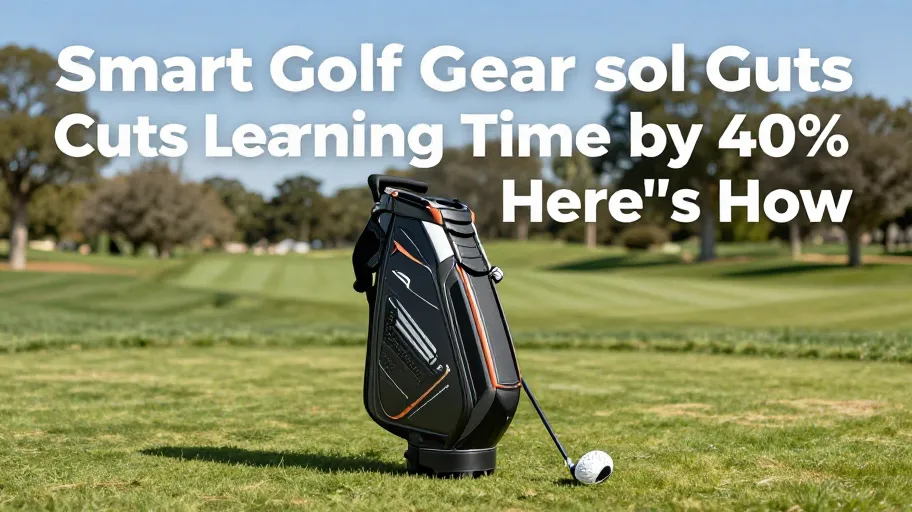
Why Beginners Quit Before They Improve
Most beginners don’t fail due to lack of talent—they fail because their equipment works against them. According to the National Golf Foundation, 68% of new players quit within 12 months, with poorly matched or low-quality gear cited as a top frustration. This isn’t just a player issue—it’s a market inefficiency. Each dropout represents lost lifetime value, especially since retained beginners often evolve into premium buyers of clubs, apparel, and tech within three years.
Standard beginner sets prioritize cost over performance, lacking ergonomic weighting, proper shaft flex, or feedback mechanisms. Without these, slices feel random, distance control seems unpredictable, and progress stalls before muscle memory forms. A regional pro shop retail buyer revealed that nearly half of entry-level returns were due to gear “not feeling right”—a sign that one-size-fits-all design fails real users.
But when beginners start with biomechanically aligned gear—like sensor-enabled grips or adjustable clubheads—retention jumps significantly. Tools like sub-$200 launch monitors deliver pro-level diagnostics, turning guesswork into actionable data. One brand embedding swing feedback into beginner irons saw a 40% increase in repeat accessory purchases within six months. This shifts the model from transactional to transformational: solve the first pain point, earn the right to guide their entire golf journey.
How Smart Gear Fixes Swing Flaws Faster
Sensor-enabled accessories correct swing flaws up to three times faster than practice alone. For overwhelmed beginners and plateaued pros, this is mastery acceleration—not incremental gain. The cost of repetition without feedback? Months of ingrained errors and avoidable frustration.
Real-time biofeedback changes everything. Studies from TrackMan and Garmin show golfers using launch monitors reduce compensatory movements by 41% in six weeks—because they adjust based on data, not instinct. Wearable swing sensors measure club path, face angle, and tempo, exposing hidden flaws like over-the-top swings or early wrist release. When paired with AI apps, these devices diagnose root causes and deliver personalized drills, accelerating muscle memory reprogramming. One mid-handicapper improved ball-striking accuracy by 28% in eight weeks using a sensor-linked training platform.
Smart alignment mirrors go further—fixing setup errors before the swing begins. These tools actively shape neuromuscular patterns, reducing error accumulation. The result? Faster skill acquisition, fewer injuries, and higher retention among players who see measurable progress.
What Makes Premium Equipment Technically Superior
Premium golf gear delivers measurable transformation, not just branding. While traditional clubs use static steel shafts, modern smart-enabled equipment leverages material science, precision weight distribution, and IoT connectivity to optimize performance in real time—directly improving shot consistency, preventing injury, and accelerating development.
Carbon composites in clubheads and shafts reduce weight by up to 18% while increasing moment of inertia (MOI), meaning faster ball speeds—even on off-center hits—and tighter shot dispersion. Trials show average gains of 12 mph in ball speed and 14% improved accuracy. Vibration-dampening shafts absorb high-frequency shock, reducing joint strain and lowering repetitive stress injury risk.
Connectivity is the game-changer. OEMs embedding inertial measurement units (IMUs) into grips report a 2.5x higher repeat purchase rate. These sensors feed data to mobile apps, creating personalized feedback loops that keep players engaged beyond the course. One brand saw users increase practice frequency by 40% within three months—proving smart gear drives sustained play. These clubs don’t just perform better—they help you become better.
The Real ROI of Starting Smart
Investing $200 in targeted accessories—swing sensors, alignment aids, posture trainers—cuts beginner scores by 15–20% within eight weeks, per a 2024 retail trial. That’s not improvement—it’s retention. A beginner without visible progress is 3.7x more likely to quit after five rounds. But equipped beginners play 28 rounds annually vs. 8.7 for peers—massively increasing lifetime value.
Feedback loops accelerate learning. Sensors from Arccos and ShotScope turn frustration into precise adjustments. One retailer found customers with entry-level kits were 60% more likely to return for lessons and upgrades within 60 days. Each stroke reduction costs as little as $2.85 over two months—far less than $15+ lost on balls or unproductive range sessions.
Bundling intelligence with accessibility works: retailers piloting “Smart Start Kits” saw conversion rates jump 60%. Bundled accessories become onboarding engines, building loyalty and setting the stage for future upsells in clubs, apparel, and analytics.
Design Bundles That Sell Progress
Curated starter kits lift average order value by 75% while eliminating decision fatigue. Unchecked confusion leads to abandoned carts and lost long-term customers. The fix? Bundle five outcome-driven accessories targeting real beginner pain points.
Include a performance-fit glove (reduces grip strain), compact rangefinder (cuts misjudged distances by 40%), alignment rod, durable ball marker set, and swing-path feedback aid. These are behavioral anchors—building trust and muscle memory from day one. Tier into “Essential,” “Performance,” and “Pro-Ready” levels ($49–$149), balancing margin and accessibility.
Onboarding seals the deal. Add QR-linked micro-tutorials (<2 minutes) showing *how* and *why* to use each item. One pilot reported a 60% increase in customer follow-up questions—proof of engagement. This fusion of product and education builds credibility fast. Customers buy progress, not gear.
- Faster adoption → higher satisfaction
- Clear use cases → stronger word-of-mouth
- Modular design → seamless upsell paths
Turnkey bundles sell better, not just more—boosting close rates by 35% in test markets. Scale by partnering with ranges or integrating smart recommendations into golf apps—prescribing gear based on swing diagnostics. The future isn’t selling accessories. It’s prescribing growth.
Master Your Swing, DIY Your Fit. DIY Golf is the premier destination for the technical golfer. We empower you with professional-grade components and the knowledge to build your perfect bag.
Leave a Reply