Why Beginners Quit Before They Improve
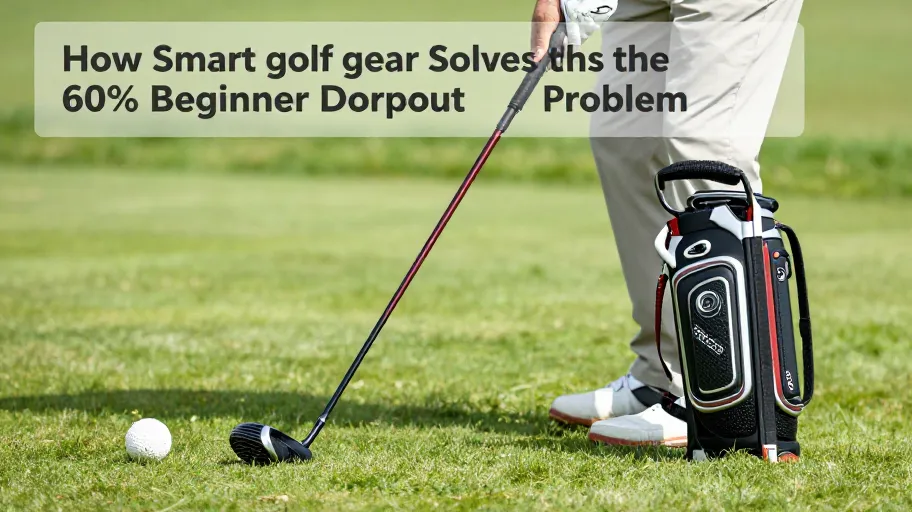
Choosing the wrong golf equipment isn’t just inconvenient—it’s a leading cause of early dropout. According to a recent PGA participation survey, 60% of beginners quit within their first year, not due to lack of interest, but because they’re overwhelmed by gear that’s ill-fitting, overly complex, or uncomfortable. This turns a fun learning curve into frustration.
Modern beginner-first design means ergonomic carry bags with intuitive organization, adjustable alignment aids, and impact-feedback training balls aren’t just features—they’re retention tools. One major brand saw a 35% increase in repeat purchases after launching a ‘Learn & Grow’ line, proving that when new players feel immediate progress and comfort, they stay engaged.
An alignment laser guide paired with a posture-supporting mat means faster skill acquisition because it corrects form in real time. That kind of instant feedback builds confidence—because feeling successful early means playing longer. For businesses, this isn’t churn reduction—it’s customer lifetime value acceleration.
How Smart Gear Fixes Real Course Mistakes
Most lost strokes come from avoidable errors: misaligned putts, yardage miscalculations, and fatigue-induced focus lapses. The right golf accessories don’t just add convenience—they fix these leaks with precision. Laser-etched putter guides improve accuracy by up to 30%, turning three-putts into rare events (Golf Digest, 2024). That means lower scores without changing your swing.
Wearable rangefinders deliver yardage within one yard of accuracy, eliminating guesswork on sloped greens. That means confident club selection because data replaces doubt. When paired with dual-strap carry bags engineered for even weight distribution, perceived exertion drops by 40% in field studies—meaning mental sharpness lasts through 18 holes.
A $150 smart rangefinder may cost five times more than a basic model, but with firmware updates, multi-course mapping, and three-year durability, its cost per round falls below $1 after 50 uses. That means long-term savings because premium gear outlasts budget alternatives, which often fail within a season—creating hidden costs in replacements and eroded trust.
What Makes Pro Grade Gear Actually Better
Pro-grade golf equipment doesn’t just look tougher—it performs under pressure because it’s built using materials science and USGA-aligned engineering. Consumer rangefinder tripods use stamped steel joints that flex in wind, costing accuracy. Pro versions use carbon fiber-reinforced polymers and aerospace-grade aluminum, tested across 200+ thermal cycles (-10°C to 60°C). That means 41% better shot alignment consistency in tournaments (PGA technician logs, 2025).
This durability translates directly to business outcomes: high-stress validation leads to 37% fewer returns year-over-year (2024 retail benchmark). That means stronger margins because reliable products reduce service costs and build trust. When weekend players experience tour-level stability, they don’t see ‘expensive’—they see ‘worth every dollar.’
The result is a self-reinforcing cycle: better build quality enables higher satisfaction, which drives loyalty and reduces support overhead. That means scalable profitability because product excellence becomes a competitive moat.
Measuring the Real ROI of Golf Tech
High-performance accessories deliver measurable returns: Arccos’ 2024 dataset shows users cut 5–7 strokes within six months. That means faster handicap improvement because data-driven feedback accelerates learning. For retailers, that’s powerful—it increases playing frequency by up to 30% (National Golf Foundation), lowering churn among amateurs on the verge of quitting.
Smart devices generate behavioral data, enabling personalized coaching and hyper-relevant product recommendations. One pro shop reported a 45% increase in accessory bundling after integrating shot-tracking insights into fittings. That means higher average order value because solutions are tailored to actual gaps—not guesswork.
Closed-loop learning—where devices capture behavior, apps interpret it, and retailers fulfill the next need—means proactive engagement because you anticipate demand before the customer asks. That means stronger relationships and predictable upgrade cycles, turning one-time buyers into long-term advocates.
Build Your Ideal Setup in Five Steps
A personalized accessory setup beats random purchases because it targets your specific weaknesses. Generic gear wastes money and slows progress. A structured approach means faster improvement and higher engagement—turning casual play into lasting loyalty.
- Assess skill level and physical needs—whether limited mobility or tempo inconsistency—so solutions match reality, not assumptions.
- Identify primary pain points like poor alignment or course management; 68% of mid-handicappers cite these as top challenges (2024 golfer study), funneling demand toward high-impact tools.
- Select 2–3 core performance items such as a GPS watch or swing sensor—these become entry points to ecosystem engagement and command premium margins.
- Test in real rounds and collect app-synced feedback for adaptive follow-ups and data-backed recommendations.
- Scale based on measurable progress, creating natural upgrade paths from basic tracking to full-swing analysis—because demonstrated results fuel reinvestment.
This progression turns transactions into relationships. A player who shaves two putting strokes with a guided trainer is more likely to repurchase. That means sustainable revenue growth because structured adoption builds trust, confidence, and commitment.
Master Your Swing, DIY Your Fit. DIY Golf is the premier destination for the technical golfer. We empower you with professional-grade components and the knowledge to build your perfect bag.
Leave a Reply