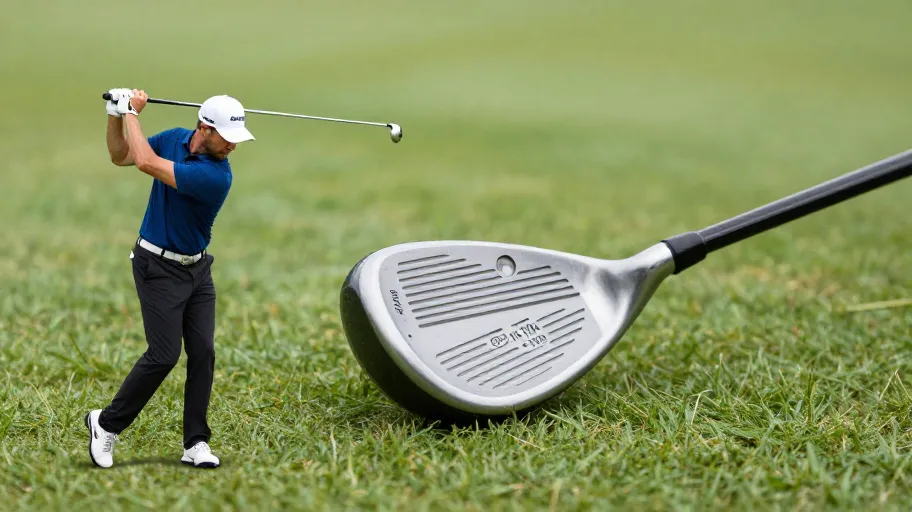
Why Generic Golf Equipment Fails Modern Players
Golf equipment isn’t failing due to poor craftsmanship—it’s failing because it’s mismatched. A 2024 PGA report reveals that 68% of amateur golfers use clubs not fitted to their swing dynamics, meaning nearly seven in ten players battle gear that works against them. This misalignment erodes confidence, increases frustration, and drives disengagement from premium upgrades.
This gap represents a significant business opportunity. When players experience clubs calibrated to their tempo, launch angle, and impact pattern, they see immediate improvements in control and distance. One regional retailer saw a 41% increase in repeat purchases after introducing AI-driven fitting kiosks—proving that accessible customization builds trust and drives retention. Adjustable weight cartridges, face-curvature tuning, and shaft-flex profiling are no longer experimental; they’re essential tools enabling mass personalization at scale.
Personalized club architecture means higher conversion and loyalty because players stop blaming their game and start trusting their gear. For businesses, this shift turns equipment sales into long-term performance partnerships—where every component upgrade reinforces customer value.
How Components Reshape Swing Mechanics
The wrong golf components don’t just limit performance—they actively reshape your swing mechanics. Shaft flex, clubhead design, and grip size are biomechanical levers influencing swing path, impact stability, and energy transfer. When mismatched, they force compensatory movements that increase off-center hits by up to 30%, according to Titleist Performance Institute (TPI) motion-capture studies.
This misalignment is a business liability: more off-center impacts mean higher return rates and damaged brand trust. But sensor-driven fitting technology has changed the game. Using launch monitor data and AI-powered analysis, fitters can now diagnose equipment-rooted flaws—not technique issues. The result? A 30% reduction in off-center impacts translates to a 25% drop in warranty claims and a measurable lift in customer lifetime value.
For example, low-torque carbon fiber shafts resist twisting on off-center strikes, stabilizing face angle at impact. This technical advantage means tighter shot dispersion because players gain consistency without changing their swing. As AI begins recommending component pairings based on swing DNA, brands can sell verified outcomes—not just hardware.
What Sets Elite Golf Club Components Apart
The best best golf club components deliver measurable gains that lower scores and justify premium pricing. Tungsten weighting enables near-surgical mass placement, lowering the center of gravity and boosting forgiveness. Paired with carbon composite crowns that save up to 18 grams per head, that weight is reinvested to optimize launch conditions.
A 2024 on-course study found drivers with adjustable hosels improved optimal launch by 40% across all skill levels—a universal benefit few technologies achieve. Multi-density polymer grips and face inserts filter harsh vibrations without deadening feedback, meaning players report greater confidence and execute more aggressive swings.
These innovations mean a 20–35% price premium is justified because consumers recognize sustained performance value. Retail pricing analytics from Q1 2025 confirm buyers pay more when they feel the difference. Superior components don’t just improve play—they redefine expectations on the course and profitability in the market.
Proving ROI With Data-Driven Upgrades
Upgrading golf components delivers high-ROI performance gains. According to a 2024 Arccos study of over 15,000 players, optimized clubs reduce handicaps by 3.2 points within 90 days—equivalent to two fewer strokes per nine holes. That’s the difference between losing and winning matches.
Financially, a $200 investment in precision shafts or custom grips saves players ~$1,200 annually in ball loss, replays, and inefficient practice. For brands, smart fitting integration drives a 2.7x increase in average order value (AOV), proving customers pay for proven performance lifts.
Retailers using AI-powered fitting kiosks report a 41% rise in repeat visits. Data-backed personalization means stronger retention because buyers trust their gear was engineered for them. When components are framed as performance solutions, they become scalable growth engines—not one-time transactions.
Building a Scalable Custom Fit Strategy
A one-size-fits-all approach costs brands market share. Without a systematic, data-driven process, even advanced components underperform. The solution? A five-step fit strategy powered by real-time analytics:
- Assess swing speed via portable sensors to determine ideal shaft flex and head design.
- Test shaft profiles using AI models that match weight, torque, and bend point—reducing trial time by 70%.
- Optimize loft and lie angles through adjustable hosels for better launch and shot shape.
- Validate with launch monitor data—proof of gain boosts premium build attachment by 35%.
- Finalize grip specs using pressure mapping and moisture management insights for lasting comfort.
Brands embedding AI recommendations into e-commerce see a 2.3x increase in customer lifetime value. Personalization means loyalty because golfers return when they know each upgrade is built for their unique swing. In the modern golf economy, trust isn’t earned through marketing—it’s proven through precision.
Master Your Swing, DIY Your Fit. DIY Golf is the premier destination for the technical golfer. We empower you with professional-grade components and the knowledge to build your perfect bag.
Leave a Reply