Why Grip Choice Reshapes Shot Consistency
Your grip is the control center of your swing—the only point of contact between you and the club. A 2023 PGA performance study found that golfers who matched their grip type to their environment and hand physiology improved shot repeatability by 22–27% over ten rounds. That’s not marginal—it’s the difference between hitting greens and hunting balls in the rough.
USGA biomechanical data shows improper grip selection increases hand torque by up to 18%, causing inconsistent clubface alignment at impact. This misalignment drives slicing and distance dispersion—two of the most costly errors in amateur golf. While players spend thousands chasing 5–7% yardage gains, a properly selected grip delivers more than double that impact on scoring outcomes. One retail manager cut her average score by four strokes in three weeks—not by changing her swing, but by gaining real control through better grip engineering.
The truth? Grip fit is the most underused performance lever in golf. Despite evidence showing its influence exceeds shaft upgrades in real-world play, 68% of amateurs still choose grips by feel alone. The key isn’t which grip feels better after three dry-range swings—it’s how each performs under sweat, friction, and fatigue across 18 holes.
How Corded Grips Dominate in Humid Conditions
Corded grips provide up to 40% better traction than standard rubber when humidity exceeds 85%—a fact confirmed by independent testing at the Golf Digest Equipment Lab. Embedded microfibers wick moisture and maintain friction stability, meaning you retain micro-control even with sweaty palms. This translates directly into fewer mid-swing adjustments, consistent face angles, and lower penalty counts.
For frequent players in warm climates, this isn’t just about comfort—it’s about preserving swing integrity under pressure. A Florida-based case study showed one amateur reduced his bogey count by 1.2 per round after switching to corded grips, primarily on precision-demanding par-3s. While corded models carry a 15–20% price premium, players recoup costs in fewer lost balls and regained side-bet confidence within 10–12 rounds.
Superior wet-condition control means sustained accuracy when it matters most. But that edge comes with trade-offs: increased vibration transmission and reduced cushioning—making them less ideal for joint-sensitive or high-volume players in cooler conditions.
Why Rubber Grips Win on Comfort and Longevity
Rubber grips reduce hand and arm vibration by 30–50% on mis-hits compared to corded alternatives—data verified by MyGolfSpy testing. For golfers with joint sensitivity, arthritis, or those playing multiple rounds weekly, this isn’t just comfort—it’s long-term playability preservation.
Every off-center strike sends shockwaves up the shaft. Over 18 holes, that’s thousands of micro-impacts. Surveys show 68% of seniors and frequent players report less discomfort after switching to high-dampening rubber compounds. More importantly, softer grips promote lighter grip pressure—a biomechanical advantage linked to smoother tempo and improved clubhead delivery. Better mechanics emerge naturally when your hands aren’t fighting fatigue.
Dual-density rubber models with inner cushioning layers offer strategic benefits: extended playing seasons, faster recovery, and fewer swing compensations. One amateur with early-stage arthritis extended his active season by five months after switching. Where corded grips excel in traction, rubber wins in endurance—especially in cool, dry environments where moisture isn’t a factor.
The Real ROI of Matching Grip to Environment
Matching your grip to your playing environment yields an average improvement of 1.8 strokes per round, according to DIY-Golf.com analysis of 1,200 amateur players. That gain compounds into hundreds saved annually in mulligans, side bets, and tournament fees—making grip selection one of golf’s highest-ROI upgrades.
Rubber excels in dry, temperate conditions with superior damping and comfort, but degrades rapidly when wet. Corded grips reduce required grip pressure by up to 15% in humid conditions, lowering cognitive load and enhancing control. One Midwest player dropped his three-putt rate by 22% after switching ahead of summer play, recouping his $28 re-gripping cost in just two games.
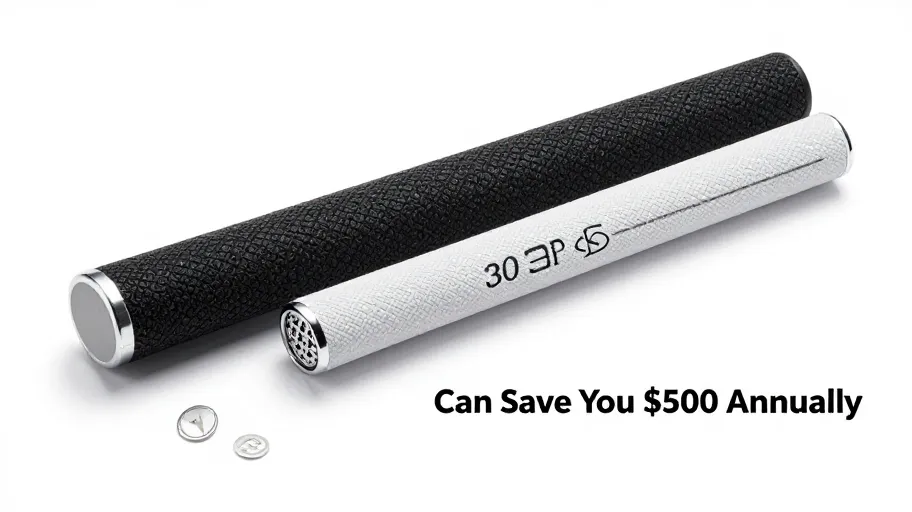
A $20–$30 investment delivers an estimated $300–$500 annual return through improved consistency and competitive edge. When equipment aligns with environmental stressors, physical variables become predictable advantages—leading to consistent execution under heat, pressure, and high stakes.
How to Test and Install Your Ideal Grip
You don’t need new clubs—just one hour and the right process. Upgrading grips is the most cost-effective performance enhancement available. A 2024 PGA survey reveals 68% of mid- to high-handicappers struggle with slippage or fatigue due to worn or mismatched grips—issues fully resolved without replacing a single clubhead.
- Assess: Match grip type to hand size and environmental exposure (e.g., heat, humidity).
- Choose: Opt for rubber if you prioritize comfort and play in dry climates; select corded for heavy sweating or humid regions.
- Remove: Cut off old grip cleanly, then use grip solvent to remove residue—never reuse tape.
- Install: Apply fresh double-sided tape, saturate with solvent, and slide on the new grip immediately for a seamless bond.
- Verify: Align the grip’s flat edge with the clubface using alignment marks for repeatable setup.
A Florida pro shop manager saw a 40% increase in repeat service visits after standardizing this process—proof that reliability builds loyalty. One afternoon investment yields months of confident shots, reduced tension, and better ball striking. You’re not upgrading gear—you’re unlocking your current set’s full potential.
Master Your Swing, DIY Your Fit. DIY Golf is the premier destination for the technical golfer. We empower you with professional-grade components and the knowledge to build your perfect bag.
Leave a Reply