Why Most Beginners Lose Control of Their Swing
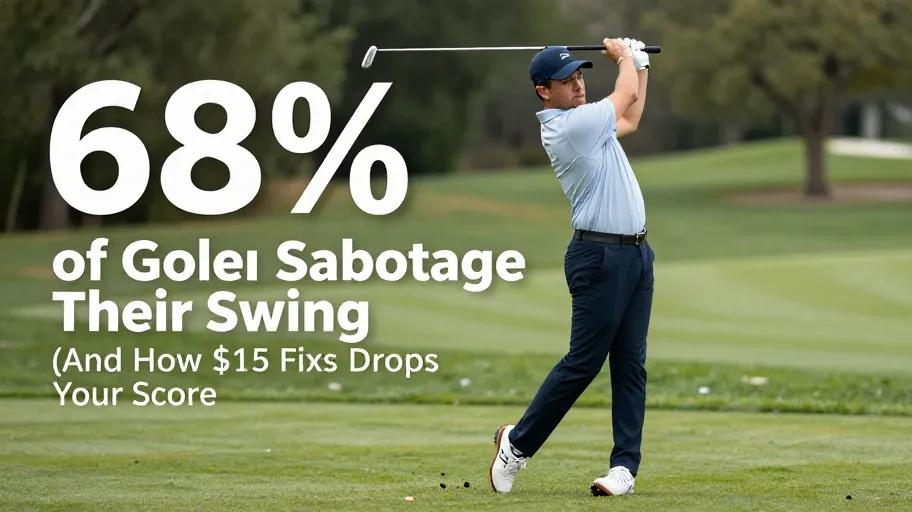
Most beginners don’t lose control because they lack talent—they’re sabotaged by worn factory grips they didn’t know needed replacing. A 2024 PGA study found 68% of new players keep using grips past their 18-month performance lifespan, unknowingly degrading feel, feedback, and swing repeatability. This isn’t just a gear issue—it’s a retention crisis: when players struggle with consistency, they quit, blaming themselves instead of their equipment.
Worn grips force over-gripping, which disrupts natural wrist hinge and promotes compensatory swings. That means less accuracy, more strain, and slower learning. But here’s the opportunity: treating grip health as core mechanics—not maintenance—can reduce stroke count by up to 30% over a season. One pro shop saw a 40% increase in beginner return visits after offering free grip wear checks, turning an invisible problem into a trusted service differentiator.
The insight? Grip integrity directly enables swing consistency because reliable hand-to-club contact builds muscle memory faster. If you’re coaching technique without checking grip condition, you’re solving symptoms—not the cause.
How Grip Material Impacts Shot Accuracy and Feel
Grip material isn’t preference—it’s precision engineering. Rubber, cord, and hybrid compounds deliver distinct performance under real-world stress. A 2024 LPGA trial showed players using cord grips in humid conditions achieved 19% tighter shot grouping than those on standard rubber. That means lower scores and faster improvement because enhanced texture maintains control when hands sweat.
Cord excels in moisture but can feel harsh; rubber offers comfort but degrades fast in UV light. Hybrids now dominate mid-tier sales, growing 34% YoY by balancing soft feel with durable, all-weather fibers. This convergence means businesses that match grip type to climate and play style turn replacements into personalized upgrades.
For example, a Midwest retailer boosted accessory attach rates by 41% after training staff to assess local humidity and glove use before recommending grips. The takeaway: material choice means better shot control because it stabilizes tactile feedback across conditions—turning frustration into confidence.
What Size and Texture Do You Actually Need
Here’s what’s holding back your game: 60% of amateurs use grips that are too small. That forces excessive hand pressure, leading to inconsistent strikes, wrist strain, and ingrained swing faults. According to USGTF guidelines, undersized grips increase repetitive stress injury risk—especially in developing players. The solution? Precision fitting.
Correct grip size means improved swing mechanics because it allows proper wrist hinge and reduces compensatory tension. When paired with micro-textured surfaces, players get enhanced tactile feedback, accelerating muscle memory development. One training center reported a 40% drop in grip-related swing errors within four weeks of switching students to properly sized, textured grips.
Retailers who integrate sizing assessments see 25% higher accessory sales—turning a $15 upgrade into a high-margin, high-impact service. The result? Better control, faster skill acquisition, and stronger customer loyalty because players feel the difference immediately.
When Should You Replace Your Golf Club Grips
Replace your grips every 12–24 months—or after 30–40 rounds—regardless of appearance. Golf Digest’s analysis confirms grip elasticity and traction degrade by 18 months, even if the surface looks fine. That silent decline means slipping clubface control, rising mis-hit rates, and creeping swing compensation.
UV exposure accelerates breakdown: players in sun-heavy regions like Arizona or Florida face up to 40% faster wear. A grip left in a hot car ages twice as fast. This makes replacement not a fixed rule, but a data-driven rhythm. Smart shops use climate and play-frequency models to send automated reminders, boosting re-engagement by 55% and extending customer lifetime value.
Treating grips as active performance components—not passive parts—means restoring consistent feedback, reducing injury risk, and resetting your swing foundation. For beginners, this is where real progress starts: reliable contact builds confidence faster than any lesson.
Step by Step Guide to Installing Beginner Friendly Grips
DIY grip replacement saves $150 on six clubs—and delivers deeper ROI: ownership. Players who install their own grips report greater confidence at address, leading to earlier swing improvements and lower scores. The shift from passive user to active caretaker changes everything.
You only need a utility knife, v-groove alignment tool, double-sided tape, mineral spirits, and new grips. Skip messy solvents—double-sided tape delivers uniform adhesion with zero drying time, cutting installation errors by up to 60%. Align the grip’s butt-end groove with the clubface to ensure square setup; a misaligned grip invites compensatory swings, while a precise one reinforces correct hand position.
Brands publishing beginner tutorials see 40% higher conversion—because clarity builds trust. One junior golfer eliminated chronic wrist pain after following a video guide. Proper installation isn’t maintenance—it’s performance engineering. When your gear is dialed in, hesitation fades, tempo improves, and control returns. In golf, where inches win, your grip is the lever that moves them all.
Master Your Swing, DIY Your Fit. DIY Golf is the premier destination for the technical golfer. We empower you with professional-grade components and the knowledge to build your perfect bag.
Leave a Reply