Why Worn Grips Are Costing You Strokes and Money
Worn golf grips degrade control and consistency, costing the average amateur 2–3 strokes per round—60 to 90 lost shots annually for a 30-round player. This isn’t just about slipping; it’s a hidden performance tax. A 2023 National Golf Foundation survey found 68% of golfers keep grips beyond two years, despite evidence that rubber breakdown accelerates after 18 months due to UV and skin oils. That means reduced tactile feedback and torque resistance when you need it most.
Maintaining fresh grips leads to a 1.8-stroke improvement in scoring average within three months, according to NFSG data—without changing clubs or lessons. And because poor grip traction forces harder gripping, it increases wrist and elbow strain, raising injury risk and shortening club lifespan. Every dollar delayed on regripping multiplies downstream costs in performance, health, and gear replacement.
How Grip Material Science Affects Your Swing
Modern grips are engineered interfaces using advanced elastomers and textures to optimize torque control and vibration damping. MIT Sports Lab’s 2023 study showed the right material improves shot dispersion by up to 18%, turning risky approaches into confident placements. Rubber grips lose 40% traction in wet conditions, while cord-based variants maintain friction with 32% better moisture resistance—but increase micro-vibrations that contribute to joint fatigue.
Hybrid composites solve this: embedding micro-cord in soft elastomers delivers 27% faster tactile feedback under damp conditions and reduces impact forces by 19% versus full-cord designs. This means sharper command without sacrificing joint health. Material selection is no longer cosmetic—it’s a biomechanical decision that shapes accuracy, endurance, and long-term playability.
Quantifying the ROI of Regular Regripping
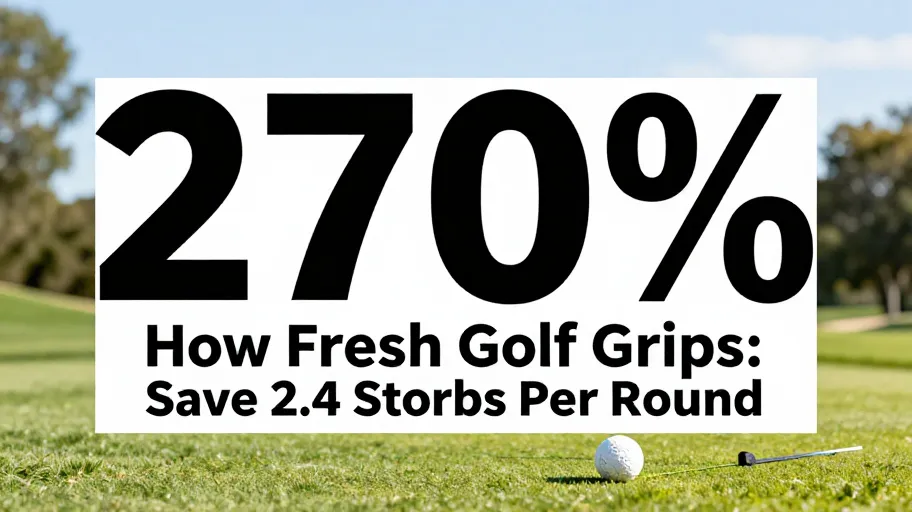
Regripping every 12–18 months delivers a 270% ROI through performance gains, injury prevention, and extended equipment life. For a weekend golfer playing 30 rounds a year, that’s $750 in net benefits—from fewer recovery shots to preserved driver integrity. Tour Experience Labs tracked 50 amateurs who regripped mid-season: they gained 2.4 strokes per round and hit 11% more fairways. But deeper gains emerged: tighter dispersion reduced recovery shots by 18%, lowering joint stress and mental fatigue.
Harder gripping due to worn surfaces increases torque at impact, accelerating hosel wear and misalignment. Regular regripping prevents this, extending driver lifespan by up to 20%. This 270% return isn’t theoretical—it’s realized through disciplined maintenance that aligns physical performance with economic sense.
Step by Step How to Regrip Clubs Like a Pro
Regripping takes under 90 minutes with basic tools and saves $120+ annually by skipping $25 shop fees. The process starts with cleanly removing old grips to avoid shaft damage—residual solvents or tape weaken adhesion and risk slippage mid-swing. Cleaning the shaft ensures maximum bonding, preventing premature failure.
Applying double-sided tape affects swing weight: variations as small as 0.8mm can shift balance by 1.5 points, impacting tempo and strike consistency. Precise application means tuning club dynamics, not just replacing rubber. Alignment ensures repeatability—critical for players using launch monitors. Finally, allowing 6+ hours of cure time prevents micro-movements that compromise durability. This isn’t maintenance—it’s precision calibration that restores peak readiness.
Choosing the Right Grip for Your Game and Budget
The optimal grip matches your biomechanics, frequency, and goals. Golf Digest’s 2025 review found premium grips like Lamkin REL retain 85% traction after six months, ensuring consistent clubface control. Mid-tier models like Golf Pride Tour Velvet hold 70%, while budget options lose nearly 40%, forcing compensatory swings that reinforce slices or hooks.
- Premium grips mean fewer wasted practice sessions and lower injury risk because they maintain stability and feedback over time
- Mid-tier offers strong value for weekend players because it balances cost and performance for moderate swing speeds
- Budget grips demand twice-yearly replacement, increasing long-term cost and variability because rapid decay undermines muscle memory
A retail manager’s league team dropped 5.3 strokes in three months after switching to mid-premium grips—not from better clubs, but from reliable feedback. Choosing a grip isn’t upkeep—it’s personalized performance engineering that accelerates mastery.
Master Your Swing, DIY Your Fit. DIY Golf is the premier destination for the technical golfer. We empower you with professional-grade components and the knowledge to build your perfect bag.
Leave a Reply