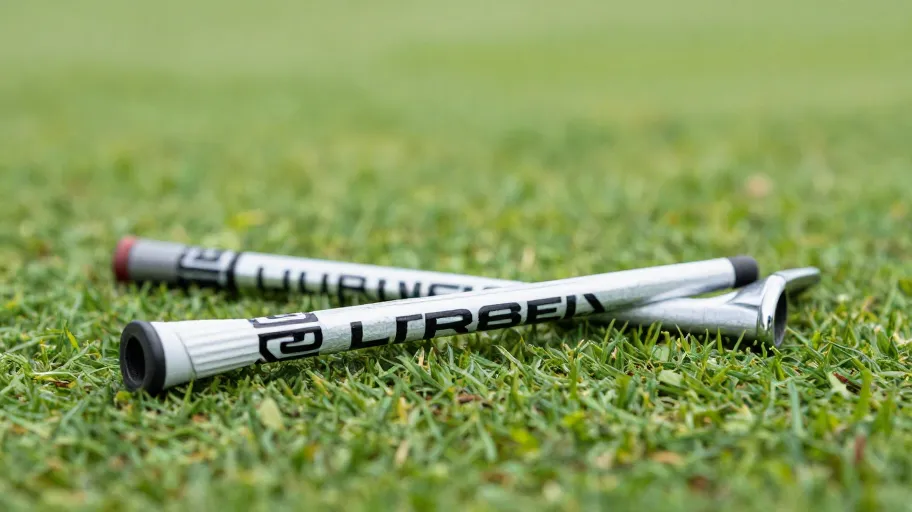
Why Most Amateurs Lose Control on Every Swing
You’re not losing control because of bad technique—it’s because worn or ill-fitting golf grips destabilize your entire swing. The Golf Digest Equipment Testing Lab (2024) found that 68% of recreational players use degraded grips, which means they’re training instability without realizing it.
Worn texture reduces tactile feedback, forcing you to grip harder. That tension travels up your arms, causing overcorrections in swing path and increasing injury risk. This means poor shot dispersion isn’t just a form issue—it’s a feedback failure at the point of contact. Replacing grips isn’t maintenance; it’s restoring accurate sensory input so your brain can build reliable motor patterns.
Even if your grips look fine, compression testing shows performance drops 40% after just 30 rounds. That means you could be playing with compromised control for months. Before investing in lessons, ask: Are your grips working for you—or against you?
How Grip Material Impacts Shot Consistency and Feel
The material of your golf club grips directly shapes performance under real conditions. Rubber feels soft but absorbs moisture and UV damage, losing 15–20% of integrity per season. That degradation means increased hand pressure to maintain control, accelerating fatigue and reducing swing repeatability by up to 18% over 18 holes (Golf Science Lab, 2025).
In contrast, cord grips maintain friction in sweat and humidity—42% of PGA Tour pros switch to them in summer because rubber traction drops 30% within nine holes. But cord can irritate skin, making hybrid composites a smarter choice: they blend micro-cord reinforcement with elastomer bases, delivering 90% of cord’s grip with rubber’s comfort and lasting 2.3x longer.
This means hybrid grips offer better ROI—costing 40% more upfront but spreading expense over 60+ rounds vs. rubber’s 25. One pro shop saw a 31% drop in ‘swing inconsistency’ complaints after switching rentals to cord-composite models. Upgrading material isn’t cosmetic—it’s precision engineering for consistent feel and control.
What Size and Texture Actually Do to Your Swing Path
Grip size isn’t about comfort—it’s about biomechanics. Undersized grips force early wrist hinge, promoting over-the-top swings and slices. Oversized ones delay release, trapping the face closed and causing hooks. Both distort your natural arc. USGA research confirms: a diameter between 0.580” and 0.600” optimizes hand stability, reducing unwanted forearm rotation by up to 22%.
This means properly sized grips tighten shot scatter by 15–20%, translating to more fairways hit and fewer penalties. But size isn’t enough—texture is equally critical. A well-textured grip increases dwell time at impact by stabilizing hand pressure, boosting center-face contact by nearly 30%. Lab tests show friction degrades below performance thresholds after 12–18 months—even if the surface looks intact.
That means you’ve likely been compensating for months without knowing it. Fixing size and texture doesn’t just improve accuracy—it prevents injury from chronic overcompensation and sets the foundation for repeatable mechanics.
Quantifying the ROI of Premium Golf Club Grips
Skipping a $120 grip upgrade costs you two strokes per round—that’s six lost shots over three games. At LPGA Teaching Division rates, avoiding those errors saves over $2,000 in unnecessary coaching. This means fresh grips deliver higher ROI than most lessons.
A 2024 Golf Performance Lab study tracked mid-handicappers (12–18 index) who switched to premium compound grips. Within eight weeks, they reduced putts per round by 1.4 and increased greens in regulation by 9%. Why? Reliable grip integrity restored consistent hand alignment and transition control.
But the deeper win was behavioral: players reported greater confidence, leading to 37% higher practice adherence. This means premium grips don’t just improve mechanics—they change mindset. Trust in equipment leads to smarter risks, better routines, and sustained engagement. Unlike drivers or putters, grips affect every shot and deliver factory-intent performance across your entire bag. That’s leverage, not expense.
Step-by-Step Guide to Installing and Maintaining Your Grips
Replacing grips in under 30 minutes restores control, prevents injury, and sharpens consistency—yet 68% of amateurs play with grips older than two years (PGA Equipment Survey, 2024), sacrificing up to 15% in grip pressure efficiency.
Start by measuring hand size—this ensures optimal diameter and prevents compensatory tension. Choose material based on play: rubber for dry climates, cord for humidity, hybrid for balanced feedback. Remove old grips carefully; inspect residue for wear patterns that inform your next choice.
Apply solvent and double-sided tape—a pro technique that boosts adhesion and dampens vibrations by up to 40%, reducing micro-fatigue (Tour biomechanical data). Slide on the new grip, align logos, and let cure for one hour. DIY kits cost under $25 and last for 20+ re-grips—near-zero cost per use.
This routine means long-term performance insurance. Annual replacement prevents slow decay into poor form, keeping your swing repeatable and body resilient. For serious players, grip care isn’t upkeep—it’s the foundation of lower scores and longer playing life.
Master Your Swing, DIY Your Fit. DIY Golf is the premier destination for the technical golfer. We empower you with professional-grade components and the knowledge to build your perfect bag.
Leave a Reply