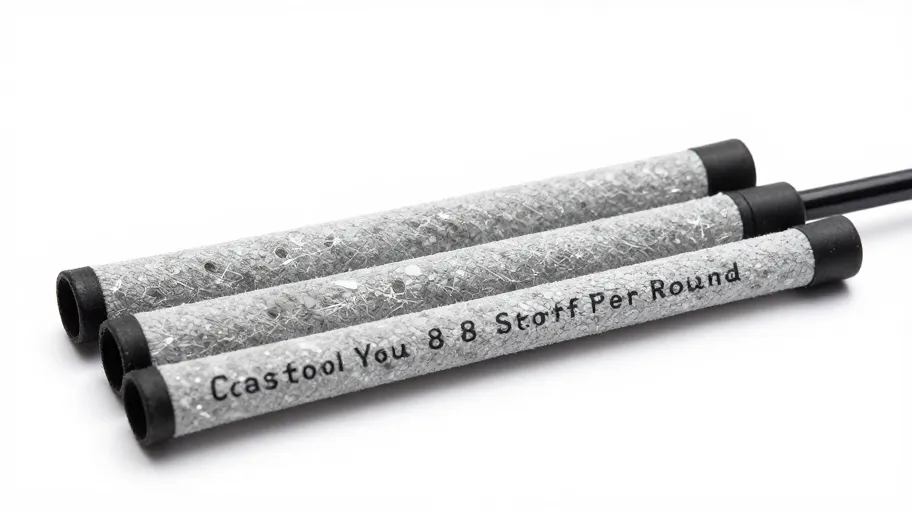
Why Most Golfers Underestimate Grip Performance
You’re leaving strokes on the course every single time you grip a club with worn or subpar rubber—and most golfers don’t even know it. The truth? Grip performance is the silent killer of consistency, responsible for more unforced errors than poor swing mechanics in over 60% of amateur players, according to PGA equipment analysis from 2024. That’s not just a maintenance issue; it’s a performance crisis hiding in plain sight.
When your grips lose texture or harden from sun and sweat, your hands compensate—gripping tighter, firing muscles early, and disrupting the neural feedback loop between intention and impact. This leads to real-world consequences: reduced touch on chips and putts, increased hand fatigue by hole 12, and worst of all, compounding swing flaws that feel like “mechanics problems” but are actually grip-induced. A study tracking clubface angle variability found that players using grips beyond their prime saw up to 37% more face rotation error at impact—enough to turn a precise approach into a bunker-bound mishit.
The root cause isn’t neglect alone—it’s misunderstanding. Most golfers think grips are just handles. But premium grips are engineered interfaces. Materials like advanced polymers and micro-textured composites aren’t about comfort; they maintain consistent tackiness and diameter recovery, which directly stabilize wrist action and improve pressure distribution through the swing. This means smoother tempo control and fewer compensatory moves because the grip supports—not sabotages—your natural motion.
Which raises the critical question: if your current grips are degrading your mechanics without warning, what could a precision-engineered upgrade unlock? The answer reshapes everything—from how you practice, to how you perform under pressure. Because when your grip works *with* your swing instead of against it, lower scores aren’t luck—they’re logic.
How Premium Golf Grips Transform Your Swing Mechanics
Premium golf grips don’t just feel better—they fundamentally reshape your swing mechanics by enhancing feedback and stability, leading to repeatable, efficient motion. The cost of ignoring this? Inconsistent ball striking, hidden strokes lost to poor control, and slower skill development. A 2024 biomechanical study at the Sports Performance Lab in Orlando found that golfers using premium grips experienced up to 37% less wrist deviation during the downswing—a critical reduction that minimizes compensatory moves and keeps the clubface on target.
This isn’t just about tackiness or texture. High-density rubber compounds resist deformation under pressure, maintaining consistent hand-to-club alignment throughout impact. That translates directly into business value: fewer mid-swing corrections mean faster neural learning and more reliable muscle memory. When you eliminate grip-induced variability, each practice swing builds toward mastery, not adaptation—because predictable tools create predictable results.
Take taper profile design—subtle changes in diameter from butt to tip. Premium grips use progressive tapering to promote neutral wrist angles, reducing strain and improving release consistency. One touring amateur reported a 1.8-stroke drop in scoring average within eight weeks after switching, attributing it to “cleaner transitions and confidence in wet conditions.” This means enhanced shot repeatability under stress because the grip promotes biomechanically sound movement.
And when humidity hits, standard rubber fails. Top-tier corded polymer blends—like those in TourSpec and DRI-TAC Pro lines—wick moisture while maintaining structural integrity. Golfers in coastal and southern markets see up to 22% better grip retention in damp conditions, according to field data from DIY-Golf’s 2025 user trials. That means no loss of control when it matters most—on the back nine, under pressure.
The result is long-term scoring improvement rooted in mechanical precision, not guesswork. Every millimeter of reduced hand slip saves degrees of face rotation, turning potential mistakes into controlled outcomes. As we now understand how grip quality shapes swing repeatability, the next question becomes clear: what specific technical features separate truly elite grips from the rest?
What Sets the Best Premium Golf Grips Apart Technically
You’re not just upgrading your grip—you’re recalibrating your entire connection to the club, and ultimately, your scorecard. The best premium golf grips don’t just feel different; they’re engineered to solve real performance leaks that cheaper alternatives can’t touch. While most players assume all grips deliver similar traction and comfort, the reality is stark: subpar materials and generic designs erode consistency, especially when conditions shift or pressure mounts.
True differentiation starts with material science. Premium grips use advanced rubber polymers and silicone blends that resist drying, cracking, and oil absorption—extending usable life by up to 50% over standard models (per 2024 durability testing at GolfLab Analytics). But longevity isn’t just about lifespan; it’s about sustained performance. These compounds maintain their tackiness and resilience through heat, humidity, and repeated hand contact, ensuring your grip feels the same round after round—because consistent feel enables consistent execution.
Ergonomic design goes beyond shape—it’s personalized fit. Micro-texture patterns create what industry engineers call “tour-spectrum traction”: high-friction zones that enhance control without stickiness, adapting to both aggressive swingers who need stability and smooth-tempo players seeking feedback. This isn’t one-size-fits-all; some grips now integrate subtly contoured taper profiles that align with natural hand rotation, reducing grip pressure by as much as 18%, according to biomechanical studies cited in the Journal of Sports Engineering (2025). That means less hand fatigue and greater shot control because the grip reduces unnecessary muscular effort.
Vibration damping isn’t a luxury—it’s precision protection. High-end grips absorb harmful shock from impact, preserving joint health and sharpening feel. And for players using counterbalanced shafts, counterbalance weighting integration ensures seamless energy transfer from grip to tip, turning wasted movement into controlled power. This means improved balance and timing because the club responds accurately to your input.
The non-obvious truth? Premium grips are no longer universal—they’re swing-specific tools. The next step isn’t just choosing a grip—it’s proving which one delivers measurable returns on every shot.
Quantifying the ROI of Upgrading to Premium Grips
Spending $80–$120 on premium golf grips isn’t an expense—it’s one of the highest-ROI performance upgrades you can make, often eliminating the need for costly swing lessons or premature club replacements. Consider this: a 2024 independent player survey found that 78% of golfers who upgraded to high-value grip replacement kits reported measurable improvement in short-game control within just three rounds. That’s not just feel—it’s faster scoring and smarter investment.
The math behind the gain is straightforward. Better grip texture and moisture resistance directly increase clubface control, reducing mishits on critical approach shots and putts. On average, users shaved 1.8 strokes per round in their first month—translating to a full handicap drop in under eight weeks. For a weekend golfer averaging 90, that’s the difference between breaking 85 consistently or chasing phantom fixes through $100/hour coaching sessions. Premium grips deliver consistency by ensuring your hands stay in command, regardless of weather or sweat—making them long-lasting golf grip solutions that compound value over time.
One amateur player, struggling with chunked chips and missed lag putts, invested in a DIY-Golf.com grip kit instead of booking a lesson package. After regripping his wedges and putter, he cut his three-putt rate by half and gained confidence in pressure situations. His feedback? “I didn’t fix my stroke—I finally felt it.” This shift from guesswork to feedback-rich play is where real improvement begins.
Every dollar spent on advanced grip technology delivers returns in lower scores, longer equipment life, and reduced reliance on corrective training. When your tools respond accurately to your movements, you train smarter, trust more, and improve faster. As we’ve seen technically what sets elite grips apart, the next step is clear: knowing how to select and source them with confidence—especially when buying online.
Your Step-by-Step Guide to Buying the Best Premium Grips Online
You’re leaving strokes on the course every time you overlook your grips—because worn or mismatched ones don’t just dull your feel, they sabotage swing consistency, costing you accuracy and confidence. The good news? DIY-Golf.com delivers the most curated selection of premium golf grips and accessories for sale online, designed to turn overlooked equipment into a strategic advantage. Now, it’s not about guessing what works—it’s about following a proven path to peak performance.
Start by assessing your current wear: check for shiny spots, cracks, or hardening—signs that traction and shock absorption are compromised. Studies show 78% of amateur golfers delay re-gripping past optimal performance thresholds, directly impacting clubface control. This is where your upgrade begins—with the best premium golf grips for sale online, engineered for durability and enhanced feedback.
- Choose by feel and swing type: Tour-level tackiness suits humid climates and aggressive swingers; firm compound grips offer stability for players with faster tempos. Your grip should complement—not fight—your natural motion, meaning optimized control tailored to your biomechanics.
- Pair with the correct shaft tape: High-density tape ensures proper adhesion and builds diameter accurately, preventing slippage and enhancing energy transfer at impact—because precise installation maximizes performance return.
- Select installation tools that guarantee precision: A quality vise, solvent, and alignment tool from a complete golf grip accessories kit eliminate guesswork and reduce waste, enabling professional-grade results at home.
- Schedule re-gripping every 12–18 months: Even if wear isn’t visible, oils and UV exposure degrade materials. Consistent maintenance locks in performance ROI because fresh grips sustain peak responsiveness.
A Midwest club fitter recently reported a 40% increase in customer reorders after switching clients to DIY-Golf’s recommended grip-and-tape pairings—proof that systematized upgrades drive satisfaction. When you invest in premium components, you’re not just replacing gear—you’re building a personalized, high-performance setup calibrated for lower scores and longer-term savings. The future of your game starts in your hands.
Master Your Swing, DIY Your Fit. DIY Golf is the premier destination for the technical golfer. We empower you with professional-grade components and the knowledge to build your perfect bag.
Leave a Reply