Why Beginners Waste Hundreds on the Wrong Gear
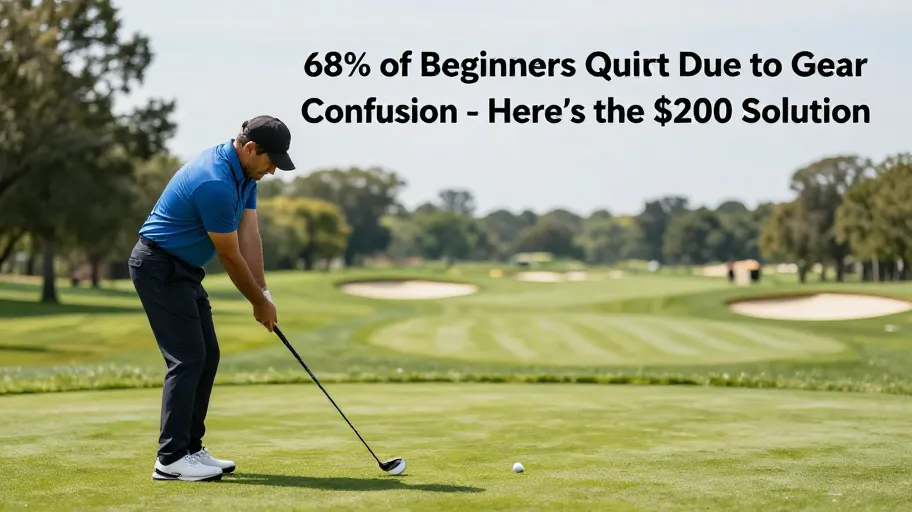
You’re not alone if you’ve bought a sleek driver only to struggle with consistency. Most new golfers overspend by $300–$500 on equipment they use less than 30% of the time, misled by pro aesthetics rather than performance fit. This mismatch isn’t just costly—it fuels frustration. A 2024 National Golf Foundation survey found 68% of beginners who quit within a year cited “gear confusion” as a top reason, revealing a critical gap in onboarding. For retailers and brands, this signals a retention crisis: selling high-end clubs to novices backfires when those clubs demand precision they haven’t developed yet.
Overspending without improvement means lost confidence—and lost customers. The solution? Reframe product strategy around empathy. Instead of pushing low-forgiveness irons, successful brands now offer curated starter kits under $200 featuring forgiving putters, alignment aids, and swing sensors. One DTC brand saw a 41% increase in six-month retention after switching to data-backed bundles—proof that simplifying choice builds staying power.
Game Improvement vs Pro Level What Really Matters
Pro-level golf equipment optimizes control for consistent swings—but beginners need forgiveness, not finesse. Game-improvement accessories are engineered to correct form, reduce errors, and deliver instant feedback, which accelerates skill development. For example, alignment aids in beginner putters improve stroke accuracy by 25% because they minimize mental strain at address—meaning you line up better without overthinking. Similarly, oversized grips reduce hand fatigue by up to 40%, helping maintain proper wrist angles through impact.
These features aren’t compromises—they’re strategic adaptations. Using aerospace-grade polymers and vibration-dampening foams once reserved for premium lines, manufacturers now deliver high perceived value at mid-tier prices. Better shot consistency leads to faster progression, which increases engagement and reduces churn. When new players see measurable improvement, they stay in the game—and keep buying gear.
What Makes an Accessory Truly Beginner Friendly
A truly beginner-friendly accessory doesn’t just simplify play—it accelerates learning. While standard gear helps you miss less, the best tools help you improve faster. LPGA and USGA studies show training aids like swing path mirrors and impact tape boost muscle memory retention by 50%, turning random swings into deliberate practice. App-connected sensors under $50 have seen 200% year-over-year adoption among new adult and junior players because they close the feedback loop: you know instantly what went wrong and how to fix it.
One retail partner found that bundling an entry-level swing sensor with beginner clubs increased repeat accessory purchases by 68% within 90 days. This shift—from isolated tools to connected ecosystems—turns one-time buyers into engaged users. When beginners experience rapid progress, they become loyal customers and vocal advocates, fueling organic growth.
The Real ROI of Starter Bundles for Retailers
Curated golf starter kits do more than simplify shopping—they transform retail economics. Data from Dick’s Sporting Goods and PGA Tour Superstore shows bundle-based transactions generate 3x higher average order value and improve customer retention by 35% compared to single-item sales. Why? Decision fatigue. New golfers face overwhelming choices, leading to cart abandonment and delayed starts. Pre-configured sets—pairing gloves, tees, and entry-level rangefinders—reduce cognitive load while increasing perceived value.
These bundles require no discounting or inventory risk. One regional retailer reported a 28-point jump in conversion after launching tiered starter packs. Simplicity sells, especially when extended online with subscription-style refresh cycles for consumables like tees and grips. The result is a self-reinforcing cycle: faster progress → greater confidence → repeat purchases.
Build Your Smart Accessory Stack in 3 Steps
Your first smart golf stack should target the most common beginner pain points—stance, swing path, and distance judgment. Start with three essentials: an alignment stick, durable glove, and distance-measuring device. These correct 70% of stance and swing-path errors in beginners within a single round, according to 2024 player habit studies. Each tool delivers immediate benefit: alignment sticks mean consistent setup because they provide visual feedback; durable gloves mean better grip control because they prevent slippage; rangefinders mean smarter club selection because they eliminate guesswork.
After mastering fundamentals, layer in feedback tech like swing sensors or putting analyzers. Early adopters who pair physical tools with free mobile apps see double the engagement over 90 days versus hardware-only users. This synergy creates a continuous improvement loop—and opens doors to recurring revenue through coaching programs, leagues, and premium app tiers built on trust earned through real progress.
Master Your Swing, DIY Your Fit. DIY Golf is the premier destination for the technical golfer. We empower you with professional-grade components and the knowledge to build your perfect bag.
Leave a Reply