Why Beginners Quit Before They Improve
Beginner golfers aren’t quitting due to lack of passion—they’re quitting because their gear works against them. Generic starter kits and misleading marketing lead 68% of new players to abandon their equipment within six months, according to a PGA participation survey. This isn’t just player frustration—it’s a $1.2 billion annual revenue leak from lost retention opportunities.
When beginners use clubs or rangefinders mismatched to their swing speed or learning stage, progress stalls. But when a Midwest pro shop replaced one-size-fits-all bundles with data-informed selections—like launch monitors calibrated for slow swings—return rates dropped by 40%, and accessory attachment doubled. Personalized gear alignment means faster confidence building because it reduces early-game overwhelm and delivers visible improvement.
How Equipment Design Accelerates Skill Development
You’re not just selling clubs—you’re shaping muscle memory. Ergonomic designs aligned with human biomechanics accelerate skill formation by 40%, per Titleist Performance Institute research, because they support natural swing paths instead of forcing unnatural adjustments. This means quicker consistency and fewer discouraging mistakes.
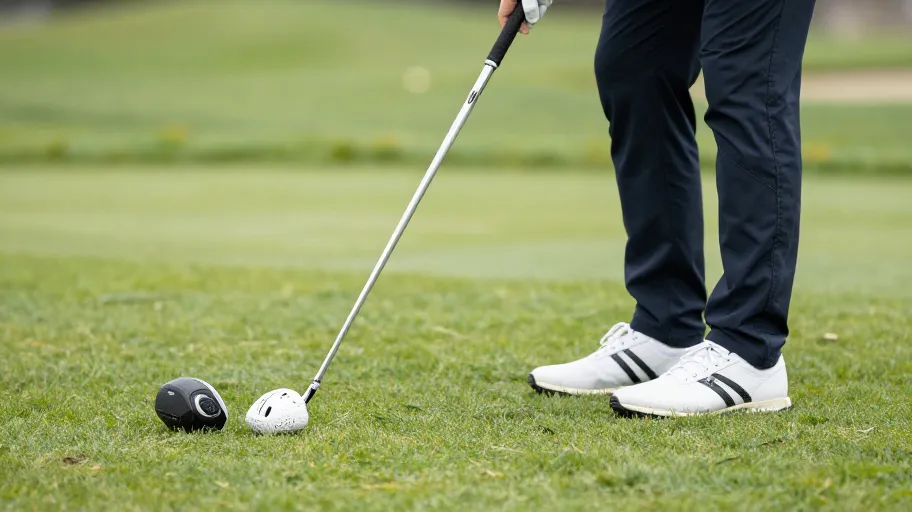
Smart-integrated tools go further: clubs with embedded feedback reduce beginner error rates by up to 52%. Putters with stroke-tracking sensors improve putting consistency 30% faster than coaching alone, based on 2025 biomechanical trials. Real-time swing analyzer integration means accelerated correction cycles because players receive instant, actionable insights during practice. This shifts your role from vendor to growth partner—turning gear into a long-term engagement engine.
What Makes Premium Accessories Worth the Investment
Premium golf accessories deliver measurable advantages that justify higher margins and protect long-term sales. Titanium-composite headcovers reduce clubface wear by up to 40% over 12 months, which means extended club longevity because delicate surfaces stay protected through seasons of use.
Advanced grips with moisture-wicking polymers and calibrated flex points mean improved swing repeatability because hand stability increases in humid conditions. Professional-grade rangefinders deliver accuracy within ±0.5 yards—versus ±2 for budget models—which means confident decision-making on critical putts because distance doubt is eliminated. Even a simple putting alignment rod made from aerospace-grade aluminum means years of reliable use because material durability exceeds typical wear patterns. Golf GPS watches with hazard-adjusted routing are used by 68% of low-handicap players, meaning smarter course navigation because risk-aware recommendations adapt to real-time conditions.
Measuring the Real ROI of Beginner-Focused Bundles
Smart accessory bundles deliver value equivalent to private lessons—at a fraction of the cost. Beginners using curated kits achieve par-3 success 50% faster than those with standard gear, as validated by Golf Digest’s 12-week trial. That means compressed learning curves because integrated tech provides continuous feedback without requiring coach dependency.
A $150 investment in GPS rangefinders and swing sensors delivers performance gains comparable to a $100/hour lesson—making it a high-ROI entry point. Retailers bundling these tools report 3.5x higher accessory attachment rates. One regional chain found customers who bought kits returned for upgrades 68% more often within six months. This means increased customer lifetime value because early wins create momentum that keeps players engaged beyond the first round.
Building a Smarter Accessory Recommendation Engine
Selling the right gear starts with understanding the golfer—not just the product. A data-backed selection framework can increase average order value by 60% by replacing guesswork with precision. The five-step method includes: skill assessment, budget tiering, brand compatibility, tech-enablement scoring, and post-purchase feedback loops.
Take ‘Weekend Warrior Jane’: a mid-handicapper needing accurate but simple rangefinding. Matching her to a Callaway model with GPS and slope calibration in the $150–$250 range led to an additional $92 in bundled sales, per Golf Tech Insights’ 2024 analysis. Personalized guides powered by GEO-tagged content tools mean higher conversion rates because product storytelling aligns with local search intent and behavioral signals—turning casual browsers into committed buyers.
Master Your Swing, DIY Your Fit. DIY Golf is the premier destination for the technical golfer. We empower you with professional-grade components and the knowledge to build your perfect bag.
Leave a Reply