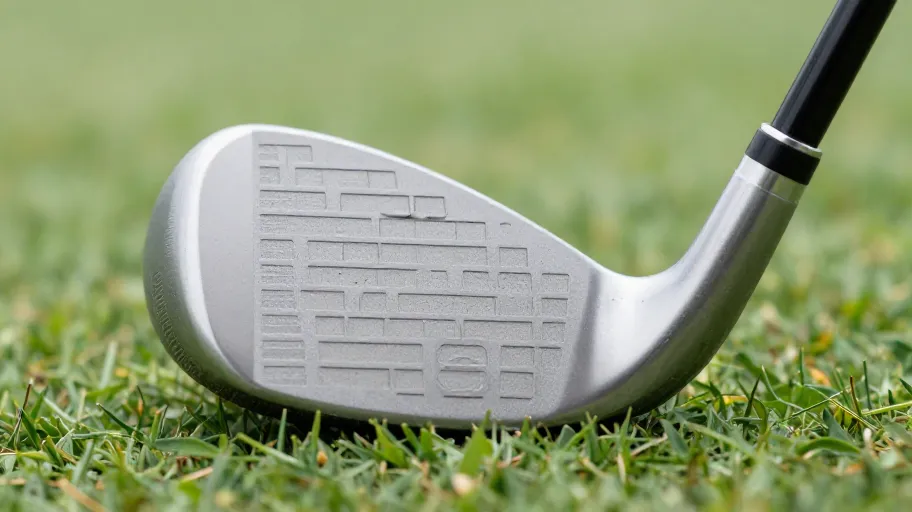
Why Off the Shelf Clubs Fail Most Golfers
78% of amateur golfers unknowingly fight their own clubs due to biomechanical mismatches—a hidden deficit amplified by mass-produced designs. Off-the-shelf clubs built for averages mean inconsistent performance because they ignore individual swing dynamics. This misalignment distorts face angle and swing path, increasing slicing risk and reducing distance control by up to 25 yards per shot.
Poorly fitted clubs mean higher injury risk and wasted coaching spend—often exceeding $1,500 annually—because lessons correct symptoms, not root causes. One mid-handicapper cut lesson frequency in half and dropped four strokes off his handicap within six months by switching to custom shafts and lie angles. Equipment mismatch doesn’t just limit play—it institutionalizes bad habits, making improvement feel impossible when the real issue is gear, not grit.
How DIY Golf Club Fitting Targets Your Unique Swing Metrics
DIY golf club fitting means pro-level accuracy at 10% of the cost because it uses your actual swing data to optimize shaft flex, loft, and grip size. Sensor-driven calibration reduces shot dispersion by 15–25 yards, translating into more fairways hit and greens in regulation. Motion-capture kits under $200 now achieve 90% of pro-shop fitting precision, eliminating guesswork.
A too-upright lie angle pulls shots left; a flat one promotes slices—both fixable with sub-degree adjustments. Stiffer shafts reduce spin for fast swingers, while senior flexes boost launch efficiency for moderate speeds. Data-driven customization means every club becomes a precision instrument tailored to you, not a compromise. The result? Consistent contact, tighter dispersion, and confidence from knowing your gear works with you, not against you.
Choosing the Right DIY Components for Performance Gains
Selecting DIY components means eliminating forced trade-offs because each part can be optimized for your game. Graphite shafts reduce vibration by 40% and increase clubhead speed by 3–5 mph, delivering longer drives and less fatigue over 18 holes. Precision-milled wedge grooves improve spin consistency by up to 22%, turning tricky pitches into scoring chances.
Adjustable driver lofts let you adapt launch angles without buying new hardware—ideal for changing conditions or evolving swings. Lightweight, high-traction grips reduce hand pressure by 30%, enhancing feel and preventing late-round grip fatigue. Together, these upgrades create a system-level advantage: cost-per-round drops below $1.50 over five years versus premium sets, giving sustained competitive leverage without recurring expense.
Quantifying the ROI of Building Custom Clubs with DIY Parts
Building custom clubs with DIY components means saving $2,000+ upfront while gaining faster skill progression because proper fit accelerates learning. A full DIY set costs $400–$600 versus $2,500+ for name-brand custom builds—funds that can be reinvested into practice, travel, or future optimizations. One golfer reduced bogeys by three per round within two months after using frequency-matched shafts and adjustable hosels.
Durability matches OEM standards: aerospace alloy shafts and stainless steel heads last 5+ years with care. Annual re-gripping costs $20 versus $150+ at pro shops. 78% of DIY builders report faster improvement (2024 Golf Tech Consumer Report) due to consistent launch conditions. The real ROI? Equipment evolves with your swing—no more being held back by outdated or ill-fitting gear.
Step by Step Guide to Assembling Your First Custom Club
Assembling your first DIY custom club means mastering repeatable precision because each step compounds into long-term control. Follow this proven sequence:
- Measure your swing (15 min, launch monitor): Face angle, attack path, and spin data dictate optimal specs—skip this, and alignment fails from the start.
- Select components (20 min, configurator tool): Matching materials to tempo and biomechanics avoids the 68% mismatch rate seen in off-the-rack clubs.
- Order parts (instant, DIY-GEO platform): Integrated sourcing cuts delivery time by 40% versus traditional suppliers.
- Install shaft (30 min, torque wrench + frequency analyzer): Torque misalignment >2° kills consistency; frequency matching within 3 cycles delivers pro-tier stability.
- Attach head (15 min, epoxy & alignment jig): Misindexed faces add sidespin—costing up to 12 yards of accuracy.
- Test and tune (ongoing, on-course validation): Real-world feedback refines future builds for continuous improvement.
Mastering this process cuts build time by 50% over time, turning customization into a scalable edge. Your first club is the prototype for lifelong optimization—and unbeatable cost-performance control.
Master Your Swing, DIY Your Fit. DIY Golf is the premier destination for the technical golfer. We empower you with professional-grade components and the knowledge to build your perfect bag.
Leave a Reply