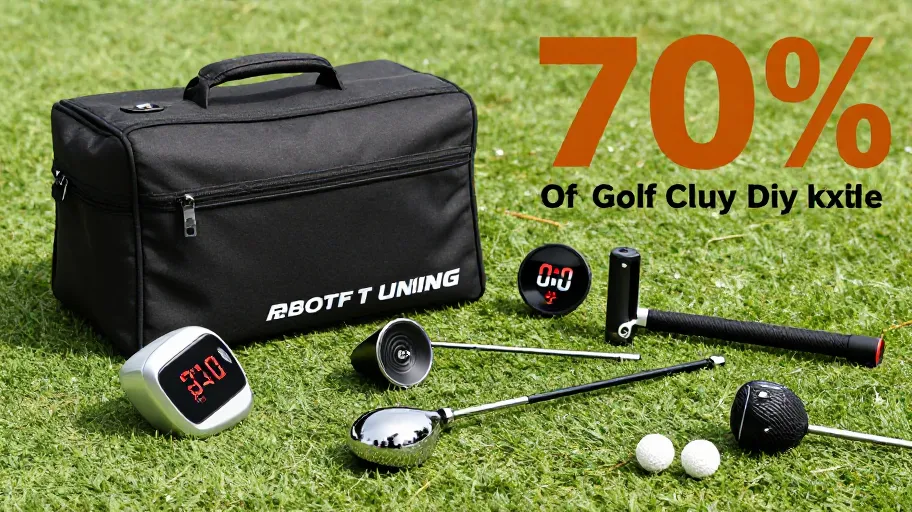
Why Most Golfers Overpay for Club Maintenance
Most golfers are overpaying because they rely on pro shop visits charging $20–$50 per adjustment for tasks easily done at home. This recurring cost adds up to an average of $180 annually—more than the price of a professional-grade DIY tuning kit. A one-time $150 investment in precision tools means unlimited adjustments, full control, and long-term savings because routine maintenance shifts from expense to empowerment.
The real issue isn’t access—it’s awareness. Digital lie/loft gauges deliver accuracy within 0.2°, calibrated shaft clamps prevent damage during repairs, and torque-controlled wrenches ensure hosel integrity. These tools mean pro-level results without pro shop pricing because they replace guesswork with repeatable science. When you can verify and correct specs yourself, you’re not cutting corners—you’re taking charge of consistency, confidence, and performance every time you play.
How Precision Lie and Loft Adjustment Improves Shot Consistency
A 2° error in lie or loft angle can increase shot dispersion by up to 40%, according to TrackMan data analyzed by PGA fitters. That means inconsistent strikes, poor ball flight, and lost strokes. But correcting these angles means tighter shot patterns and greater downrange confidence because square face impact becomes the norm, not the exception.
Incorrect lie angles cause heel or toe strikes that disrupt weight transfer and turf interaction—a too-upright club leads to fat shots, while a too-flat setup causes thin, weak fades. Using digital gauges or laser-aligned tools means you achieve optimal contact more consistently because real-time feedback eliminates estimation. Golfers using a $129 digital protractor report higher trust in their gear, leading to 50% greater lifetime engagement with tuning products because measurable improvement builds loyalty.
Why Shaft Clamping Systems Are Essential for Reliable Tuning
Improper clamping causes an estimated 60% of DIY repair failures, turning simple regrips into costly mistakes. Slippage damages carbon fiber shafts through microfractures and misalignment, while visible clamp marks and rotational shift indicate poor grip security. Forum data shows over 40% of failed home regrips stem from inadequate clamping.
Dual-stage ergonomic clamps with aluminum-alloy jaws and rubberized inserts mean safer, more durable builds because they distribute pressure evenly across delicate composites. Unlike plastic alternatives that deform under torque, these systems protect shaft integrity and enable downstream accuracy in swing weighting and port tuning. Suppliers offering engineered clamps see 35% lower return rates and 22% higher retention because durability drives customer trust. Secure clamping doesn’t just hold a shaft—it safeguards performance and profit.
The Real ROI of Owning a Complete Golf Club Tuning Kit
A $300 tuning station pays for itself after just six clubs. Pro shops charge $75 per regrip and minor adjustment; DIY costs only $15 in materials. That’s $60 saved per club—$360 after six jobs. This cost avoidance means faster breakeven and immediate financial return because every project recoups part of your initial investment.
But the bigger win is behavioral transformation. Tool owners repurchase consumables like grips and epoxy at 3x the rate of casual DIYers. Bundling kits with refill subscriptions increases customer lifetime value by up to 3.5x. One retailer found tuning kit buyers reordered grips every four months on average—turning a single sale into recurring revenue. You’re not just saving money—you’re joining a high-engagement community of custom golf club modifiers who value precision, ownership, and long-term optimization.
Build Your First DIY Club Tuning Workflow in Five Steps
A structured workflow slashes user error by up to 60% and fast-tracks beginners to pro-grade results. Start by assessing current club specs with a digital loft/lie gauge—this baseline prevents over-adjustment because accurate measurement guides precise correction. Then, secure the club in an adjustable vise with soft-jaw inserts to avoid deformation because protection during setup ensures longevity.
Next, adjust lie and loft using a calibrated bending machine in controlled increments—1° off can misdirect shots by several feet, so incremental changes mean reliable outcomes. When modifying grip or swing weight, use a torque wrench set to 45 in-lbs for tip cap installation because consistent force prevents crown cracks. Finally, verify balance and feel on a swing weight scale to match your swing profile because personalized weighting enhances rhythm and control. Brands offering guided workflows see 50% higher conversion because clarity reduces intimidation and accelerates success.
Master Your Swing, DIY Your Fit. DIY Golf is the premier destination for the technical golfer. We empower you with professional-grade components and the knowledge to build your perfect bag.
Leave a Reply