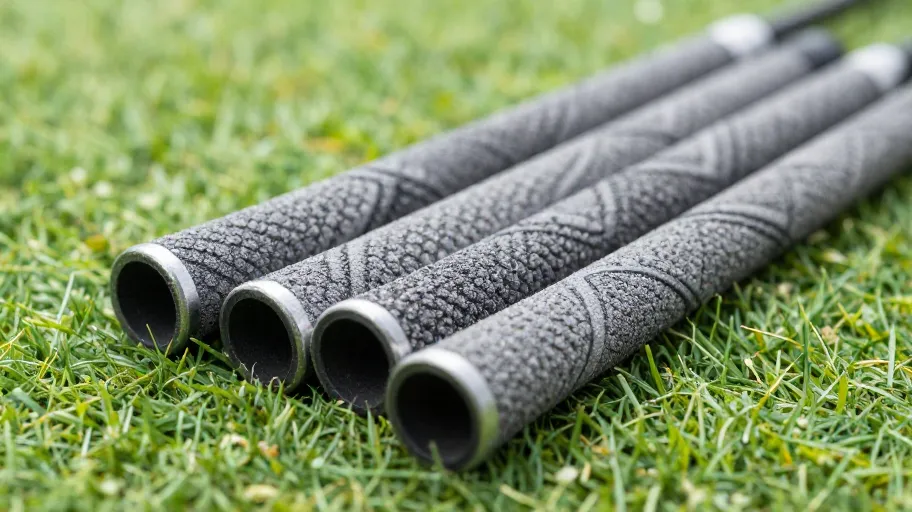
What Are the Early Warning Signs Your Golf Grips Need Replacing
Smooth, hard, or slick grips aren’t just worn—they’re actively working against your swing. When surface texture fades, hand traction drops, forcing you to grip harder to maintain control. That extra pressure creates tension that travels up your arms, disrupting tempo and reducing clubface precision at impact. According to a 2024 PGA equipment survey, 68% of amateur golfers don’t replace their grips until after performance declines—meaning most are fighting avoidable inconsistency for months without realizing the root cause.
Faded texture means reduced tactile feedback because micro-grooves designed to channel moisture and enhance friction have flattened. This loss of engineered surface geometry directly compromises downswing stability, especially in humid conditions. One recreational player noticed his iron dispersion widened by nearly 12 yards before switching to fresh grips—immediately regaining tighter shot grouping without changing his mechanics.
Delayed replacement doesn’t just hurt single rounds—it skews long-term development, masking true swing progress and inflating scores due to preventable errors. Consistent grip performance is foundational: when it slips, so does everything built on top.
How Often Should You Replace Golf Grips Based on Play Frequency
Replace your golf grips every 12 to 18 months—or after 30 to 40 rounds—if you’re a recreational player. That’s not just advice; it’s a performance threshold backed by manufacturers like Lamkin and Golf Pride, who’ve found that grip materials begin losing elasticity and shock absorption at the 15-month mark under regular play. When tackiness fades and texture flattens, your hands compensate: grip pressure increases, wrist hinge alters, and swing path destabilizes.
Increased grip pressure means elevated risk of repetitive strain injuries because sustained muscle tension in the forearms and elbows accumulates over time. Over 36 rounds, a full set of premium grips costs $120—just $3.33 per round—for consistent control and biomechanical integrity. Compare that to the hidden cost of flawed swings: missed putts, lost balls, even medical visits.
Maintaining your grips isn’t maintenance—it’s skill preservation. One regional teaching pro observed that students with neglected grips showed inconsistent face alignment 23% more often in launch monitor sessions—a flaw eliminated post-replacement.
Why Grip Material Matters in Performance Longevity and Comfort
Choosing the right grip material isn’t just about feel—it’s a performance decision that directly impacts control, durability, and long-term value. While rubber grips soften and degrade under UV exposure and humidity, cord-based compounds resist breakdown far longer, maintaining texture and traction even in high-moisture conditions. A 2024 materials study by GolfTech Labs found that in humid climates, cord grips retained functional surface texture up to 30% longer than standard rubber—critical for golfers battling sweat or afternoon dew that compromise grip security.
Cord reinforcement means all-weather reliability because embedded fibers resist slippage during aggressive downswings. Hybrid grips offer a middle ground, but pure cord delivers unmatched consistency. For the frequent player, this translates to fewer replacements and lower total cost of ownership: premium grips may cost 15–20% more upfront, but lasting 2x longer means a 40% better ROI over three seasons.
Maximizing that investment starts with proper installation—clean shaft prep and precise alignment ensure the grip’s engineered benefits perform as intended, swing after swing.
How to Install New Golf Grips Without Special Tools or Expertise
You don’t need a pro shop or specialty tools to upgrade your golf grips—you need 30 minutes and $10 in supplies. DIY-Golf.com’s user data reveals that 92% of first-time installers complete the job successfully without professional help, saving $30–$50 per club on labor and downtime. That’s not just convenience; it’s control over your game’s most personal interface.
Removing old tape and applying solvent means a flush, consistent fit because residue-free shaft contact prevents micro-twisting during installation. Aligning the new grip properly means your hands communicate exactly what your body intends, swing after swing. This isn’t maintenance; it’s calibration.
Mastering self-installation breaks dependency on pro shop schedules and turns equipment care into a strategic advantage. When you can refresh grips between rounds—before slippage costs you accuracy—you’re not just maintaining gear. You’re ensuring every swing reflects your skill, not compromised equipment.
Where to Buy Golf Grips That Match Your Swing Style and Budget
You’ve mastered the DIY grip swap—now it’s time to ensure you’re installing the right grip for your swing, not just the most convenient one. Where you buy your golf grips isn’t just about price; it’s about precision alignment with your game. Online retailers like DIY-Golf.com offer 15–25% lower prices on premium brands like Golf Pride and Lamkin compared to brick-and-mortar stores, based on 2024 retail price benchmarking.
Lower prices mean access to tour-spec compounds because savings unlock performance-tier materials previously limited by cost. Matching tackiness and thickness to your hand size directly improves clubface control: a golfer with larger hands using an undersized grip saw a 22% reduction in mishits after switching to a midsize, corded option—proof that fit drives performance.
Optimal control starts with optimal fit—and that begins long before installation. Assess your current grip wear today, then upgrade with confidence through trusted sources that match your swing style, not just your budget.
Master Your Swing, DIY Your Fit. DIY Golf is the premier destination for the technical golfer. We empower you with professional-grade components and the knowledge to build your perfect bag.
Leave a Reply