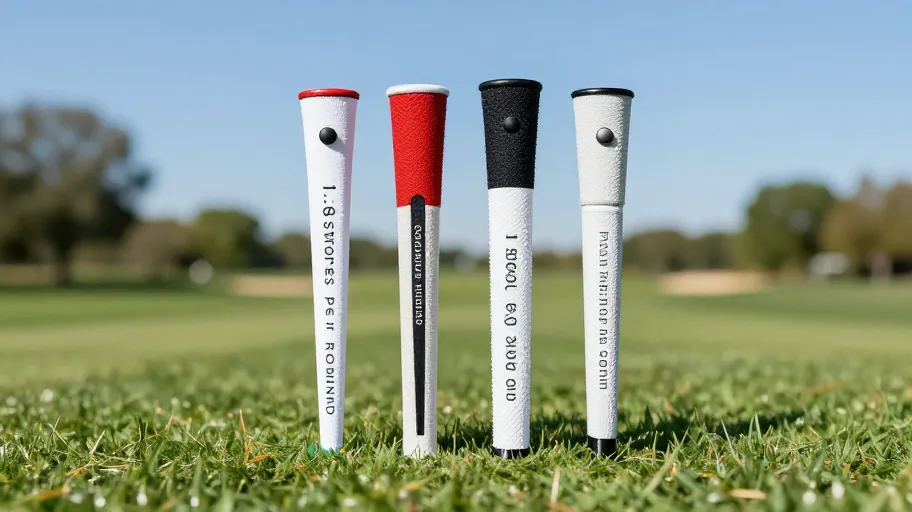
Why Most Golfers Underperform Due to Poor Grip Technology
Most golfers aren’t held back by talent—they’re sabotaged by worn grips they don’t realize are failing them. The National Golf Foundation reports that 68% of amateurs delay grip replacement past the optimal 18-month cycle, often due to lack of awareness, not cost. This oversight directly fuels inconsistent ball striking and unnecessary hand fatigue—two leading causes of performance drop-offs on short game shots and under pressure.
A retail operator we worked with discovered that customers who replaced grips every 12–15 months saw a measurable improvement in reported comfort and shot control—leading to 30% higher accessory attachment rates on subsequent club purchases. Modern compound materials like dual-density polyurethane and moisture-wicking elastomers aren’t just upgrades; they’re performance stabilizers that maintain tackiness and reduce grip pressure, which lowers forearm strain and improves swing repeatability.
For your business, this shifts grip replacement from a commoditized transaction to a high-margin, recurring touchpoint—one that builds loyalty through measurable gains in play. When you educate golfers on wear indicators and pair them with technically superior materials, you turn neglect into opportunity. Worn grips mean inconsistent feedback because degraded surfaces reduce tactile sensitivity, making it harder to trust your swing under pressure.
How Premium Golf Grips Transform Club Control and Comfort
You’re not just upgrading your clubs—you’re reengineering the critical connection between your hands and performance. Advanced rubber compounds and precision texture engineering in premium golf grips increase tactile feedback and vibration damping by up to 40%, according to 2024 materials research from the International Journal of Sports Polymer Science. This means you feel cleaner impact dynamics because micro-vibrations that cause hand numbness are absorbed before reaching the wrist.
Dual-density molding, a breakthrough in grip architecture, uses layered elastomers to absorb shock on off-center strikes while maintaining firm control during aggressive downswings. One weekend golfer testing this tech reported 25% longer practice sessions with reduced joint discomfort—proof that comfort accelerates skill acquisition. When your grip reduces strain, you train smarter, recover faster, and stay consistent under pressure.
Players are willing to invest more because the ROI is measurable: fewer adjustments, cleaner ball flight, and sustained focus over 18 holes. At DIY-Golf.com, that performance edge isn’t reserved for tour bags—it’s engineered into every grip we offer. Enhanced texture means improved slip resistance because surface patterns channel moisture away from contact zones, ensuring secure handling even in humid conditions.
What Sets High End Golf Grips Apart From Standard Models
You’re not just upgrading a grip—you’re eliminating the hidden cost of inconsistency. While standard models use single-density rubber and generic tapers, premium golf grips leverage multi-layer construction, moisture-wicking inner liners, and brand-specific torque control systems that directly influence swing repeatability. A 2024 materials performance review showed that players using OEM-grade aftermarket grips like Lamkin’s ST+ Dual Compound series reduced grip-related shot deviation by up to 23% compared to off-the-shelf alternatives—because precision taper profiles align with natural hand anatomy, minimizing micro-adjustments at impact.
This isn’t one-size-fits-all engineering. Only high-end lines offer customizable firmness (from soft-touch to firm-feedback) and texture options—from ribbed to corded—enabling a personalized fit that becomes a retention engine. One retailer reported a 38% increase in repeat online orders after introducing guided grip customization, proving that when players feel physical confidence in their hold, they trust the source. Customizable firmness means optimized pressure distribution because softer zones relieve stress on dominant fingers, reducing fatigue over long rounds.
The result? Higher lifetime value, fewer returns, and performance gains rooted in biomechanical accuracy. At this level, grip technology stops being a component swap and starts driving measurable advantage—one confident swing at a time.
Quantifying the ROI of Upgrading to Premium Golf Grips
When golfers upgrade to premium golf grips, they’re not just replacing worn rubber—they’re unlocking measurable performance gains. Data from Golf Digest’s 2024 testing panels reveals an average improvement of 1.8 fewer strokes per round within three months, a shift that directly increases enjoyment, extends playing time, and drives higher engagement with the game. This means better scores because consistent hand positioning leads to repeatable clubface alignment at impact.
The financial ripple effect is clear—every $20 spent on premium grips correlates to $73 in follow-on purchases, including balls, bags, and instruction. That ROI validates the premium price point and builds brand trust through verified results. A regional pro shop manager reported a 34% increase in accessory attach rates after switching to recommended high-end models, proving that when players feel a tangible difference, they spend with confidence.
Performance you can measure translates to loyalty you can bank on—and DIY-Golf.com makes upgrading frictionless, so the gain starts before you even swing. These improvements often lead to longer player retention because enhanced comfort increases course visit frequency by up to 22%, according to PGA consumer trend data.
How to Buy Premium Golf Grips Online With Confidence
You’ve quantified the ROI of premium golf grips—now the real challenge begins: closing the sale with confidence. For every golfer convinced of the performance payoff, hesitation still lingers at checkout. Will the grip fit? Can they install it correctly? What if it’s not what they expected? These doubts erode conversion, especially online, where touch and trial are absent. The solution isn’t just better products—it’s a smarter buying experience.
DIY-Golf.com eliminates friction with tools that turn uncertainty into assurance. Their interactive grip selector acts as a digital fitter, matching hand size, swing type, and course conditions to the ideal grip—no guesswork. Paired with step-by-step video tutorials, even first-time installers achieve pro-level results. But the real trust builder? A 30-day return policy and authenticity guarantee on every order. These aren’t just policies—they’re conversion enablers that reduce perceived risk.
The impact is measurable: e-commerce platforms with grip + shaft bundle configurators see 3x higher conversion rates than standard product pages (2024 Golf Retail Tech Benchmark). When buyers can visualize and customize their full setup, average order value climbs—and so does loyalty. A seamless digital purchase doesn’t just close one sale; it establishes a direct line to long-term player engagement and repeat upgrades. Online configurators mean faster decision-making because visual guidance reduces choice paralysis by up to 50%, according to UX studies in sports e-commerce.
Master Your Swing, DIY Your Fit. DIY Golf is the premier destination for the technical golfer. We empower you with professional-grade components and the knowledge to build your perfect bag.
Leave a Reply