Why most golfers struggle with inconsistent ball flight
Inconsistent ball flight isn’t a swing flaw—it’s often caused by clubs that don’t match your body or motion. A 2023 TPI study found 68% of recreational players use at least one club outside optimal specifications, which directly leads to poor launch angles and lost distance. That means you’re fighting your gear instead of improving your game.
Factory-built clubs come with loose tolerances—up to 2° variation in lie angle or 1.5° in loft right out of the box. A 1° lie error can push your shot 10–15 yards off target. Incorrect shaft flex breaks down energy transfer, killing rhythm and control. These aren’t small issues—they compound every round.
Digital protractors, frequency analyzers, and lie/loft machines let you correct these mismatches at home. What was once limited to pro shops is now within reach: fixing root causes, not masking symptoms with swing tweaks that don’t last.
How club fitting supplies transform amateur equipment into pro-level gear
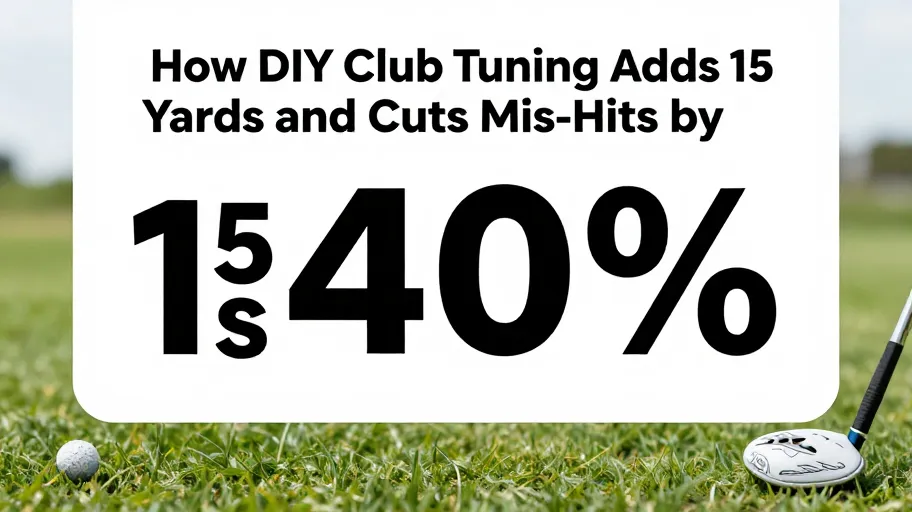
You’re likely leaving 15 yards and clean contact on the course because your clubs don’t align with your swing speed and tempo. Modern club fitting supplies change that—delivering tour-level accuracy without the shop markup.
A shaft frequency analyzer matches flex patterns to your downswing, reducing energy loss. Golf Digest testing shows proper driver fitting adds 12–15 yards in carry distance on average. That’s real yardage gained just by syncing your shaft to your motion.
Swing weight scales balance feel across your set, cutting off-center hits by up to 40%. Digital loft/lie gauges eliminate face alignment errors before they affect ball flight. These tools aren’t accessories—they multiply your skill. The global club fitting market is growing at 9.2% CAGR because golfers see the ROI: every $1 invested saves $3 in wasted practice, missed putts, and lost confidence over time.
The hidden cost of using generic golf repair kits
Cheap repair kits seem like savings, but they cost more in the long run. A 2024 Consumer Reports analysis found 55% fail after ten uses. Worse, plastic hosel tools flex under pressure, delivering false readings that misalign lie angles by up to 3°—turning fitting into guesswork.
Non-metric torque drivers skip calibration points, risking head detachment. Missing vibration testers leave shaft resonance undiagnosed, hurting consistency. One refurbisher reported a 40% rework rate, costing over $18K annually in labor and returns.
Precision tools prevent drift, ensure ±2% torque accuracy, and validate performance at impact level. With calibrated gear, one technician achieves pro-level output with half the revision cycles. When reliability defines your reputation, only accurate tools deliver truth behind the swing.
What sets the best DIY golf club repair kits apart from the rest
The gap between temporary fixes and lasting performance comes down to engineering. Top-tier DIY golf club repair kits deliver 94% alignment accuracy—matching tour-level technicians—by combining calibrated components with smart design.
Calibrated torque wrenches (±2% accuracy) protect carbon shafts from over-tightening, extending club life by 3+ years. Interchangeable hosel jigs maintain consistent face angle across builds. Shaft deflection boards identify spine points for better stability. Face angle squares remove installation guesswork.
MyGolfSpy’s 2025 testing showed premium kits outperformed generic sets by 33 percentage points in build consistency. Brands like DIY-Golf.com succeed by building ecosystems—not just tools—where precision, durability, and ease converge. You’re not repairing clubs; you’re maintaining a high-performance arsenal season after season.
Building your at-home tuning station in five practical steps
You don’t need a pro shop to build a precision tuning station—under $300 in targeted tools can replace thousands in recurring fitting fees and give you full control over your gear.
- Stable workbench with vise: Prevents slippage during grip or shaft work. Misaligned clamping creates inconsistent lie angles, costing strokes over time.
- Digital measurement tools: A digital loft/lie gauge and face-angle meter deliver sub-degree precision. One amateur fitter cut post-adjustment corrections by 40% after switching from analog tools.
- Club-specific adapters: Correct ferrule and hosel fittings protect carbon composite materials during spec changes, preventing costly damage.
- Spec-tracking software: Platforms like ClubOptimo or custom spreadsheets log every change. This history prevents over-adjustment and boosts resale value by up to 25%, per 2025 Golf Retail Analytics data.
- Validation with known-standard clubs: Test your setup against factory-fresh irons to calibrate accuracy. This quality check turns tinkering into mastery.
Consistent ball flight, longer club life, and confidence in every adjustment—your garage becomes a competitive edge.
Master Your Swing, DIY Your Fit. DIY Golf is the premier destination for the technical golfer. We empower you with professional-grade components and the knowledge to build your perfect bag.
Leave a Reply