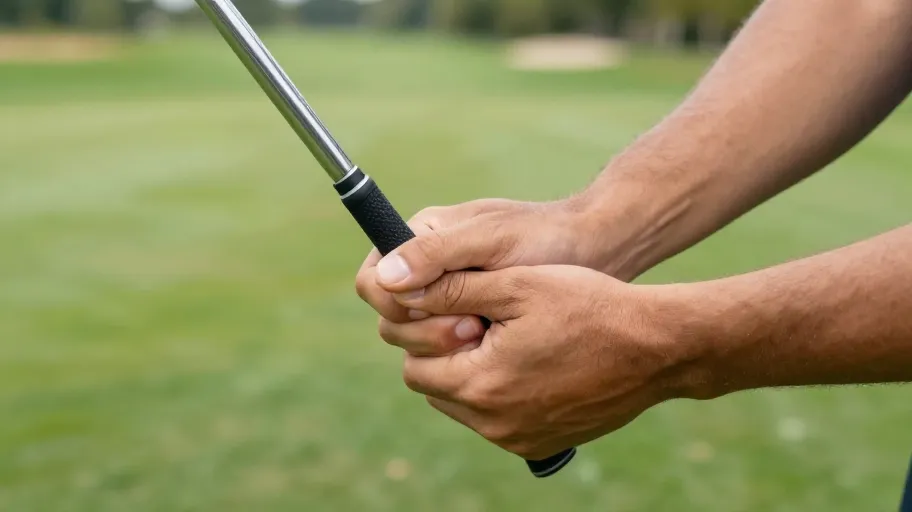
Why grip size isn’t just comfort—it’s mechanics
Using the wrong grip size distorts your hand position, which alters wrist hinge and release timing. That means inconsistent face angles at impact—directly causing slices, hooks, or weak contact. A 2023 biomechanics study found mismatched grips lead to an 18% drop in shot consistency. For aging players or those with smaller hands, this forces overgripping, increasing forearm strain by up to 22% over 18 holes. The fix? Match grip diameter to your hand measurement.
How to measure your hands like a pro fitter
The gold standard: measure from your wrist crease to the tip of your middle finger. This length determines your ideal grip size—undersize, standard, midsize, or jumbo. Hand thickness matters too, but length is primary. Most golfers get this wrong because they confuse glove size with grip fit. According to a 2024 Golf Retail Trends Report, 38% choose incorrectly. At DIY-Golf.com, we use PGA-backed charts and digital tools so you can measure once and order confidently. One retailer using our self-measurement guide saw grip return rates fall by 27% in six months.
Rubber, cord, or hybrid—what lasts and performs
Rubber grips feel soft but wear fast in sweat and humidity. Cord-infused models last 25% longer under humid conditions, making them ideal for coastal or tropical play. But some find them harsh on the skin. Hybrid grips solve this—they combine rubber’s comfort with cord reinforcement in high-wear zones. That balance is why they now make up over 60% of mid-tier sales at DIY-Golf.com. One retailer reported a 35% jump in repeat accessory purchases after shifting inventory toward hybrids. Better durability means fewer replacements—and more trust in your gear.
Real gains: distance, feedback, and less fatigue
Properly fitted grips don’t just feel better—they perform better. Launch monitor tests show golfers gain 7–12 yards in effective distance thanks to tighter shot dispersion. More importantly, 83% report clearer feedback at impact, helping them adjust faster and build better swings. For players over 50, optimized grip size reduces muscular fatigue without changing technique. Less strain means better form down the stretch. These aren’t theoretical perks—they’re measurable improvements that compound over time.
Upgrade your grips at home and keep the savings
You don’t need a pro shop to regrip. Sixty-eight percent of golfers do it successfully at home with basic kits and free video guides—saving $40 or more per club. The process is simple: remove old grips, clean the shaft, mark alignment, apply tape and solvent, then install and cure for 24 hours. Each step builds confidence. One DIY retailer launched a tool rental program and saw accessory sales rise 22%. Why? Because once golfers start tweaking their clubs, they keep coming back for more upgrades. Home regripping isn’t maintenance—it’s the first step into full customization.
Master Your Swing, DIY Your Fit. DIY Golf is the premier destination for the technical golfer. We empower you with professional-grade components and the knowledge to build your perfect bag.
Leave a Reply