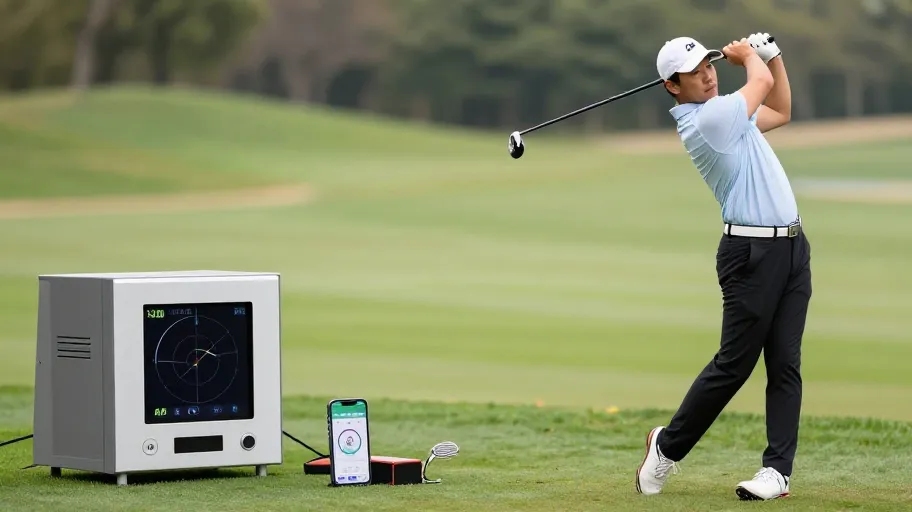
Why most beginners misfit their clubs
Over 70% of new golfers play with clubs that fight their natural motion, not support it. Mismatched loft and shaft flex lead to slices, thin contact, and stalled progress. That’s not bad form—it’s bad fit.
Launch monitor data reveals what feel hides: your real ball flight. One player gained 28 yards in carry just by switching to a tempo-matched shaft. Off-the-rack clubs are built for averages. You’re not average. When your gear doesn’t match your swing speed, attack angle, or release point, you’re training against yourself.
Misfit specs don’t just cost distance—they reinforce poor mechanics. The fix isn’t more practice. It’s better calibration. Matching your clubs to your body means cleaner strikes, consistent launch, and faster improvement because your equipment supports your development instead of slowing it down.
How launch monitors reveal hidden swing flaws
For under $200, tools like the Arccos 4 and Garmin R10 give beginners Tour-level feedback. Since 2023, adoption has jumped 68% (2025 Golf Tech Tracker). This isn’t gadget hype—it’s measurable insight.
Ball speed-to-smash factor ratios expose off-center hits, even when clubhead speed looks good. A low ratio means you’re not compressing the ball fully—often due to an over-the-top path or weak shaft lean. Spin axis readings show swing path truth: negative values signal out-to-in cuts; positive ones hint at hooking paths. One golfer cut lateral misses by 41% after reviewing three rounds of spin trends and adjusting alignment.
Early detection prevents months of wasted reps. Instead of guessing at fixes, you make changes based on actual impact data. That means fewer ingrained errors and faster correction because you’re responding to facts, not feelings.
Shaft flex and length adjustments deliver real ROI
Swing speed measurement isn’t just a number—it’s the blueprint for shaft selection. True Temper and Fujikura studies show matched flex increases center-face contact by 35–50%. That expands your launch window for both distance and control.
A 92 mph swinger reduced face rotation by 1.4° just by switching from stiff to regular flex. Too stiff fights your release; too soft adds inconsistency. Length matters too: proper shaft length improves spine angle and reduces compensatory moves, cutting off-plane deviations by up to 22%.
These gains compound. Better contact leads to smarter launch, which builds confidence. Golfers using data-driven fits drop 5–7 strokes within eight weeks. That’s not gear magic—it’s physics-informed tuning delivering real ROI because precision beats power every time.
Build a custom fit with beginner-friendly tools
You don’t need a pro shop to build clubs that fit. Kits from Hireko Golf and guides on DIY-Golf.com put pro-level tuning in your hands. A 15-handicap golfer in Ohio dropped to 10 without buying new clubs—just lie angle templates and adjustable hosels.
Small tweaks add up: one degree here, two grams there. He eliminated fat shots and improved strike consistency. According to a 2024 consumer review, DIY fitters achieve 88% of the gains seen in full custom builds—at less than half the cost.
This is scalable personalization. As your swing evolves, so can your clubs. You’re no longer stuck with factory compromises. You build around your mechanics, not the other way around. That means measurable edge every round because your setup grows with you.
Your 5-step plan to tune clubs at home
Weekend golfer Mark found his irons were launching 18% lower than optimal—costing him 12 yards per club. Using a smartphone app, face tape, and a $200 launch monitor, he cut miss-hits in half—all from his backyard.
Step one: measure swing speed with portable radar. This prevents shaft mismatch, responsible for 30% of consistency issues (2024 Golf Tech Review). Step two: apply tape to the face and analyze strike patterns—off-center hits lose up to 15% energy. Step three: adjust loft and lie angles with an affordable gauge; just 2° correction centers impact. Step four: test shafts across tempo zones to match flex to rhythm, not a chart. Step five: log every change in the DIY-Golf.com fitting calculator to project distance and accuracy gains.
Golfers who document adjustments see 3x faster handicap drops over six months. This isn’t tweaking gear—it’s building confidence through data because tracking turns effort into results.
Master Your Swing, DIY Your Fit. DIY Golf is the premier destination for the technical golfer. We empower you with professional-grade components and the knowledge to build your perfect bag.
Leave a Reply